


Southeast Asian Wood Sculpture
Southeast Asian wood sculpture brings centuries of ritual craft into a room, offering distinct regional forms carved from tropical timber.
Southeast Asian Wood Sculpture
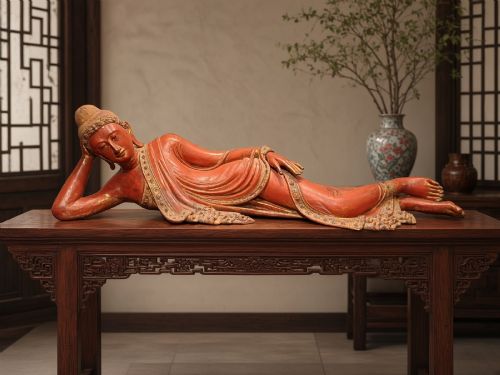
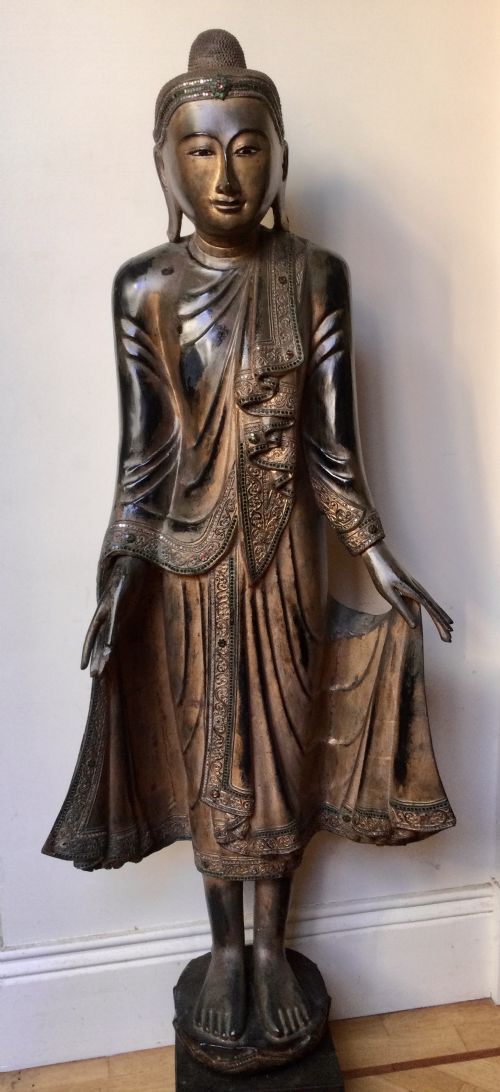
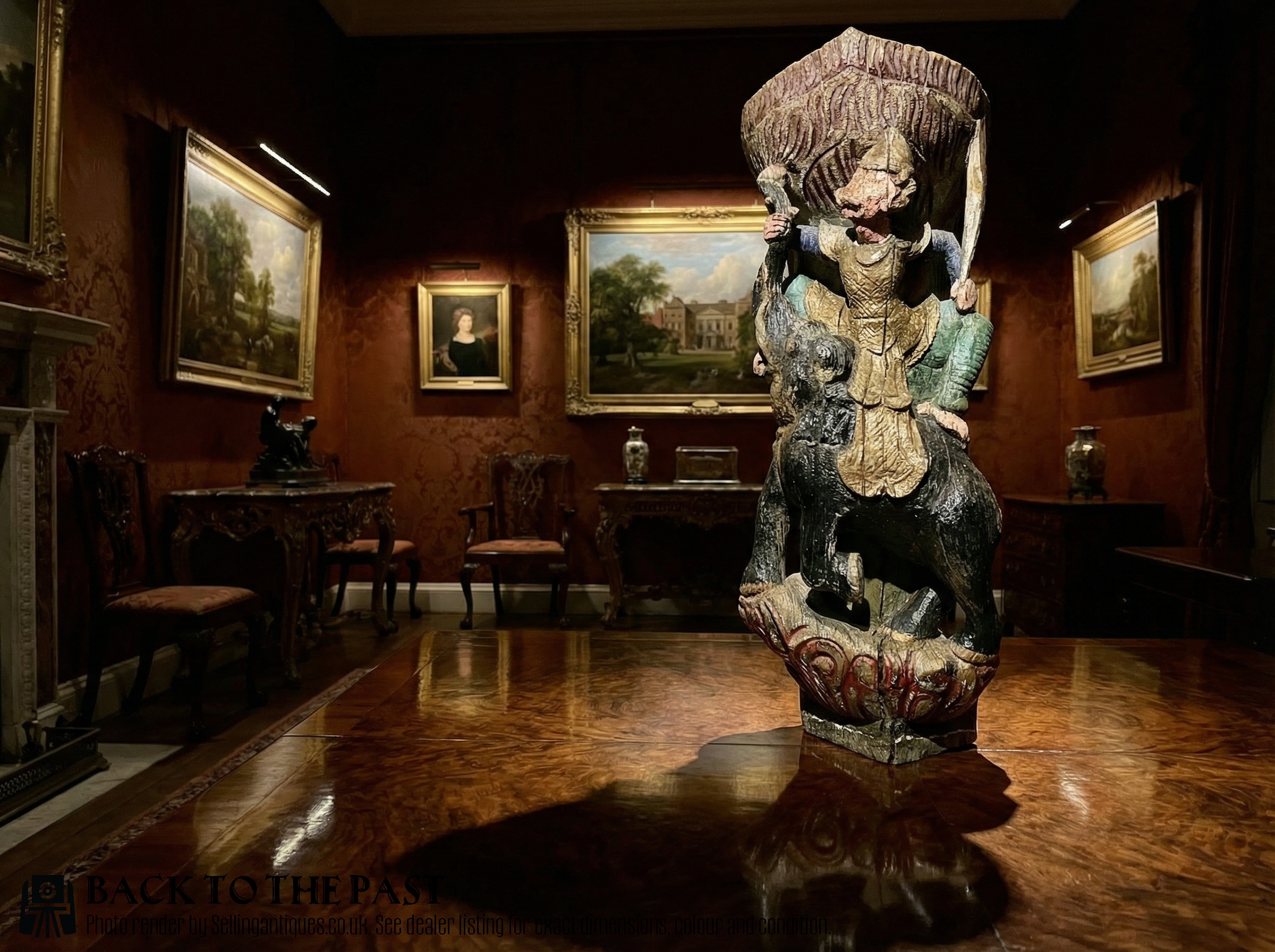
Southeast Asian wood sculpture encompasses carved figures, temple reliefs, and statues originating from traditions across the region, most notably Burmese and Balinese workshops. Buyers encountering this selection will frequently find depictions of Buddhas, mythological beings such as Garuda, and traditional dancers rendered in timber.
The objects span multiple periods, ranging from eighteenth-century temple carvings to nineteenth-century devotional figures and early twentieth-century decorative pieces. Forms vary from free-standing statues and pairs of figures to detailed wall relief carvings designed for interior display.
How they were made
Artisans carved these sculptures primarily from regional timbers like teak and general wood substrates, shaping the material by hand using traditional edged tools. The resulting forms rely on the natural grain and workability of the timber to achieve intricate details.
Listings feature traditional materials including teak, lacquer, gold leaf, and glass inlay across sculptures and wall relief carvings.
What varies in quality
Quality in these sculptures rests upon the depth of the carving and the precision of the hand-chiselled details, where refined execution distinguishes superior examples from simpler work. Figures with finely rendered facial expressions and articulate drapery show a higher degree of sculptural skill.
The preservation of original surface treatments such as gold leaf, lacquer, and polychrome paint influences the overall integrity of a piece. Intact decorative layers and harmonious patination indicate how well the sculpture has retained its visual character over time.
The Southeast Asian Wood Sculpture Glossary
- Teak
- A dense tropical hardwood known for its durability and resistance to decay, frequently used by traditional carvers in the region. Its stable grain allows for deep relief work and fine sculptural detail.
- Gilt wood
- Timber decorated with a thin layer of gold leaf applied to the surface. This technique was commonly employed on religious figures to signify sacred importance.
- Polychrome
- Painted in several colours, often using natural pigments applied over a prepared ground layer. This finish brings vitality to temple carvings and dancer figures.
- Glass inlay
- Small pieces of coloured or mirrored glass embedded into the wooden surface to simulate jewels or decorative trim. It catches the light and enhances the visual richness of the sculpture.
Southeast Asian Wood Sculpture: Frequently Asked Questions
How do I care for antique wood sculptures?
Keep wooden sculptures away from direct sunlight and sudden changes in temperature or humidity to prevent the timber from splitting. Dust them gently with a soft, dry cloth without applying modern polishes or cleaning agents.
Maintaining a stable indoor climate protects fragile surface layers like gold leaf, lacquer, and polychrome paint from lifting or flaking over time.
Where were these sculptures originally displayed?
Many of these pieces originated in Buddhist temples, monastic settings, and domestic shrines across Burma, Bali, and surrounding areas. Temple carvings and wall reliefs served as architectural decoration, while smaller statues were used for personal devotion.
Over time, collectors and travellers brought these works into domestic interiors as standalone decorative objects and focal points for rooms.
How do I identify Burmese wood carvings?
Burmese carvings frequently feature traditional iconography such as reclining Buddhas, mythological guardians, and Nats, often distinguished by elaborate tiered crowns and monastic robes. The use of applied gold leaf and red lacquer over wood is a defining regional characteristic.
Comparing the sculptural style and decorative finishes to established nineteenth and early twentieth-century examples helps determine the likely origin of a piece.