


Carved Wooden Elephant Statue
A carved wooden elephant statue brings a strong presence of traditional craftsmanship into a room.
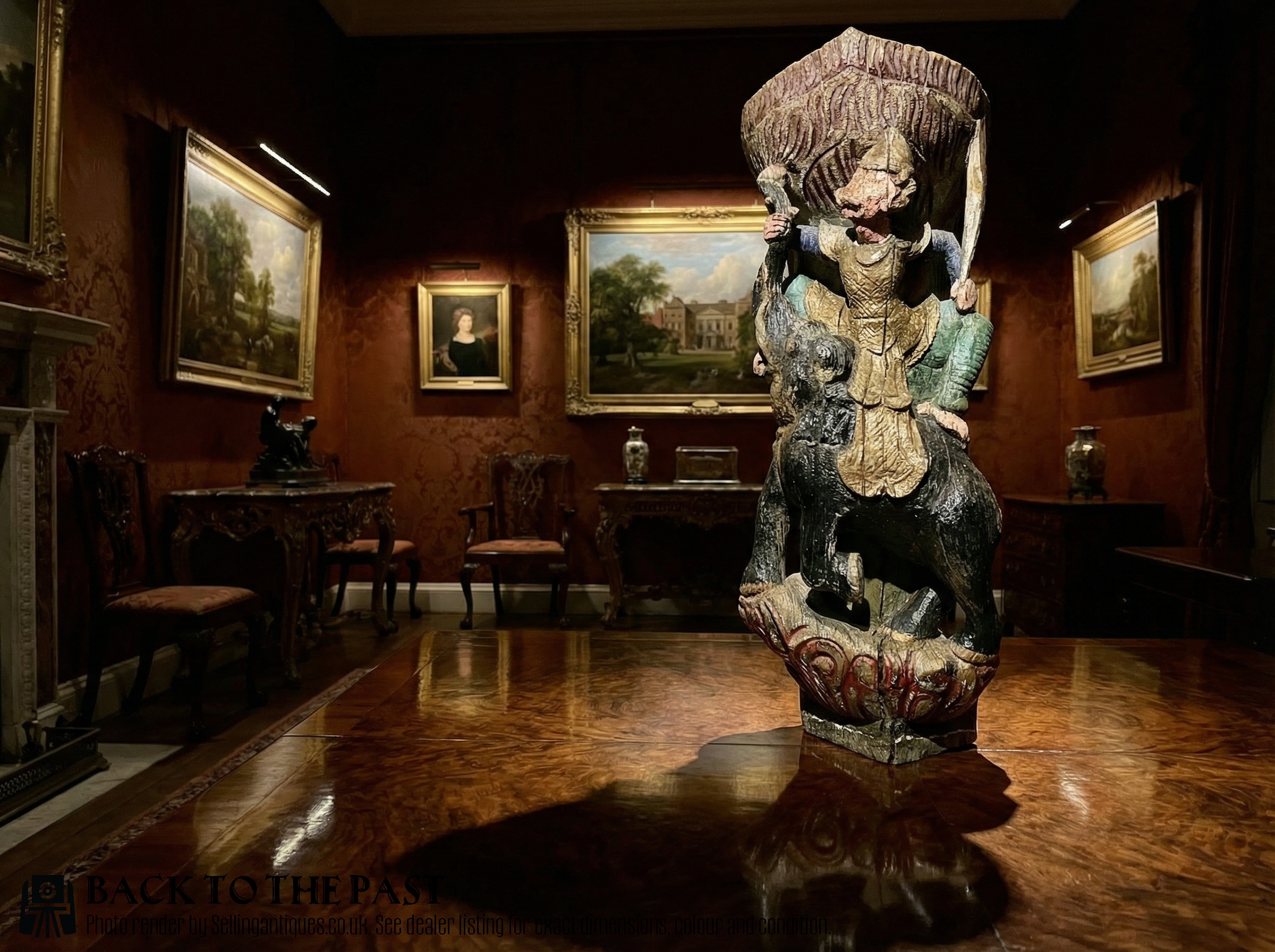
Carved Wooden Elephant Statue
A carved wooden elephant statue encompasses a variety of sculptural forms originating from several cultural traditions, spanning the eighteenth century through to the art deco period. Buyers searching this phrase will find a diverse selection of figures, ranging from individual animal studies to functional bookends and ceremonial groupings.
How they were made
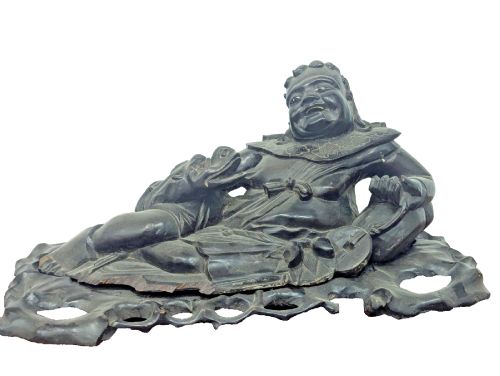
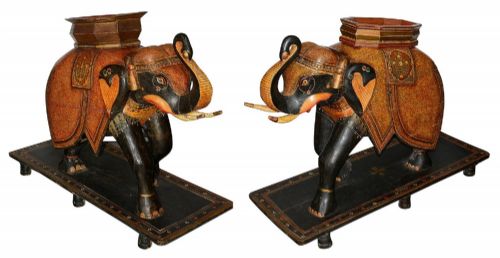
These statues rely on dense timbers such as ebony, teak, and general hardwoods, carved by hand to capture the complex forms of the animals and their trappings. Artisans often utilised bone inlay or applied surface treatments like gesso, pigment, and lacquer to define details such as tusks, harnesses, and ceremonial blankets.
Workshop methods varied by region, combining deep sculptural relief with fine surface finishing. Chinese and Indian carvers employed traditional hand tools to shape heavy timber blocks, sometimes incorporating separate bases or attendants into the final composition.
Listings span the eighteenth, nineteenth, and early twentieth centuries, featuring materials such as ebony, teak, bone, and lacquer.
What varies in quality
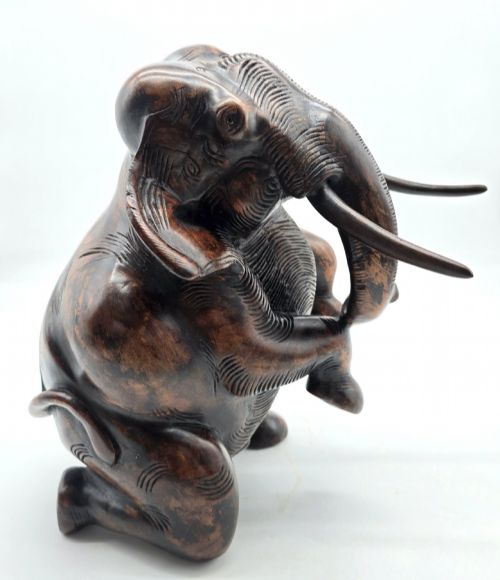
The distinction between standard examples and superior pieces rests on the precision and depth of the carving. Master carvers achieved realistic muscle structure and crisp detailing in difficult timbers like ebony, whereas lesser works show simplified forms and softer surface definition.
Proportion and scale also dictate the standing of a piece. Larger temple carvings and matched pairs with intricate ornamentation demand greater technical skill, setting them apart from smaller, plain studies.
The Carved Wooden Elephant Statue Glossary
- Anglo-Indian
- Pertaining to decorative arts produced in India during the period of British rule, frequently combining local materials with European tastes.
- Ebony
- A dense, heavy dark hardwood prized by carvers for its fine grain and ability to hold sharp, intricate details.
- Gesso
- A plaster-like mixture applied to wood surfaces to serve as a smooth base for paint, pigment, or gilding.
- Qing Dynasty
- The final imperial dynasty of China, lasting from the seventeenth to the early twentieth century, known for elaborate hardwood carving.
- Polychrome
- Decorated in multiple colours, often applied as pigment over a wooden or gessoed surface.
Carved Wooden Elephant Statue: Frequently Asked Questions
How do I date an elephant statue?
Dating relies on identifying the timber species, regional carving styles, and surface treatments visible on the object. Nineteenth-century examples often display the dense ebony or teak typical of colonial production.
Secondary indicators include accompanying elements like original wooden bases, lacquer finishes, or bone inlay. Comparing the tool marks and proportions to documented period pieces helps narrow down the decade of manufacture.
Were these figures meant as bookends?
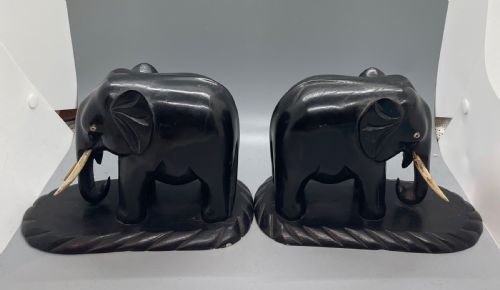
While many statues were created purely as decorative sculptures or studies, some forms were specifically adapted for functional use. Pairs of heavy hardwood elephants frequently appear configured as bookends.
These functional pieces retain the detailed carving of standalone sculptures while offering a solid base to support volumes on a shelf.
How should I care for antique wood?
Antique timber statues require stable environmental conditions away from direct sunlight and sudden temperature shifts. Excessive heat or dryness can cause dense hardwoods and applied lacquer to split.
Dusting with a soft, dry cloth is generally sufficient for maintenance. Avoid applying modern liquid polishes or oils, which can damage historic finishes and exposed pigments.
What regions produced these carvings?
The pieces available originate primarily from workshops in India, China, and Burma. Indian examples often reflect the Anglo-Indian and Raj periods, focusing on ceremonial attire and native wildlife.
Chinese carvings from the Qing era and Burmese temple pieces demonstrate distinct regional approaches to timber selection, subject matter, and surface decoration.