






Carved Wooden Temple Figure
These carved wooden temple figure items bring centuries of sacred craft into domestic spaces through statues, architectural salvage, and religious sculptures.
Carved Wooden Temple Figure
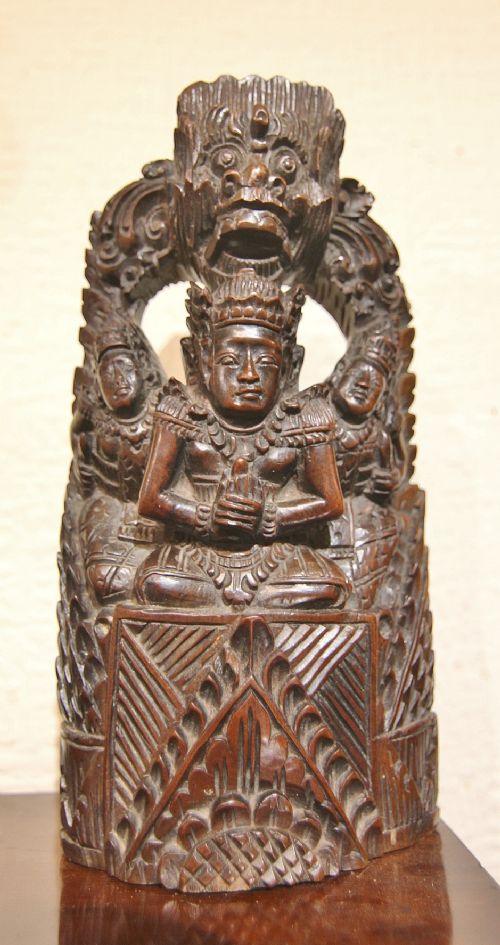
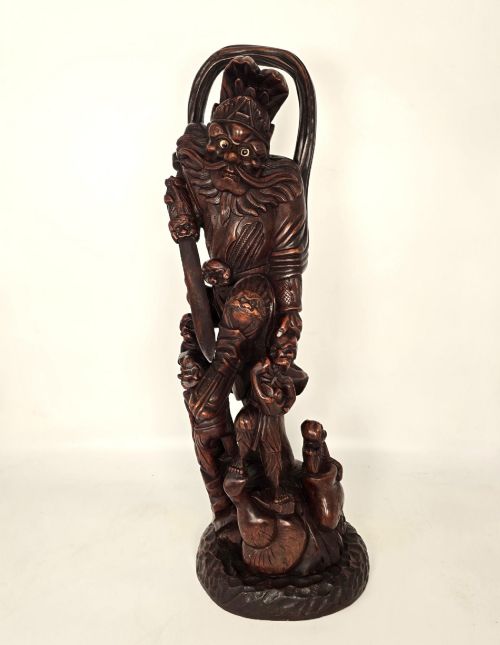
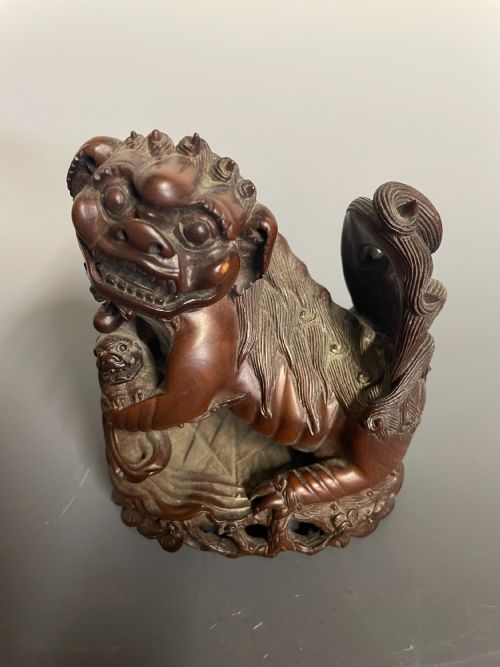
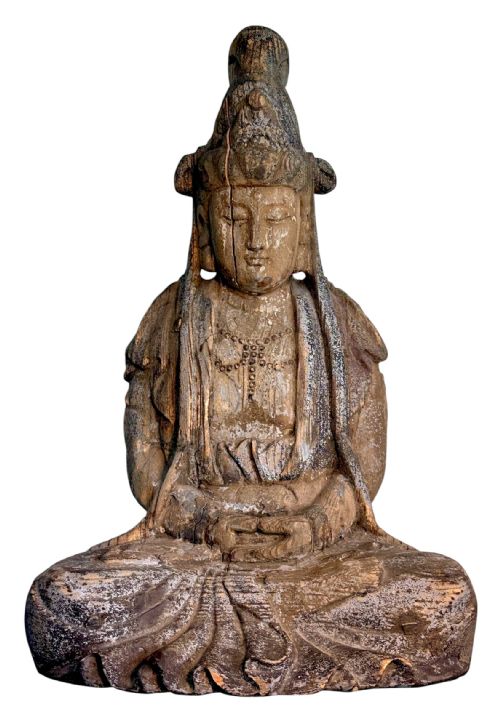
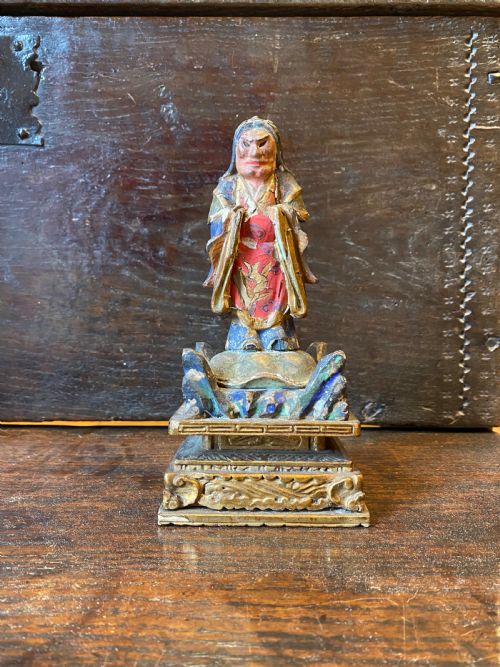
When you search for a carved wooden temple figure, you encounter sacred sculptures and architectural salvage originating from China, Thailand, Burma, Bali, and India. These pieces range from protective guardians and deities to Buddha statues and temple corbels.
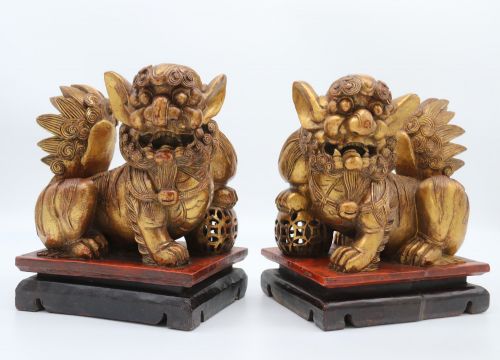
The most common examples on this page date from the seventeenth century through to the early twentieth century, spanning Qing Dynasty pieces alongside Southeast Asian and Indian traditions. Forms vary from monumental guardian figures and pairs of foo dogs to smaller boxwood carvings.
Buyers look for these sculptures to introduce historical depth and traditional craftsmanship into interiors. Each piece carries the distinct religious iconography and sculptural style of its region of origin.
How they were made
Carvers shaped these figures from various woods, including boxwood, hardwood, and general timber, utilising traditional hand-carving techniques. Sculptors often applied layers of gesso to prepare the wooden surface before finishing.
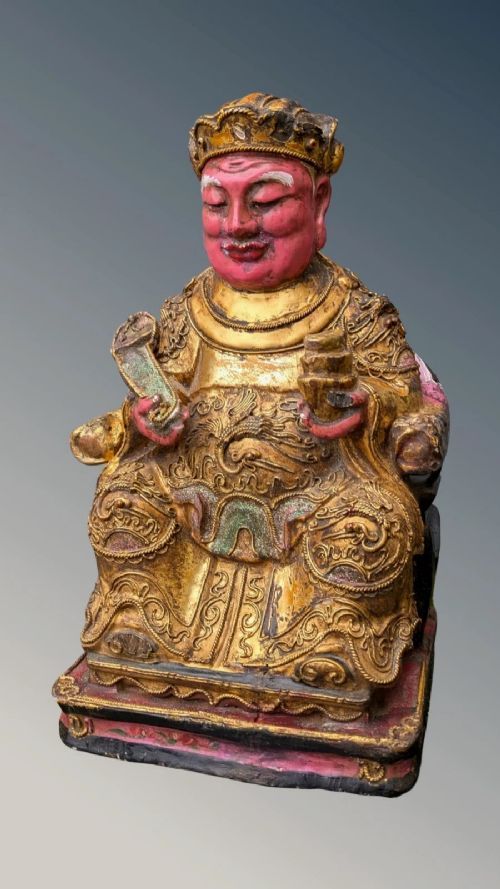
Many surfaces feature applications of gold leaf, gilt, and colourful pigments or lacquer. These decorative finishes enhanced the visual grandeur of deities and guardians intended for sacred temple spaces.
Carved Wooden Temple Figure Retail Price Guide 2026
Typical asking prices for carved wooden temple figure among the pieces listed under this phrase on Sellingantiques today, from the lower quarter to the upper quarter. They describe what is for sale here now, not the wider market.
Several temple guardians stand ready to protect your hallway from malevolent spirits, provided you do not mind them glaring sternly at the postman.
What varies in quality
The sophistication of the carving separates exceptional examples from simpler works, particularly in the rendering of facial expressions, drapery, and anatomical detail. Monumental sculptures that retain their original proportions and dynamic posture command greater attention.
The preservation of original surface treatments dictates the visual integrity of a piece. Figures maintaining intact layers of gold leaf, polychrome pigment, or lacquer display a depth of finish that heavily influences overall character.
The Carved Wooden Temple Figure Glossary
- Foo dog
- A traditional guardian lion figure originating in Chinese art, typically depicted in pairs outside temples. These mythical beasts symbolise protection and authority.
- Gilt wood
- Timber surfaces covered with a thin layer of gold leaf or gold paint. This technique added luminosity and status to religious sculptures.
- Polychrome
- Decoration utilising several colours applied to the surface of wood, gesso, or pigment. It brings lifelike detail to temple deities and figures.
- Corbel
- A structural piece of stone, wood, or metal jutting from a wall to carry a superincumbent weight. In temple architecture, these often took the form of carved wooden figures.
- Lokapala
- A guardian king or heavenly general in Buddhist traditions, frequently carved as a monumental temple figure to ward off evil spirits.
Carved Wooden Temple Figure: Frequently Asked Questions
How do I identify a temple guardian?
Guardian figures, such as Lokapala or Zhenwu, are typically depicted in dynamic or imposing stances with fierce expressions designed to protect sacred spaces.
They often appear in larger scales and may wear elaborate armour or flowing robes suited to their defensive role.
Where were these figures placed originally?
These wooden carvings originated inside temples, shrines, or as part of architectural frameworks like corbels and structural supports.
They served religious and protective functions within Chinese, Southeast Asian, Balinese, and Indian sacred architecture.
How do I care for gilt and polychrome wood?
Keep wooden temple sculptures away from direct sunlight and fluctuating humidity to protect fragile gesso, pigment, and gold leaf layers.
Dust gently with a dry, soft cloth and avoid chemical cleaners that can strip historic finishes.
What periods do these carvings span?
The listings encompass items ranging from the seventeenth century through the Qing Dynasty and into the early twentieth century.
Dates are often attributed by stylistic markers and traditional regional manufacturing methods.