





African Wooden Statue
An african wooden statue brings traditional sculpture and tribal form into a room through carved hardwood and pigment.
African Wooden Statue
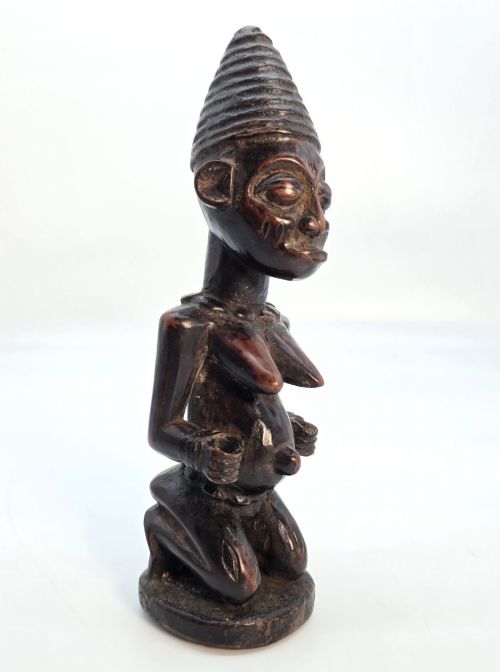
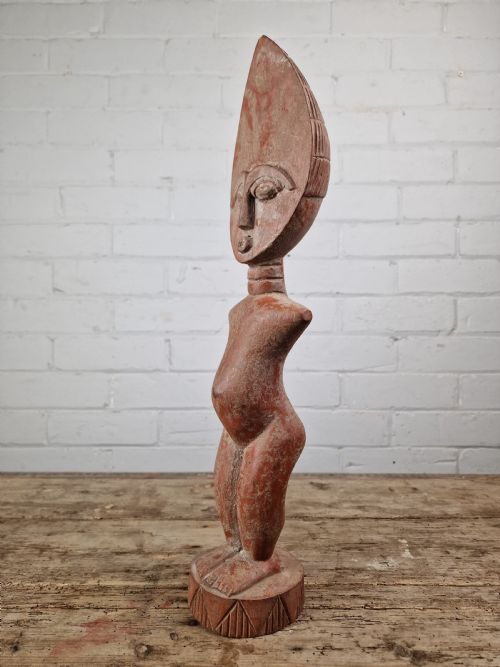
An african wooden statue encompasses carved figures, fertility objects, reliquary guardian heads, and tribal sculptures created across various regions of the continent. Buyers investigating this phrase encounter pieces ranging from nineteenth century tribal carvings to early twentieth century works originating in nations such as Nigeria, Ghana, Mali, and Gabon.
The selections on this page feature specific cultural and regional forms, including Yoruba twin figures, Dogon sculptures, Fante fertility carvings, and Fang reliquary heads. Artisans shaped these hardwood objects using traditional methods, frequently enhancing the surfaces with pigment, bone, and patinated finishes.
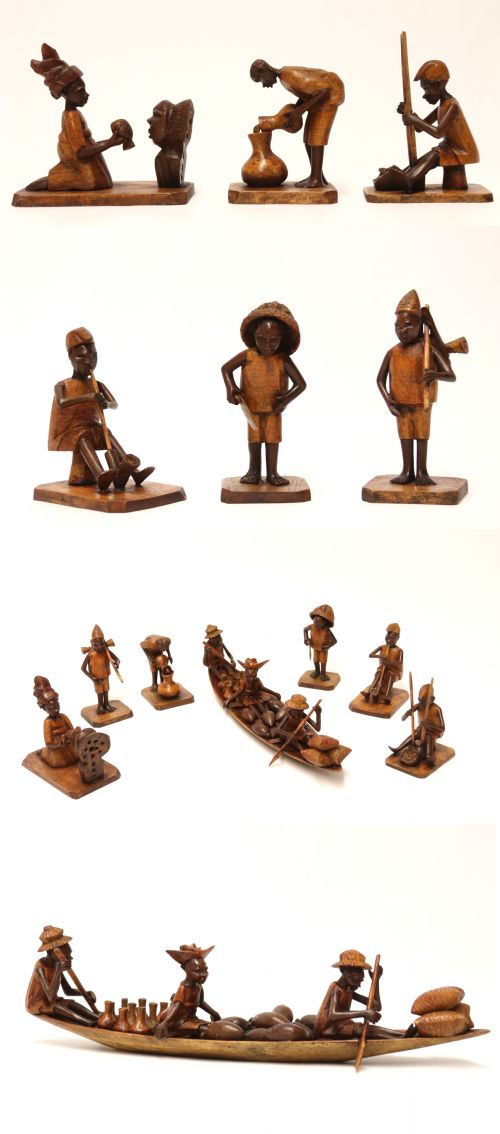
Most items represent figures, warriors, animals such as hippopotamuses and buffaloes, or seated pairings on stools. The dates span from the late nineteenth century through the middle of the twentieth century, reflecting distinct tribal art traditions.
What varies in quality
The depth and originality of the surface patina, alongside the integrity of the timber, dictate the visual weight of a sculpture. Pieces retaining authentic ritual wear, intact pigment, and untouched hardwood surfaces hold greater presence than those with compromised finishes.
Some nineteenth century carvers included tiny carved toenails on their figures, proving that supreme dedication to detail predates modern tools by generations.
Abegunde of Ede
The African Wooden Statue Glossary
- Patina
- The surface sheen and coloration developed through age, handling, and environmental exposure on wood and pigment. This finish indicates the natural ageing process of the material.
- Reliquary
- A container or sculpture designed to hold sacred relics or ancestral remains, notably seen in Fang tribal art traditions. These guardian figures protect the contents housed within.
- Ibeji
- A carved wooden figure representing a twin in Yoruba culture, often created to honour a deceased twin child. These sculptures display distinct regional carving styles and traditional hairstyles.
- Hardwood
- Dense timber derived from broad-leaved trees, utilised by carvers for durability and fine detail work. This material forms the primary structural base of the sculptures.
- Tribal Art
- Artistic production originating from indigenous societies, encompassing ritual, utilitarian, and figurative objects. The category defines the cultural context of these carvings.
African Wooden Statue: Frequently Asked Questions
How do I identify an older african wooden statue?
Examine the timber for dry, dense grain patterns and look for natural patination resulting from handling and age. Authentic older pieces display tool marks appropriate for hand-carved execution rather than modern mechanical production.
Check for tribal attribution markers such as specific stylistic proportions found in Yoruba or Dogon works. The presence of traditional pigments and integrated bone elements further points towards authentic period manufacture.
What is an Ibeji figure?
An Ibeji figure is a traditional wooden carving created by the Yoruba people to represent a deceased twin. These sculptures serve as physical vessels for the spirit and receive ritual care from families.
Carvers rendered these figures with stylised proportions, elaborate hairstyles, and standing or seated postures. They remain among the most documented sculptural forms within Nigerian tribal art.
How should I care for carved wood sculptures?
Keep wooden sculptures away from direct sunlight and fluctuating heat sources to prevent the hardwood from drying and splitting. Maintaining a stable indoor environment preserves the original patina and any applied pigment.
Dust the surface gently with a dry, soft cloth and avoid applying modern polishes or oils. Introducing foreign substances can alter the historical surface and diminish the natural finish.
What regions do these carvings come from?
The pieces originate from various African regions, with strong representation from West and Central areas including Nigeria, Ghana, Mali, and Gabon. Each location developed distinct sculptural conventions associated with specific ethnic groups.
Tribal traditions such as the Yoruba, Dogon, Fante, and Fang defined the specific aesthetic forms seen in these statues. Understanding the tribal origin helps clarify the intended function and sculptural style of each work.