




Vintage African Tribal Figure
These vintage african tribal figure examples span diverse carved woods and heavy bronzes from the late nineteenth century onward.
Vintage African Tribal Figure
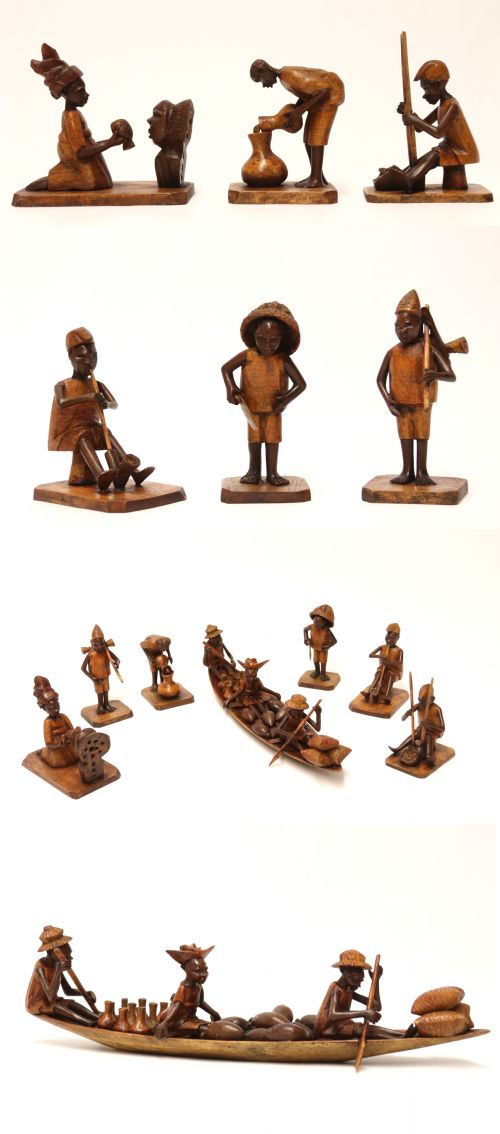
A vintage african tribal figure encompasses carved wooden sculptures and heavy bronze statues originating from various regions across the continent. Buyers searching this phrase typically encounter works carved from hardwood or cast in bronze, spanning periods from the nineteenth century to the mid-twentieth century.
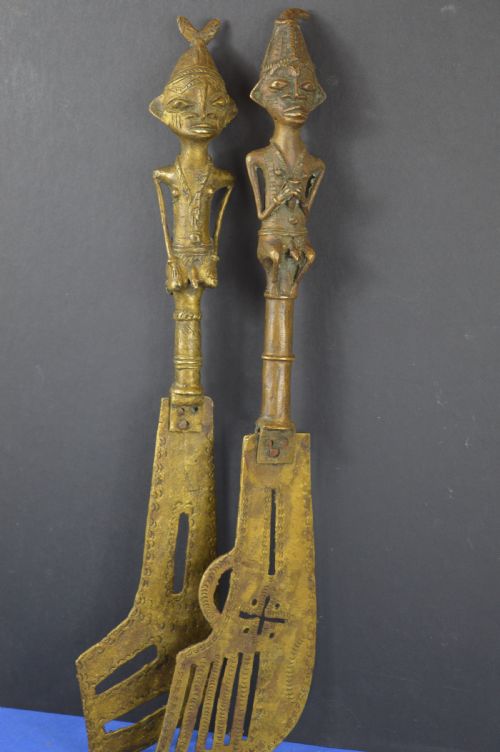
The selection ranges from fertility figures and marriage panels to warrior statues, ceremonial staffs, and portrait busts. Examples frequently link to specific cultural groups such as the Yoruba, Edo, Maasai, Ashanti, and Gabonese traditions.
Forms vary from life-sized statues and articulated lay figures to side tables incorporating carved elements and animal studies in wood and bone. Each piece reflects distinct ceremonial or utilitarian roots within its specific regional art style.
Materials and construction
Bronze casting relies on traditional methods to produce heavy warrior statues, horsemen, and maternity figures with intricate surface detail. Selected pieces also incorporate bone alongside wood to create contrasting textures within animal studies.
A seven-kilogram bronze horseman statue gallops alongside a delicate carved bone hippopotamus, proving tribal art has a wonderful sense of scale.
Assessing quality
Quality rests on the depth of hand-carving in wooden pieces and the precision of the casting in bronze statues. Pieces demonstrating strong cultural form and clear regional style attributes distinguish themselves within the range.
Patina and surface preservation play significant roles, with authentic wear and preserved pigment contributing to the character of older objects. Larger, heavier bronze statues and well-proportioned hardwood carvings generally represent the more substantial works available.
The Vintage African Tribal Figure Glossary
- Patina
- The surface sheen and colour acquired through age, handling, and environmental exposure. It serves as a key indicator of an object's history and authenticity.
- Lost-wax casting
- A metal-casting method where a molten metal is poured into a mould that has been created by means of a wax model. This technique produces the detailed bronze warrior and maternity statues seen in the collection.
- Ibeji
- A wooden figure carved by the Yoruba people to represent a deceased twin. These sculptures often feature distinct coiffures and applied pigment.
- Hardwood
- Dense, durable timber derived from angiosperm trees, commonly utilised by carvers for enduring tribal figures and panels. Its weight and resistance to splitting make it suitable for large-scale sculptures.
- Articulated figure
- A carved wooden sculpture featuring movable joints connected by pegs or cord. These specialist pieces were utilised for artistic study or ceremonial display.
Vintage African Tribal Figure: Frequently Asked Questions
How do I identify a Yoruba figure?
Yoruba sculptures often display distinctive facial scarification, elaborate hairstyles, and detailed beadwork or pigment. Carvings such as Ibeji figures or ceremonial staffs carry specific iconographic traits unique to this culture.
Examining the wood density and the style of the carving helps separate Yoruba works from other regional traditions represented in the listings.
What is a Benin bronze?
Benin bronzes are metal sculptures cast by the Edo people using traditional metalworking techniques. They portray figures such as warriors, horsemen, and maternity subjects with significant weight and detailed regalia.
These pieces reflect the court art traditions of the Kingdom of Benin rather than domestic folk art.
How should I care for tribal wooden sculptures?
Wooden figures require stable indoor humidity levels and protection from direct sunlight to prevent drying and cracking. Dusting with a soft, dry cloth maintains the surface without disturbing the original patina or pigment.
Avoid applying modern polishes or oils, as these can alter the historic surface appearance permanently.
How do I determine the age of a figure?
Dating relies on observable signs of wear, tool marks, wood shrinkage, and the nature of the surface patina. Stylistic consistency with known periods helps place pieces into broader historical brackets such as the nineteenth or early twentieth century.
Documentation or provenance from early collections also provides reliable chronological markers for specific statues.
What is the difference between a fertility figure and a marriage panel?
Fertility figures are typically freestanding sculptures created to invoke ancestral blessings for childbearing and family health. Marriage panels are usually wall-hanging carvings that depict couples or marital narratives to celebrate union.
Each form serves a distinct function within its community of origin, reflected in its posture and composition.