



African Metal Sculpture
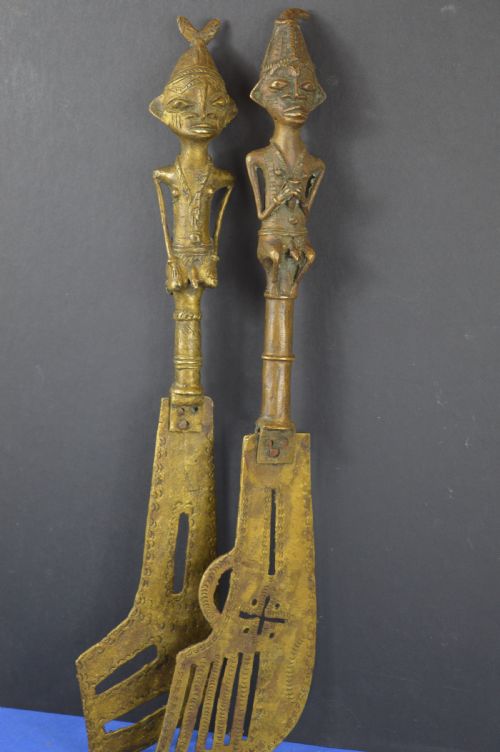
These pieces of african metal sculpture bring traditional West African artistry into your home with powerful bronze figures and ceremonial objects.
African Metal Sculpture
When you search for african metal sculpture, you enter a world of traditional figures, portrait busts, and ceremonial staffs from West Africa. These objects serve both ritual and decorative purposes, capturing historical leadership and cultural heritage.
The versions most likely to meet you on this page are substantial bronze and brass statues, including Benin warrior figures, Yoruba staffs, and Ashanti king statues. Many of these date from the early to mid-twentieth century and show distinct regional artistry.
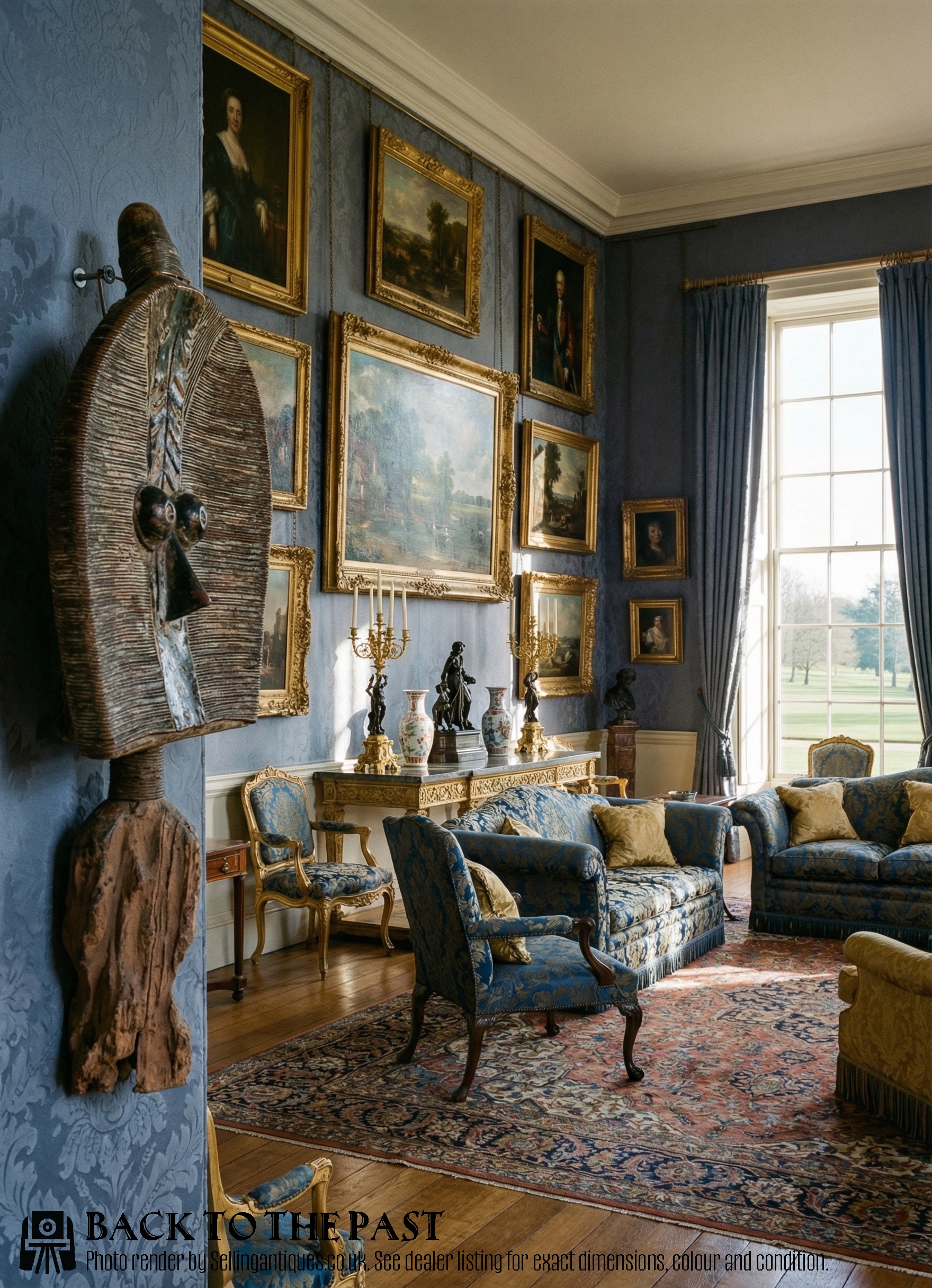
Makers often combined metalwork with hardwood, leather, and fibre to create textured sculptures and reliquary guardians. Every piece reflects specific tribal traditions and historical forms from across Gabon and the broader West African region.
How they were made
Artisans forged these works primarily using bronze, brass, and copper alloy, often employing traditional casting methods handed down through generations. These durable metals allowed for intricate surface details on warrior statues, maternity figures, and royal busts.
Many sculptures also incorporate organic materials like hardwood, leather, and fibre to complement the metal components. This mixed-media approach added texture and structure to ceremonial staffs and reliquary guardians.
Listings feature items spanning the twentieth century, specifically from the 1900s through to the 1950s.
What varies in quality
The strength of the casting and the crispness of the surface detail separate the finer examples from simpler workshop output. Better pieces display confident proportions and clear cultural iconography that remains sharp across large bronze surfaces.
The integrity of the mixed materials also influences the character of each piece, particularly where wood, fibre, and leather integrate with the metalwork. Harmonious proportions in large figures distinguish superior regional craftsmanship.
The African Metal Sculpture Glossary
- Bronze
- An alloy consisting primarily of copper, traditionally used for durable casting and sculptural work. This material patinates richly over time.
- Reliquary Guardian
- A protective figure placed near sacred relics or ancestral remains. Mahongwe examples often combine metal plating with carved wooden foundations.
- Ceremonial Staff
- An ornate staff carried during rituals or by leaders to signify authority. Yoruba examples frequently feature cast metal figures at the summit.
- Tribal Art
- Artistic production originating from indigenous cultures, particularly across West Africa. These works carry deep social and ceremonial meanings.
African Metal Sculpture: Frequently Asked Questions
What are african metal sculptures?
These works are cast metal figures, busts, and ceremonial objects originating from West Africa, representing regional leadership, traditions, and spiritual beliefs.
They encompass pieces made from bronze, brass, and copper alloy, frequently dating from the early to mid-twentieth century.
How were these statues used?
Many of these objects served ceremonial and ritual functions within their communities, marking royal status or guarding ancestral sites.
Others acted as symbols of authority, such as tribal staffs carried during important gatherings and official ceremonies.
How do I care for bronze?
Bronze requires minimal maintenance, needing only a gentle dust with a soft, dry cloth to preserve its natural finish.
Avoid using abrasive cleaners or polishes that might strip away the historic patination accumulated over decades.
How do I date these pieces?
Dating relies on stylistic analysis, material composition, and documented provenance connecting the object to early twentieth-century periods.
Changes in casting technique and regional art styles also help experts narrow down the likely decade of production.