



Tribal Art Decor
Tribal art decor brings striking handcrafted objects and textiles into modern interiors, offering authentic historical character through traditional craftsmanship.
Tribal Art Decor
When you search for tribal art decor, you encounter a diverse selection of artefacts ranging from Central Asian textiles to West African carvings and wall art. These pieces embody distinct cultural heritage, created for traditional use or ceremonial purposes before entering the decorative market.
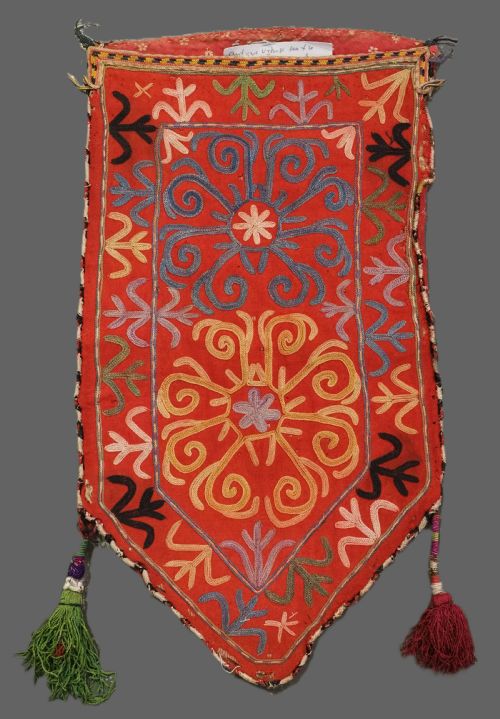
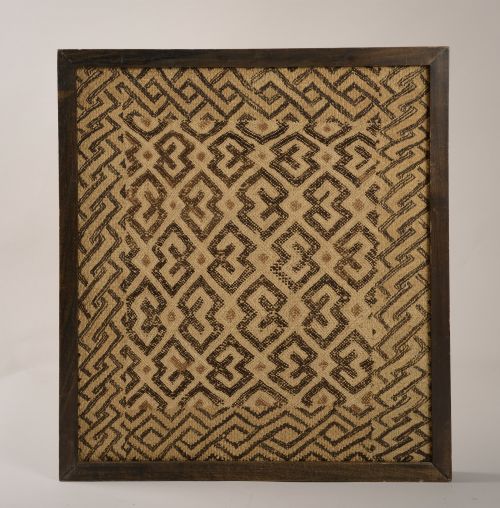
You are most likely to meet Central Asian embroideries, Afghan wall pieces, African tribal masks, and Kuba raffia tapestries across these listings. They span periods from the nineteenth century through to the mid-twentieth century, showing remarkable variety in form and origin.
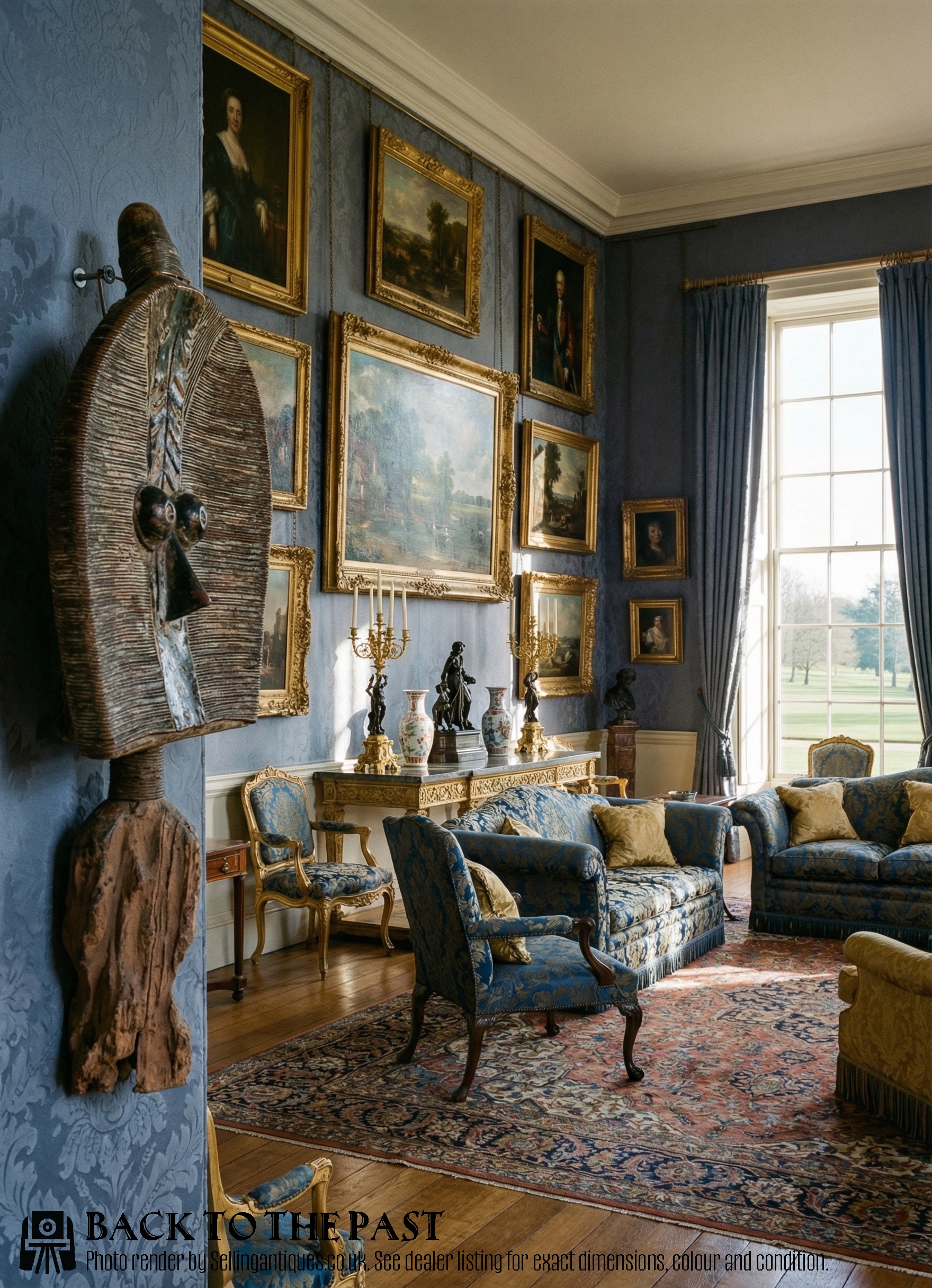
The objects serve primarily as visual focal points in a room, whether hung as wall art or displayed as sculptural figures. Each piece carries the distinct aesthetic of its region and maker, making them popular choices for eclectic interiors.
Materials and construction methods
Textiles rely on natural fibres including wool, cotton, and raffia, combined with intricate weaving and embroidery techniques. Central Asian pieces frequently employ detailed embroidery on woven backings, while Kuba cloths utilise looped raffia techniques to create complex geometric designs.
Judging quality and authenticity
Quality in these pieces rests upon the integrity of the material and the authenticity of the tribal techniques used in their creation. Hand-carved wooden objects show superior craftsmanship in the precision of their detail and the depth of their carving.
For textiles, the tightness of the weave, the complexity of the pattern, and the preservation of natural dyes distinguish finer examples. Patina accumulated through age and handling adds considerable character to both wooden artefacts and fabric wall hangings.
The Tribal Art Decor Glossary
- Reliquary guardian
- A carved wooden figure placed above a container holding ancestral relics to protect them. These guardian figures display distinct regional carving styles from Gabon and surrounding areas.
- Kuba cloth
- A textile woven from raffia palm fibre by the Kuba people of Central Africa. These tapestries are known for their dense geometric patterns and cut-pile embroidery.
- Jezail
- A traditional type of long-barrelled flintlock or percussion muzzle-loading rifle used in Afghanistan and neighbouring regions. Surviving examples often feature decorative bone or metal inlay.
- Igsalyk
- A traditional Turkmen spindle bag used for storing spinning tools. These bags exhibit fine tribal weaving and characteristic geometric motifs from Central Asia.
Tribal Art Decor: Frequently Asked Questions
How do I hang tribal masks safely?
Support heavy wooden masks using custom wall mounts that cradle the weight securely without damaging the original wood. Avoid using existing cracks or fragile decorative elements for suspension.
Ensure the mounting hardware is anchored into wall studs, especially for denser sculptures and carved wall plaques.
What is a reliquary guardian?
A reliquary guardian is a carved wooden figure traditionally mounted on top of a basket or box containing ancestral bones. These figures were made to guard the sacred contents from malevolent forces.
Collectors prize them for their powerful abstract forms and rich tribal iconography.
Are these pieces authentic antiques?
The listings include pieces dating from the nineteenth and early twentieth centuries, reflecting genuine historical periods of production. Materials like natural pigments, bone inlay, and hand-spun wool indicate traditional manufacturing methods.
Examine the surface wear and construction details to understand the age and origin of each individual object.