






Tribal Art Object
These tribal art object pieces carry history across continents, offering collectors tangible connections to diverse cultural traditions and craftsmanship.
Tribal Art Object
A tribal art object encompasses diverse sculptural forms, ceremonial staffs, and utilitarian items originating from African, Oceanic, Inuit, and Indian cultures. Buyers exploring this category encounter artefacts spanning from the eighteenth century through to the early twentieth century.
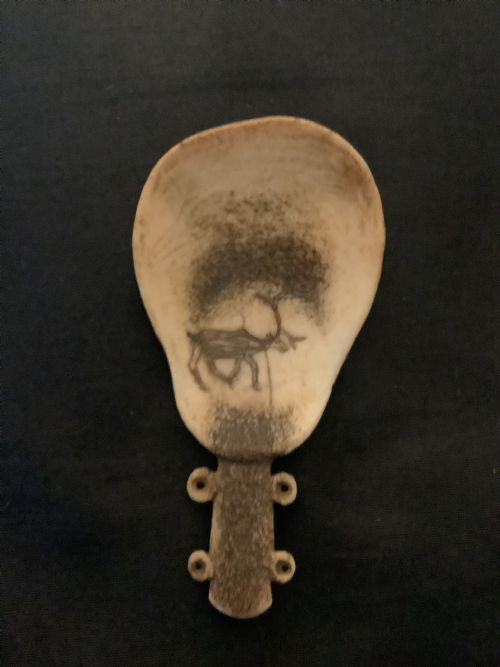
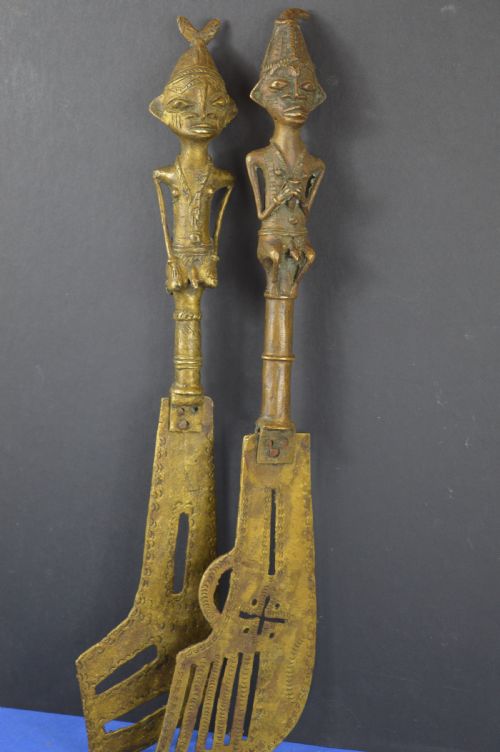
The most common examples on this page are carved wooden sculptures, bronze figures, and carved bone or antler items. These pieces reflect distinct regional styles, including Yoruba, Inuit, Fijian, Mahongwe, and Kuba traditions.
Forms range from sculptural guardian figures and Janus bronzes to functional spoons, staffs, and pendants mounted on stands. Each object bears the distinct aesthetic of its originating maker and period.
Materials and construction
Metalworking is represented by cast bronze and brass elements, seen in figures and ceremonial staffs produced through traditional casting methods. Many of these metallic and wooden pieces are displayed on custom metal stands.
Makers select materials for their durability and cultural significance, allowing organic substances like teak, iron, and silk components to age naturally over centuries.
Listings include items spanning the eighteenth, nineteenth, and early twentieth centuries, made from bronze, wood, bone, and antler.
Judging quality and character
Quality rests in the precision of the carving and the expressive strength of the form, distinguishing masterwork sculptures from simpler regional pieces. Patina accumulated through traditional use adds depth and authenticity to the surface.
Proportion and balance dictate the visual impact of figural bronzes and wooden guardians, where skilled execution enhances the dynamic presence of the subject. Intricate details on smaller items like spoons and pendants reveal the maker's mastery.
The Tribal Art Object Glossary
- Janus figure
- A sculpture featuring two faces looking in opposite directions. This dual-headed motif appears frequently in ritual bronzes.
- Tupilak
- A carved bone, antler, or whale vertebrae figure from Inuit tradition. These carved forms carry significant cultural and shamanic history.
- Ula Drisia
- A throwing club associated with Fijian warriors. These carved wooden items demonstrate specific South Seas island craftsmanship.
- Ogboni Edan
- Cast bronze figure groups associated with the Yoruba society. These metal objects are cast to represent ancestral or spiritual themes.
Tribal Art Object: Frequently Asked Questions
What materials were used?
These pieces utilise natural materials such as wood, bronze, brass, bone, antler, iron, and whale vertebrae. Artisans selected these substances for their local availability and suitability for detailed carving.
Metal components often appear in cast figures and staffs, while organic materials form the majority of the carved sculptures and functional objects.
How old are these items?
The pieces date across multiple centuries, with examples originating from the eighteenth, nineteenth, and early twentieth centuries. Specific dates align with periods like the nineteenth century and around nineteen hundred.
Age is determined by material degradation, surface patina, and stylistic characteristics typical of each cultural tradition.
Where do these pieces originate?
Geographical origins span West Africa, Central Africa, the South Seas, the Arctic, and India. Distinct regional styles include Yoruba, Inuit, Fijian, Mahongwe, and Kuba traditions.
Each region developed specific sculptural forms and decorative motifs reflecting local cultural practices and beliefs.
How should I display them?
Many sculptural objects and figures are fitted with metal stands to support them securely on flat surfaces. This allows three-dimensional carvings to be viewed from all angles.
Placement should avoid direct sunlight and extreme humidity changes to preserve the integrity of ancient wood, bone, and bronze.