



Carved Wood Guardian
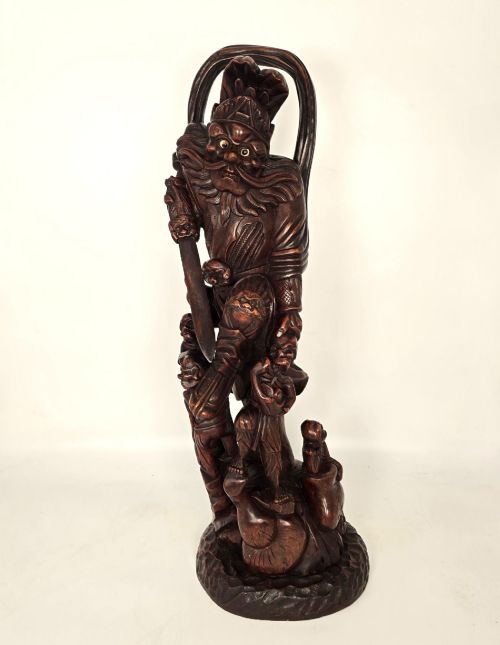
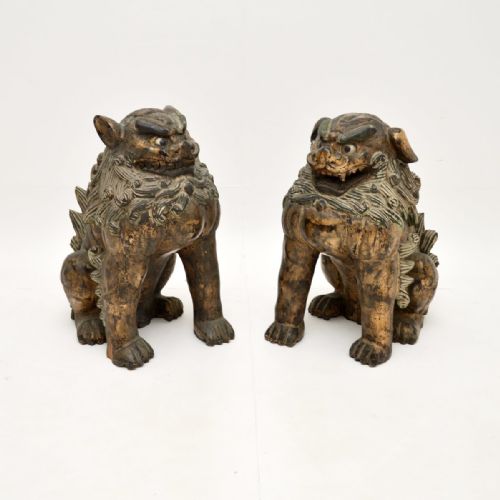
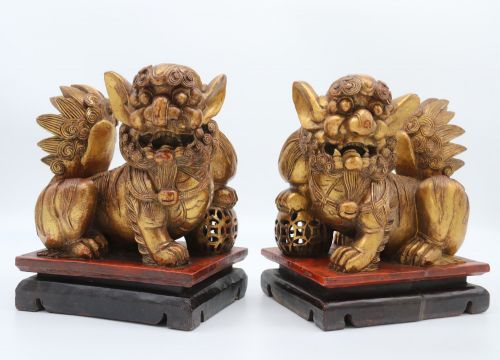
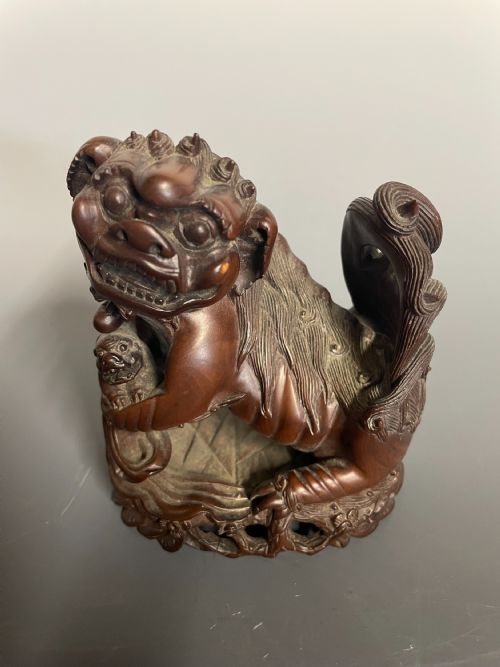
These carved wood guardian figures carry centuries of protective presence, taking form as fierce temple kings, Foo dogs, and tribal reliquary heads.

Carved Wood Guardian
A carved wood guardian represents a protective entity intended to ward off malevolent forces from sacred or domestic spaces. Buyers browsing this selection encounter various cultural traditions, with Chinese temple guards, Foo dogs, and African tribal reliquary heads dominating the available forms.
The pieces span multiple periods, stretching from the eighteenth century into the early twentieth century. Common materials include carved hardwood, boxwood, root wood, and gilt wood enhanced with polychrome paint and lacquer.
How they were made
Craftsmen shaped these figures from dense timbers such as boxwood, root wood, and general carved hardwood, employing hand chisels and gouges to define muscular forms and intricate ceremonial garments.
Many surfaces received applied finishes including gilt leaf, traditional lacquer, and vibrant polychrome paint, while specific African examples utilised metal inlay over patinated wood.
Several stone-faced guardians spend their days glaring fiercely at empty air, having successfully scared away all unwanted spiritual intruders.
What varies in quality
Quality rests in the anatomical vigour of the carving and the depth of relief work, where confident tool marks distinguish master carvers from routine workshops. The survival of original surface treatments, such as layered polychrome paint and genuine gilding, dictates the visual authority of each guardian.
Scale and proportion also define the upper tier, particularly in monumental temple sculptures and substantial hardwood Foo dogs that retain their imposing stance.
The Carved Wood Guardian Glossary
- Foo dog
- A traditional Chinese guardian lion resembling a mythical canine, traditionally placed in pairs outside temples or palaces to provide spiritual protection. These figures often feature one paw resting on a brocade ball or a cub.
- Lokapala
- A Buddhist Guardian King of celestial domains, depicted as an armoured warrior subduing demons. Sculptures of this type emphasise powerful stance and detailed ritual garb.
- Reliquary guardian
- A carved wooden head or figure placed atop a container holding ancestral relics in African tribal art traditions. Examples include Fang Byeri and Mahongwe styles.
- Polychrome paint
- Pigment applied in multiple colours to decorate wooden sculptures. This surface treatment often accompanies gilt wood on temple figures.
- Root wood
- Timber taken from the root burls of trees, utilised by carvers who incorporated natural knots and twists into the final anatomy of animal sculptures.
Carved Wood Guardian: Frequently Asked Questions
Where were carved wood guardian statues originally placed?
Chinese guardian figures typically stood at temple entrances or domestic thresholds to deter harmful spirits and protect the occupants within. African reliquary guardians sat atop containers holding ancestral remains to guard sacred lineage materials.
These placements dictated the imposing scale and protective postures seen in surviving examples today.
How should I care for antique carved wood guardians?
Display these wooden sculptures away from direct sunlight and sudden temperature shifts to prevent the natural timber from splitting. Dust them gently with a dry, soft brush rather than using liquid polishes that might damage historic lacquer or polychrome layers.
Stable indoor humidity preserves both the exposed wood and any remaining gilding.
How do I identify the period of a carved wood guardian?
Dating relies on examining tool marks, timber shrinkage, and the natural ageing of surface layers like lacquer, paint, or gilt. Stylistic markers specific to Qing Dynasty craftsmanship or early twentieth-century tribal art provide further clues to origin and age.
Comparing the wear patterns on the base with the carved details helps confirm the era of production.