




Tribal Wall Sculpture
These tribal wall sculpture pieces are carved masks, panels, and figures that bring striking cultural presence and ritual heritage into modern interiors.
Tribal Wall Sculpture
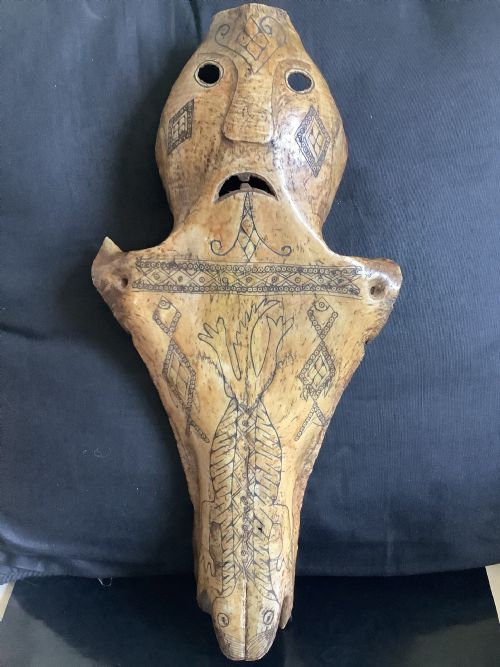
When you search for tribal wall sculpture, you encounter carved masks, relief panels, and sculptural objects originating from African, Indonesian, and South Indian traditions. The selection spans the nineteenth century through the Edwardian era, representing specific cultural groups such as the Baule, Gouro, and Ligbi peoples.
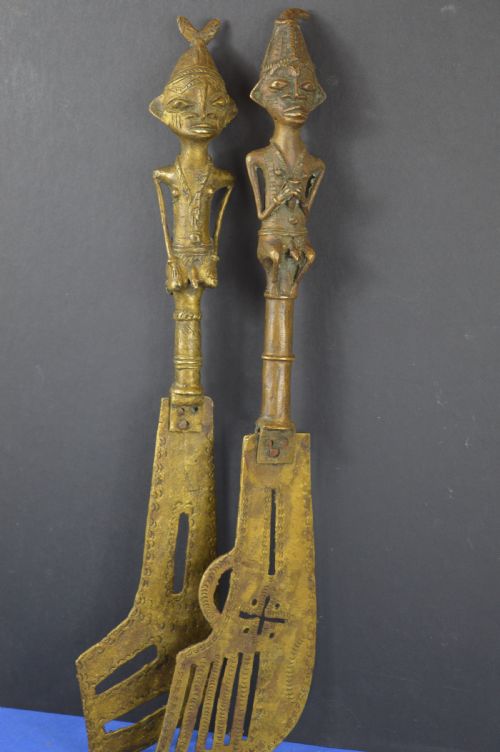
The most common forms on this page are ceremonial masks and carved wall panels fashioned in wood, hardwood, and bone. These pieces reflect distinct ritual functions, ranging from marriage figures to reliquary guardians and warthog masks.
How they were made
Artisans carved these objects from dense hardwoods and native timber using hand tools, frequently finishing surfaces with natural pigments and bone inlay. The physical construction relies on traditional woodworking techniques passed down through generations within specific tribal communities.
The object types span masks, wall panels, camel saddles, and ceremonial staffs originating from African, Indonesian, and South Indian traditions.
What varies in quality
The survival of original surface pigments and the natural patina acquired through age and handling further distinguish superior examples. Condition and integrity of the carved material remain central to how well a piece represents its cultural tradition.
The Tribal Wall Sculpture Glossary
- Reliquary guardian
- A carved wooden figure or head placed upon a container holding ancestral relics to protect the contents. These sculptures combine powerful abstract forms with deep cultural significance.
- Natural pigment
- Colouring matter derived from plants, minerals, or soils and applied to wood surfaces. It provides authentic surface patination and colour depth on historical carvings.
- Hardwood
- Dense, durable timber harvested from deciduous trees, frequently utilised for intricate tribal carvings. It resists splitting and holds fine sculptural detail over centuries.
- Ceremonial staff
- An elaborately carved wooden or metal rod wielded during rituals or gatherings to denote status and authority. They often feature figurative finials representing spirits or ancestors.
Tribal Wall Sculpture: Frequently Asked Questions
How do I hang a tribal mask safely?
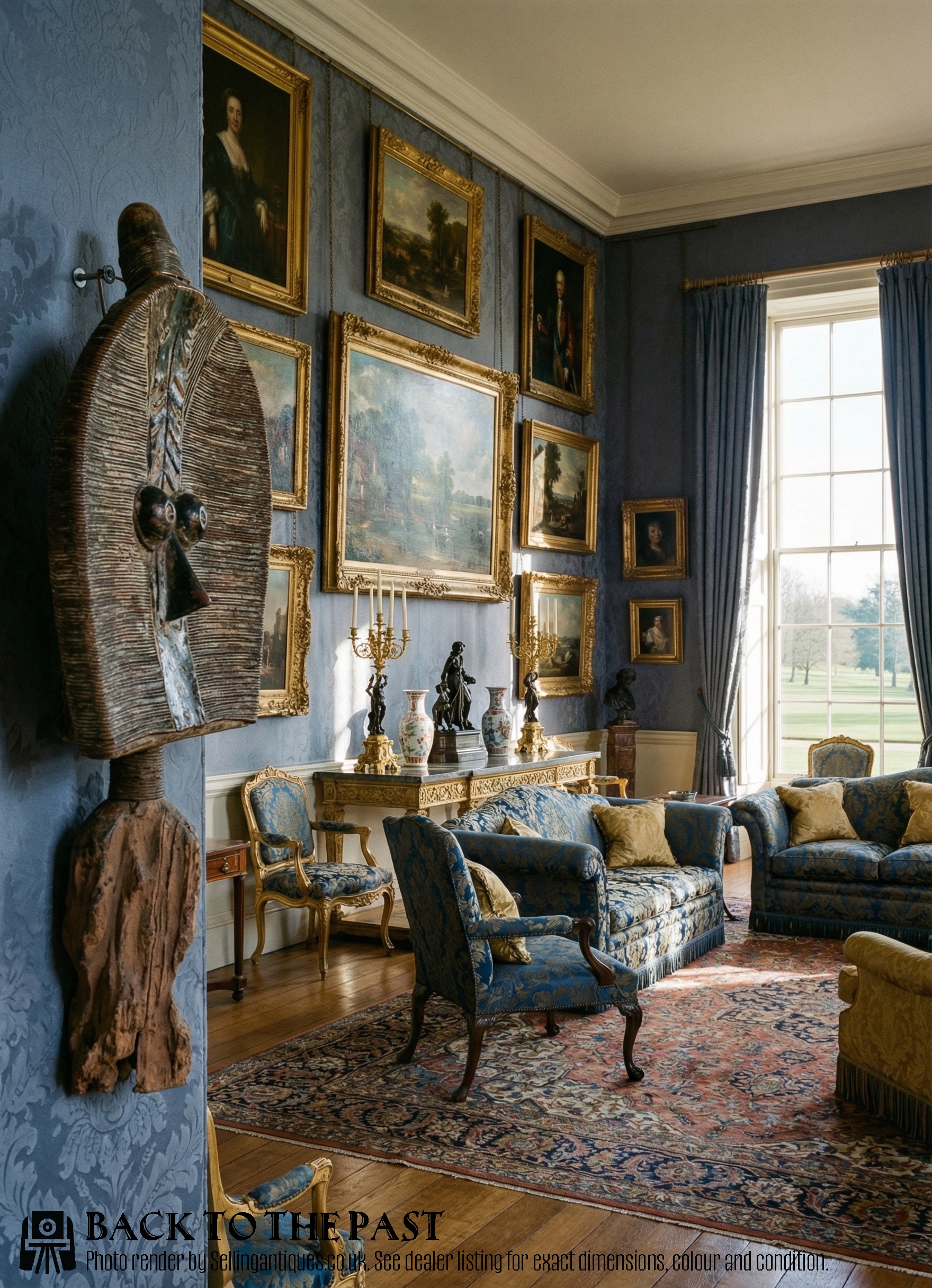
Most tribal wall sculptures and masks are mounted using custom metal brackets that cradle the piece without causing structural damage. Ensure the weight of denser hardwoods is supported by appropriate wall anchors.
Avoid direct sunlight and fluctuating humidity near radiators to preserve the original wood and pigment surfaces over time.
How can I tell the nineteenth century pieces apart?
Nineteenth-century carvings often display deeper surface wear, genuine handling patinas, and older pigment applications compared to later Edwardian examples. Tool marks left by traditional hand chisels offer clear clues to the period of manufacture.
Examining the underside and interior cavity of masks can also reveal the age of the wood and the nature of historical usage.
What regions do these sculptures come from?
The pieces originate primarily from West African nations such as the Ivory Coast and Gabon, created by specific groups including the Baule, Gouro, and Ligbi peoples. Other geographic origins represented include Indonesia and South India.
Each regional tradition employs distinct stylistic conventions for depicting human and animal forms.
Are these pieces functional or purely decorative?
Many items began as active ritual objects, such as masks worn during ceremonies, reliquary guardians protecting ancestral bones, or marriage panels marking significant cultural events. Over time, their role shifted into objects collected and displayed for their artistic and historical merit.
Living with them today allows you to appreciate both their sculptural power and their rich anthropological background.