

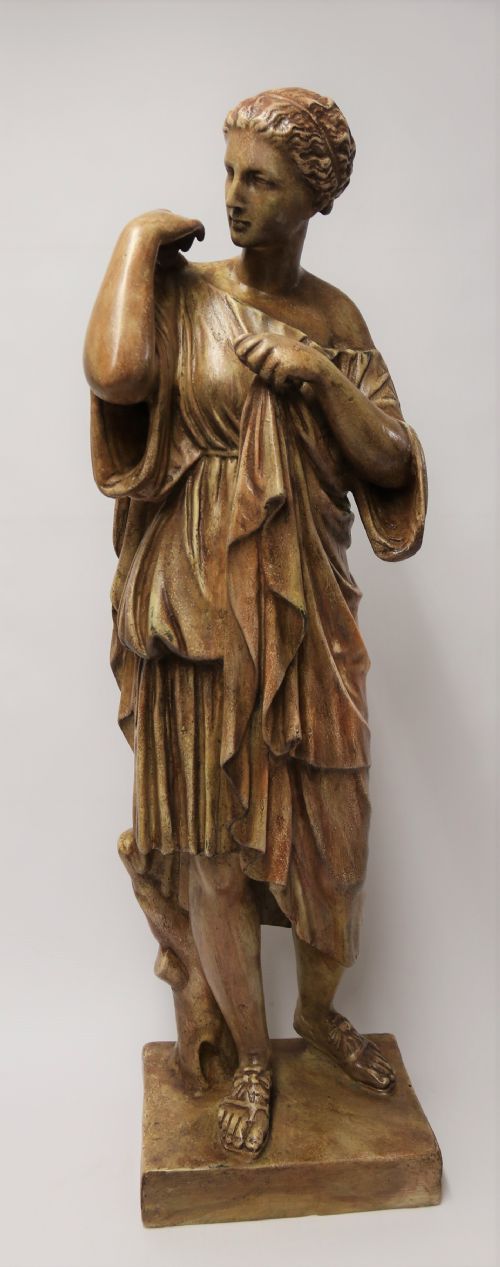


Classical Revival Sculpture
Classical revival sculpture brings antiquity into nineteenth-century interiors through bronze figures, marble busts and grand tour souvenirs.
Classical Revival Sculpture
Classical revival sculpture encompasses nineteenth-century works drawing directly upon ancient Greek, Roman and Renaissance models. Buyers encounter numerous bronze reductions, marble busts and grand tour souvenirs produced across the Victorian era.
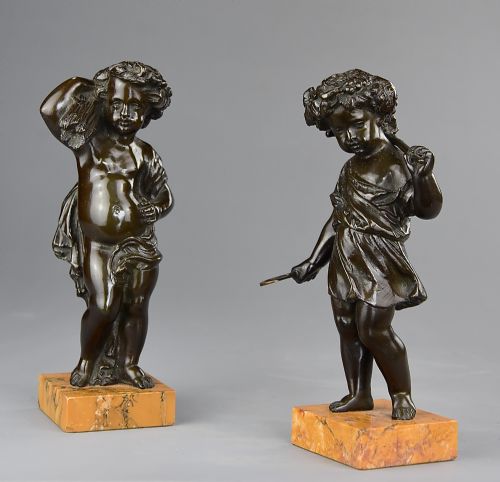
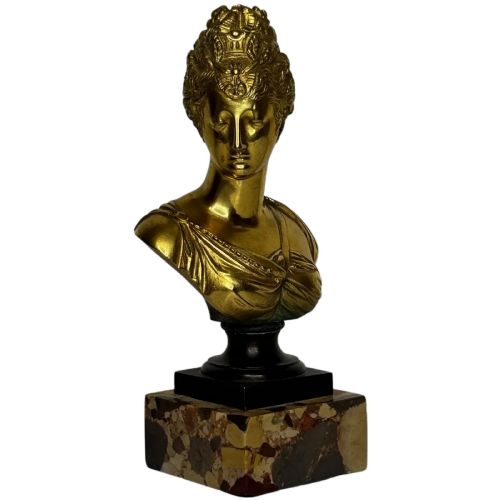
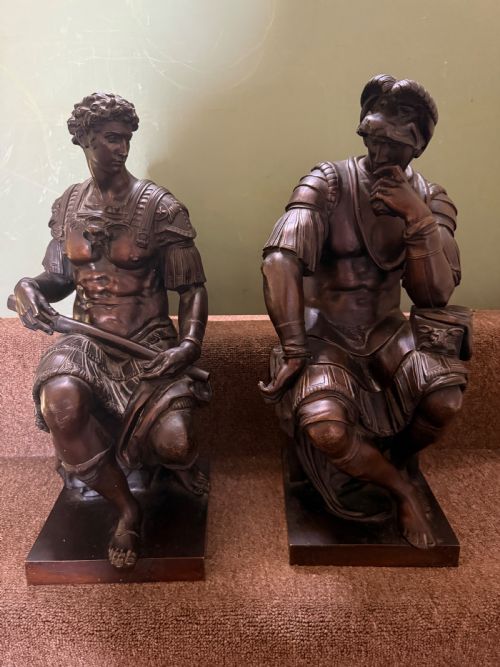
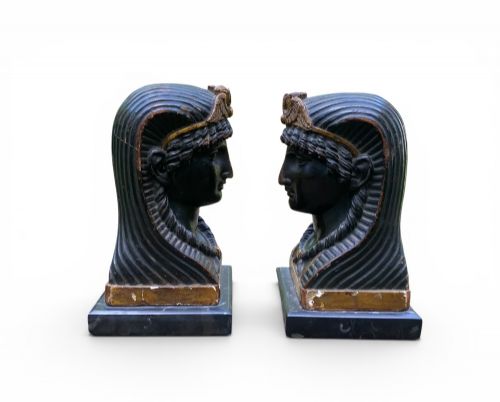
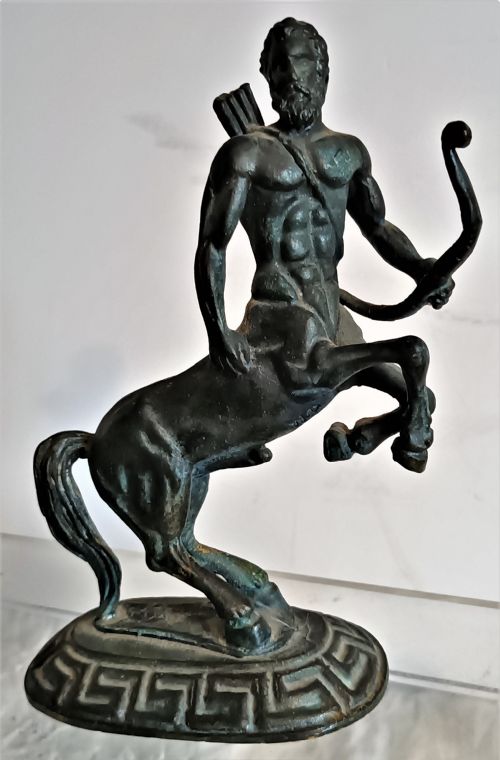
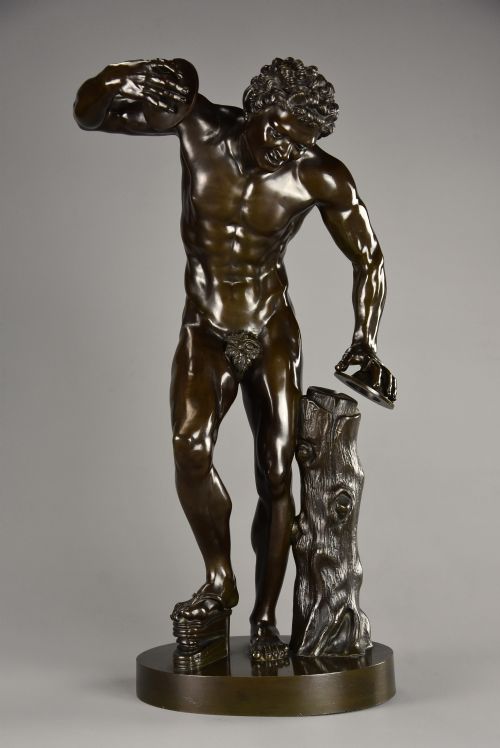
Subjects range from mythological figures like Diana and Bacchus to historical rulers and architectural ornaments such as sphinxes. These pieces frequently appear mounted on marble bases or paired as decorative garnitures.
Materials and methods
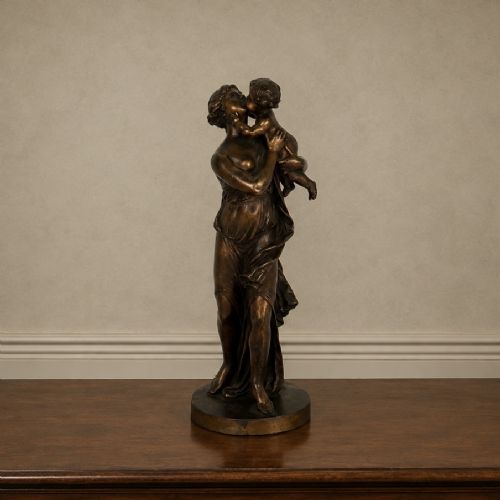
Foundries utilised traditional lost-wax casting to produce detailed patinated bronzes, often finishing surfaces by hand to accentuate musculature and drapery. White marble and alabaster were carved into relief panels and portrait busts.
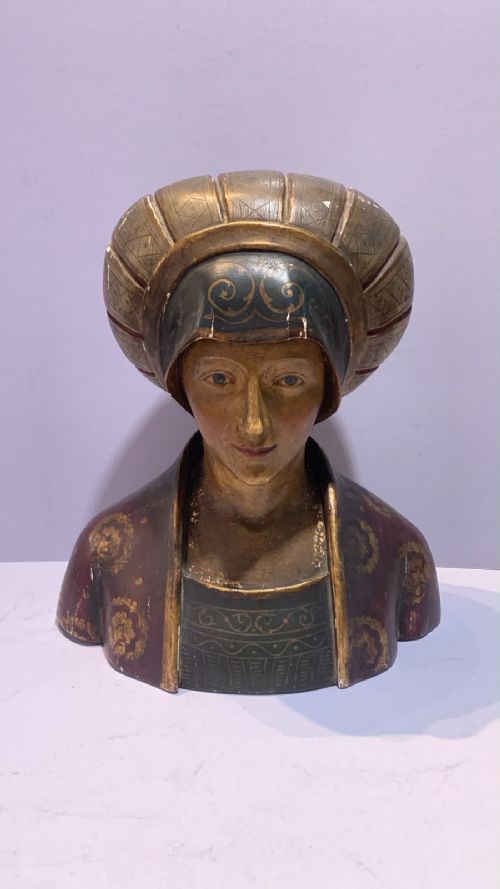
Secondary materials such as gesso, gold leaf and wood support specific forms like pedestals and wall panels. Plaster and spelter also served as accessible mediums for sculptural copies after antique originals.
Classical Revival Sculpture Retail Price Guide 2026
Typical asking prices for classical revival sculpture among the pieces listed under this phrase on Sellingantiques today, from the lower quarter to the upper quarter. They describe what is for sale here now, not the wider market.
Listings feature nineteenth-century materials including bronze, marble, terracotta, wood and plaster across various revival styles.
Factors of quality
The choice of base material influences the overall merit, with dense marbles adding stability and visual weight to smaller statuettes. Finer patination displays subtle tonal gradations rather than a uniform dark coating.
Thomas Hope·Duchemin·Eugene Barillot·Barbedienne·Eden Antony Paul Noel
The Classical Revival Sculpture Glossary
- Grand Tour
- A nineteenth-century travel souvenir purchased by wealthy tourists visiting classical sites in Italy. These miniature bronzes and marbles replicated famous antiquities.
- Patinated Bronze
- Metal treated with chemicals to produce a stable surface colour ranging from green to deep brown. This finish protected the metal while mimicking aged artefacts.
- Lost-Wax Casting
- A method where a molten metal is poured into a mould created by melting away a wax model. This technique allowed for intricate detail in figural sculpture.
- Relief Sculpture
- Carving where figures project slightly from a flat background. Marble and wood panels frequently employed this technique for narrative scenes.
Classical Revival Sculpture: Frequently Asked Questions
What is a grand tour sculpture?
Grand tour sculptures are nineteenth-century reductions of famous ancient Greek and Roman artworks. Travellers collected these portable bronzes and marbles as cultural mementoes.
Foundries in Italy and France specialised in producing these accurate miniature copies for the international market.
How do you date these pieces?
Dating relies on stylistic clues, foundry marks and the type of material used. Most examples date from the nineteenth century during the Victorian and grand tour eras.
Patination styles and base stones also provide helpful chronological indicators for nineteenth-century workshop production.
Where were these sculptures displayed?
Victorian collectors placed these figures on mantelpieces, desks and dedicated pedestals within domestic libraries or drawing rooms. Bronze busts and allegorical figures served as symbols of classical education.
Pairs of statuettes frequently anchored clock sets or flanked decorative mirrors on fireplace mantels.
What is patinated bronze?
Patinated bronze refers to metal treated with chemical solutions to alter its external colour. This process created rich brown, green or black surface tones.
Foundries applied patination to simulate the appearance of ancient buried bronze or to highlight sculptural contours.