




Academic Bronze Figure
An academic bronze figure brings classical narrative and rigorous nineteenth-century foundry skill straight into a modern interior.
Academic Bronze Figure
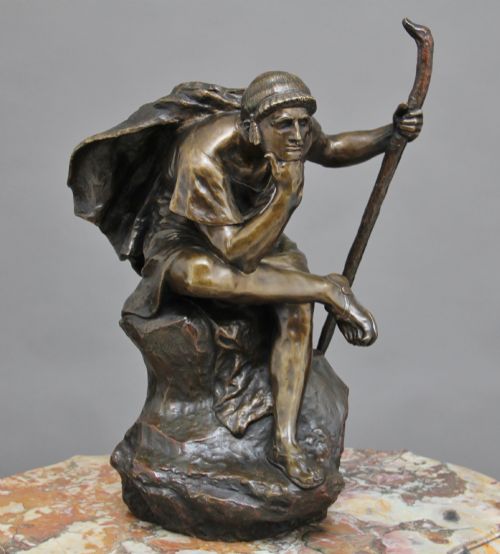
An academic bronze figure represents historical, mythological or classical subjects executed according to the strict standards of nineteenth-century European art academies. These works translate classical mythology, literature and heroic narrative into three-dimensional metal sculpture.
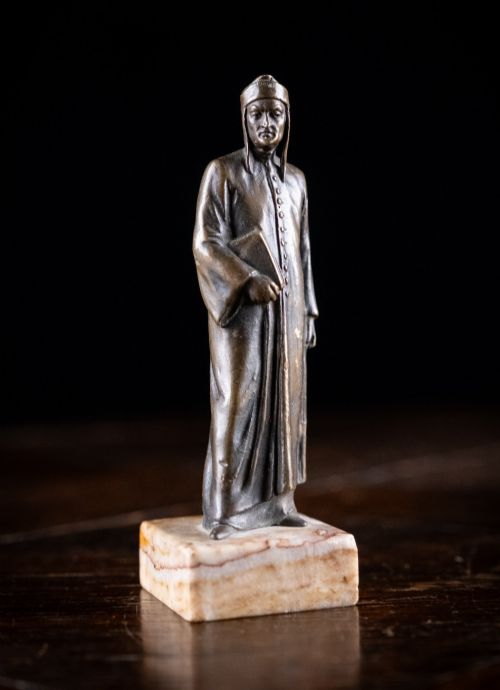
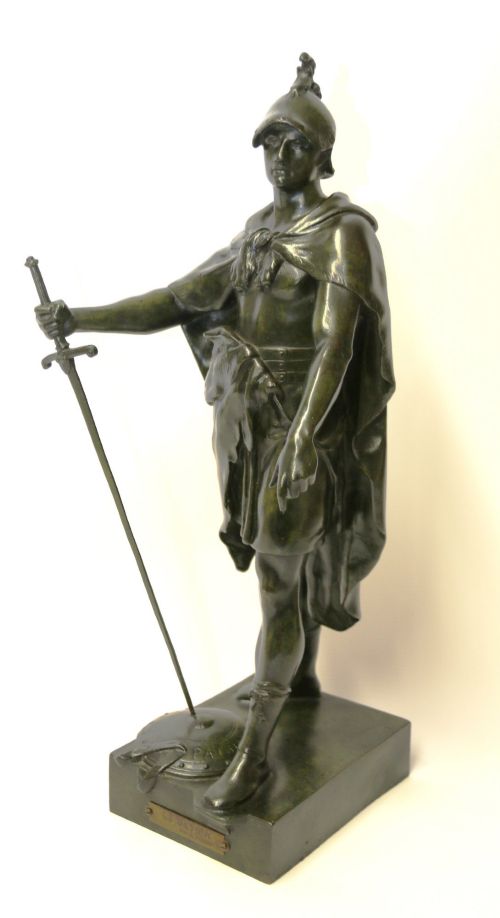
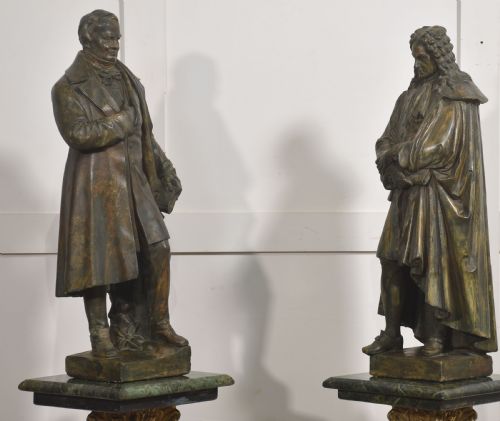
The versions most commonly met on this page originate from French workshops spanning the Victorian era up to around nineteen-thirty. They typically depict historical rulers, literary figures like Dante or Milton, and allegorical subjects mounted upon integrated bases.
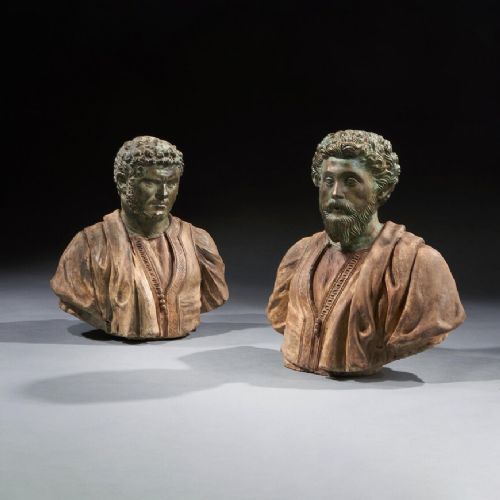
Makers ranged from individual celebrated sculptors to large commercial foundries producing reduced-size cabinet bronzes for domestic display. Collectors encounter both full-scale statuary and portrait busts cast in patinated metal.
Foundry Techniques and Materials
Foundries primarily utilised the lost-wax method or sand-casting techniques to capture intricate muscular detail, flowing drapery and facial expressions. Molten bronze was poured into moulds derived from original plaster models created by the sculptor.
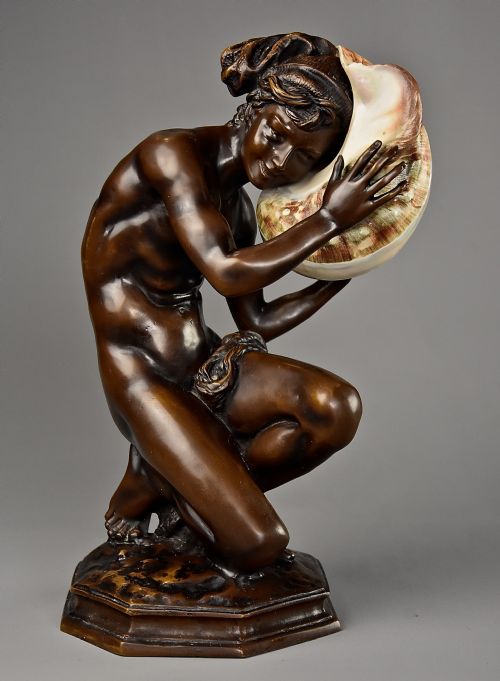
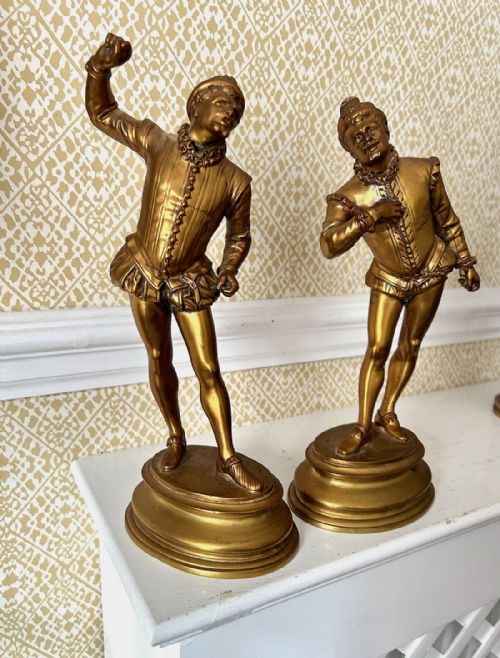
Surfaces were frequently finished with chemical patination treatments yielding dark brown, golden or verdigris tones. Gilt bronze was also employed to highlight specific vestments or decorative elements.
Heavier compositions incorporated matching marble plinths or bases to support the considerable weight of the metal sculpture.
Sculptural forms represented on this page include full-length figures, portrait busts, table lamps, and figural pairs.
Distinguishing Quality in Castings
The depth and uniformity of the chemical patina indicate foundry expertise, where inferior examples show flat colour or patchy application. Casts overseen directly by the original artist or executed by premier reduction houses command greater artistic respect.
The structural integrity of the mounting, particularly the union between the heavy metal figure and its marble or bronze base, distinguishes masterworks from ordinary commercial production.
Émile Louis Picault·Jean-Baptiste Carpeaux·Julien Lorieux·Antonin Mercié·Emile-Coriolan Guillemin·Charles Anfrie·Edouard Drouot·Justo de Gandarias·S. Kinsburger·Jean Jules Salmson·Claudius Marioton·Auguste Moreau·Charles Arthur Bourgeois·Barbedienne·Raoul Francois Larche·Houdebine·Ernest-Eugène Hiolle·Devaulx·Albert Carrier-Belleuse·Emile Laporte·E. Laurent
The Academic Bronze Figure Glossary
- Patina
- The surface coloration and skin developed on bronze through chemical treatment or natural oxidation. This layer protects the metal and defines the visual warmth of the sculpture.
- Lost-wax casting
- A historic process where a wax model is melted from a ceramic mould to leave a cavity for molten bronze. This technique allows for extreme fidelity to the sculptor's original touch.
- Grand Tour
- The nineteenth-century tradition of wealthy travellers collecting classical antiquities and smaller bronze reductions across Europe. These souvenirs formed the basis of many private cabinet collections.
- Chasing
- The meticulous cold-working of a raw bronze casting using chisels and punches to refine details and remove foundry seams. Fine chasing separates standard commercial editions from exhibition pieces.
- Reduction
- A smaller-scale cast made after a larger public monument or master model, utilising a mechanical pantograph device. This process made monumental academic sculpture accessible for domestic interiors.
Academic Bronze Figure: Frequently Asked Questions
What subjects do these figures show?
These sculptures depict historical commanders, mythological heroes, literary protagonists, and classical allegories such as victory or labour. Subjects often reference specific texts or historical moments known to nineteenth-century academy audiences.
Representations range from Roman soldiers and mythological figures like Oedipus to poets and musicians, reflecting the broad intellectual interests of the Victorian period.
How do I care for a bronze sculpture?
Maintenance requires only occasional dusting with a soft, dry cloth to prevent particulate accumulation on the patinated surface. Avoid chemical cleaners or abrasive polishes which can strip the original chemical finish.
Maintaining stable indoor humidity protects any integrated marble bases from moisture absorption and structural strain.
Are signature stamps reliable?
Foundry stamps and artist signatures cast into the metal provide strong indicators of origin, though posthumous casts also carry original signatures. Comparing the mark against known foundry records helps verify the period of production.
Signatures must be evaluated alongside the sharpness of the casting and the quality of the chasing rather than viewed in isolation.
How were these figures displayed originally?
Nineteenth-century collectors typically placed cabinet bronzes on library tables, mantelpieces, or dedicated pedestals within studies and drawing rooms. Larger works served as focal points in entrance halls and formal reception rooms.
Marble bases were selected to elevate the metal sculpture and provide stability on wooden furniture surfaces.