



19th Century Bronze Nude
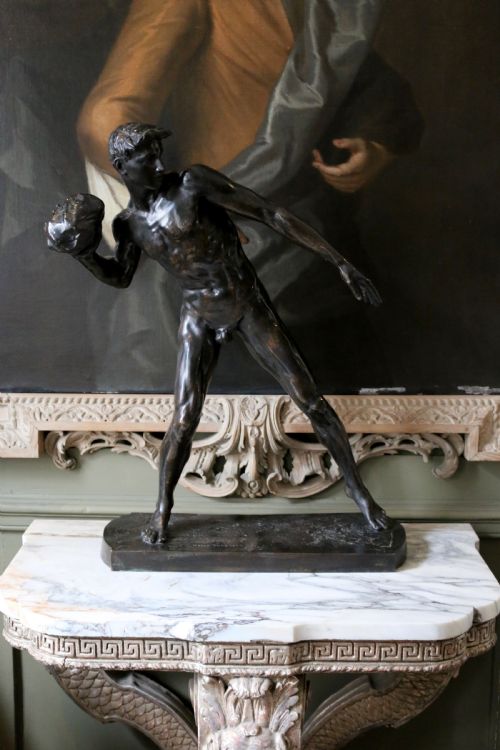
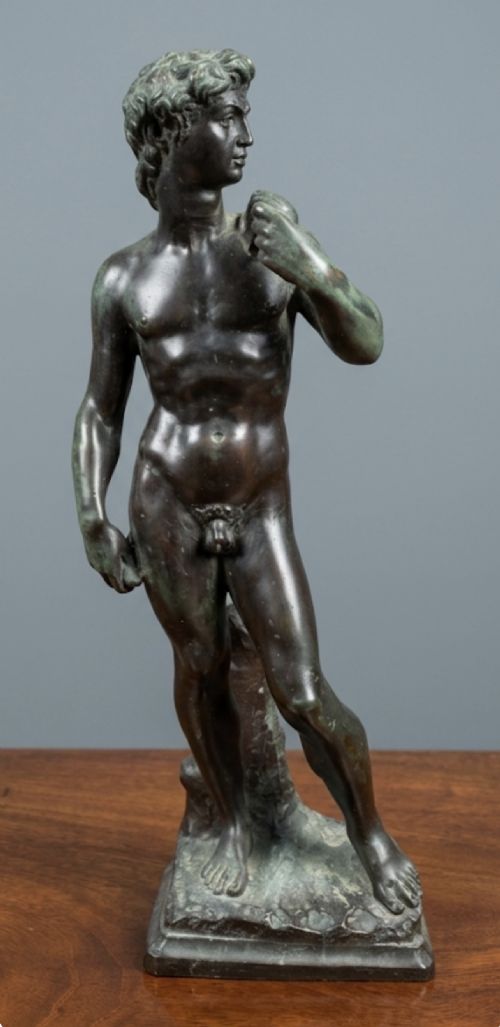
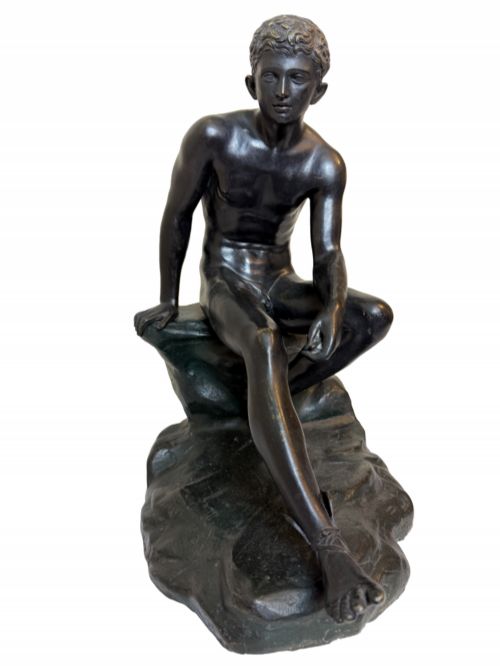
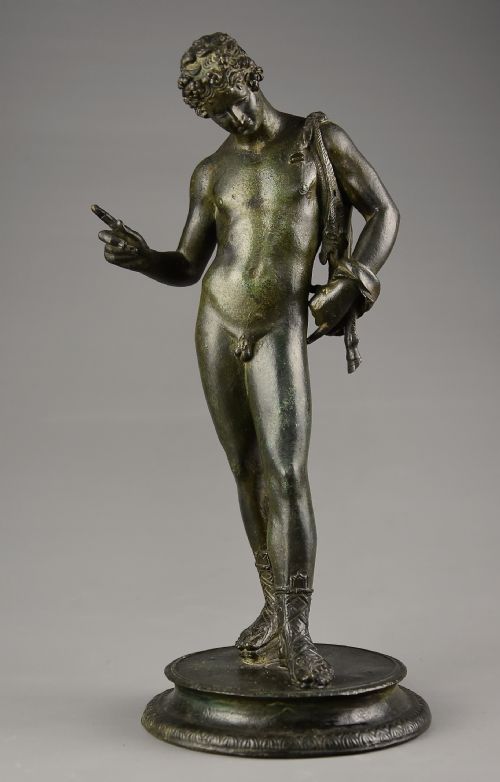
These are 19th century bronze nude sculptures, capturing classical myth and human form through foundry work that brings ancient subjects into the Victorian parlour.

19th Century Bronze Nude
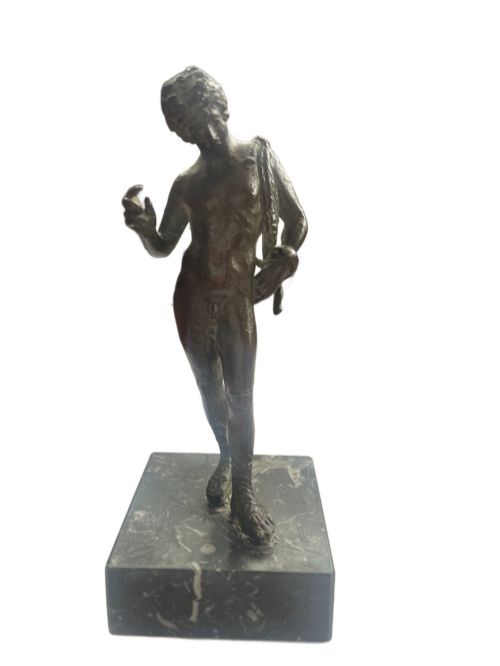
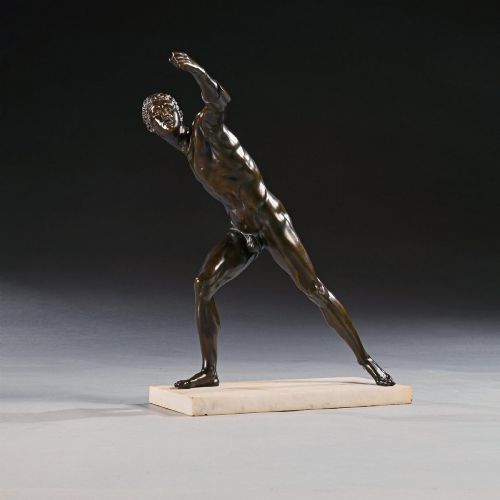
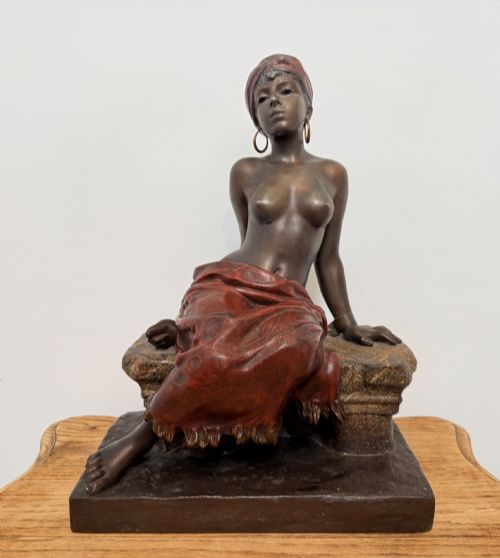
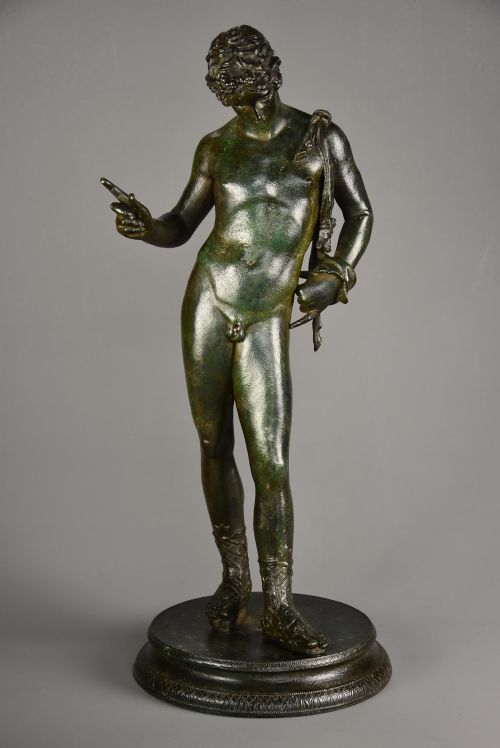
A 19th century bronze nude represents figures drawn from classical antiquity, mythology, and academic sculpture, often modelled as reduced-scale souvenirs for travellers on the Grand Tour or as gallery bronzes by European founders. You encounter figures like Narcissus, the Dancing Faun of Pompeii, and various classical maidens and athletes.
The objects take the form of freestanding cabinet sculptures, large-scale gallery pieces, and functional items such as bookends. Many stand upon integral or separate bases made of marble, fossil marble, slate, or stone.
Materials and technique
The primary material is cast bronze, frequently finished with patination ranging from dark green to deep brown, and occasionally accented with parcel-gilt details.
Foundries employed the lost-wax method or sand casting to produce these figures, mounting them on heavy bases of marble, slate, or stone to provide stability and visual weight.
Listings span the nineteenth century from 1850 through the Art Nouveau period to 1920, utilising bronze, marble, slate, and fossil marble.
The division of quality
The choice of base materials and the subtlety of the chemical patination separate standard foundry output from the heavier, more meticulously finished pieces produced by prominent founders and named sculptors.
Ferdinand Barbedienne·E Villanis·Hamo Thornycroft·James Pradier·Susse Freres·Franz Iffland·Michele Amodio
The 19th Century Bronze Nude Glossary
- Grand Tour
- A traditional trip through Europe undertaken by upper-class Europeans, during which travellers acquired bronze souvenirs cast after ancient statuary.
- Patination
- The chemical treatment applied to the surface of the bronze to produce a specific colouration, such as green or dark brown.
- Parcel-gilt
- A decorative technique where selected areas of the bronze surface are partially gilded with gold leaf.
- Fossil marble
- A type of limestone containing visible ancient organic fossils, frequently utilised for the mounting bases of classical figures.
19th Century Bronze Nude: Frequently Asked Questions
What is a Grand Tour bronze?
A Grand Tour bronze is a souvenir cast in Italy or France during the nineteenth century, reproducing famous classical sculptures discovered during archaeological excavations.
Travellers bought these figures to display their classical learning and appreciation of ancient art upon returning home.
Why are so many figures mounted on marble?
Foundries mounted these bronzes on heavy stone bases like marble, fossil marble, and slate to anchor the composition and provide a formal plinth.
This method mirrors the presentation of museum antiquities and protects the underside of the metal casting.
How do I care for a patinated bronze?
Bronze requires minimal maintenance beyond occasional dusting with a soft, dry cloth to prevent the accumulation of grit in the crevices.
Avoid using liquid cleaners, polishes, or oils, as these substances can damage the chemical patination on the surface.
How can I identify the subject of a sculpture?
Subjects are typically identified through classical attributes, such as the panther accompanying Ariadne or the clappers held by the dancing faun.
Inscribed titles on the base or records of ancient prototypes also clarify which mythological figure or antique statue is represented.