






Classical Bronze Woman
These classical bronze woman sculptures bring ancient dignity and sculptural grace into a room.
Classical Bronze Woman
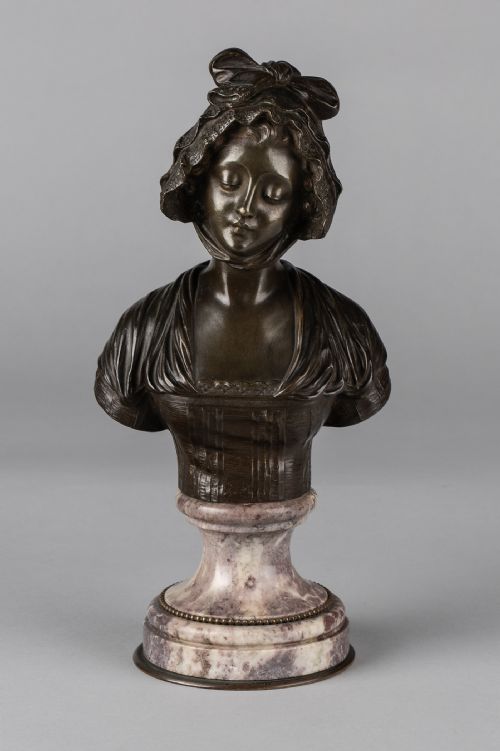
When you search for a classical bronze woman, you find figural sculpture ranging from full standing figures to busts and mythological subjects. The offerings span the nineteenth century and the early twentieth century, with a strong presence of French foundry work.
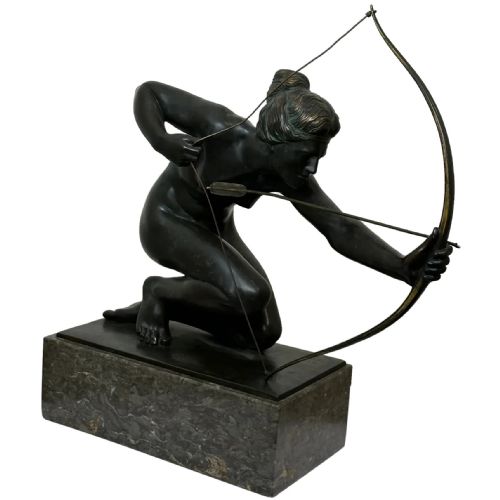
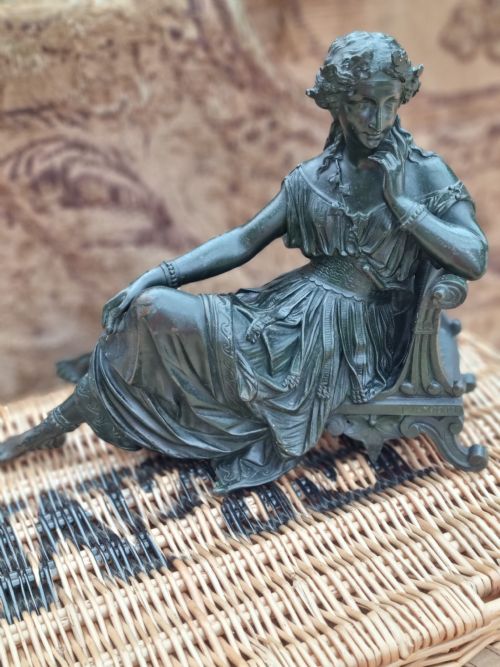
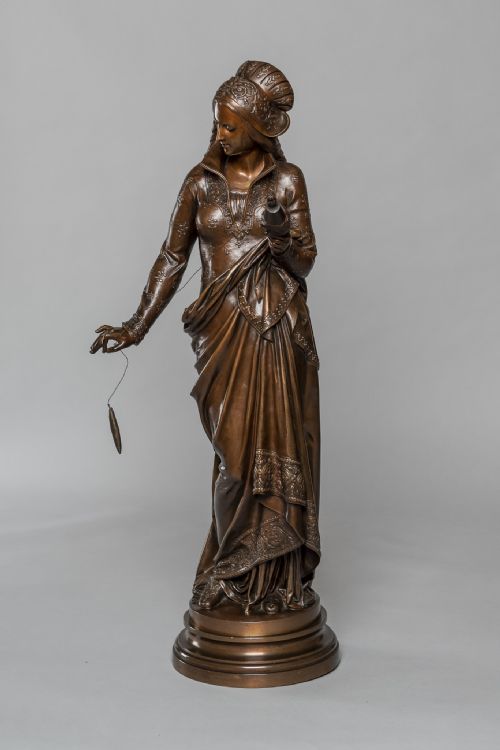
Most pieces draw on classical antiquity, depicting goddesses, mythological narratives or idealized female forms. You encounter subjects like Diana with her bow, figures after Giambologna, and allegorical studies such as meditation or spinning.
While solid cast bronze is common, the inventory also includes bronzed terracotta, plaster, and mixed media utilising marble bases. These works vary from cabinet statuettes to substantial nineteenth-century French salon bronzes.
Materials and casting methods
Foundries utilised the lost-wax casting method or sand casting to achieve fine detail in bronze. Metalworkers then applied patination, ranging from warm golden tones to deep brown and green finishes, often highlighting hair, drapery, and flesh.
Sculptors frequently mounted their metal figures on red marble or standard marble bases to add weight and visual contrast. Alternative materials in the evidence include plaster and terracotta, which received similar bronzed or painted surface treatments.
One unfortunate maiden in the collection faces a permanent surprise, caught mid-strike by a bronze snake.
Assessing sculptural quality
The reputation of the sculptor and the standing of the foundry dictate desirability. Signed pieces by established nineteenth-century French artists carry stronger attribution, while anonymous workshop casts rely entirely on their intrinsic aesthetic merit and cast execution.
Maurice Bouval·R Henn·Pierre Hebert·Devaulx·Albert Carrier Belleuse·E Laurent·Moreau·Henri Ple
The Classical Bronze Woman Glossary
- Patination
- The chemical treatment or natural ageing process applied to the surface of bronze to create colour and tone. A rich patina enhances the perceived depth and warmth of the metal.
- Lost-wax casting
- A traditional method where a wax model is melted out of a ceramic mould and replaced with molten metal. This technique allows for intricate undercuts and delicate detail.
- Terracotta
- Fired clay used as a primary sculptural medium or as a base for metallic paint finishes. It offers a warmer, earthier alternative to cast metal.
- Neoclassical
- A style reviving the art and culture of ancient Greece and Rome. Figures from this movement display balanced proportions, calm expressions, and classical drapery.
- Chasing
- The manual finishing process where a metalworker refines the surface of a raw casting using hammers and punches. Good chasing brings out the subtle textures of skin and fabric.
Classical Bronze Woman: Frequently Asked Questions
How do I clean a bronze figure?
Dust gently with a soft brush and avoid commercial polishes that strip the original patina.
Applying a microcrystalline wax occasionally protects the metal surface from atmospheric moisture.
Are these pieces solid bronze?
Many nineteenth-century sculptures are hollow-cast to reduce weight and metal usage while maintaining structural stability.
Heavier bases of marble or slate are often added to counterbalance the figure.
How do I identify a signature?
Signatures are typically cast directly into the bronze base or inscribed into the metal while the material is still warm.
Compare the signature style with known records of nineteenth-century French foundry artists.
Where should I display a sculpture?
Place the piece on a stable console table or mantelpiece away from direct sunlight and damp environments.
Ensure the viewing height allows you to appreciate the facial expression and details of the casting.