




Antique Monkey Sculpture
An antique monkey sculpture brings playful character and fine craftsmanship into a room, spanning delicate porcelain and robust cast bronze.
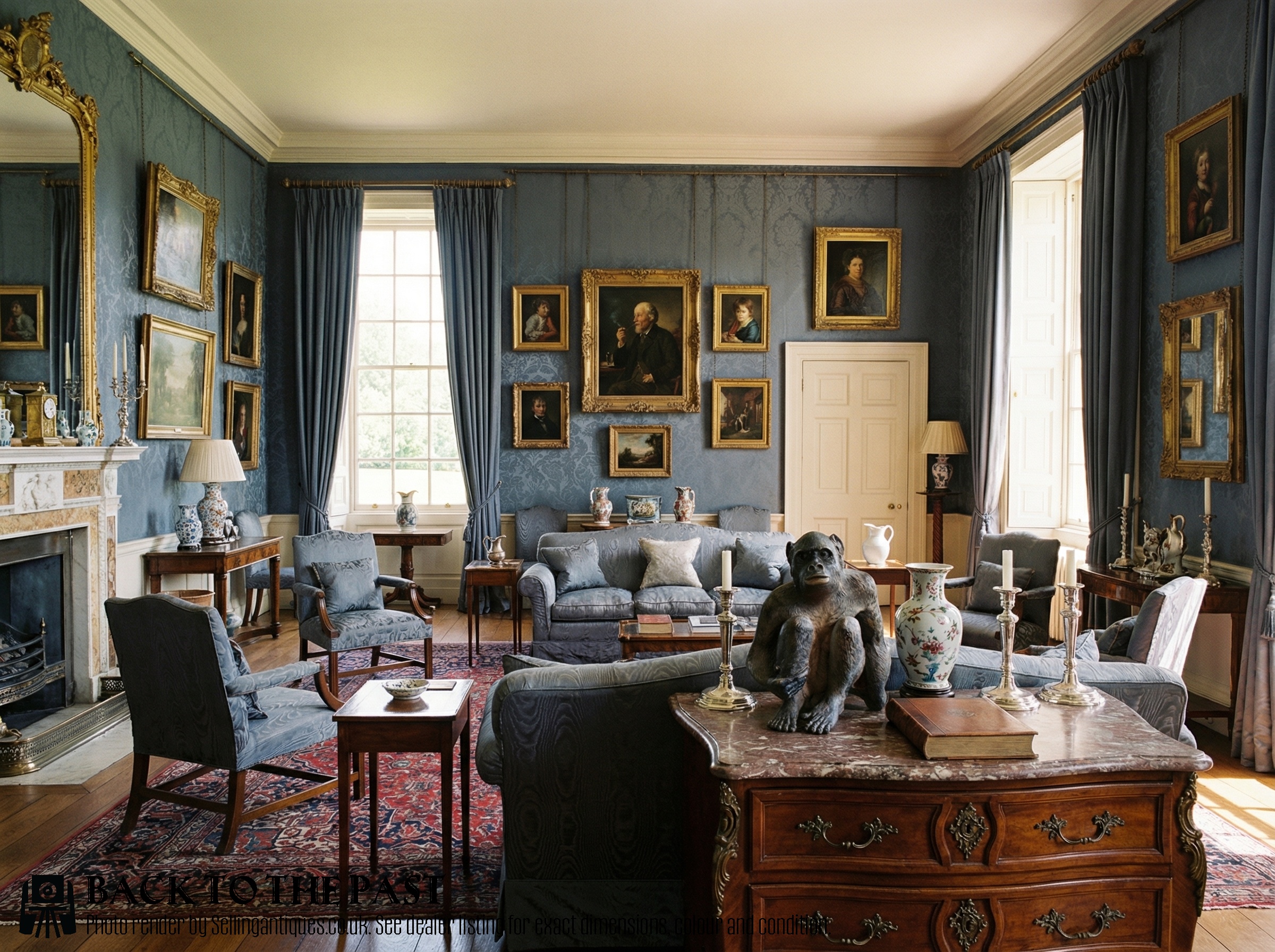
Antique Monkey Sculpture
An antique monkey sculpture encompasses a diverse array of figures, figurines, and functional items spanning several centuries and continents.
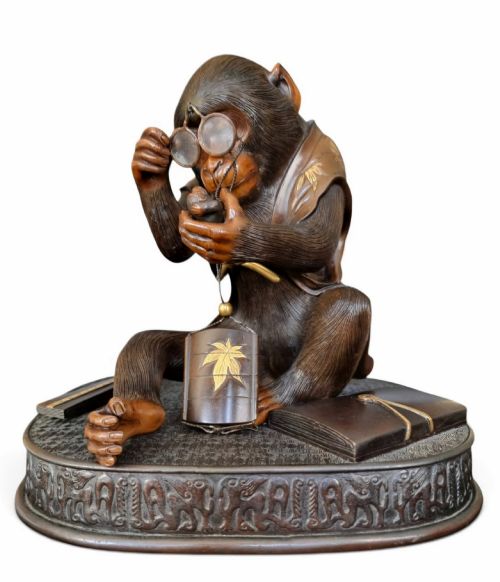
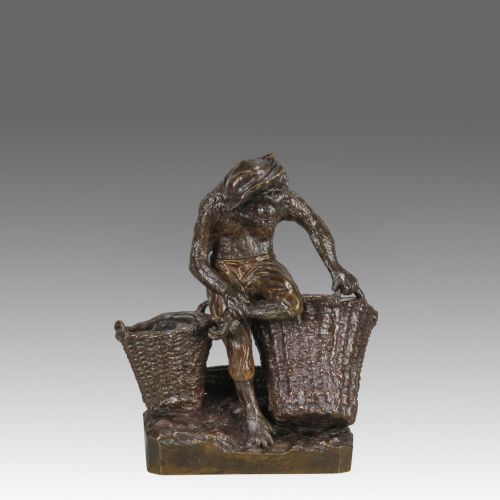
Buyers searching for an antique monkey sculpture will frequently encounter Japanese Meiji period bronzes, Chinese carved soapstone or wood groups, and European animalier casts.
These pieces range from desk accessories and dinner gongs to garden sculptures and shelf ornaments, reflecting both traditional craftsmanship and humorous novelty designs.
How They Were Made
Metal sculptures utilise traditional casting methods such as the lost-wax technique, often incorporating mixed metals, cold-painted finishes, or gold inlay to achieve intricate surface detail.
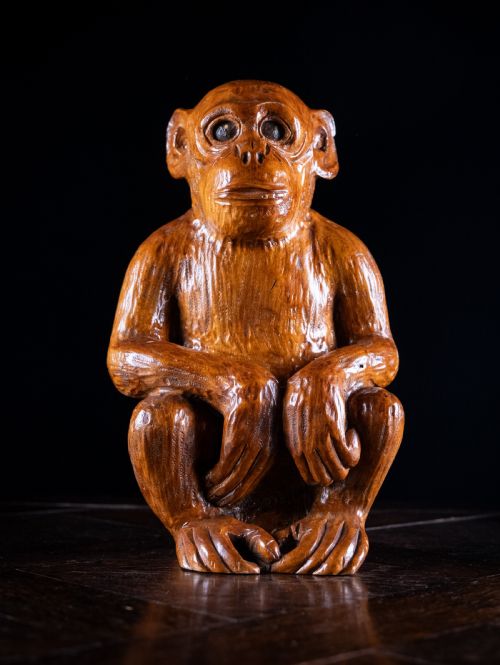
Carved pieces rely on skilled handwork using materials like hardwood, soapstone, mango wood, and terracotta, while ceramic examples employ hard-paste porcelain with coloured glazes.
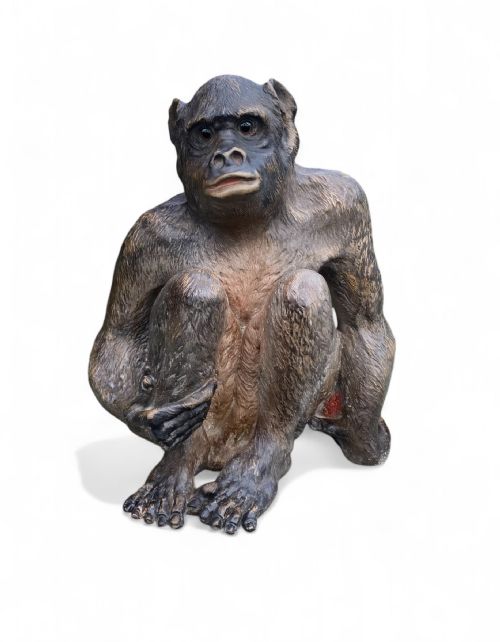
A thoughtful Victorian garden lead sculpture depicts a contemplative ape lost in deep reflection.
What Varies in Quality
Quality rests upon the naturalism and expressiveness of the carving or casting, distinguishing lively, anatomically convincing postures from stiff or mechanical representations.
The refinement of surface treatment, from the crisp tooling of mixed-metal fur to the delicate application of polychrome paint or glaze, marks the distinction between standard production and masterwork execution.
Christophe Fratin·Meissen·Paul Joseph Gayrard
The Antique Monkey Sculpture Glossary
- Animalier
- A nineteenth-century artistic movement dedicated to the realistic portrayal of animals. Sculptors in this style studied live subjects closely to capture movement and musculature.
- Meiji Period
- A Japanese era lasting from 1868 to 1912 noted for exceptional metalwork and ivory carving. Works from this time often display complex mixed-metal patination.
- Okimono
- A Japanese decorative freestanding figurine designed for display in a household alcove or room. These small sculptures exhibit meticulous attention to detail.
- Cold Painted
- A technique where paint is applied to bronze without heat firing. This method allows for vivid polychrome decoration on decorative metal objects.
- Hard-Paste Porcelain
- A durable ceramic composition fired at very high temperatures. It produces a hard, translucent body capable of holding sharp moulded details.
Antique Monkey Sculpture: Frequently Asked Questions
What materials are antique monkey sculptures made from?
These sculptures utilise a wide variety of materials depending on their geographic origin and period. Common mediums include cast bronze, mixed metals, hard-paste porcelain, soapstone, terracotta, and various hardwoods.
Some pieces incorporate glass eyes or intricate cold-painted colour finishes to enhance their lifelike appearance.
Were these sculptures used for practical purposes?
Many examples served a dual function beyond mere decoration. Artisans incorporated monkey figures into desk accessories, novelty inkwells, dinner gongs, and sculptural dishes.
These functional objects combine humour and utility, making them engaging conversation pieces for a study or dining room.
How do European animalier sculptures differ from other types?
European animalier bronzes focus intently on the naturalistic movement and behaviour of animals. Sculptors like Christophe Fratin captured subjects mid-action, such as racing horses or interacting with baskets.
These pieces rely on sculptural dynamism and expressive casting rather than static decorative form.