

Art Nouveau Maiden
When you handle an art nouveau maiden, you hold the flowing hair and organic lines that defined the turn of the twentieth century.
Art Nouveau Maiden
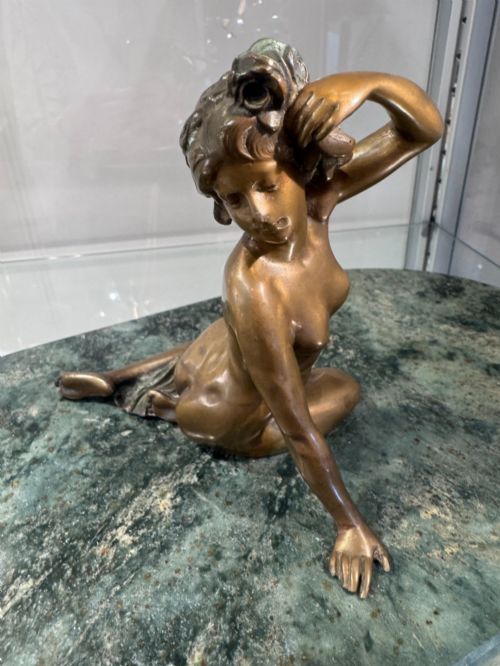
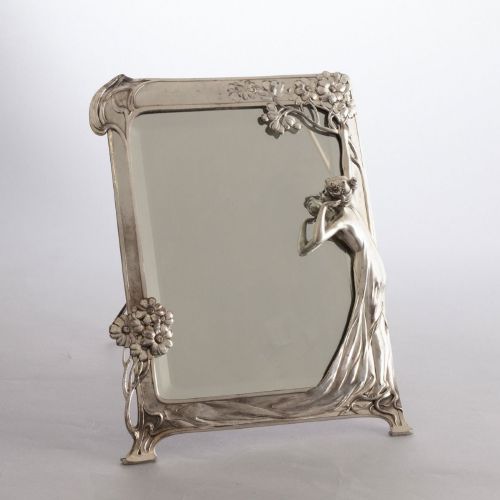
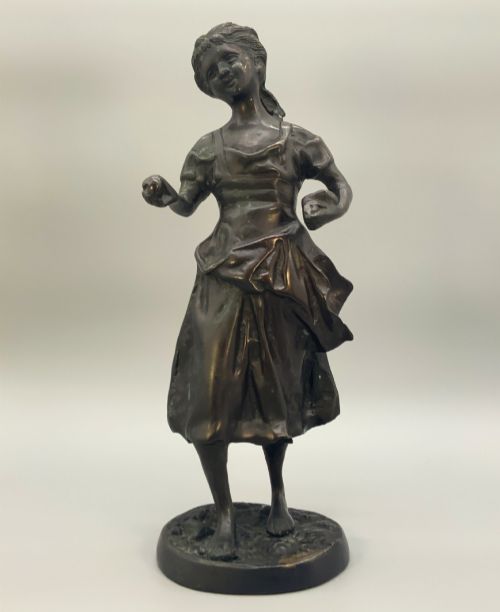
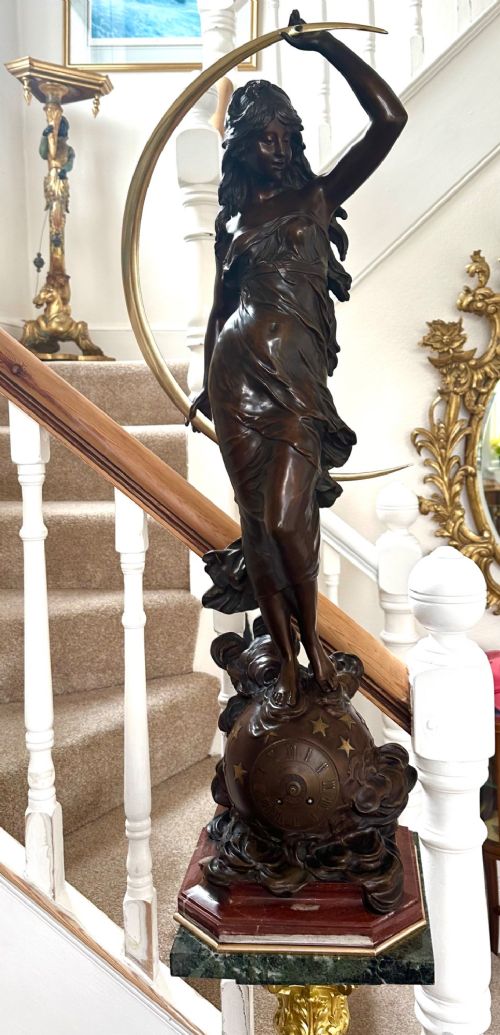
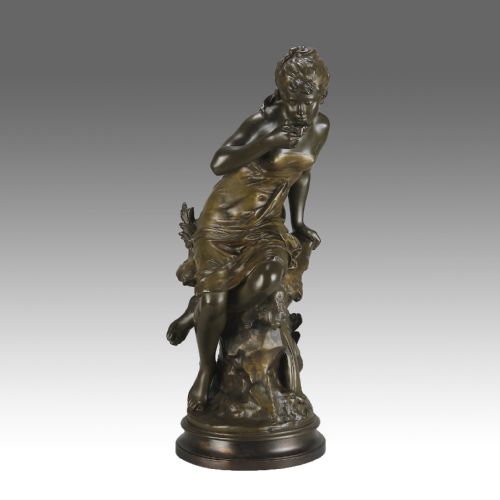
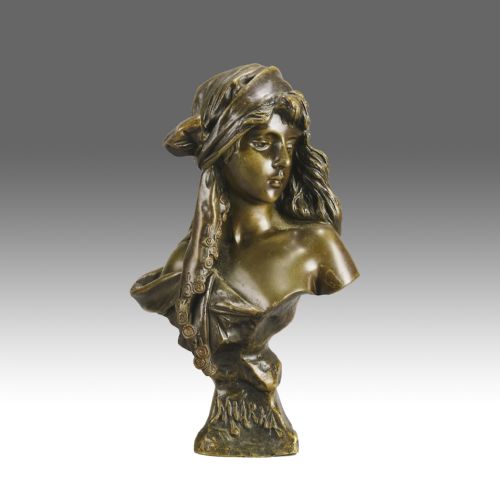
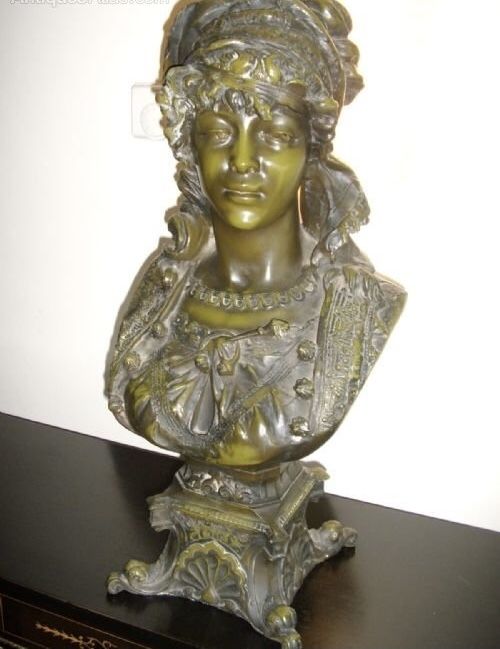
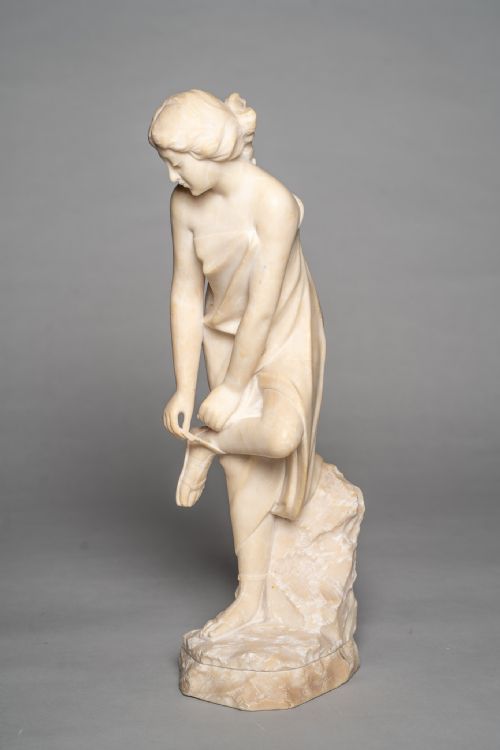
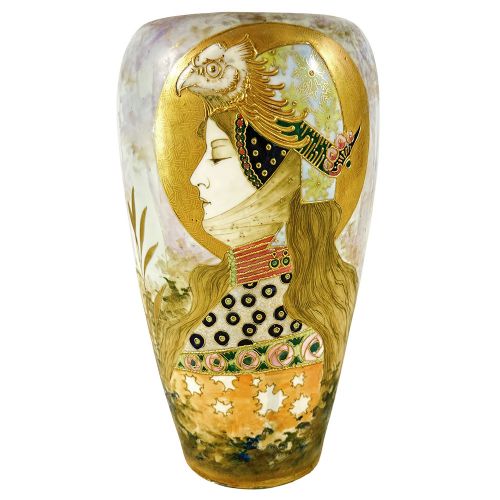
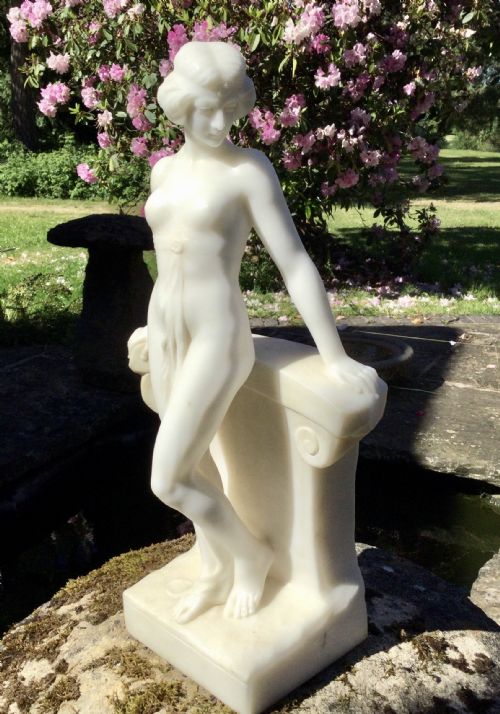
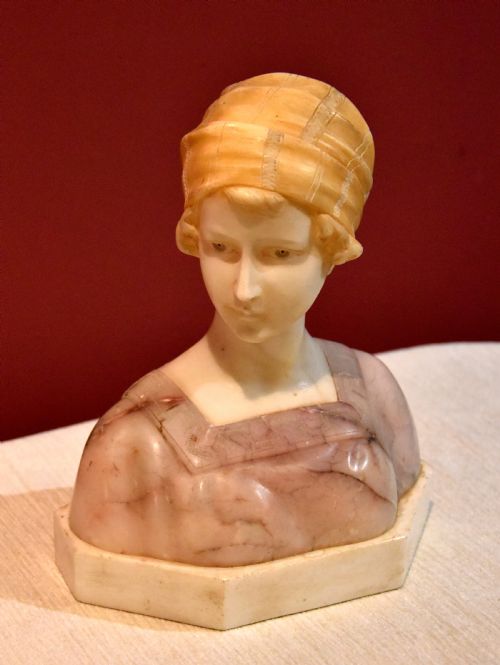
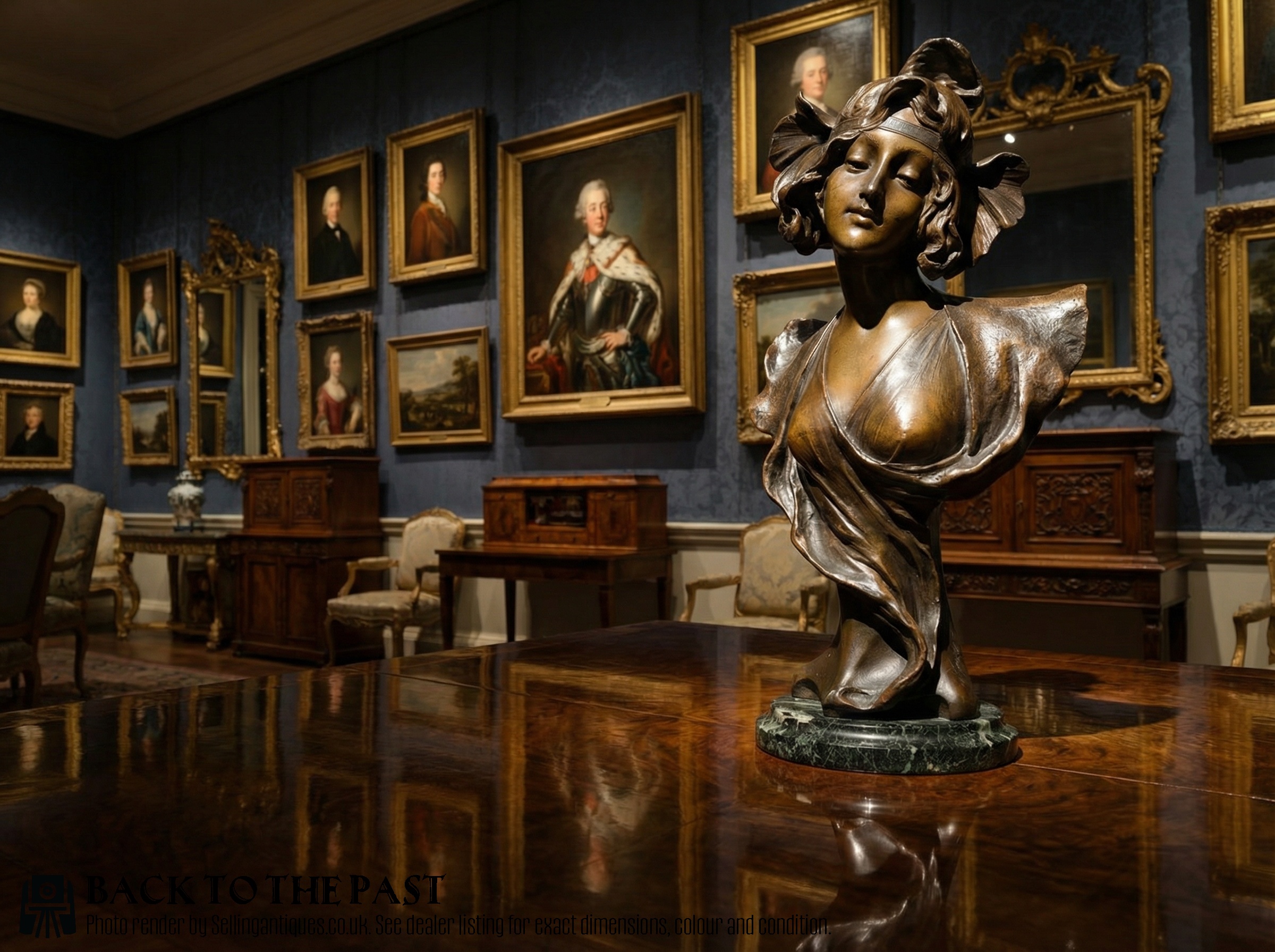
An art nouveau maiden encompasses sculptures, busts, vases, and functional household objects depicting female figures from the late nineteenth and early twentieth centuries. These pieces reflect the dominant aesthetic of the period, drawing heavily on natural forms, sweeping hair, and draped garments.
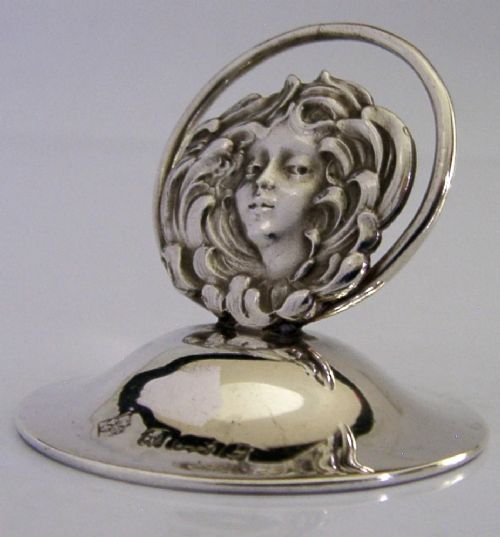
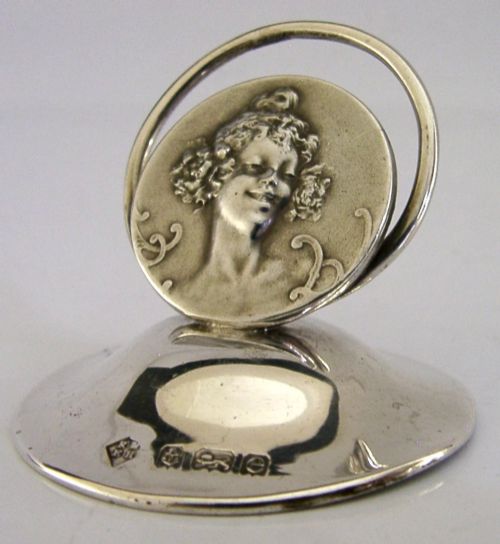
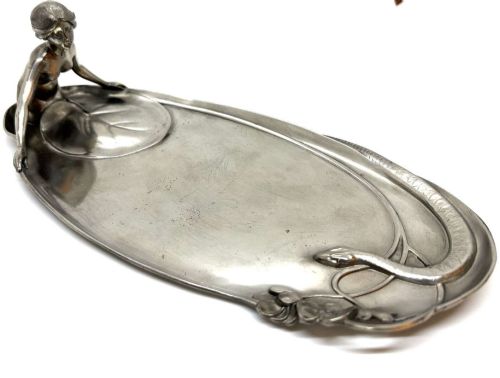
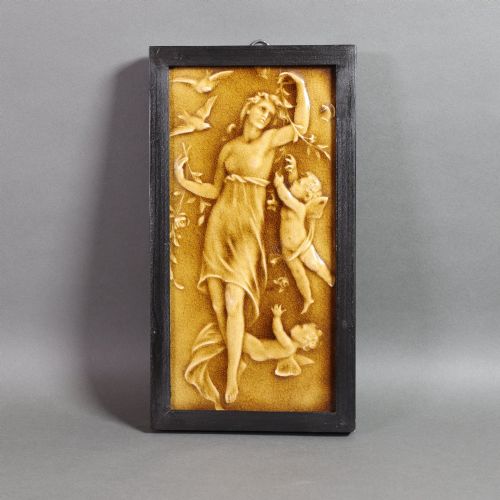
The selections available range from large bronze and marble sculptures to smaller pewter table wares, ceramic plaques, and silver menu holders. Pieces from makers like WMF and Royal Dux appear frequently, showing the widespread commercial reach of the style across Europe.
How They Were Made
Makers utilised traditional foundry methods for bronze and pewter, often casting metal from sculpted models before applying silver plating or patination. Pewter items by firms such as WMF demonstrate complex mould work that captured intricate hair and drapery details.
Ceramic and porcelain works relied on hand-painted glazes applied to earthenware or porcelain bodies, frequently associated with factories like Royal Dux, Ernst Wahliss, and Goldscheider. Sculptors also carved directly into natural materials like marble and alabaster to produce tactile busts and figures.
Victorian households utilised tiny silver maiden buttons to fasten garments before the objects found new life as collectable sewing accessories.
What Varies In Quality
The distinction between tiers rests upon the crispness of the casting and the sensitivity of the hand-finishing, particularly in the rendering of facial expressions and hair strands. Castings taken directly from original artist models retain sharper relief and deeper undercut details than later secondary casts.
In ceramics and glass, the execution of the hand-painting and the complexity of the glaze determine the calibre of the piece. Well-modelled limbs, balanced composition, and clear maker signatures or stamps elevate a work from standard factory output to a notable studio example.
Moreau Family·Mathurin Moreau·Emmanuel Villanis·Henry Wissen Senior·A. Gamay·Nicholas Kannhauser·Auguste Henri Carli·H. Schubert·Hans Müller·Charles Korschann·Georges Van Der Straeten·Ernst Wahliss
The Art Nouveau Maiden Glossary
- Patina
- The surface sheen or colour that develops on bronze or metal over time through age and handling. This thin layer helps authenticate older pieces.
- Pewter
- A malleable metal alloy composed primarily of tin, frequently utilised during the period for domestic vessels and decorative figures. WMF was particularly known for working with this medium.
- Terracotta
- Fired unglazed clay possessing a reddish-brown earthy tone. Sculptors utilised this material directly for original models and finished figures.
- Spill vase
- A small container designed to hold wooden matches or tapers for lighting lamps and fires. These objects often incorporated figural maiden designs.
- Candelabra
- A branched candlestick holder designed to support multiple candles. Art nouveau examples frequently integrated female figures into the central stem or base.
Art Nouveau Maiden: Frequently Asked Questions
What materials were used?
Makers utilised a diverse range of materials including bronze, pewter, porcelain, earthenware, marble, and alabaster. Silver plating and glass also appear frequently in table wares.
Selection depended on the intended function of the object, with metals suited for trays and mirrors, while ceramics and stone suited sculptures and vases.
How do I identify the maker?
Makers and factories often stamped, impressed, or signed their work on the base, reverse, or lower edge. Monograms, registry numbers, and foundry marks help confirm origin.
Famous firms like WMF and Royal Dux used distinct factory marks that evolved over decades, allowing collectors to date pieces accurately.
Are these pieces fragile?
Fragility varies significantly by material, with ceramics, glass, and alabaster requiring careful handling to prevent chipping. Metals like bronze and pewter are considerably more robust.
Display locations should avoid direct sunlight and rapid temperature changes to protect painted surfaces and delicate marble or alabaster components.
Where were they made?
Production centred largely in continental Europe, with major workshops operating in Germany, France, Austria, and Bohemia. Firms exported their decorative items widely.
French sculptors provided models for bronze foundries, while Bohemian and Austrian factories dominated large-scale ceramic and porcelain figure production.