

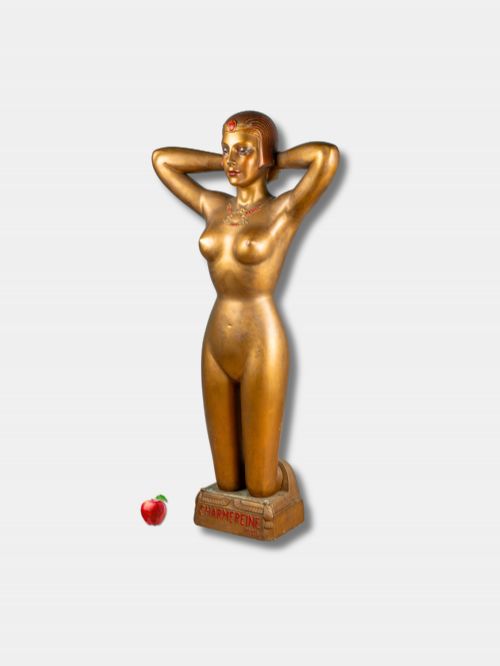
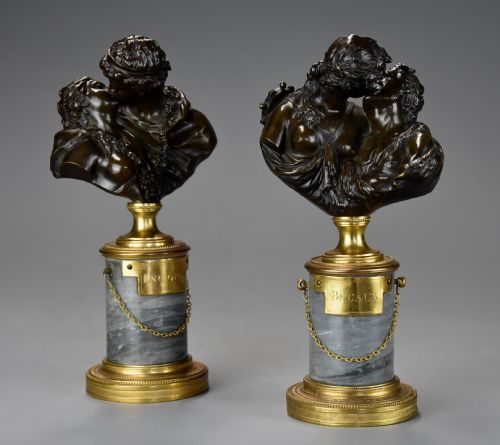
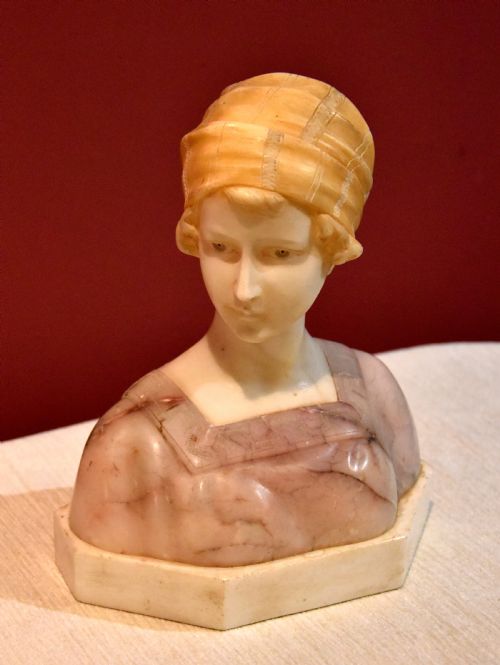
Antique French Bust
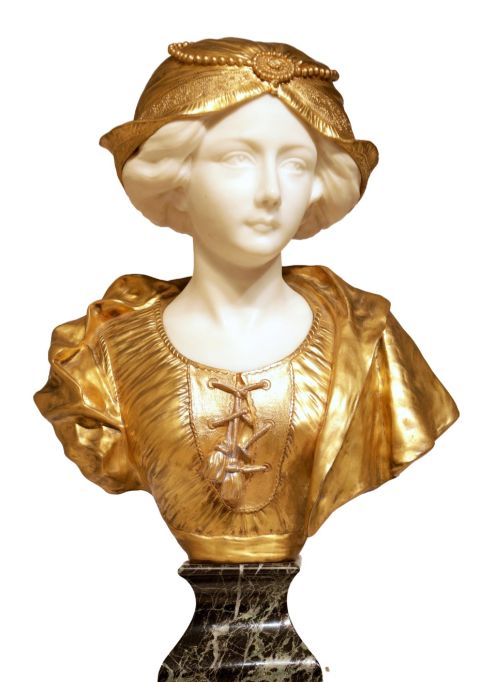
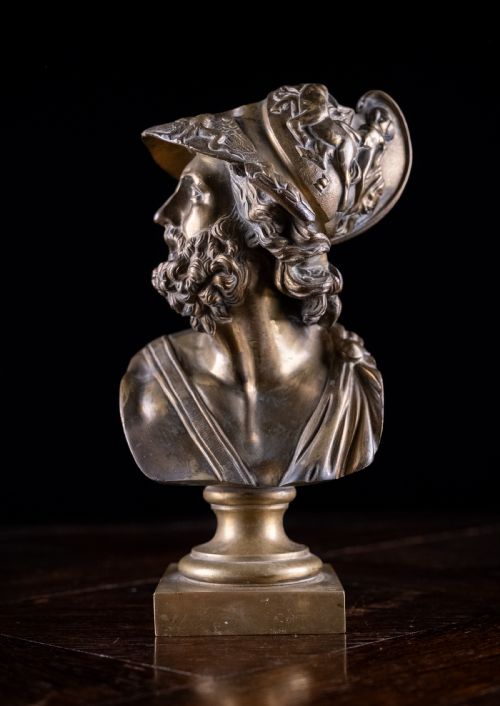
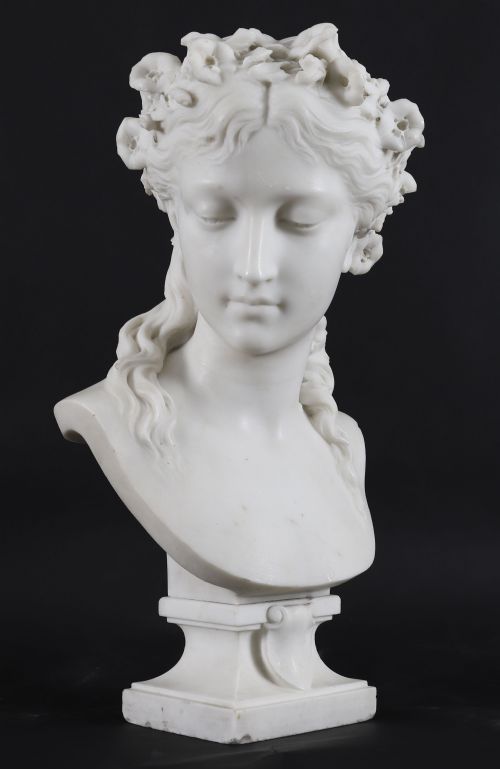
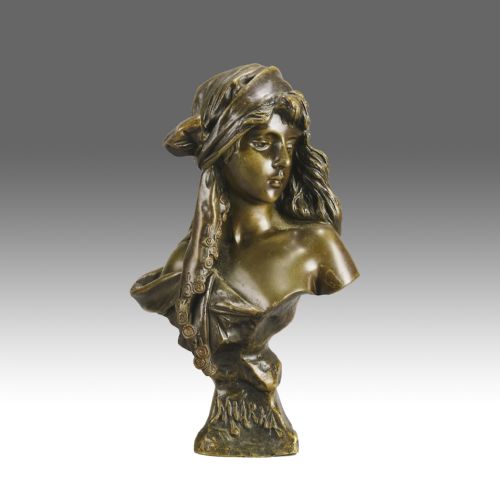
When you search for an antique french bust, you enter a world of sculpted portraiture in bronze, marble, and terracotta spanning the nineteenth and early twentieth centuries.
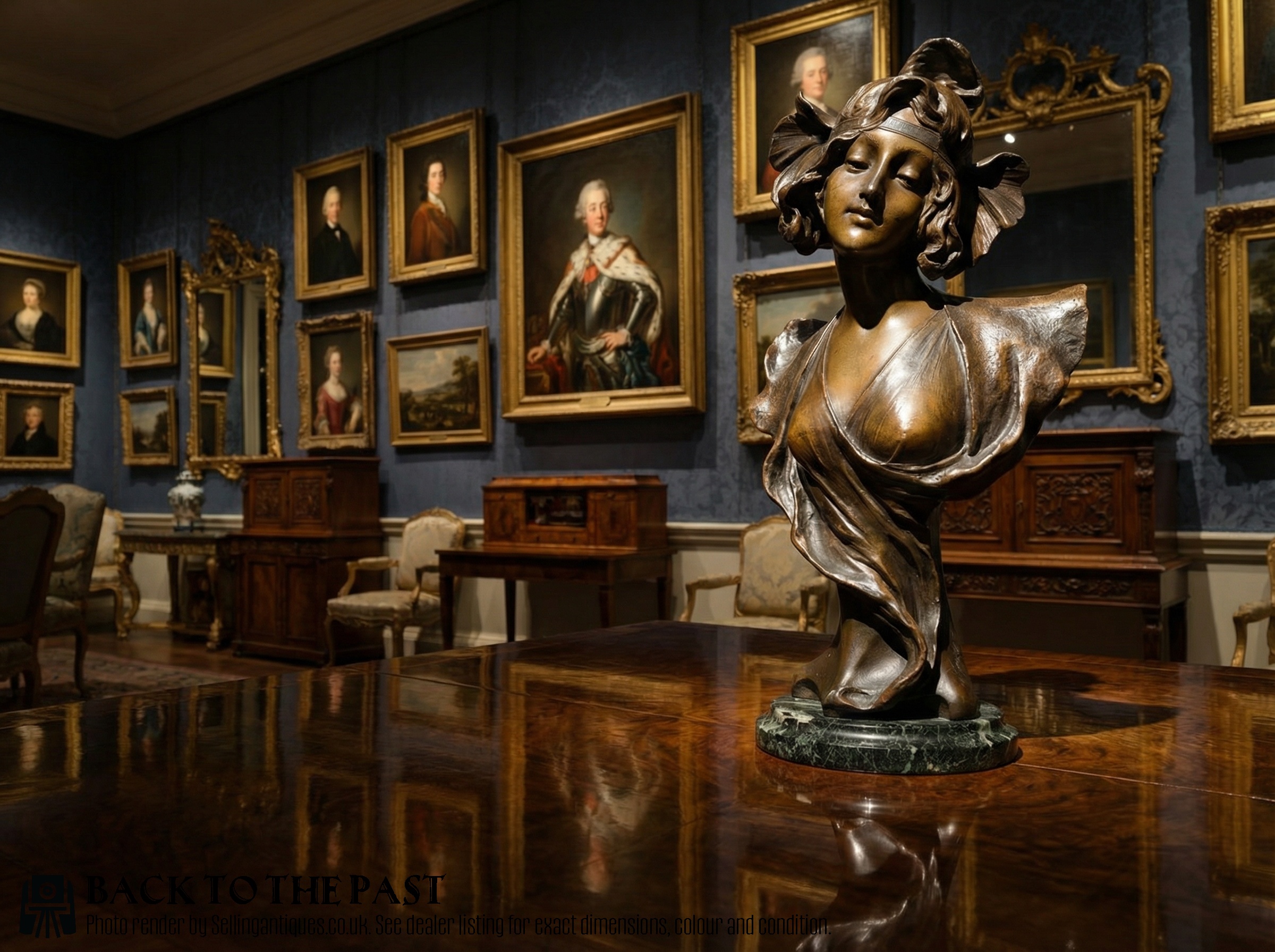
Antique French Bust
An antique french bust captures the likeness of historical figures, mythological deities, literary characters, and anonymous maidens in three dimensions. These portrait sculptures isolate the head, shoulders, and upper chest, often resting upon integrated plinths or separate pedestals of stone and wood.
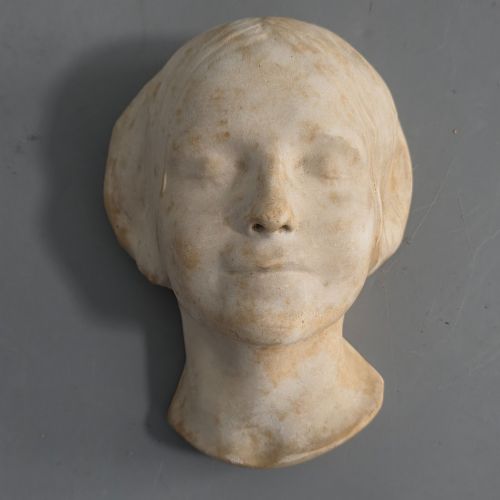
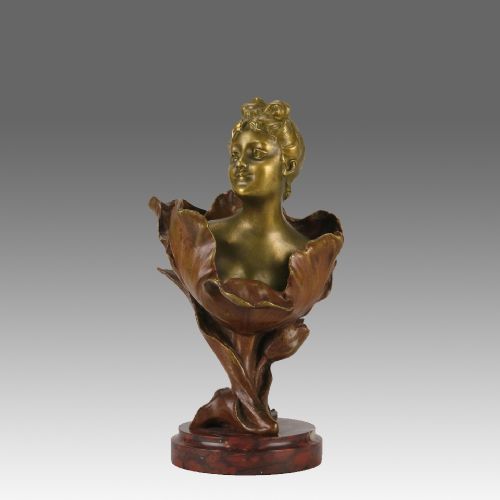
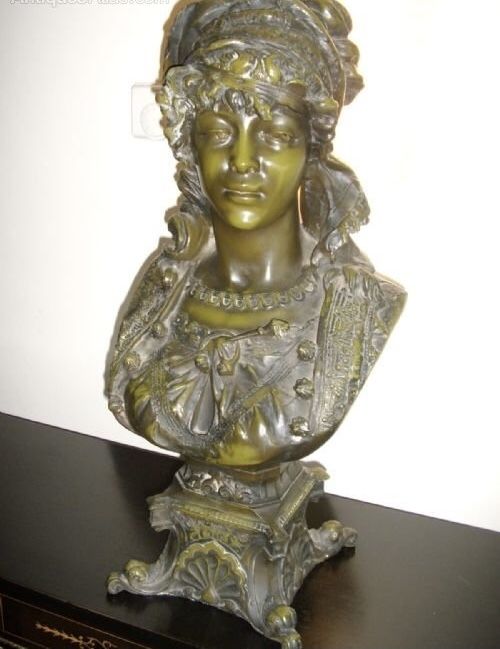
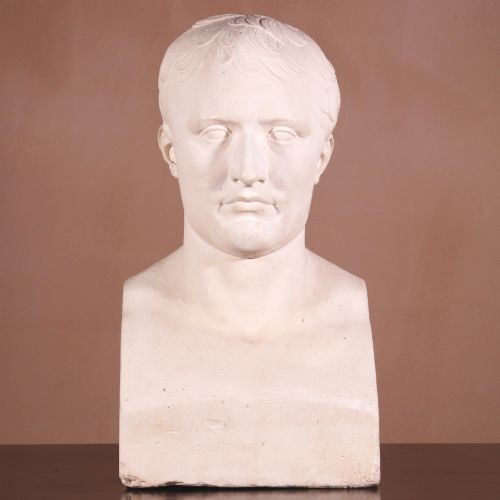
The pieces on this page draw from nineteenth-century academic traditions, neoclassical revivals, and organic art nouveau styling. Portraiture ranges from grand military leaders and classical emperors to poetic female allegories styled in bronze, marble, and terracotta.
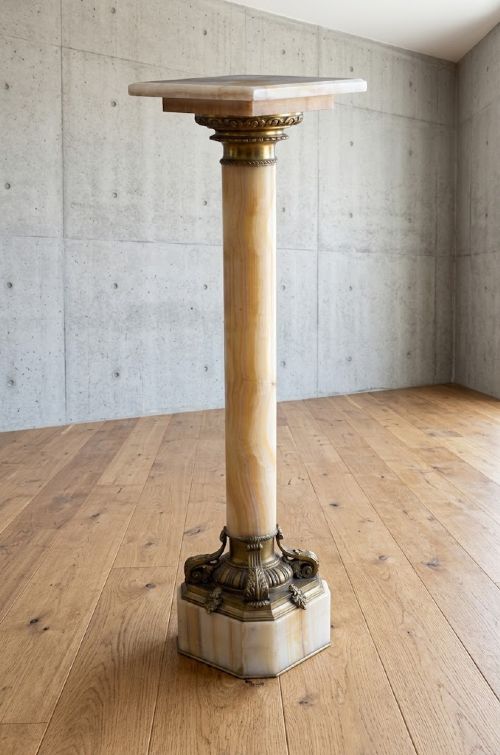
Makers utilised diverse materials to convey character, pairing patinated metals with white stone or mounting figures on marble columns. Collectors encounter both cabinet-sized portrait plaques and monumental library pieces created by prominent Parisian foundries and individual sculptors.
How they were made
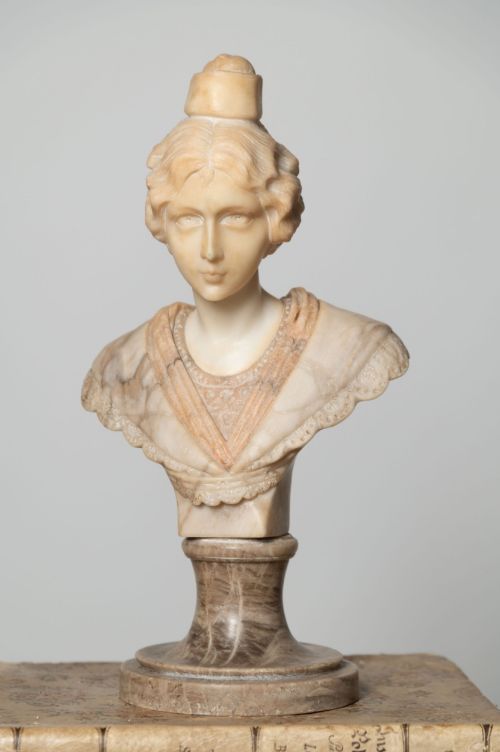
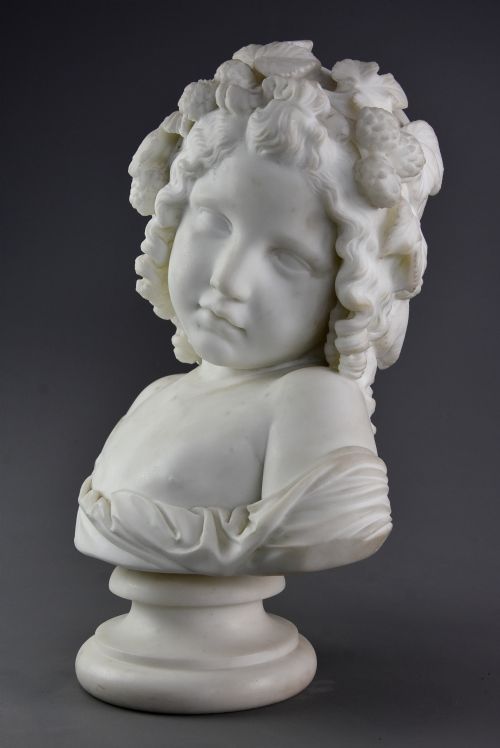
Foundries produced bronze and gilt bronze portraiture using the lost-wax casting method, followed by hand-chasing to refine surface details and apply chemical patinas. Marble and alabaster busts required meticulous hand-carving from quarried blocks, utilising pointing machines and fine chisels to achieve lifelike skin textures and flowing drapery.
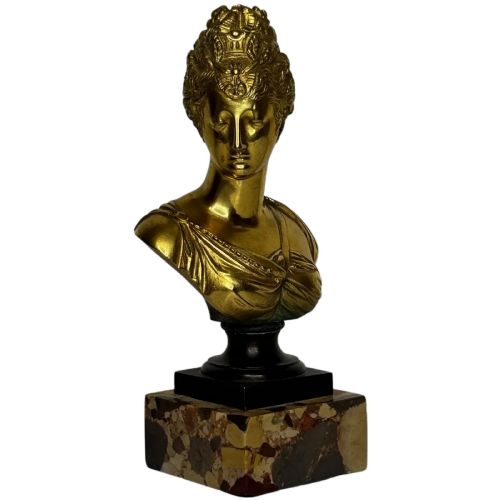
Terracotta and plaster sculptures involved pressing clay or pouring plaster into moulds before drying and firing or painting the surface. Artisans frequently combined media, mounting bronze subjects on variegated marble bases or adding ormolu collars and mounts to stone columns.
Listings demonstrate nineteenth-century and early twentieth-century production, spanning bronze, marble, terracotta, and carved wood.
What varies in quality
In carved stone pieces, the purity of the marble block and the sensitivity of the carving determine overall success. The integration between the bust and its supporting base, whether matched marble or complementary ormolu, dictates the elegance of the completed object.
Affortunato Gory·E Villanis·Eugene Aizelin·Emmanuel Villanis·Henri Godet·Auguste Henri Carli·Georges-Charles Coudray·Gilbert Privat·Emile Laporte·Mathurin Moreau
The Antique French Bust Glossary
- Ormolu
- Gilded bronze mounted on decorative objects and furniture. This technique involves applying a finely ground mercury and gold amalgam to cast bronze before heating.
- Terracotta
- Fired unglazed clay ranging in colour from buff to deep red. Sculptors utilised this porous material for expressive portrait models before final casting or as a finished medium.
- Alabaster
- A fine-grained translucent stone used for delicate portrait carving. Its softness allows for subtle gradations of light across sculpted skin.
- Plinth
- The flat base upon which a bust rests. These architectural supports elevate the portrait sculpture and provide balance to the composition.
- Spelter
- A zinc alloy used as an economical alternative to bronze. Foundries frequently patinated these metal figures to imitate genuine bronze casting.
Antique French Bust: Frequently Asked Questions
How do I identify art nouveau pieces?
Art nouveau portraiture incorporates flowing organic lines, stylized hair, and flora motifs such as flowers and cascading drapery. Subjects often represent poetic allegories, female personifications, or literary heroines.
Signatures from sculptors active around the turn of the twentieth century frequently accompany these graceful flowing forms.
Where were these sculptures displayed?
Nineteenth-century interiors incorporated portrait sculptures into libraries, studies, and grand reception rooms. Busts sat atop specialised pedestals, columns, mantel clocks, and dedicated wall brackets.
Smaller cabinet bronzes and portrait plaques found places on writing desks, bookshelves, and tabletop vitrines.
What is a grand tour bust?
Grand tour pieces commemorate travel through continental Europe, replicating classical antiquities, Roman emperors, and mythological figures. Wealthy travellers purchased these bronzes and marbles as tangible proof of their cultural education.
Foundries in Paris and Italy catered specifically to this international clientele with reduced-scale portrait casts.