

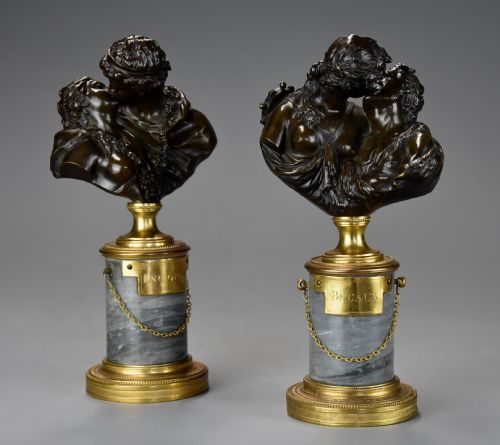
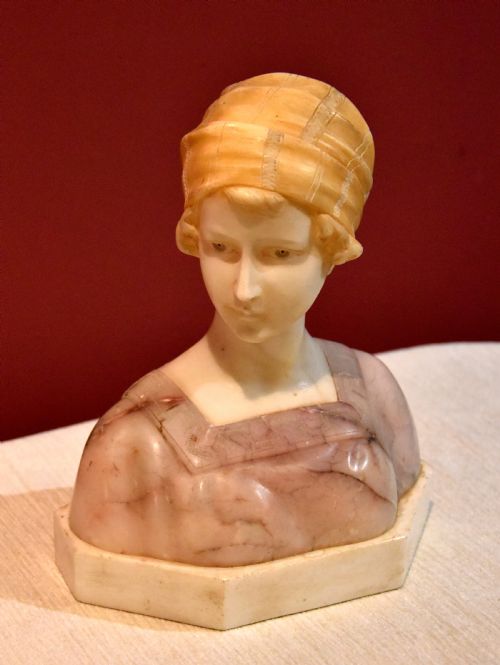

French Sculpture Bust
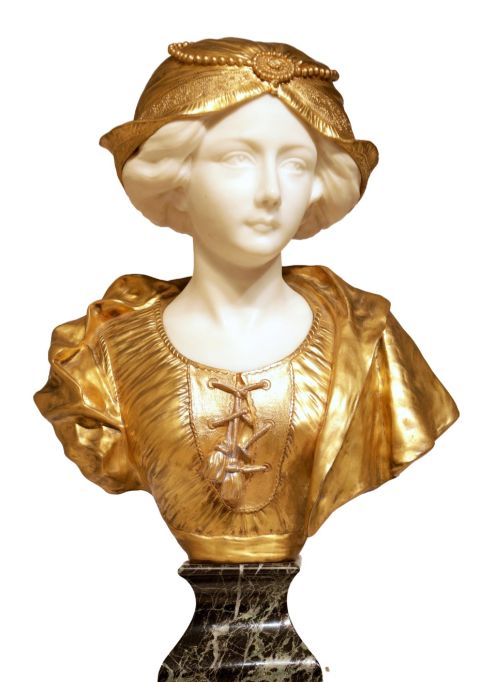
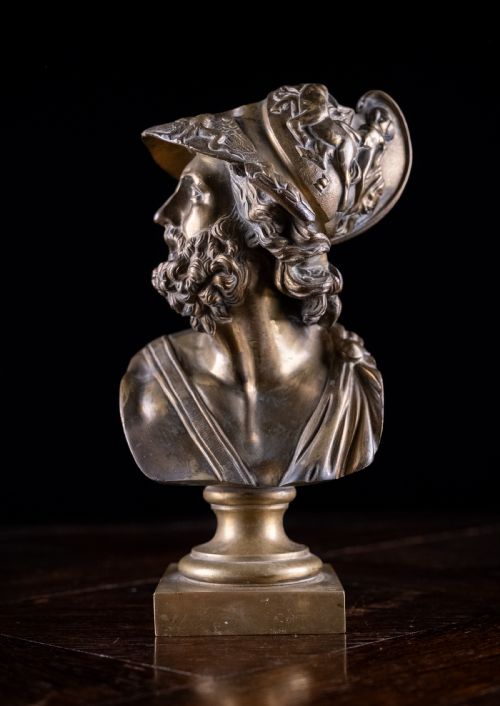
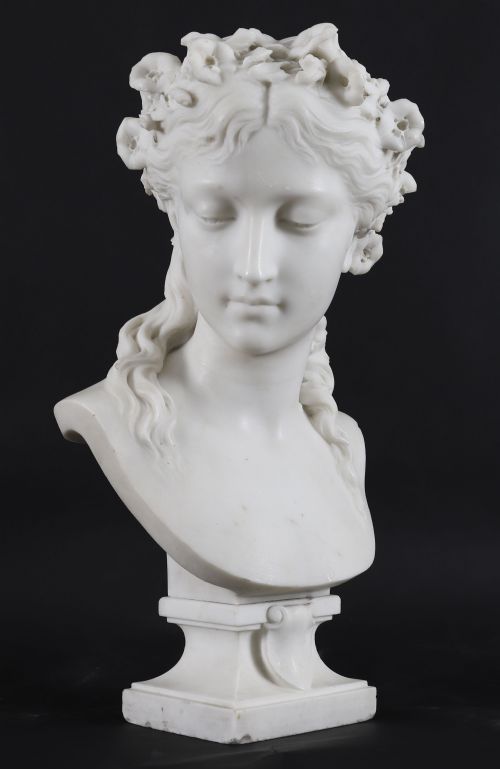
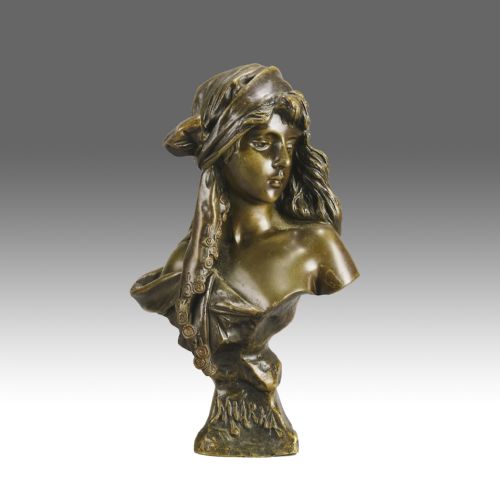
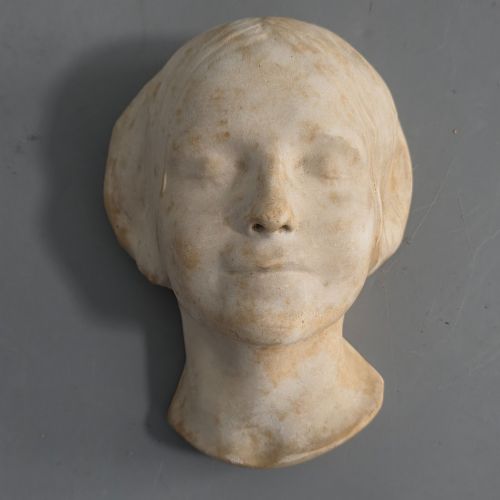
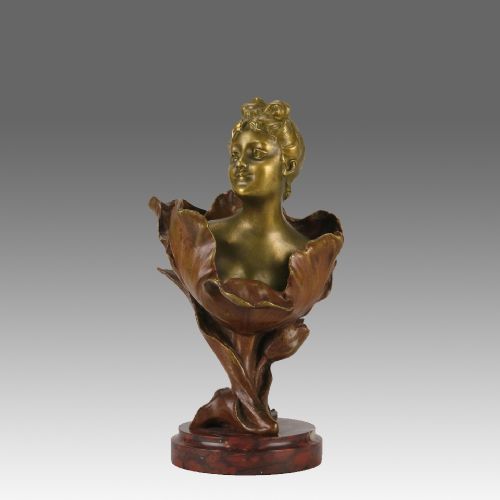
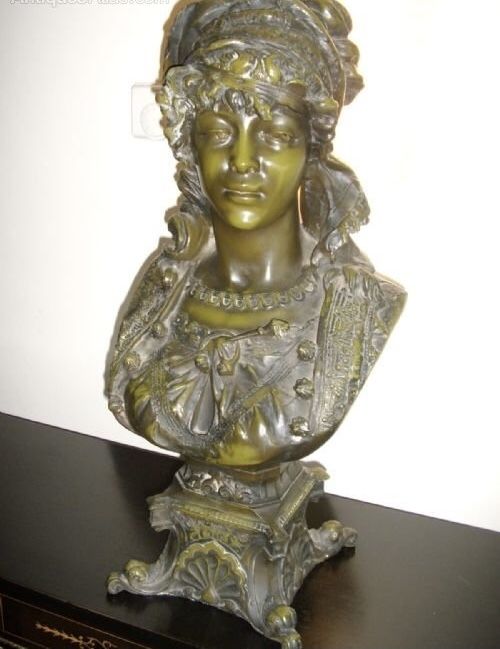
When you search for french sculpture bust, you find cast bronze, carved marble and terracotta portraits intended to catch the character and expression of figures from history and myth.
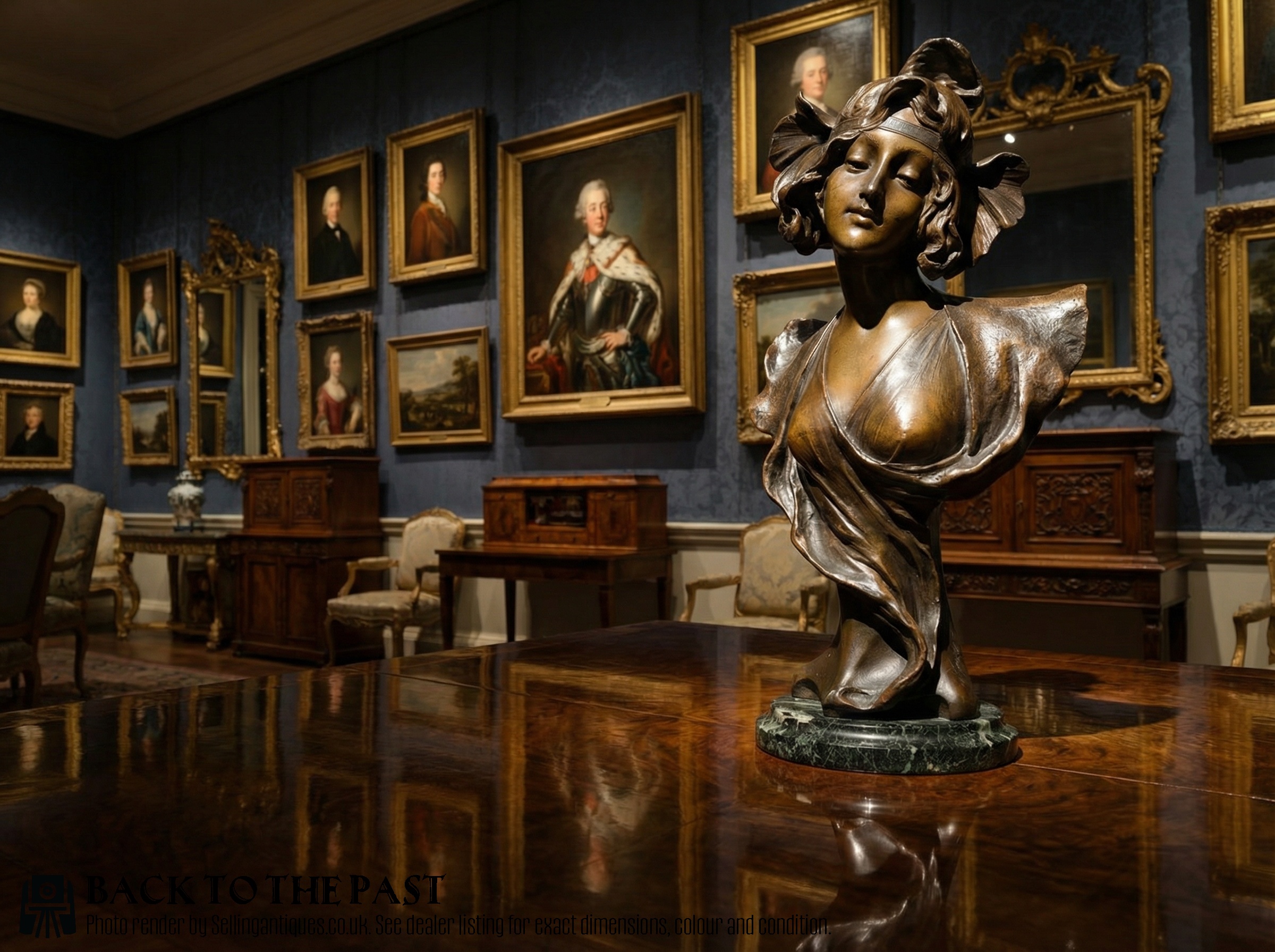
French Sculpture Bust
A french sculpture bust captures the likeness of historical figures, mythological characters, and idealized maidens through three-dimensional portraiture. The pieces meeting this description span the nineteenth and early twentieth centuries, drawing heavily on classical and neoclassical traditions.
Most entries concentrate on portrait subjects mounted on pedestals or integrated with columns, ranging from small cabinet pieces to large decorative works. Materials include cast metals alongside carved stone and terracotta.
Makers and foundries sign these works to denote authorship, while others remain anonymous studio productions intended for nineteenth-century domestic interiors.
Judging Quality
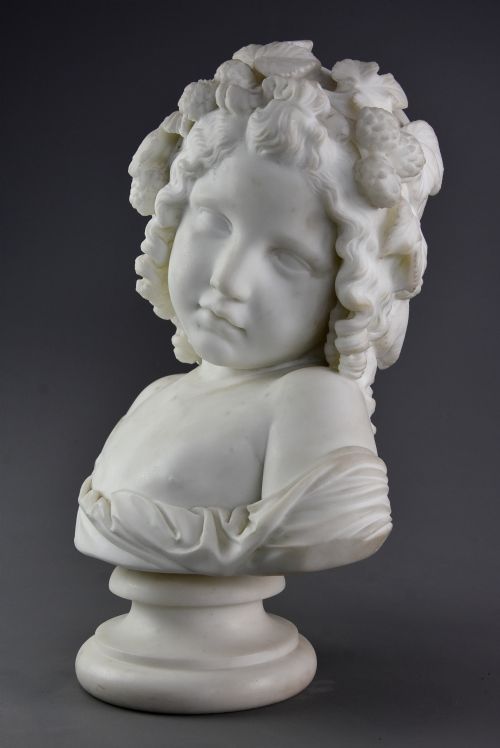
Quality rests upon the crispness of the casting in bronze work and the precision of the chisel in carved stone. Finer examples display subtle transitions in facial expression and careful attention to hair, eyes, and drapery.
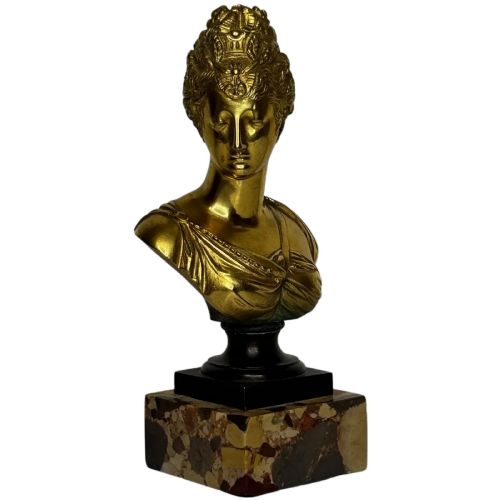
The choice of materials dictates the standing of the piece, with solid carrara marble, heavy patinated bronze, and fire-gilt ormolu mounts indicating superior production. Signatures from established sculptors and documented founders elevate individual works.
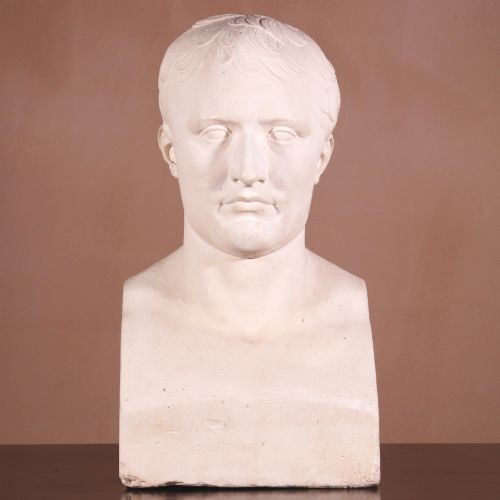
Napoleon appears repeatedly in stone, metal, and plaster, proving that even emperors need good posture.
Affortunato Gory·E. Villanis·Eugene Aizelin·Henri Godet·Auguste Henri Carli·Georges-Charles Coudray·Gilbert Privat·George Van Der Straeten·Mathurin Moreau
The French Sculpture Bust Glossary
- Patina
- The surface coloration or film developed on bronze through age or chemical treatment. This finish adds depth to the metal and protects the alloy.
- Ormolu
- Gilt bronze applied as a decorative mount or stand. The technique involves treating metal with a mercury and gold amalgam.
- Terracotta
- Fired unglazed clay taking an earthy reddish-brown tone. Sculptors utilise this material for direct modelling before baking.
- Alabaster
- A fine-grained translucent stone used for carving soft sculptural details. This material allows light to penetrate the surface.
French Sculpture Bust: Frequently Asked Questions
What materials are used?
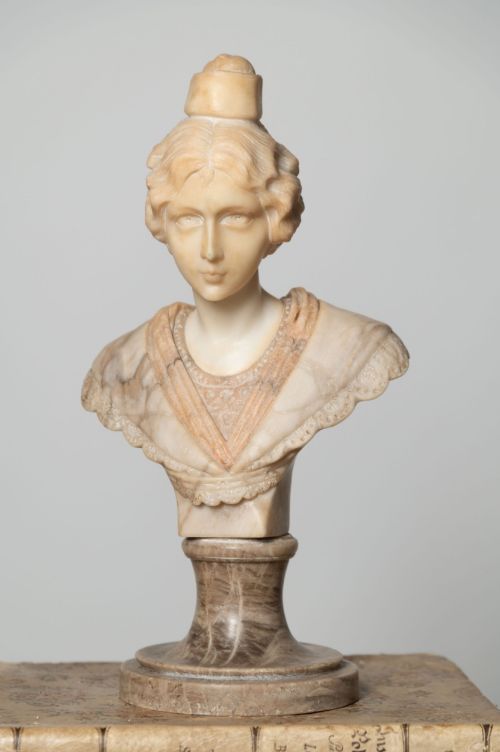
The listings show pieces made from bronze, carrara marble, alabaster, terracotta, ormolu, and bisque porcelain. Many incorporate painted surfaces or gilt bronze details.
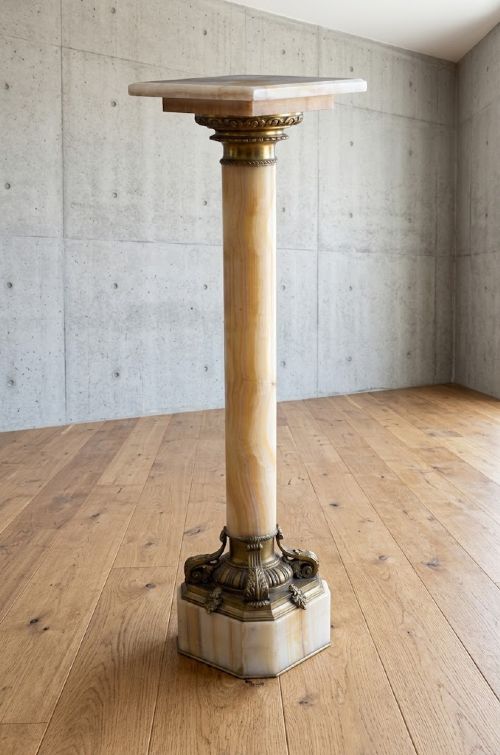
Foundations and columns often use matching or contrasting marble and onyx to support the main portrait.
How do I identify periods?
Nineteenth-century works often reflect neoclassical or art nouveau styles through classical drapery and flowing hair. Twentieth-century pieces shift towards art deco geometric lines.
Signatures, foundry marks, and material choices help narrow down the date of creation alongside stylistic cues.
Where were they displayed?
These portraits populated nineteenth-century drawing rooms, libraries, and halls on dedicated columns, pedestals, or architectural brackets. They served as scholarly nods to classical history or decorative accents.
Smaller cabinet busts sat on desks and mantelpieces, while large scale works anchored room corners.
Are they signed?
Many bronze and marble examples carry inscribed signatures from sculptors alongside foundry stamps. Other pieces remain anonymous or bear generic titles rather than artist marks.