
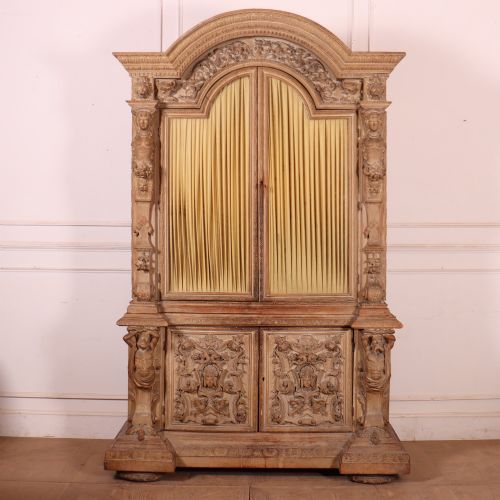


Antique Oak Caryatid
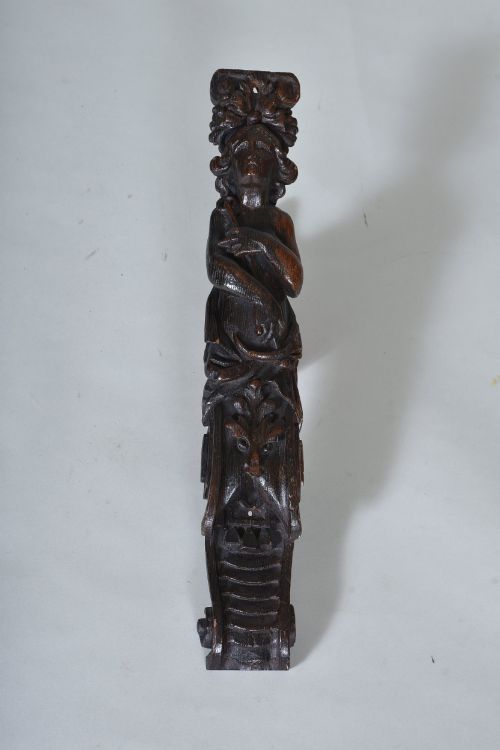
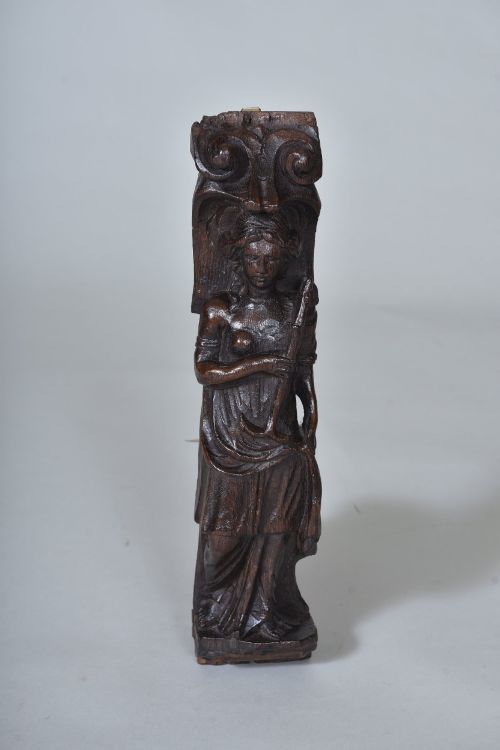
These pieces of antique oak caryatid sculpture bring structural figures into domestic spaces, serving as both architectural supports and expressive carvings.
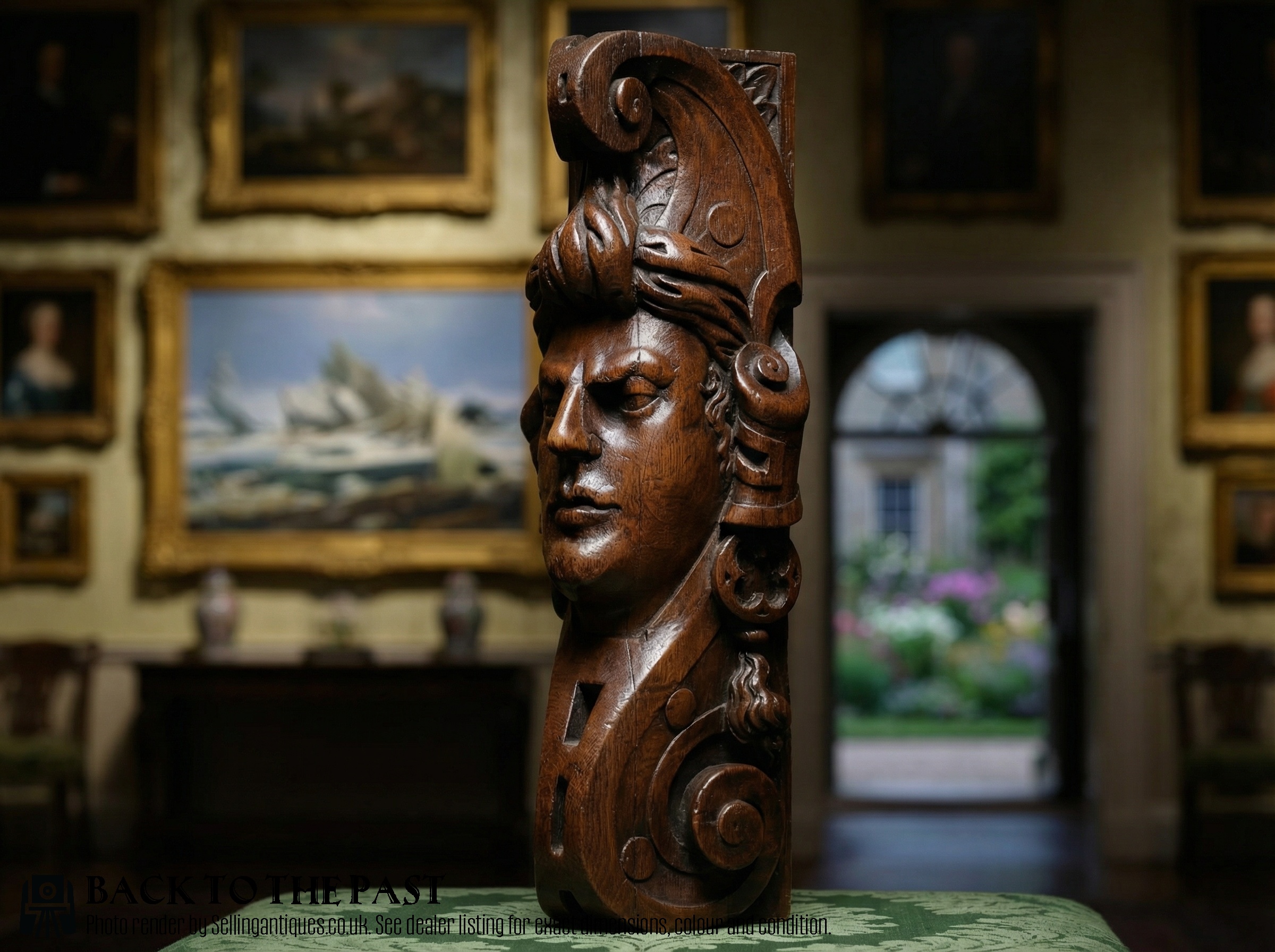
Antique Oak Caryatid
An antique oak caryatid is a sculpted human figure serving as an architectural support, column, pilaster, or pier in woodwork and furniture. When you search for antique oak caryatid, you encounter pieces salvaged from larger structures alongside standalone figures, panels, and furniture elements.
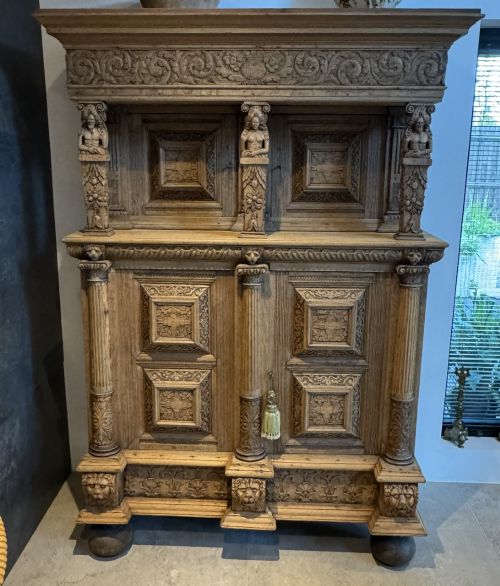
The pieces appearing here range from seventeenth-century Flemish carvings and fragments to nineteenth-century revival interpretations. The seventeenth-century examples often display figures with folded arms or playing musical instruments, while later nineteenth-century pieces emerge on pedestals, cabinets, and bookcases.
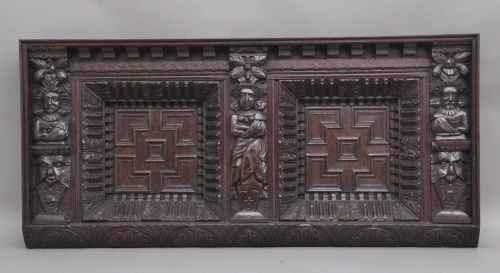
Forms span from single wall-mounted carvings and pairs of pilasters to armchairs, side cabinets, and architectural salvage. Oak predominates as the primary timber, occasionally accompanied by dark oak finishes or painted details.
How they were made
Carvers shaped these figures predominantly from solid oak, sometimes utilising walnut or carved hardwood for specific regional pieces. Artisans employed hand-chisels and gouges to carve the intricate folds of drapery, facial expressions, and anatomical details directly into the dense timber.
Surface treatments varied from the natural grain of dark oak to applied pigment and original painted details. Many seventeenth-century and nineteenth-century revival pieces rely entirely on hand-tooling without extraneous materials, though occasional framing incorporates glass, fabric, and tooling leather.
The listings span the seventeenth century through to the late nineteenth century, encompassing oak, walnut, and carved hardwood materials.
What varies in quality
Quality rests in the depth of the carving and the anatomical understanding of the human figure rendered in timber. The finest seventeenth-century and revival pieces exhibit crisp drapery folds, expressive faces, and balanced proportions that integrate seamlessly with the architectural member they support.
The integrity of the timber and the crispness of the original chisel work separate superior carvings from softer, more worn examples. Pairs matching in scale, posture, and execution command particular attention due to the difficulty of carving symmetrical architectural figures.
The Antique Oak Caryatid Glossary
- Caryatid
- A sculpted female figure serving as an architectural support in place of a column or pilaster. These figures often support entablatures or furniture cornices.
- Pilaster
- A rectangular architectural element that projects slightly from a wall, frequently fronted by a caryatid figure. They provide decorative framing for panels, doorways, and cabinetry.
- Caquetoire
- A sixteenth- or seventeenth-century style of armchair featuring a high, narrow back and a trapezoidal seat. These chairs occasionally incorporate figural carvings.
- Overmantle
- A decorative structure positioned above a fireplace mantel. These pieces frequently incorporate carved oak panels and figural reliefs.
- Corbel
- A structural piece of stone or wood projecting from a wall to span a weight. In seventeenth-century woodwork, these elements often take the form of carved figural busts.
Antique Oak Caryatid: Frequently Asked Questions
What is an antique oak caryatid used for?
These pieces function primarily as architectural ornaments, wall carvings, or structural elements integrated into furniture like cabinets and bookcases. They bring traditional figural sculpture directly into interior spaces.
Historically, they supported lintels or framed doorways, but today they are displayed as standalone wall art or mounted pedestals.
How do I date an antique oak caryatid?
Dating relies upon analyzing the tool marks, carving style, joinery, and the patination of the oak timber. Seventeenth-century examples display distinct hand-chiseled depths compared to nineteenth-century revival pieces.
Contextual clues such as associated furniture styles, including Renaissance Revival or Flemish Baroque, also help establish the period.
Are these carvings always English?
No, many pieces originate from continental Europe, particularly Flanders, France, and Italy. Flemish and continental workshops produced a significant proportion of these figural carvings.
Makers across Europe utilised local oak and regional stylistic revivals throughout the seventeenth and nineteenth centuries.
How do I display a caryatid carving?
Single carvings and pairs of pilasters are typically wall-mounted as sculptural art, while others rest upon dedicated pedestals or mantels. Ensuring secure fixings is essential given the weight of solid oak.
Placed within a room, they complement period interiors alongside bookcases, vitrines, and antique sideboards.