
Tudor Oak Carving
Tudor oak carving brings heavy timber and dense hand-cut panels into a room, offering genuine sixteenth-century work alongside later revival interpretations.
Tudor Oak Carving
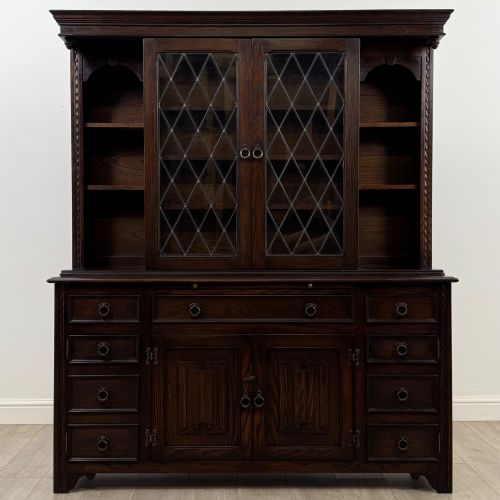
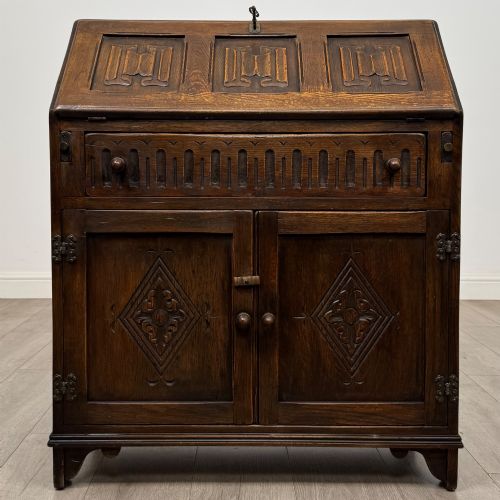
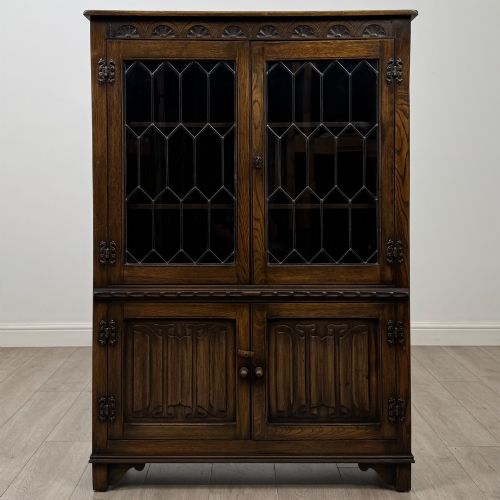
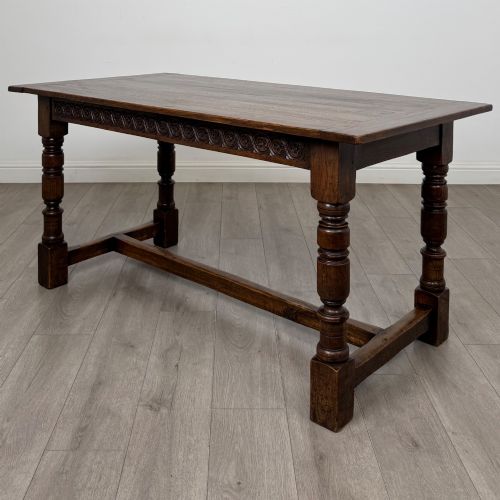
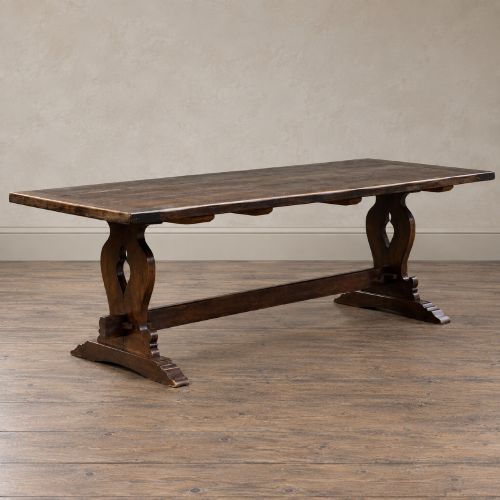
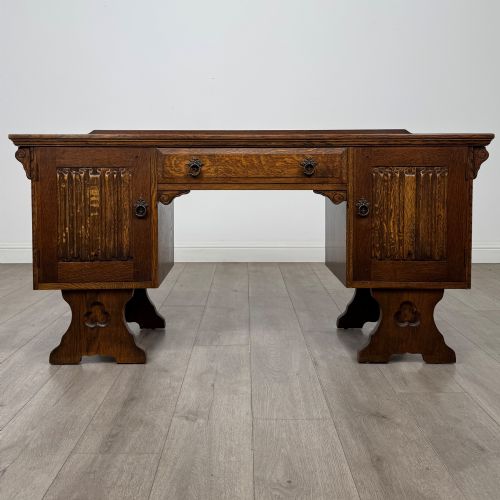
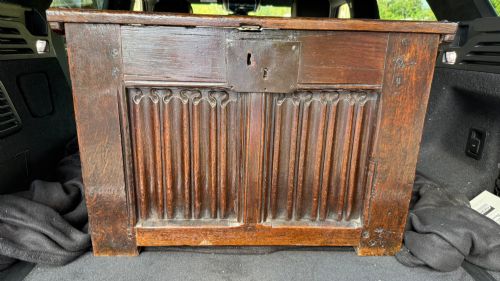
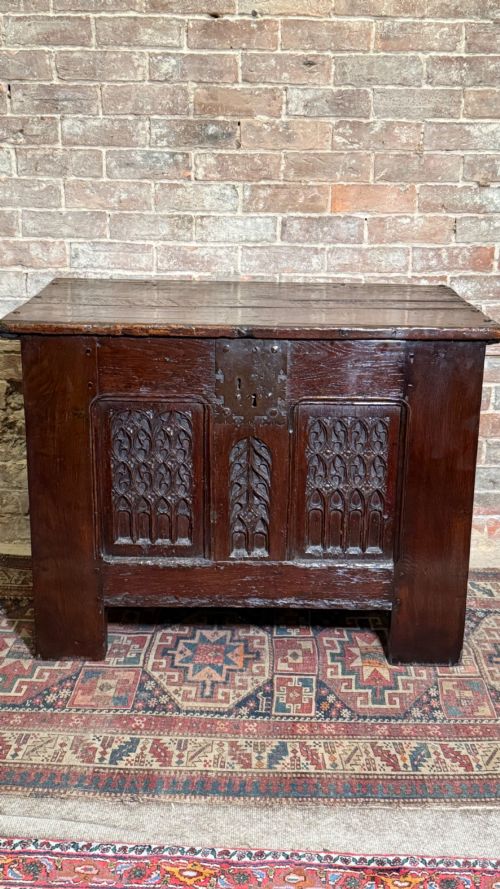
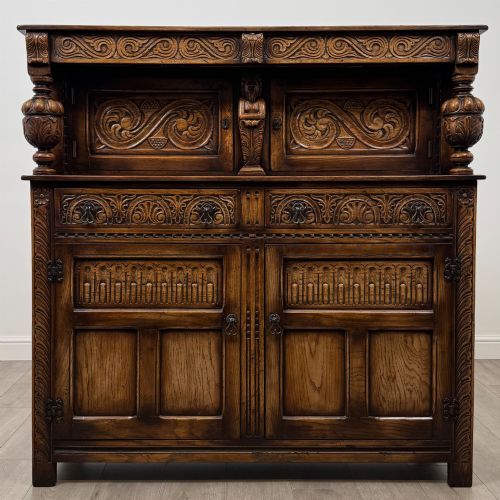
A buyer examining tudor oak carving encounters substantial items intended for domestic utility, including coffers, refectory dining tables, court cupboards, and wall panels. These pieces range from authentic sixteenth-century survivals to Edwardian and interwar revivals executed in solid timber.
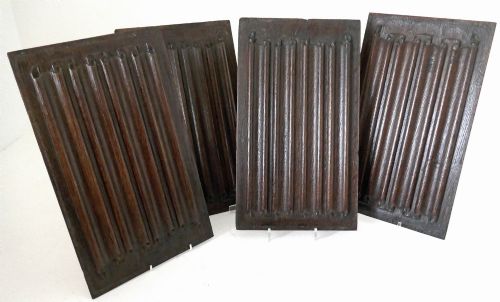
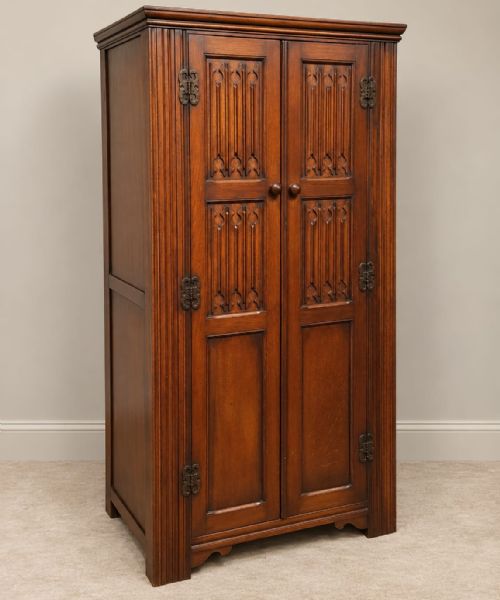
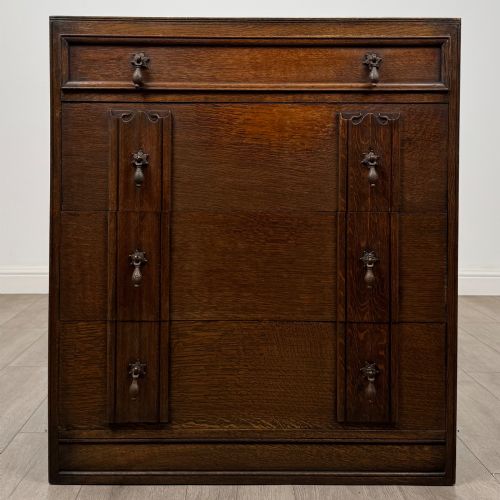
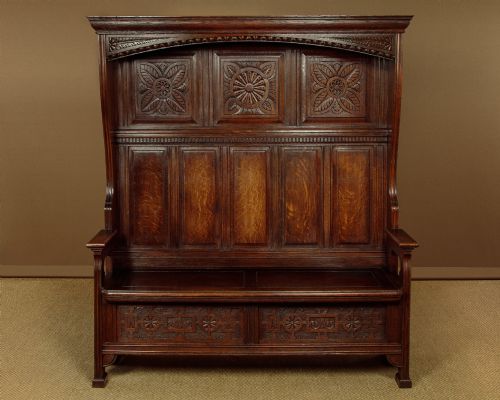
The most frequent items met on this page are revival pieces from the early twentieth century, alongside genuine sixteenth-century panels, coffers, and medieval coffer fronts. Forms span from dining furniture and wardrobes to architectural salvage and wainscot armchairs.
Materials and Technique
Construction relies heavily on solid oak, frequently paired with iron, brass, wrought iron, and lead for hinges, locks, and structural reinforcement. Woodworkers utilised traditional joinery methods such as mortise and tenon joints to build durable tables, cabinets, and chests.
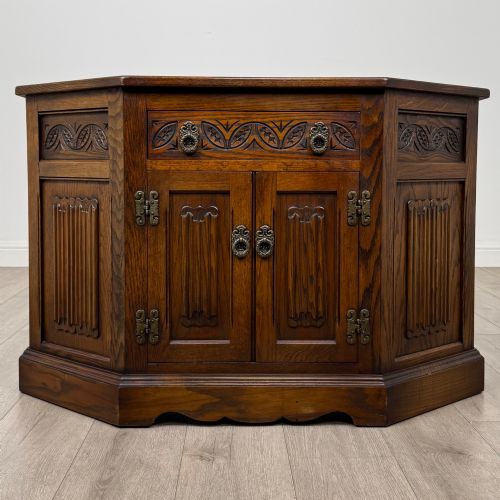
Carving was executed by hand directly into the dense timber using gouges and chisels to create low-relief motifs like linenfold, fluting, and Green Man masks. Surfaces were left unpainted to highlight the natural grain and colour of the heartwood.
Listings span eight distinct periods from the sixteenth century through the nineteen-thirties, featuring styles like Jacobean Revival, Gothic, and Elizabethan.
Evaluating the Work
Depth and crispness of the hand-carved details separate standard production from superior examples, particularly in the rendering of linenfold folds and figurative motifs. Crisp chisel marks and well-defined edges demonstrate superior benchwork.
The integrity of the timber and the proportion of original material define the standard of older pieces, where centuries of handling alter surface texture. Elements that retain their original form without extensive replacement command greater attention.
The Tudor Oak Carving Glossary
- Linenfold
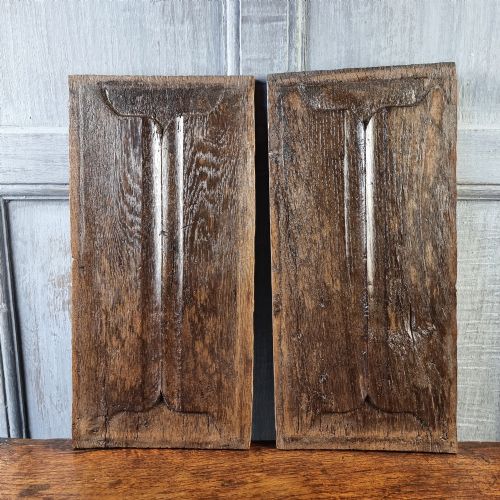
- A style of wood carving that imitates folded parchment or linen, commonly seen on fifteenth and sixteenth-century panels and cupboard doors. This motif gives flat surfaces a textured, three-dimensional appearance.
- Coffer
- A heavy wooden chest used historically for storage, constructed from thick oak planks or framed panels. Early examples often feature primitive locking mechanisms and iron strapwork.
- Refectory table
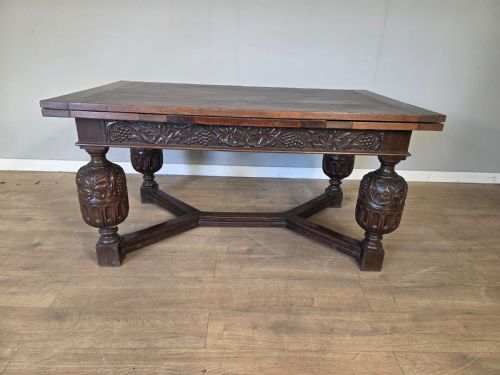
- A long dining table traditionally used in communal halls, featuring heavy legs connected by stretchers. Versions in the evidence date from the early twentieth century as well as earlier periods.
- Court cupboard
- A short, tiered sideboard or cabinet used for displaying plate and storing provisions. These pieces typically incorporate carved doors and upper canopies supported by columns.
- Wainscot chair
- An early wooden armchair constructed with panelled backs and solid wooden seats. They are sturdy seating options rooted in sixteenth and seventeenth-century domestic interiors.
Tudor Oak Carving: Frequently Asked Questions
How do I care for old oak furniture?
Keep wooden pieces away from direct heat sources and sudden humidity changes to prevent the timber from splitting or warping.
Apply a microcrystalline wax occasionally to nourish the surface and maintain a soft protective sheen.
Are these pieces from the sixteenth century?
The selection includes both authentic sixteenth-century panels and coffers alongside revival items produced during the Edwardian era and the nineteen-twenties.
Checking construction methods and timber characteristics helps distinguish original period pieces from later historical revivals.
What is a linenfold panel?
Linenfold is a decorative carving technique where the wood is shaped to resemble folded fabric cascading down a flat surface.
It appears frequently on cupboard doors, bureau fronts, and wall panels from the Tudor period onwards.
How were refectory tables used?
Refectory tables served as the central gathering place for meals in large households and institutional dining halls.
Today, their long proportions make them practical for modern dining rooms and communal workspaces.