
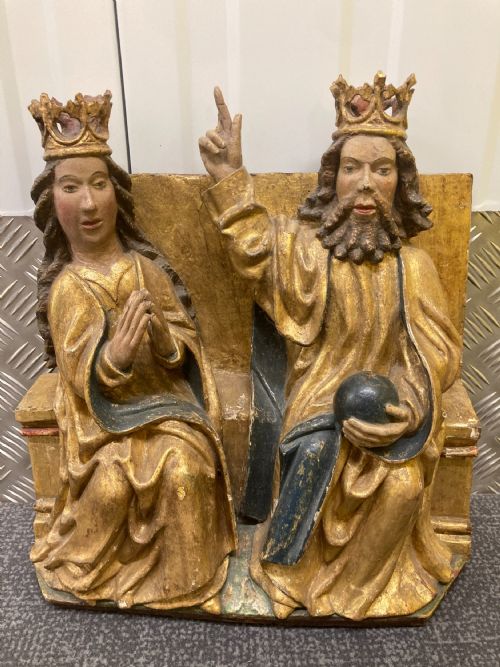


Medieval Style Carving
These pieces of medieval style carving bring heavy timber, sacred figures and gothic tracery into domestic rooms.
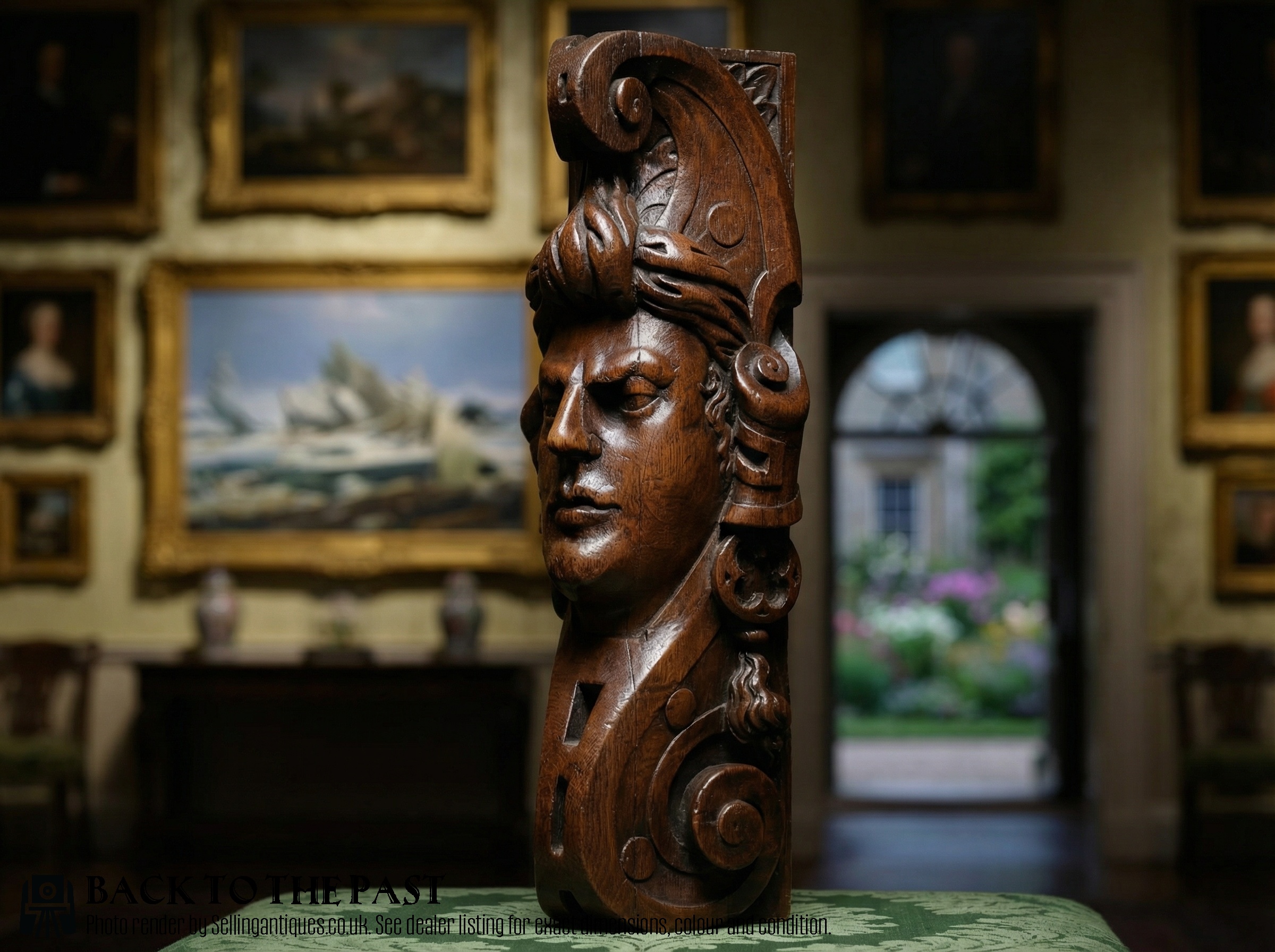
Medieval Style Carving
A medieval style carving encompasses architectural fragments, religious groups, and furniture bearing the unmistakable hallmarks of gothic design. When buyers search for medieval style carving, they encounter genuine survivals alongside later revivals that channel the intense spirituality and rigid joinery of earlier centuries. The pieces range from monumental coffers and cupboards to wall sculptures and architectural fragments carved in relief.
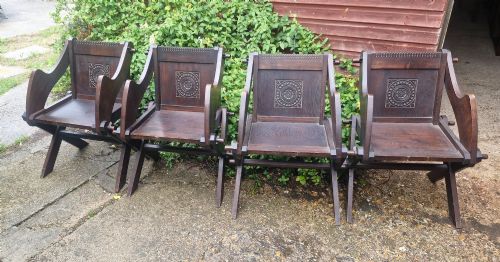
The selection on this page relies heavily on oak, elm, and chestnut, shaped into armchairs, chests, and devotional figures. Most examples spring from periods of revival such as the Victorian era and the turn of the twentieth century, alongside authentic sixteenth-century works and earlier fragments. Buyers meet everything from Glastonbury armchairs to Flemish carvings and painted panels depicting saints.
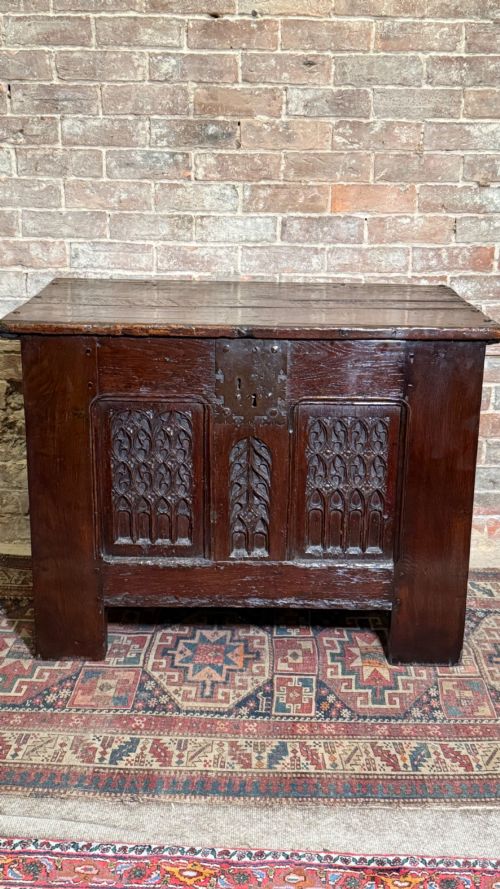
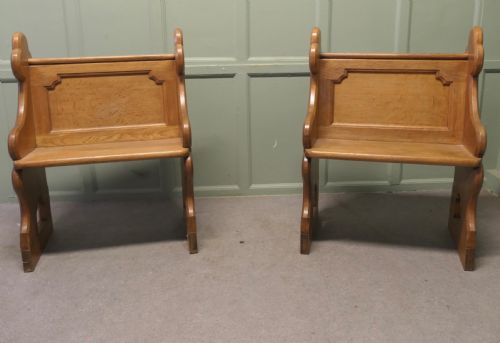
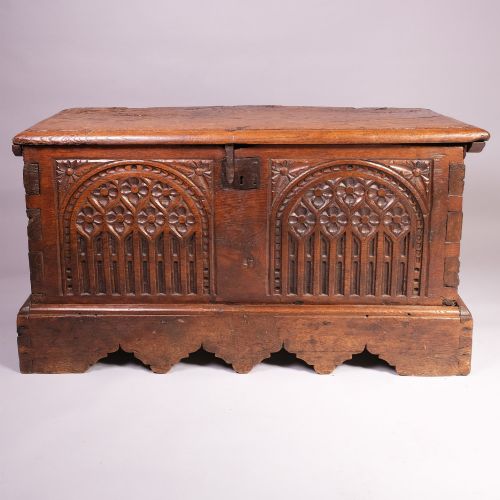
Forms vary from utilitarian boarded stools and deed boxes to elaborate liturgical cupboards and sculptural fragments of angels and bishops. The makers of the nineteenth and twentieth centuries adopted the architectural vocabulary of cathedral builders, applying linenfold panels, tracery, and corbels to domestic seats and plant stands. These objects bridge the gap between ecclesiastical grandeur and everyday furnishing.
How they were made
Makers shaped these objects using dense hardwoods, predominantly oak and elm, joined with traditional framing methods that prioritized structural weight. Carpenters relied on hand tools to cut mortise and tenon joints, securing panels to withstand decades of heavy use in domestic or ecclesiastical settings. The timber grain dictates the surface texture, often showing the deep pitting and shrinkage cracks associated with centuries of ageing.
Materials recorded across the inventory include oak, elm, chestnut, wrought iron, sandstone, glass, gold leaf, and polychrome paint.
What varies in quality
Depth of relief and crispness of chisel work distinguish master carvers from routine commercial producers in both medieval workshops and later revival studios. The handling of drapery folds, facial expressions, and architectural tracery reveals the artisan's command over the medium, whether working in soft sandstone or stubborn oak. Superior examples maintain proportional harmony despite heavy ornamentation, whereas lesser items rely on surface clutter to mask weak construction.
Material selection and the integrity of the surviving ground define the standing of sculptural fragments and furniture alike. Original polychrome and gold leaf remnants elevate a piece, provided the pigment retains its adhesion to the wood or stone substrate. Structural honesty, such as uncompromised timber frames and minimal replacement parts, separates museum-worthy survivals from heavily restored compositions.
The Medieval Style Carving Glossary
- Gothic Revival
- An architectural and decorative movement spanning the eighteenth and nineteenth centuries that revived medieval forms, pointed arches, and structural polychromy. Designers applied these ecclesiastical motifs to domestic furniture and interior decoration.
- Flamboyant Gothic
- The final phase of Gothic architecture in France, characterised by flame-like tracery patterns and complex ogee curves. Carvings from this period display intricate, swirling stone and woodwork.
- Corbel
- A structural piece of stone, wood, or metal jutting from a wall to carry a superincumbent weight. In medieval carving, these often took the form of grotesque heads, saints, or secular figures.
- Giltwood
- Wood that has been treated with gesso and covered with thin sheets of gold leaf. This technique illuminated dark interiors and highlighted sacred figures in religious carvings.
- Coffer
- A large, heavy chest used historically for storing valuables, documents, or vestments. Early examples feature boarded construction reinforced with iron strapwork.
Medieval Style Carving: Frequently Asked Questions
What periods do these carvings come from?
The listings encompass authentic pieces from the fifteenth and sixteenth centuries alongside nineteenth and twentieth-century revivals. Makers during the Victorian era and the nineteen-thirties recreated medieval forms using period techniques.
Buyers find everything from pre-sixteenth-century stone fragments to nineteen-hundreds Glastonbury chairs and hand-painted cabinets.
How do I identify a true medieval carving?
Authentic medieval pieces show tool marks, wood shrinkage, and wear patterns consistent with centuries of handling and environmental exposure. Material analysis of the oak, elm, or polychrome paint provides further clues regarding age.
Revival pieces often display machine-cut elements or nineteenth-century interpretation in the styling of figures and tracery.
Where were these pieces originally placed?
Many items originated in churches, abbeys, and cathedrals as architectural salvage, wall lights, or devotional sculptures of saints and bishops. Domestic interiors later absorbed these forms through furniture like coffers, armchairs, and deed boxes.
Ecclesiastical seating migrated into Victorian libraries and halls as decorative yet functional furniture.
How should I care for antique carved wood?
Carved wood requires stable humidity levels to prevent timber shrinkage and cracking in the joints and relief panels. Direct sunlight and sudden temperature shifts damage delicate gesso, gold leaf, and polychrome paint.
Gentle dusting with a dry cloth preserves the patina without introducing moisture to vulnerable sixteenth-century surfaces.