

Antique Carved Timber
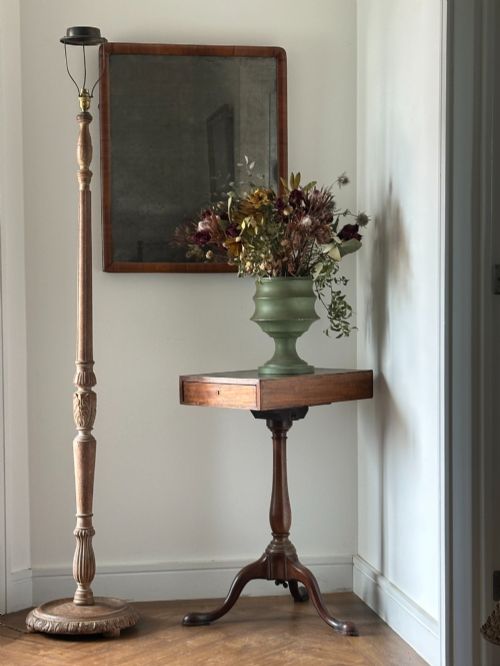
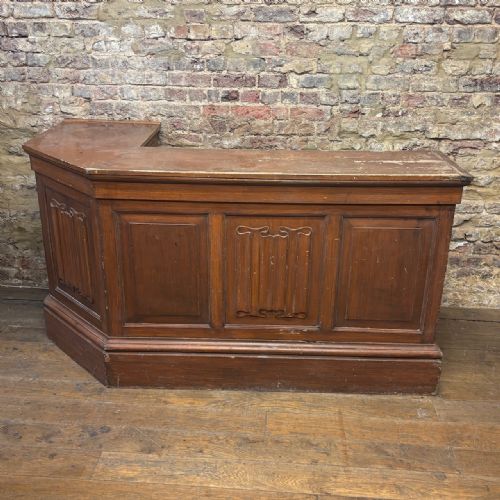
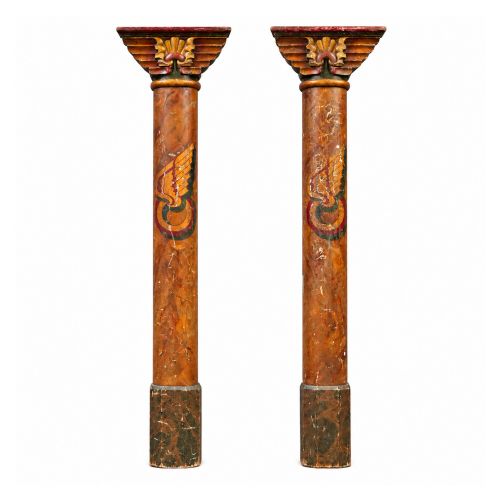
Antique carved timber encompasses everything from seventeenth-century oak panels to Black Forest bears, offering tactile warmth and historic character to any interior.
Antique Carved Timber
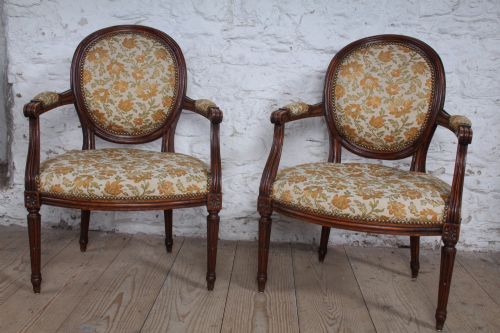
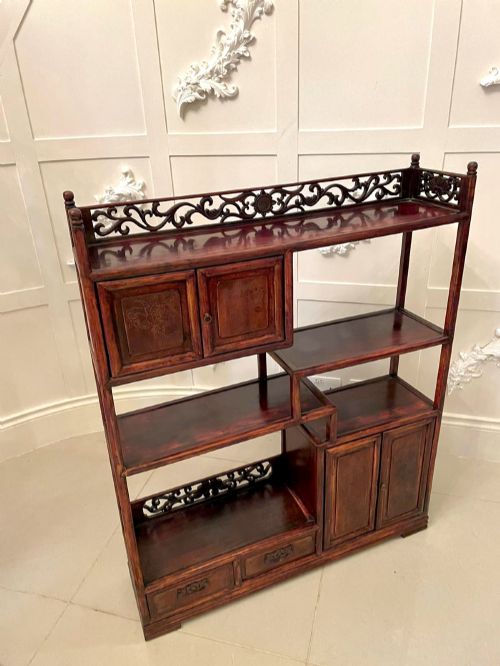
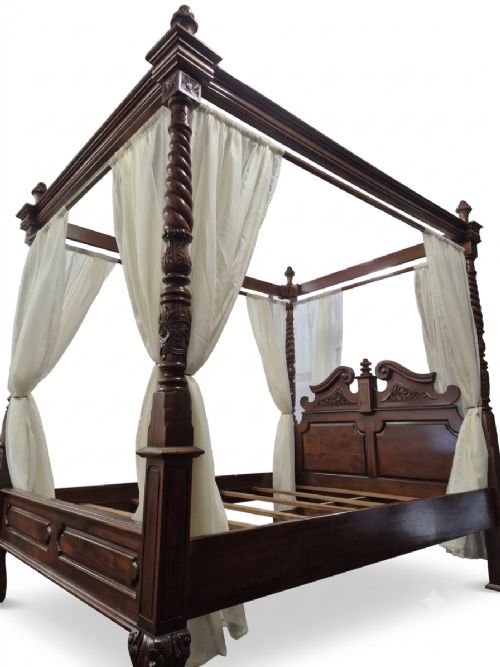
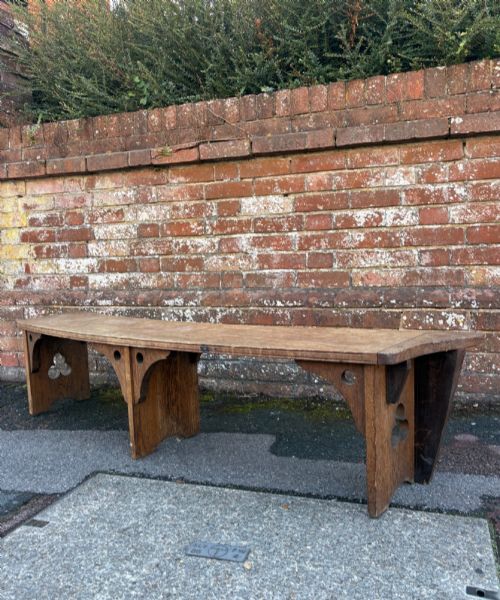
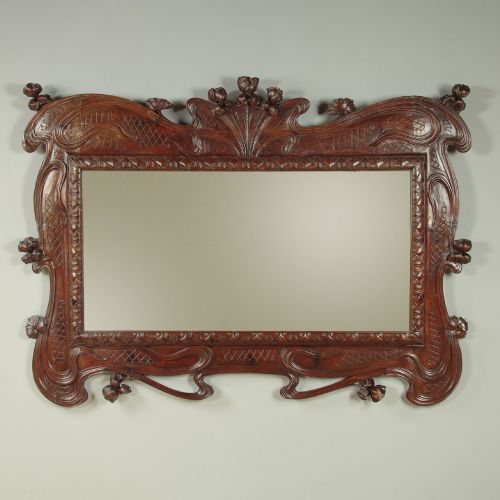
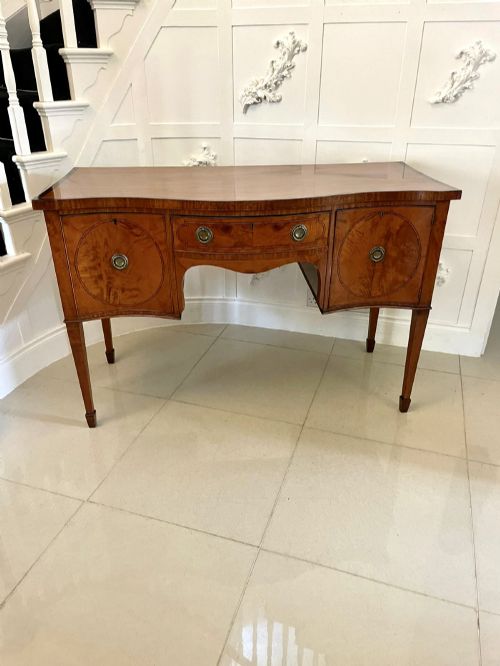
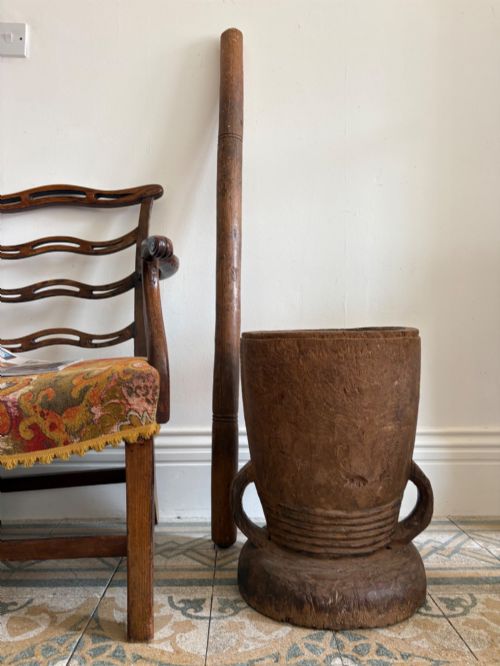
When you search for antique carved timber, you encounter a diverse range of objects spanning utility and decoration. The selection includes seating such as benches, hall chairs, and armchairs, alongside display cabinets, wall mirrors, and sculptures.
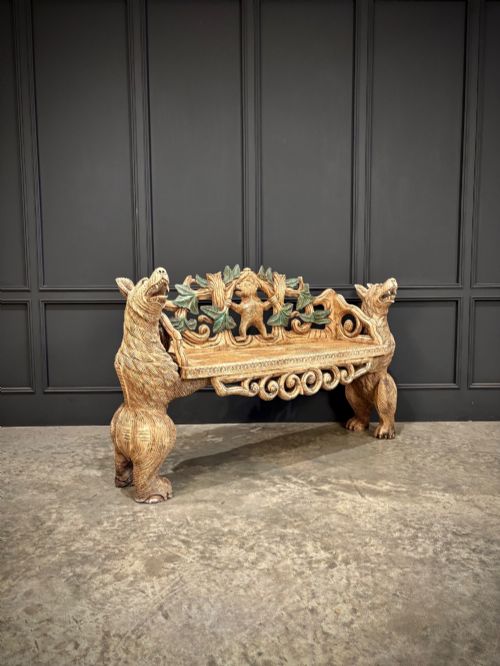
Pieces emerge from various periods, notably the nineteenth century, the Edwardian era, and the seventeenth century. Examples cross stylistic boundaries, moving from Jacobean Revival and Louis XVI style to Black Forest carvings and Folk Art.
On this page, you are most likely to meet oak and walnut items shaped by hands across Britain, continental Europe, and beyond. These items serve functional roles in modern homes while displaying the sculptural depth of earlier workshops.
The Measure of Craft
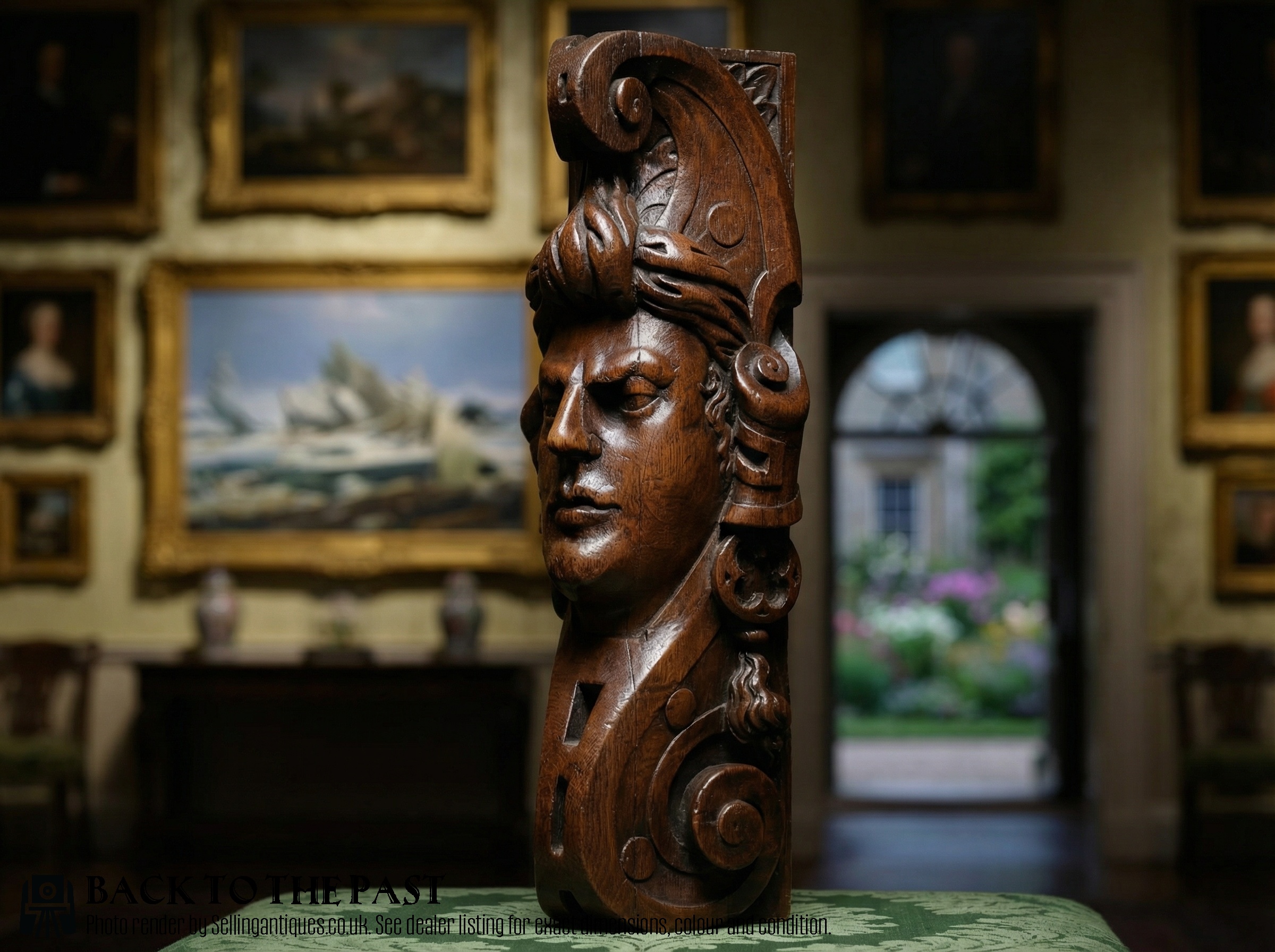
Quality rests in the precision and depth of the chisel work. Superior items display crisp undercut details and fluid lines that demonstrate a carver's total command of the timber.
Material selection dictates longevity and visual resonance. Dense heartwoods and well-seasoned timbers hold sharp edges across centuries, whereas hasty workmanship results in blunt motifs and superficial surface decoration.
The listings show substantial representation from the nineteenth century alongside seventeenth-century oak panels and Edwardian furniture.
Oliver Morel·Jules Buste Labatut
The Antique Carved Timber Glossary
- Linenfold
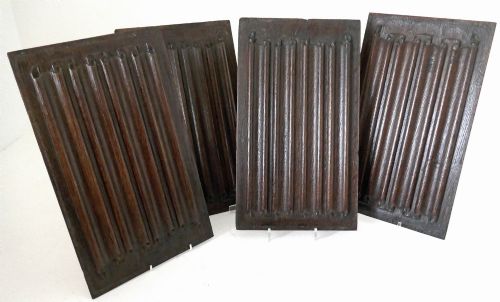
- A style of relief carving used on wooden panels to imitate folded linen. This technique was popular in Tudor and Jacobean joinery.
- Aesthetic Movement
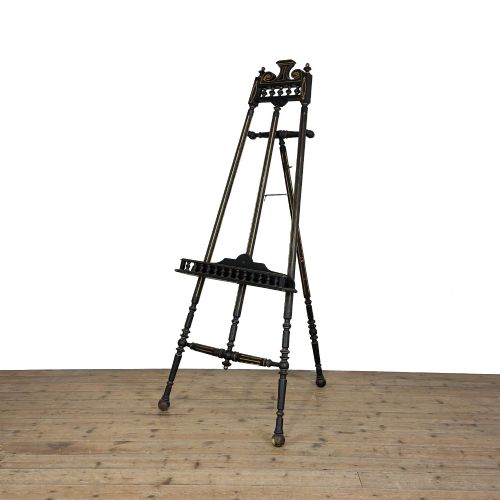
- A late nineteenth-century design current emphasising visual beauty above narrative or moral function. Furniture from this period often uses ebonised finishes and geometric lines.
- Fruitwood
- Timber sourced from fruit-bearing trees such as pear, apple, or cherry. It provides a fine, dense grain favoured for detailed figural carving.
- Gothic Revival
- An architectural and decorative style drawing inspiration from medieval forms. Pieces often incorporate pointed arches, trefoils, and tracery.
Antique Carved Timber: Frequently Asked Questions
What is antique carved timber?
Antique carved timber refers to historical wooden items shaped by hand ornamentation, spanning furniture, architectural panels, and sculptural figures.
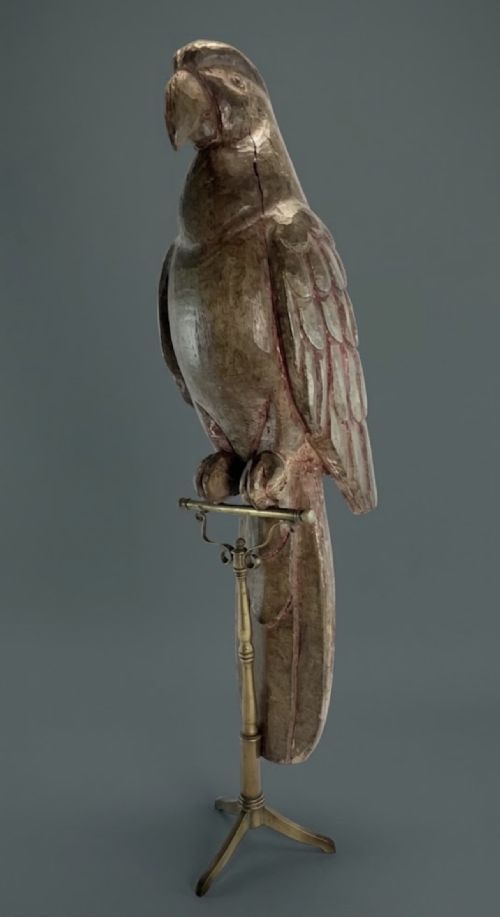
Items range from seventeenth-century oak fragments to nineteenth-century Black Forest animals and Victorian seating.
How do I date carved oak?
Dating carved oak involves examining tool marks, joint construction, and stylistic motifs specific to periods like the seventeenth century or the Gothic Revival.
Hand-riven boards, pegged mortise and tenon joints, and authentic patination indicate significant age.
Where were Black Forest carvings made?
Black Forest carvings originated in the mountainous regions of central Europe during the nineteenth century. Skilled artisans produced bears, eagles, and wall brackets from walnut and lime.
These pieces were popular souvenirs for travellers touring Switzerland and Germany.
How do I care for antique wood?
Antique carved timber requires stable room humidity and protection from direct sunlight to prevent the wood from drying and splitting.
Occasional applications of appropriate wax maintain the surface sheen without building up harmful residues.