



Continental Wood Panel
A continental wood panel brings tactile warmth and historic European character to a room through centuries of carved timber and painted detail.
Continental Wood Panel
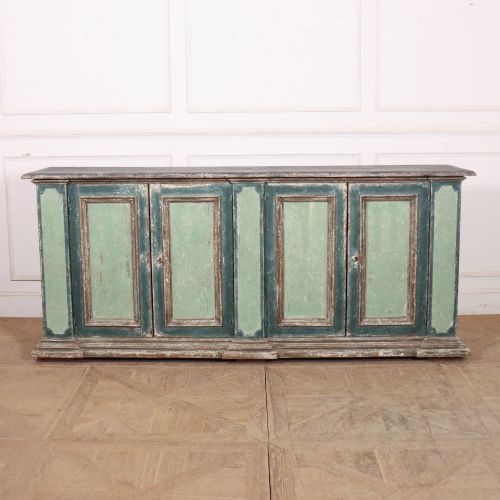
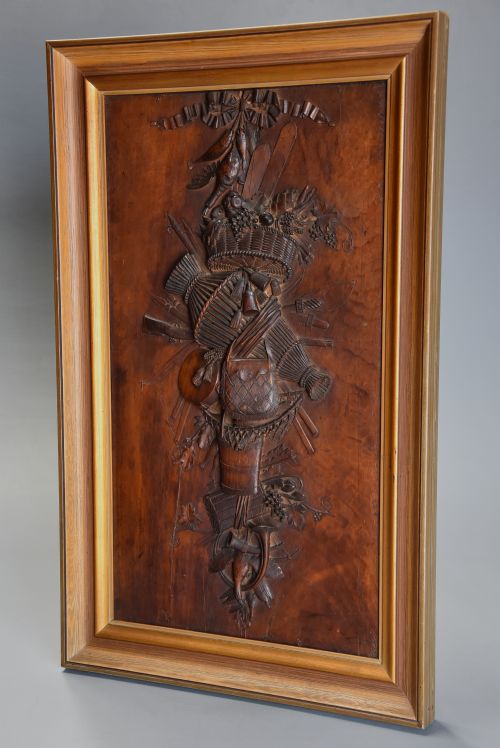
A continental wood panel encompasses a diverse range of items including carved fruitwood trophies, painted cabinets, oil paintings on wooden supports, and decorative screens originating from European workshops. Buyers seeking a continental wood panel encounter walnut, oak, and fruitwood pieces spanning the seventeenth through the early twentieth centuries.
How they were made
Makers utilised solid timbers including walnut, oak, and fruitwood, often shaping them through traditional joinery and detailed carving techniques. Surfaces frequently received painted decoration, gilding, or served as the rigid support for oil paintings.
The structural framework of these pieces relies on the natural movement of timber, with panels housed within frames or joined to resist warping. Artisans applied finishes ranging from simple waxed timber to elaborate giltwood and polychrome paint.
Gentlemen in hats peer out from wooden panels just as intently as carved saints and gilded vanity screens watch over the room.
What varies in quality
Quality rests in the crispness of the carving, the integrity of the timber, and the sophistication of the painted surface or finish. Finer examples display meticulous hand-carved detail, such as fruitwood trophy carvings, or refined artistic execution on panel paintings.
Provenance and regional style also influence distinction, with items exhibiting specific historical characteristics, such as Flemish Baroque or French Rococo Revival detailing, standing apart from simpler vernacular pieces.
The Continental Wood Panel Glossary
- Fruitwood
- A dense timber obtained from fruit-bearing trees such as pear or apple, frequently chosen by carvers for its fine grain and ability to hold intricate detail.
- Giltwood
- Timber treated with a thin layer of gold leaf or metallic gilt, commonly observed on decorative frames and screens from the nineteenth century.
- Flemish Baroque
- An ornate artistic and architectural style originating in Flanders during the seventeenth century, characterised by dramatic movement and rich surface decoration.
- Panel painting
- A painting executed on a flat wooden support rather than canvas, standard in many early German and European works.
Continental Wood Panel: Frequently Asked Questions
What periods do these panels represent?
The pieces span from the seventeenth century through to the early twentieth century, reflecting diverse historical eras including the nineteenth century and the 1920s.
Each period brings distinct stylistic traits, ranging from seventeenth-century framed saints to early twentieth-century German oil paintings on panel.
How should I care for wooden panels?
Maintain stable indoor humidity and temperature to prevent the timber from drying out or warping over time.
Dust gently with a soft dry cloth and avoid applying modern chemical polishes to historic surfaces.
Where were these items crafted?
Originating from across continental Europe, these pieces include items attributed to Italian, German, Flemish, and French workshops.
Regional preferences dictate the choice of materials, from walnut sideboards to painted vanity screens.
What materials are most common?
Walnut, oak, and fruitwood appear frequently across the selection, supplemented by painted wood, giltwood, glass, and fabric.
Some objects combine several materials, such as oil paintings mounted within carved wooden frames.