




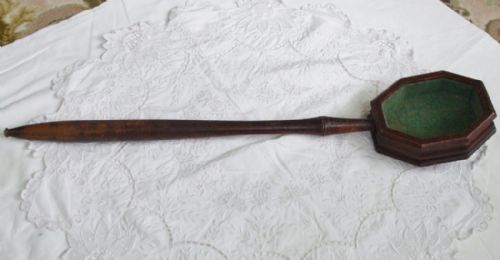


Antique Wooden Ladle
These antique wooden ladle examples bring warmth and honest craft into modern interiors.
Antique Wooden Ladle
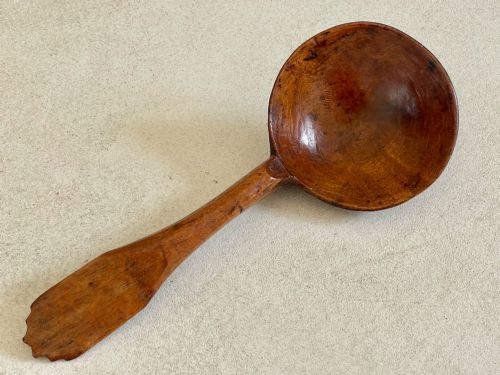
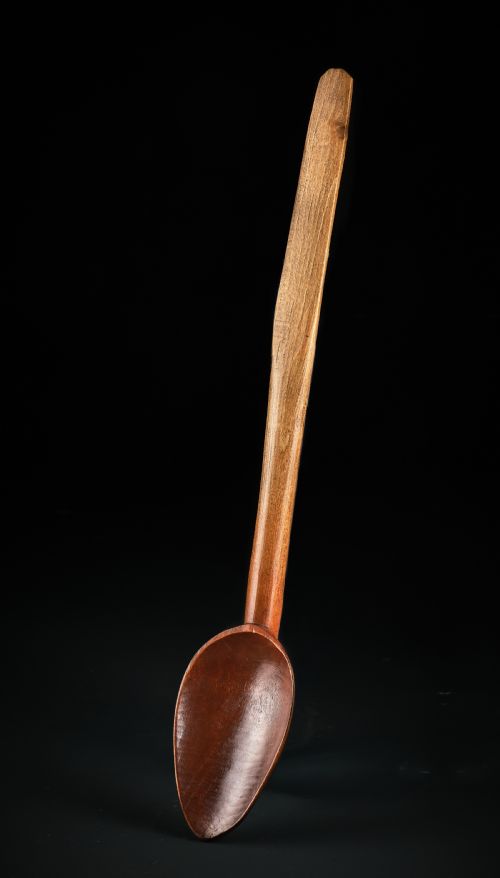
When you search for an antique wooden ladle, you are looking at utilitarian domestic and folk objects shaped from timber over past centuries. These functional items include treen ladles, basting spoons, egg bowl ladles, and punch ladles designed for daily kitchen work or church use. Surviving examples often display the practical ingenuity of rural makers from periods spanning the eighteenth and nineteenth centuries.
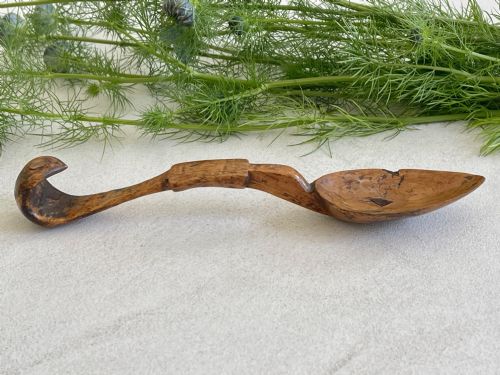
On this page, you are most likely to meet Welsh sycamore and fruitwood pieces alongside Scandinavian folk art spoons and Georgian beechwood utensils. The selection ranges from deep scoops to long-armed church collection boxes and toddy ladles fitted with coquilla nut and silver. Each piece represents a tangible link to domestic life and regional traditions across Britain and beyond.
How they were made
Maker's hands shaped these utensils directly from dense local timbers using gouges, knives, and lathes. Hardwoods like sycamore, beech, mahogany, cherry, and fruitwood provided the necessary strength for repetitive stirring, skimming, and serving. Some specialised drinking ladles incorporated turned coquilla nut combined with silver fittings and brass components.
Surviving surfaces show the direct marks of hand carving and long exposure to natural oils during use. Over decades of handling, the timber developed a rich patina that highlights the natural grain and growth rings of the wood. Makers occasionally added simple engraved decoration to handles, as seen on Scandinavian spoons.
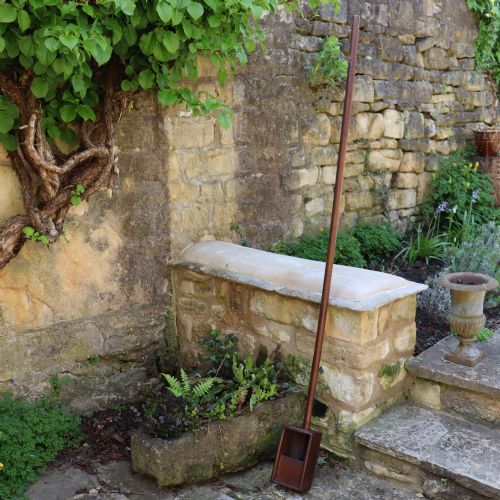
Some nineteenth-century church collection boxes arrived with arms long enough to reach indifferent parishioners slumberining in distant pews.
What varies in quality
The quality of an antique wooden ladle rests in the harmony of its proportions and the depth of its surface patina. Superior examples retain crisp carving lines where the bowl meets the stem, showing little erosion from centuries of scrubbing. The choice of timber also dictates quality, with dense sycamore and figured fruitwoods commanding greater interest than plain utility pine.
Pieces that retain unusual functional elements, such as hanging hooks or integrated spouts, demonstrate thoughtful original design. The integrity of the wood grain and the absence of clumsy modern repairs preserve the historical value of each utensil.
The Antique Wooden Ladle Glossary
- Treen
- Small handmade wooden domestic objects produced before the advent of modern plastics. This broad category includes spoons, bowls, ladles, and kitchen utensils.
- Patina
- The deep sheen and mellow surface colour developed on timber through decades of handling, polishing, and natural ageing. It serves as a key indicator of genuine age.
- Toddy ladle
- A small drinking vessel used for serving hot punch or whisky toddy from a communal bowl. These often feature turned wooden handles paired with silver or nut bowls.
- Alms dish
- A shallow receptacle used in ecclesiastical settings to collect monetary donations from church congregations. These items frequently display skilled turning or carving.
Antique Wooden Ladle: Frequently Asked Questions
What is an antique wooden ladle?
An antique wooden ladle is a hand-carved domestic utensil shaped from timber for serving liquids or food in past centuries.
These functional items belong to the broader category of treen and reflect the regional craft traditions of rural makers.
How were wooden ladles used?
People used these wooden utensils for everyday kitchen tasks such as skimming cream, basting meat, and serving broths.
Specialist variants like toddy ladles were also deployed at the dining table for serving punch and alcoholic drinks.
How do I care for wooden treen?
Keep antique wooden ladles away from direct heat sources and dramatic humidity changes to prevent the timber from splitting.
Maintain the surface by applying occasional coats of food-safe mineral oil or beeswax to nourish the dry grain.
How can I tell the age of a wooden ladle?
Age is determined by observing tool marks, timber selection, wear patterns, and the depth of the natural patina.
Stylistic details like regional folk art carvings and documented forms also help anchor pieces to specific centuries.