




Antique Wooden Nutcracker
An antique wooden nutcracker brings character to any table, offering hand-carved charm from the Georgian, Victorian, and Edwardian eras.
Antique Wooden Nutcracker
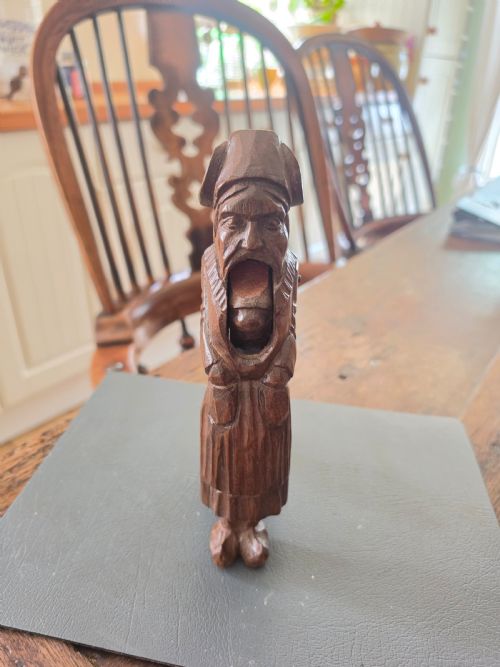
An antique wooden nutcracker is a functional object shaped by carvers into animals, fruit, and human forms. These pieces serve both practical cracking duties and display roles in domestic spaces.
The selection here draws primarily from nineteenth-century origins, featuring Victorian and Edwardian examples alongside Black Forest workshop output. Common domestic forms range from squirrels and acorns to clenched fists and walking canes.
How they were made
Carvers shaped these utensils from dense hardwoods including walnut, oak, fruitwood, and dark wood. These resilient timbers endured the high pressure required to split hard shells without splitting the tool itself.
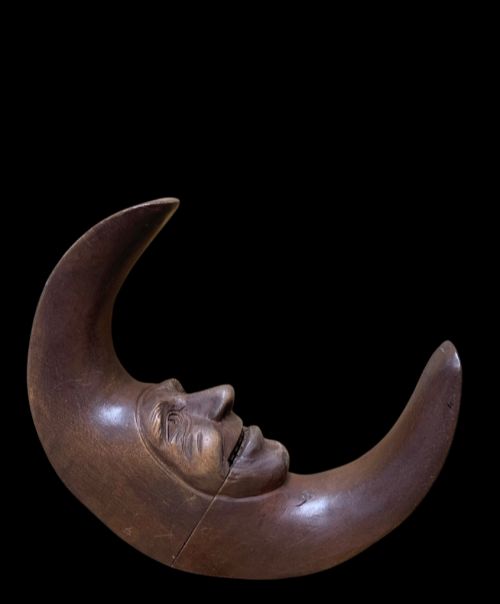
Makers utilised hand-carving techniques to shape detailed figural subjects like monkeys, the man in the moon, and clenched fists. Metal pins and hinges were integrated alongside glass eyes in select figural designs to articulate the jaw.
Antique Wooden Nutcracker Retail Price Guide 2026
Typical asking prices for wooden nutcracker among the pieces listed under this phrase on Sellingantiques today, from the lower quarter to the upper quarter. They describe what is for sale here now, not the wider market.
What varies in quality
Carving depth and anatomical expression divide standard utility items from superior sculptural work. Pieces with expressive faces, deep relief, and careful hand-tooling demonstrate greater artisan skill.
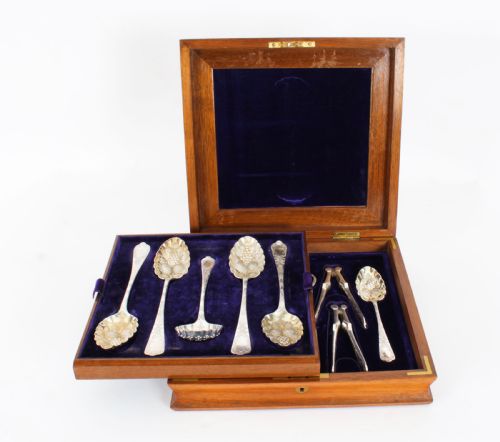
Design complexity also elevates certain examples, such as those incorporating walking cane mechanisms, boxed fruit sets, or signed maker details. Untouched original timber surfaces with warm patination hold higher appeal than heavily restored examples.
The Antique Wooden Nutcracker Glossary
- Black Forest
- A style of wood carving originating from the mountain region in Central Europe, known for realistic animal and figural subjects. These carvings frequently utilise walnut and exhibit deep relief work.
- Treen
- Small handmade wooden objects for the home, encompassing items like nutcrackers and small boxes. The term derives from old wood terminology.
- Fruitwood
- Timber sourced from fruit-bearing trees such as pear or apple, favoured by carvers for its fine grain and smooth finish. This material allows for crisp detail in small-scale carvings.
- Gadget
- A term applied to nineteenth-century mechanical novelty items that combine utility with clever functional engineering. In nutcrackers, this involves concealed levers or cane mechanisms.
Antique Wooden Nutcracker: Frequently Asked Questions
How do I date an old nutcracker?
Dating relies on style, timber patination, and mechanical construction. Nineteenth-century examples often display hand-carved foliate or figural motifs characteristic of Victorian folk art and Black Forest workshops.
Changes in metal hinge design and wear patterns around the pivot point also help establish the age of the piece.
Are these nutcrackers still functional?
Many survive in working condition, utilising lever or screw mechanisms to crack shells. However, vintage mechanisms require gentle handling to preserve aged timber and original joints.
Most collectors choose to display them as decorative treen rather than using them for daily kitchen tasks.
What is Black Forest woodcarving?
Black Forest carving refers to nineteenth-century decorative wooden objects produced in European forest regions. These pieces are celebrated for naturalistic animal subjects, particularly bears, dogs, and squirrels.
Walnut was the primary wood used by these carvers to achieve rich dark tones and durability.
How should I clean antique wood?
Cleaning should be limited to dusting with a dry, soft cloth to protect the historic surface patination. Avoid water, harsh detergents, or modern polishes that can strip natural oils from the timber.
Occasional application of microcrystalline wax helps preserve exposed grain without building up a heavy residue.