





Nineteenth Century Treen
Nineteenth century treen brings utilitarian wooden objects from everyday domestic life into a modern interior.
Nineteenth Century Treen
Nineteenth century treen covers a wide array of small wooden household items, kitchenalia, and personal accessories shaped by hand or lathe. Buyers encounter functional objects ranging from utilitarian salt containers and herb chopper bowls to decorative lovespoons, snuff boxes, and toy rattles.
The material origins stretch across regional British and European workshops, featuring distinct styles such as Victorian folk art, Welsh folk art, and Swiss folk art. Pieces emerge from domestic necessity, combining humble utility with vernacular design.
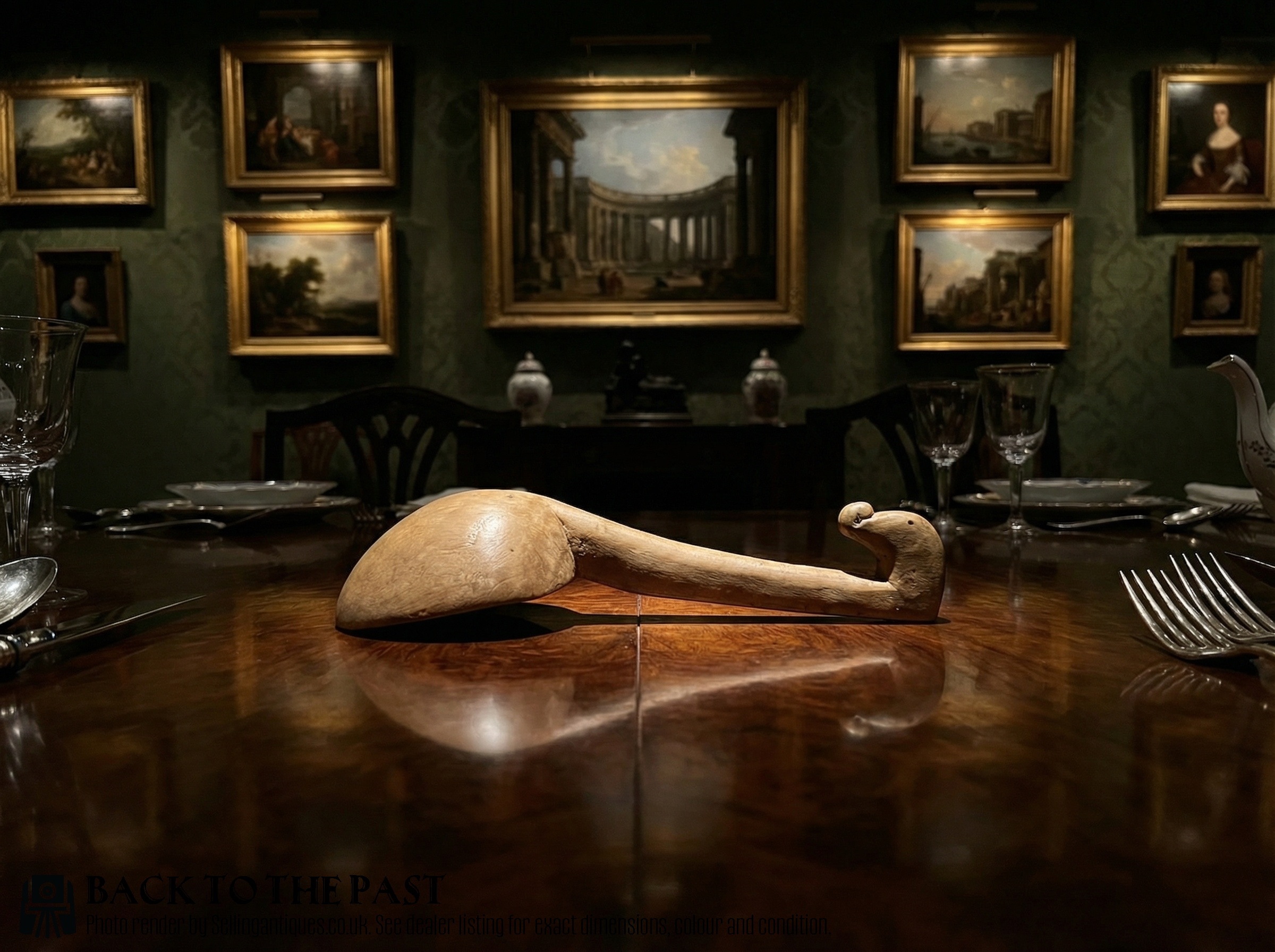
Materials and construction methods
Craftsmen utilised dense domestic hardwoods, predominantly fruitwood, sycamore, boxwood, mahogany, and oak, chosen for their grain stability and tactile warmth. Lignum vitae appears for heavy-duty items like string barrels due to its exceptional weight and durability.
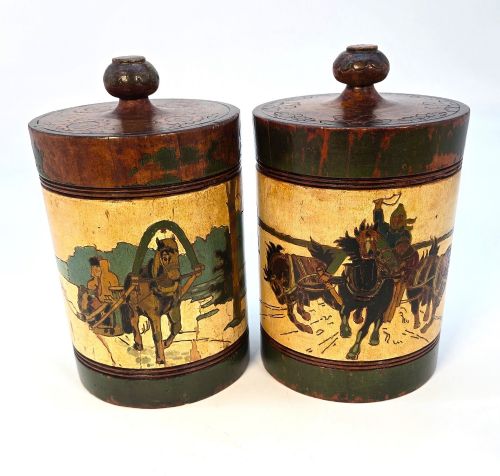
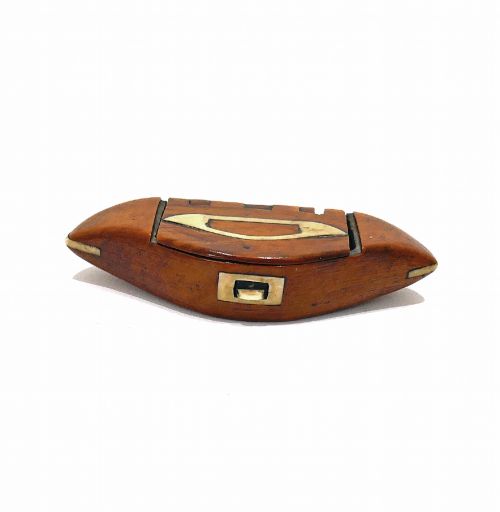
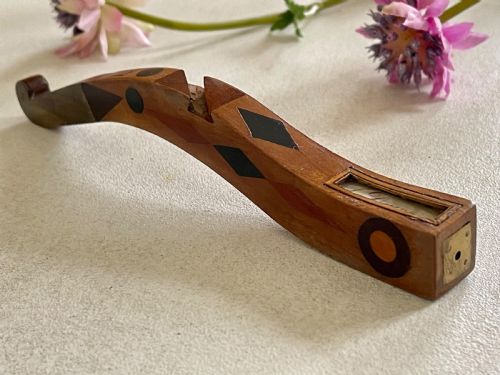
Makers shaped these woods through lathe turning or hand carving, often embellishing surfaces with punchwork, incised lines, bone inlay, or polychrome paint. Detail work such as carved vine leaves or geometric diamond inlays reflects regional traditions.
Nineteenth Century Treen Retail Price Guide 2026
Typical asking prices for nineteenth century treen among the pieces listed under this phrase on Sellingantiques today, from the lower quarter to the upper quarter. They describe what is for sale here now, not the wider market.
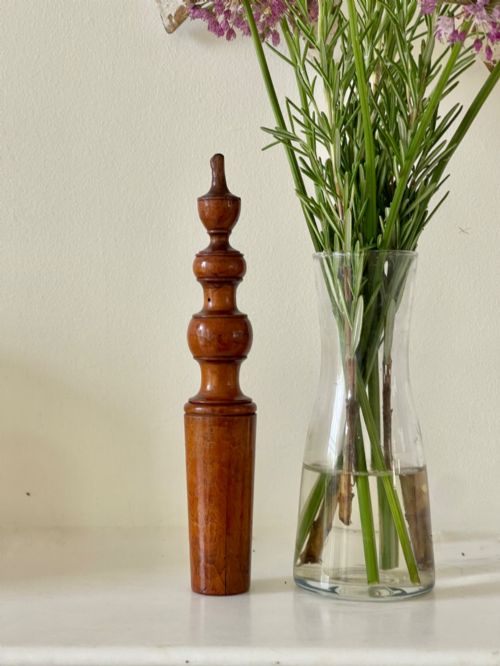
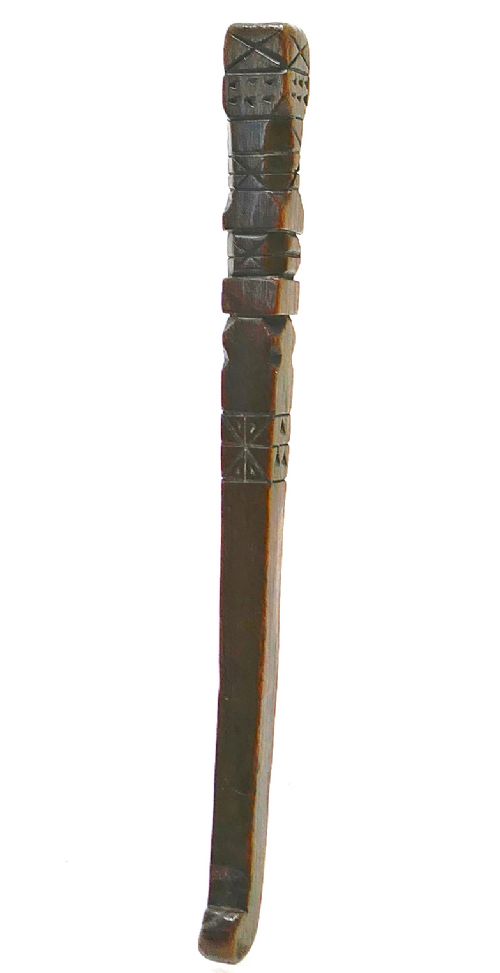
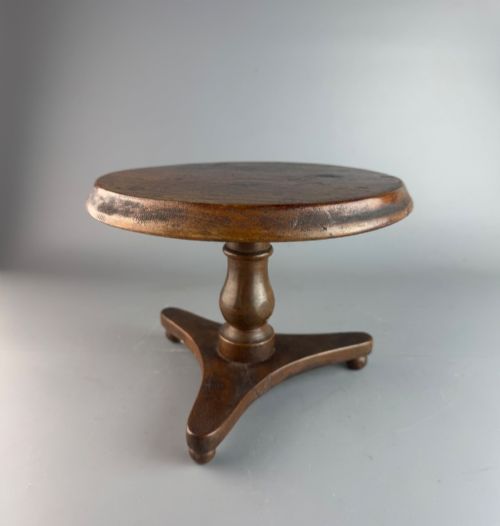
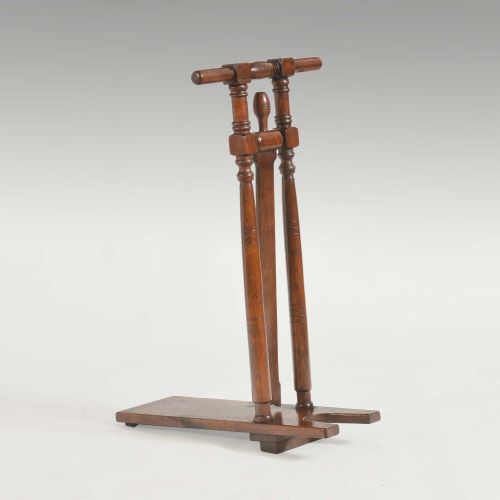
Object forms documented on this site include toys, knitting sheaths, candlestands, tobacco containers, lemon squeezers, snuff boxes, lovespoons, and bootjacks.
Distinctions in quality and execution
Quality rests in the crispness of the turning and the depth of the carving, distinguishing casual vernacular work from pieces executed with deliberate artistic intent. The preservation of original surface patination and honest wear also governs desirability.
Elaborate decorative techniques, such as intricate bone inlay or complex novelty mechanisms in snuff boxes and nutcrackers, elevate a piece above standard utilitarian production.
The Nineteenth Century Treen Glossary
- Treen
- Small handmade wooden objects designed for domestic or personal use. The term derives from old English meaning of tree or wood.
- Knitting sheath
- A carved wooden device tucked into a belt or apron string to hold a knitting needle steady. They often display punchwork and incised line decoration.
- Lovespoon
- A decorative wooden spoon carved as a token of affection, featuring motifs like vine leaves and geometric patterns. Welsh and Swiss examples are particularly notable.
- String barrel
- A turned wooden container designed to dispense ball twine through a central aperture. Larger examples often employ dense timbers like lignum vitae.
- Bilboquet
- A traditional cup-and-ball toy requiring dexterity to catch the ball on a spike or in a cup. Boxwood versions were common for children.
Nineteenth Century Treen: Frequently Asked Questions
How were wooden treen items used?
These objects served practical daily functions in the home, kitchen, and workshop. Items like herb chopper bowls, salt containers, and lemon squeezers assisted with food preparation, while knitting sheaths aided textile work.
Other pieces had personal or leisure purposes, including tobacco containers, corkscrews, pocket snuff boxes, and bilboquet toys.
What woods did makers use?
Turners and carvers selected dense, close-grained timbers that could withstand regular handling and sharp detail work. Fruitwood, sycamore, boxwood, oak, and mahogany appear frequently across the period.
Heavy items such as string barrels often utilised exceptionally dense woods like lignum vitae, while decorative elements occasionally incorporated bone inlay or polychrome paint.
How do I identify regional styles?
Regional styles reveal themselves through specific decorative motifs, carving techniques, and local timber preferences. Welsh pieces often include traditional lovespoons and kitchen treen with distinctive folk art carving.
Swiss objects frequently showcase Alpine plant motifs and detailed incised work, whereas English items span utilitarian kitchenalia and Tunbridge Ware inlaid baskets.
How should I care for treen?
Treen requires stable environmental conditions away from direct sunlight, excessive heat sources, and rapid humidity fluctuations to prevent wood splitting. Gentle dusting preserves the original surface patination.
Harsh chemical cleaners should be avoided, as they strip the historic wax and oil buildup that develops over centuries of use.