
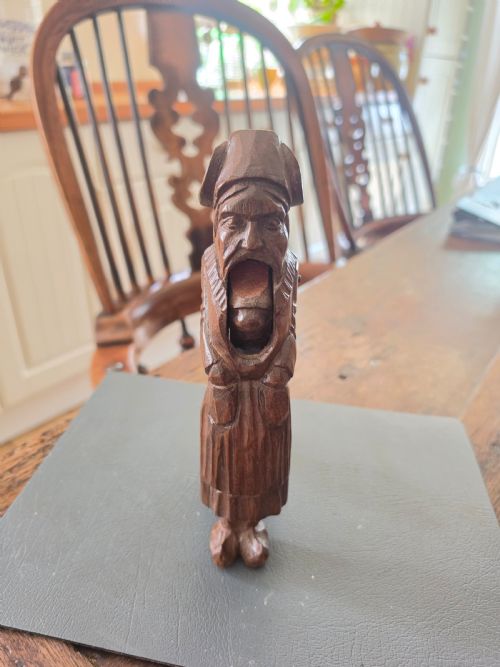
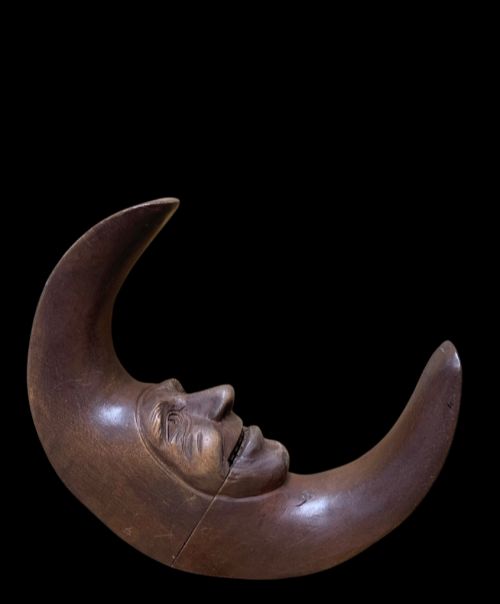


Hand Carved Nutcracker
A hand carved nutcracker brings functional folk art into the home, shaped from walnut, oak, and fruitwood across the nineteenth and early twentieth centuries.
Hand Carved Nutcracker
The pieces seen on this page span the Victorian and Edwardian eras, alongside Georgian treen examples and Black Forest carvings.
Buyers will encounter figural designs including squirrels, monkeys, and clenched fists alongside classic utilitarian forms.
How they were made
Carvers utilised local timber stocks such as walnut, oak, linden wood, and fruitwood, selecting dense grains suited to mechanical pressure.
Detailing was achieved entirely by hand using chisels and gouges to shape realistic fur, facial expressions, and natural textures.
Hand Carved Nutcracker Retail Price Guide 2026
Typical asking prices for hand carved nutcracker among the pieces listed under this phrase on Sellingantiques today, from the lower quarter to the upper quarter. They describe what is for sale here now, not the wider market.
Listings feature woods including walnut, oak, linden wood, and fruitwood across the nineteenth and early twentieth centuries.
What varies in quality
Quality rests upon the depth of the carving and the anatomical accuracy or expressive character given to the animal or human subject.
Subtle touches like glass inset eyes or signed maker details elevate a piece above standard utilitarian workshop production.
The Hand Carved Nutcracker Glossary
- Black Forest
- A style of wood carving originating from the mountain region of central Europe, noted for realistic animal and natural motifs. These pieces typically utilise walnut or linden wood.
- Treen
- Small handmade wooden objects for domestic use, prized for their smooth patination built up through handling. Georgian examples often take simple botanical forms like acorns.
- Fruitwood
- Dense timber gathered from fruit-bearing trees such as apple or pear, chosen by carvers for its fine grain and warm tone. It allows for crisp detailing on small domestic items.
Hand Carved Nutcracker: Frequently Asked Questions
How do I date a wooden nutcracker?
Dating relies upon the timber species, the style of carving, and any provenance or signatures present on the piece. Victorian and Edwardian examples often display distinct regional motifs.
Comparison with documented domestic treen and folk art helps narrow the period of manufacture. Wear patterns also indicate the age of the timber.
Are these nutcrackers still functional?
While many historic pieces retain their mechanical leverage and wooden screw or hinge mechanisms, modern usage can risk damaging fragile antique carvings.
Collectors generally choose to display them rather than put them to daily domestic service. Preserving the original wood and patina is the primary concern.
What woods were used for carving?
Carvers selected hard, close-grained timbers that could withstand the pressure of cracking shells without splitting. Walnut, oak, and fruitwood are commonly seen.
Linden wood was also favoured in the Black Forest region for its soft workability and pale, even colour.
What is Black Forest carving?
Black Forest carving refers to decorative and functional wooden objects produced in Switzerland and Germany during the nineteenth century. They are celebrated for lifelike animal figures.
Bears, dogs, and squirrels holding nuts are typical subjects within this distinctive tradition.