


Vintage Nut Cracker
These vintage nut cracker examples span the nineteenth century and the Edwardian era, offering practical tableware carved from walnut, hardwood and linden wood alongside cast brass.
Vintage Nut Cracker
When you search for a vintage nut cracker, you encounter utilitarian tableware transformed through carving and casting into functional conversation pieces. The selections on this page bridge the nineteenth century, the Edwardian period and the early twentieth century.
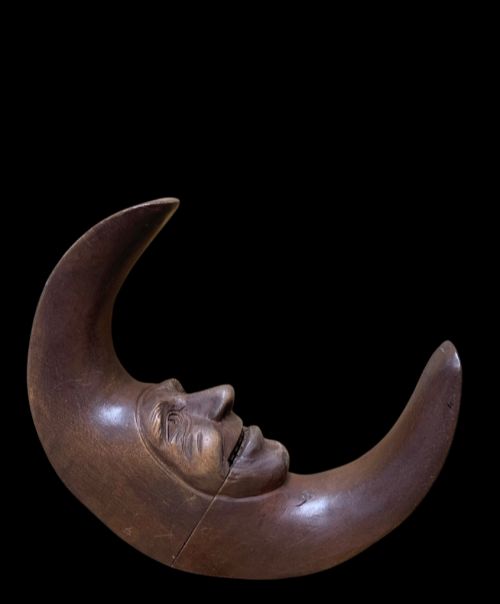
You meet various forms ranging from plain turned treen acorns to expressive Black Forest carvings depicting a clenched fist or a man in the moon. Folk art examples dominate, showing rustic charm alongside detailed figural work.
Materials divide broadly between warm timbers like walnut and linden wood and heavily cast brass or silver plate. These domestic items served dining rooms across Britain and Europe, surviving through robust construction and daily utility.
How they were made
Makers utilised hardwoods such as walnut and linden wood, shaping the timber through manual carving to produce deep relief and organic forms. Hand tools allowed artisans to carve intricate details like knuckles or facial expressions directly into the grain.
Foundry work involved casting molten brass and silver plate, creating rigid lever mechanisms and sculptural designs that required finishing by hand. Treen items relied on woodturning lathes to achieve smooth, symmetrical shapes resembling natural objects like acorns.
Folk art and Black Forest styles appear frequently, taking the form of hands, celestial faces and natural objects like acorns.
What varies in quality
The distinction between ordinary and exceptional pieces lies in the depth and sharpness of the carving. Artisans working in the Black Forest tradition achieved lively expression through careful undercutting and attention to naturalistic texture.
Material selection and metal casting fidelity dictate the upper tier of the range. Finely cast brass or silver plate shows crisp detailing without surface pitting, while superior wooden examples utilise dense dark hardwoods that retain structural integrity at the hinge.
The Vintage Nut Cracker Glossary
- Treen
- Small wooden domestic objects made by turning or carving. These items range from simple kitchenware to decorative treen nutcrackers shaped like acorns.
- Black Forest
- A style of wood carving originating from the mountainous region of Central Europe. Pieces typically depict animals or figural motifs such as clenched fists.
- Silver plate
- A base metal coated with a thin layer of silver. This technique provided the appearance of solid silver for nineteenth century tableware.
Vintage Nut Cracker: Frequently Asked Questions
What wood was used for these?
Makers relied on durable timbers including walnut, linden wood and dark hardwoods. These materials provided the necessary strength for leverage while accepting intricate hand carving.
Linden wood offered a fine grain suited to detailed figural work, whereas walnut supplied rich natural colour and density for heavy use.
How do I date an old nutcracker?
Dating relies on stylistic markers, construction methods and period characteristics associated with nineteenth century and Edwardian manufacturing. Victorian and Georgian examples often show distinct turning patterns or folk art motifs.
Packaging provides additional context when original presentation boxes survive alongside silver plated tableware and matching picks.
What is Black Forest carving?
Black Forest carving refers to nineteenth century decorative woodwork originating in Central Europe. These pieces are celebrated for naturalistic depictions of wildlife, hands and human figures.
Artisans utilised local walnut and linden wood to create tactile, expressive items that served functional roles on dining tables.
How were these used originally?
These items functioned as practical tableware placed on dining tables for cracking walnuts and hazelnuts after meals. The leverage mechanisms allowed diners to apply steady pressure without damaging the kernels.
Beyond utility, figural designs served as decorative conversation pieces during Victorian and Edwardian dinner parties.