
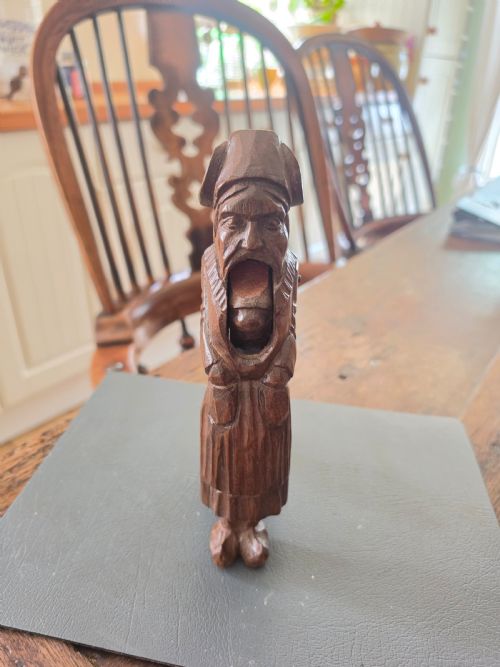
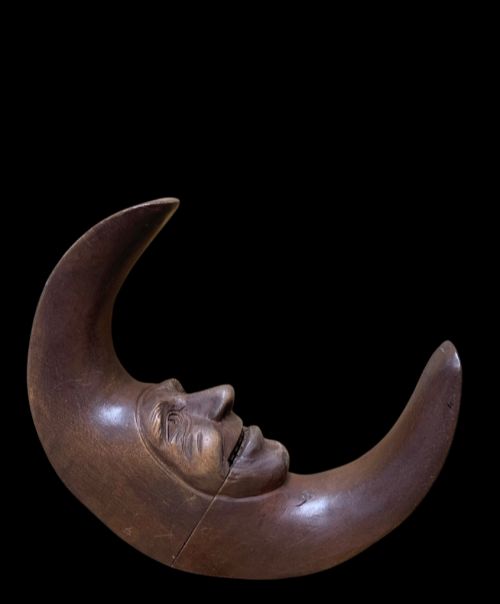


Vintage Carved Nutcracker
These vintage carved nutcracker pieces bring character and tactile charm to any room, offering both sculptural presence and functional design.
Vintage Carved Nutcracker
The objects here span distinct periods including the Victorian era, the Edwardian period, and the decades around nineteen hundred. Black Forest origins and folk art traditions strongly shape the character of these items.
Common forms on this page include squirrels, monkeys, fists, and celestial motifs like the man in the moon. Each example serves as a tangible link to historical carving traditions and domestic habits of the past.
Materials and Construction
Carvers shaped these objects primarily from dense hardwoods, walnut, oak, fruitwood, and linden wood. These timbers provided the necessary strength and grain definition for detailed figural carving.
Artisans utilised hand carving techniques to shape natural materials into complex three dimensional forms such as clenched fists and acorns. The reliance on manual tools ensures that tool marks and individual carving nuances remain visible on the wood surface.
Assessing Quality
The standard of carving execution dictates the quality range across these pieces, distinguishing simpler workshop output from master works. Crisp detail work in facial expressions and naturalistic textures elevates certain examples above standard utilitarian items.
Material selection also plays a role, with choice hardwoods and well figured walnut commanding greater appreciation among collectors. The preservation of the original surface patina directly influences the overall desirability of each piece.
The Vintage Carved Nutcracker Glossary
- Treen
- Small wooden domestic objects made before the widespread use of plastics. These items include kitchenware and decorative turned or carved pieces.
- Black Forest
- A style of wood carving originating from the mountainous region of Germany and Switzerland during the nineteenth century. It is known for realistic depictions of animals and rustic foliage.
- Folk art
- Artistic work created within a traditional culture by self taught or untrained artisans. These pieces prioritise functional utility and expressive design over academic convention.
- Fruitwood
- Timber derived from fruit bearing trees such as apple, pear, or plum. Carvers favoured it for its fine grain and smooth texture which suits intricate detailing.
Vintage Carved Nutcracker: Frequently Asked Questions
What is a vintage carved nutcracker?
These items are functional wooden tools shaped into decorative figures, animals, or symbolic forms. They combine practical utility with traditional carving artistry.
Most examples date from the nineteenth or early twentieth century and reflect regional folk art traditions across Europe.
How were these nutcrackers used?
Owners operated them manually using lever mechanisms or screw threads to crack the hard shells of nuts during meals or social gatherings. They sat on dining tables or sideboards as both utensils and conversation pieces.
Their robust construction allowed them to withstand daily domestic pressure while remaining decorative.
How do I identify a Black Forest nutcracker?
Black Forest carvings typically feature naturalistic animals such as bears, squirrels, or monkeys rendered with deep relief and textured fur. They originate from European forest regions and display distinct rustic motifs.
Fist and hand motifs also appear frequently within this specific regional tradition.
What woods were used for carving?
Carvers selected dense and resilient timbers capable of holding fine details without splitting under pressure. Common choices included walnut, oak, fruitwood, and linden wood.
These materials develop a rich patina through handling and age.