
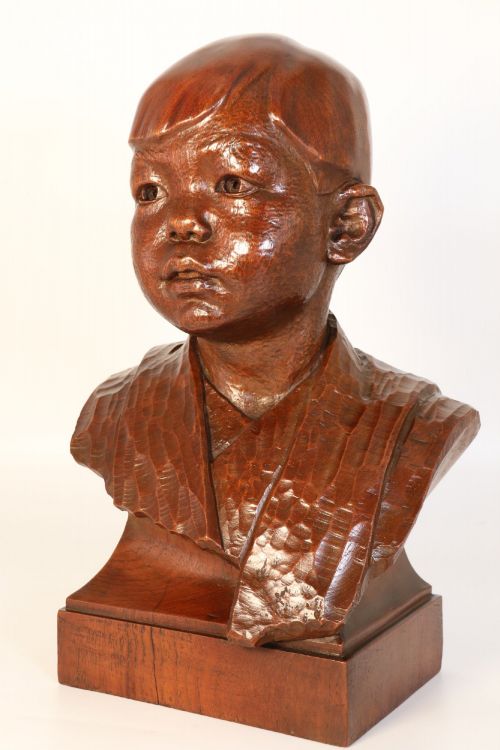


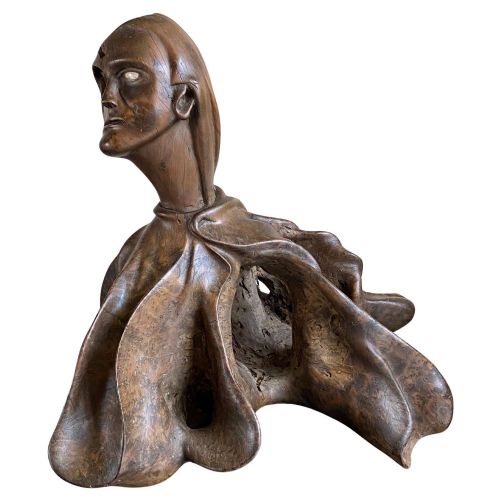


Figurative Wood Carving
Figurative wood carving brings human and animal forms to life through masterly sculptural craft, offering collectors rich historical character for the home.
Figurative Wood Carving
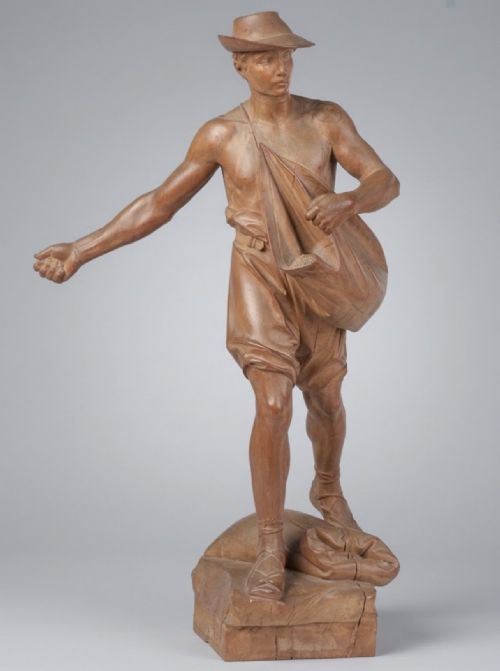
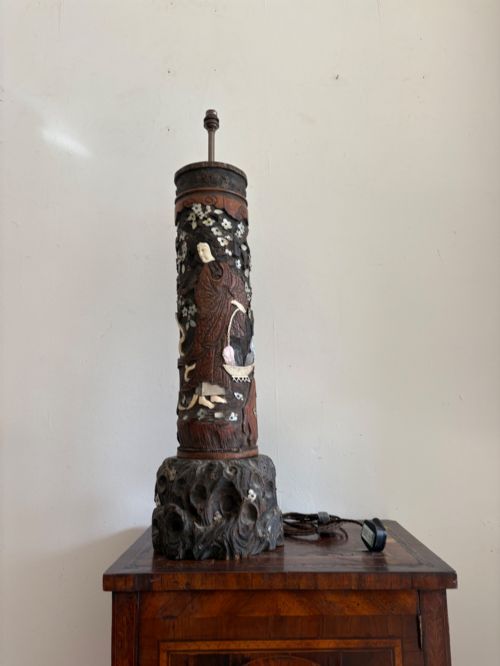
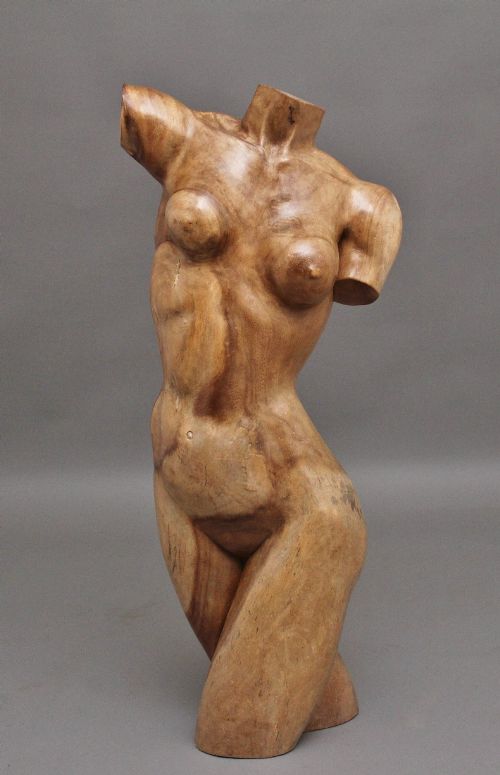
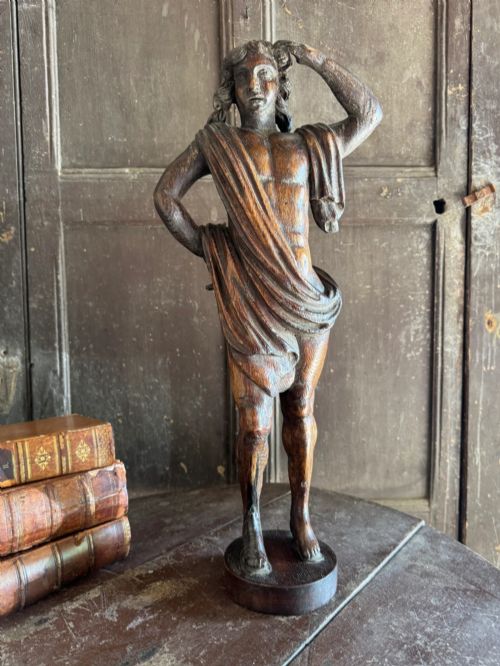
Figurative wood carving encompasses sculpted human and animal forms executed across multiple centuries, ranging from seventeenth-century architectural panels to twentieth-century modernism. These pieces appear in varied functional and decorative formats, including portrait busts, nutcrackers, furniture supports, lamps, and freestanding sculptures.
The selections encountered here bridge European traditions such as Black Forest animal works and classical figures with non-European expressions like Japanese Meiji brush pots and Chinese root wood carvings. Buyers will frequently find nineteenth-century walnut and oak items alongside early twentieth-century modernist interpretations of the human form.
How They Were Made
Artisans typically utilised dense hardwoods such as walnut, oak, fruitwood, and limewood, which allowed for intricate detail without splitting during the carving process. Selection of the timber determined the final texture, with burr woods and ebonised finishes providing specific visual depth to figures.
Carvers employed specialised gouges and chisels to shape the timber directly from the block, sometimes integrating natural elements like roots or bamboo into the composition. Surface treatments ranged from polished wax and dark staining to detailed polychrome painting.
Object types span practical household furnishings like nutcrackers and side tables alongside pure sculptures and wall art.
What Varies in Quality
The choice and preservation of the timber material significantly influence the standard of the piece, with well-figured walnut and undamaged fruitwood representing superior execution. Original surface patination accumulated over centuries adds distinction that over-cleaned examples lack.
George Henry Paulin RBS·Boudewijn Tuerlinckx·Hans Müller
The Figurative Wood Carving Glossary
- Black Forest
- A nineteenth-century Swiss and German style known for deeply carved wooden animals, bears, and foliar motifs often integrated into furniture or functional objects. These pieces utilised native linden and walnut timbers.
- Meiji Period
- The era in Japanese history spanning from 1868 to 1912, marked by exceptional precision in decorative arts and intricate wood carving. Works from this period frequently display meticulous attention to natural textures.
- Fruitwood
- A dense, pale timber sourced from trees such as pear, apple, or cherry, favoured by carvers for its fine grain and lack of prominent growth rings. It permits extremely sharp, minute detailing.
- Walnut
- A heavy, dark hardwood prized for its rich grain patterns and durability in structural and figurative carving. It took high polish and resisted splitting during complex sculptural reduction.
- Folk Art
- Utilitarian or decorative objects created by self-taught or traditional makers outside academic artistic circles. These carvings prioritise rustic charm and direct expression over strict classical proportions.
Figurative Wood Carving: Frequently Asked Questions
What periods do these carvings date from?
The selection spans from the seventeenth century through to the mid-twentieth century, capturing shifting artistic movements across Europe and Asia.
Earlier centuries are represented by architectural panels and classical figures, while the nineteenth and twentieth centuries introduce folk art, modernist torsos, and regional specialities.
How were figurative wood carvings used originally?
Many pieces served dual purposes as both decorative sculpture and functional household objects, including nutcrackers, table lamps, hall chairs, and clock cases.
Others functioned purely as aesthetic representations, such as portrait busts, wall brackets, and framed sculptural artwork intended for display.
How should I care for antique wood carvings?
Maintain stable indoor humidity levels and keep wooden sculptures away from direct heat sources to prevent the timber from drying and splitting.
Dust gently with a soft brush and occasionally apply a neutral beeswax to preserve the natural lustre of the aged surface.
How can I tell regional carving styles apart?
European Black Forest items typically feature realistic woodland animals and deep relief foliage, whereas Asian works often incorporate bamboo, root wood, or distinct cultural iconography.
Folk art pieces display less formal academic training, favouring expressive local character over strict classical proportion.