
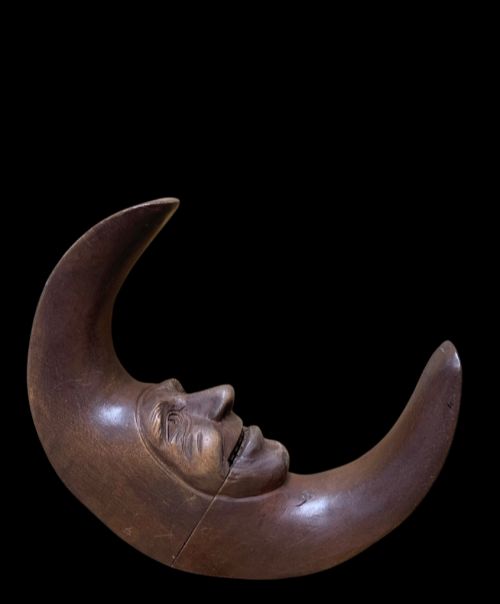


Brown Wood Nutcracker
A brown wood nutcracker is a carved timber tool designed to crack shells while bringing character and history to the table.
Brown Wood Nutcracker
A brown wood nutcracker is a carved timber implement shaped into figurative and natural forms such as animals, acorns, or hands. Buyers searching for a brown wood nutcracker encounter figural carvings, treen items, and Black Forest pieces that double as decorative objects.
The pieces on this page span the Georgian, Victorian, and later nineteenth-century periods, alongside examples dated around nineteen hundred and nineteen ten. Makers frequently utilised familiar natural motifs, resulting in squirrels, monkeys, and moons rendered in substantial timber.
The most common examples follow the Black Forest and folk art traditions, showing hand-carved details that reflect nineteenth-century craftsmanship. These objects survive as functional treen and decorative carvings that appeal to collectors of domestic timberwork.
Materials and construction
Carvers shaped these nutcrackers from hardwoods including walnut, fruitwood, linden wood, and dark hardwood. The selection of dense timber allowed artisans to carve intricate details without compromising the structural integrity required for cracking shells.
Listings feature items spanning the Georgian, Victorian, and later nineteenth-century periods, executed in walnut, fruitwood, and linden wood.
Judging quality in carved nutcrackers
Quality rests upon the depth and precision of the hand-carving, distinguishing spirited naturalistic forms from stiff or flat execution. Superior examples display anatomical accuracy in subjects like squirrels and monkeys, with expressive faces and well-defined textures.
The choice of material dictates longevity and visual depth, with dense fruitwood and walnut accepting sharper detail than softer timbers. Integration of the functional hinge mechanism within the sculptural form also separates standard production from superior carving.
The Brown Wood Nutcracker Glossary
- Treen
- Small handmade wooden domestic objects. These items were turned or carved for everyday use in the historic home.
- Black Forest
- A style of woodcarving originating from the Swiss-German border region. This tradition produced highly detailed animal and figural sculptures during the nineteenth century.
- Fruitwood
- Timber sourced from fruit-bearing trees such as pear or apple. Carvers favoured this wood for its fine, even grain and warm colour.
- Folk art
- Utilitarian and decorative objects created by self-taught or traditional artisans. These pieces reflect regional styles and practical domestic needs.
- Hardwood
- Dense timber from broad-leaved trees. This material provides the necessary strength for mechanical items subject to pressure.
Brown Wood Nutcracker: Frequently Asked Questions
What are brown wood nutcrackers made of?
These pieces are carved from various dense timbers including walnut, fruitwood, linden wood, and general hardwood. Artisans selected these materials for their strength and ability to hold fine detail.
The natural grain of the wood often contributes significantly to the visual appeal of the finished carving. Different species also weather and patina uniquely over decades of handling.
How do I date a wooden nutcracker?
Dating relies on stylistic markers, the character of the hand-carving, and the period conventions visible in the subject matter. Nineteenth-century examples often display the naturalistic detailing typical of Black Forest production.
Material choices and the wear patterns on the timber also provide clues to age. Comparing the mechanical construction to documented examples helps narrow down the decade.
Were these nutcrackers used or displayed?
They functioned as practical dining table implements for cracking nuts during desserts and social gatherings. Their sculptural forms meant they also sat visibly on sideboards when not in active service.
This dual role of tool and ornament accounts for the high level of detail found in many surviving pieces. Owners valued both their mechanical utility and their decorative presence.
What is Black Forest carving?
Black Forest carving is a regional style of woodwork known for realistic depictions of animals and rustic scenes. Artisans in this tradition produced items ranging from large furniture to small domestic tools.
Squirrels, bears, and clenched fists frequently appear within this genre of nineteenth-century craft. The style is distinguished by deep relief and lifelike textures.
How should I care for antique treen?
Maintain the timber by keeping it away from direct sunlight and sudden changes in temperature. Excessive heat can cause the wood to dry out and split.
Occasional light cleaning with a dry cloth preserves the historic surface without stripping the accumulated patina. Avoid harsh chemical polishes that can damage the old finish.