


Black Forest Folk Art
Black forest folk art pieces are carved wooden bears, figures and furniture that bring authentic Alpine character into a room.
Black Forest Folk Art
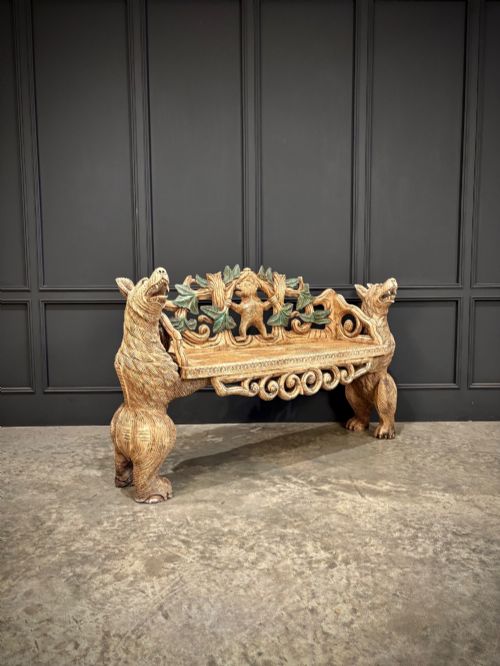
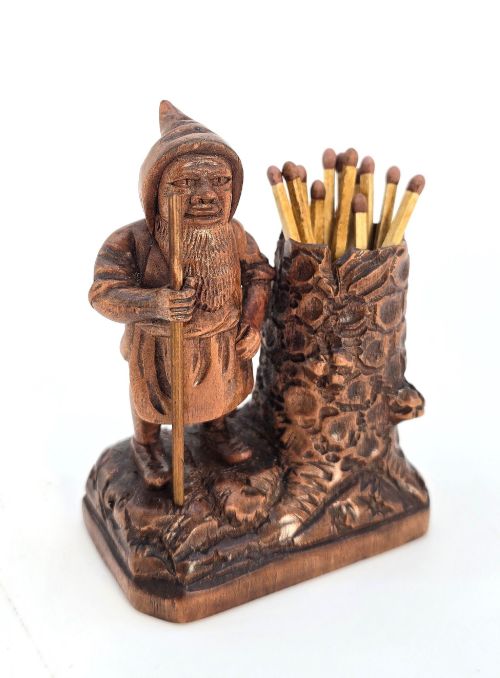
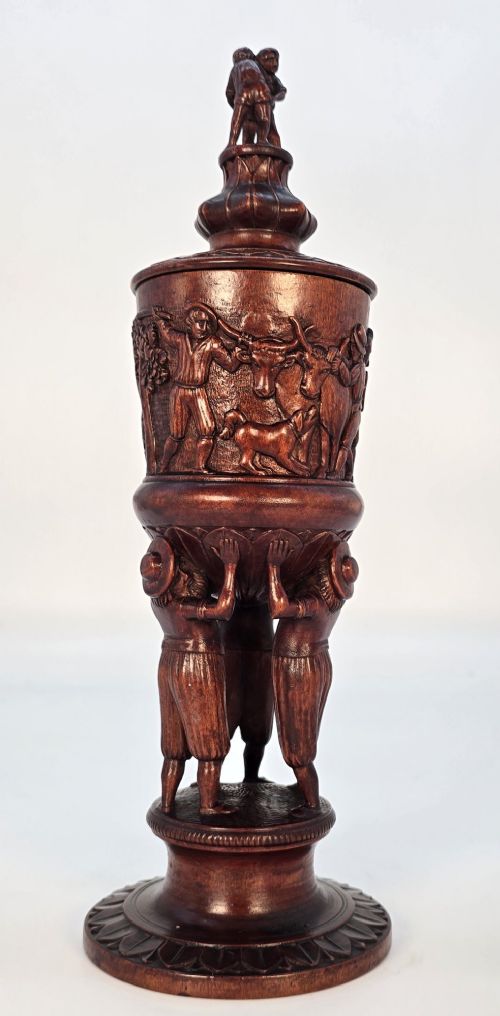
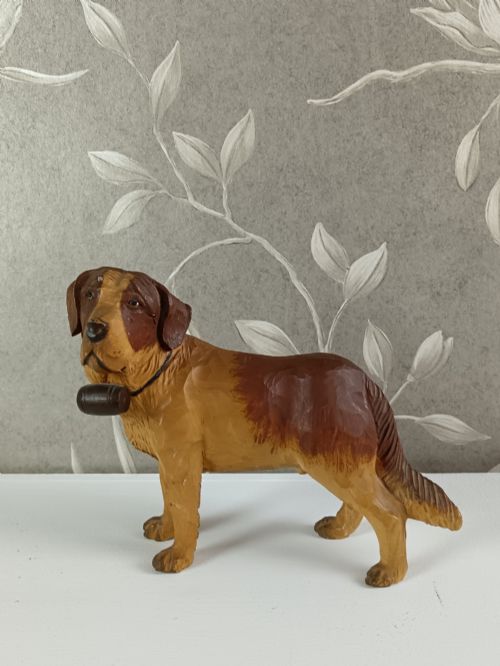
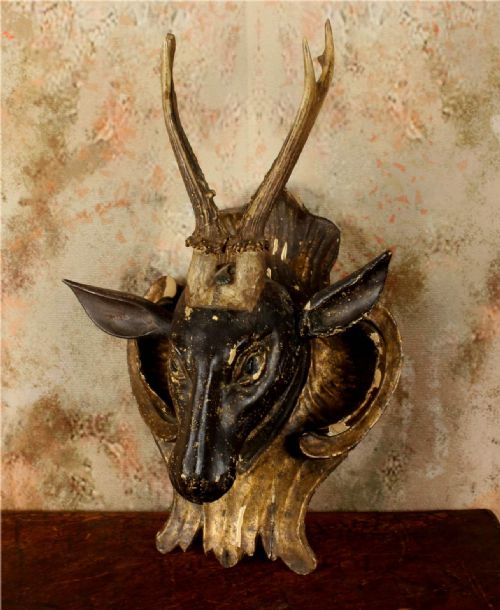
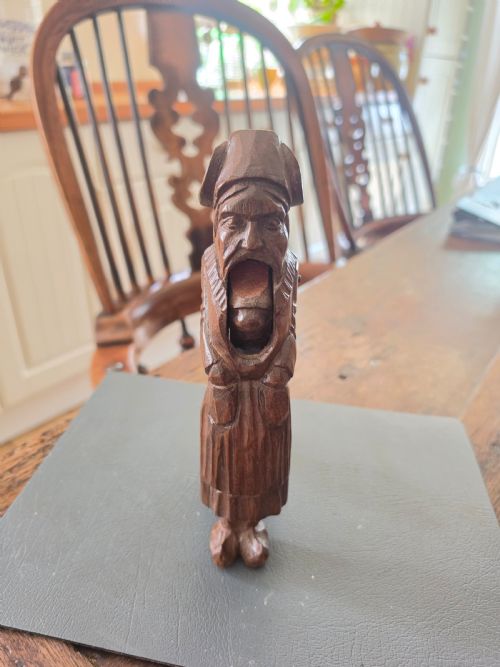
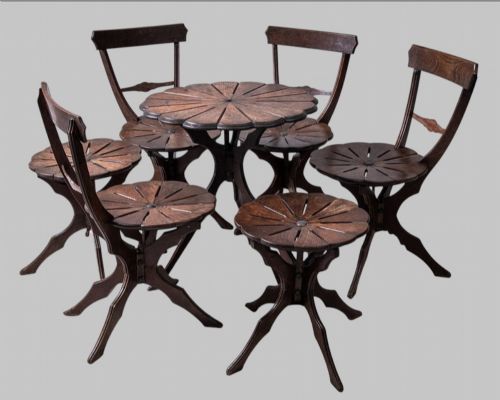
When you search for black forest folk art, you encounter a distinct genre of wooden carving originating from European forest regions, particularly Switzerland and Germany, during the nineteenth and early twentieth centuries. These pieces encompass functional items such as nutcrackers, match holders, clocks and benches, alongside purely decorative figures of bears, dogs, deer and human subjects.
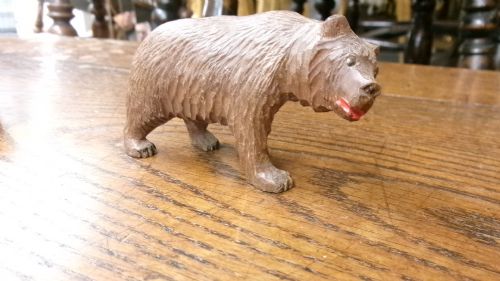
The most common examples on this page are carved bears, often depicted standing, sitting or forming parts of larger items like hall stands and benches. Alongside ursine figures, the listings feature domestic animals, wildlife, peasants and characters from folklore rendered in rich, dark timber.
How they were made
Carvers utilised native European timbers, predominantly walnut, linden wood, oak and beech, selecting woods with tight grains that allowed for deep, expressive detailing. Linden wood provided a soft, pale medium ideal for intricate facial expressions and fine fur texture, whilst harder walnut and oak served structural roles in furniture and large animal sculptures.
The working process relied entirely on hand tools, with artisans employing gouges and chisels to shape the timber before finishing the surface with wax, polish or occasional paint. Articulated joints, inset glass eyes and applied antlers appear on specific pieces, demonstrating a high degree of specialised joinery and assembly alongside carving.
Poachers carrying game double as candlesticks, keeping watch over the mantelpiece with rustic charm.
What varies in quality
The distinction between ordinary and exceptional carving lies in the anatomical accuracy and the depth of undercut relief work. Superior pieces display lifelike musculature, expressive eyes and dynamic movement, whereas lesser examples rely on stiff, simplified blocking with minimal surface texture.
The Black Forest Folk Art Glossary
- Swiss Brienz
- A prominent centre of wood carving in Switzerland known for producing highly detailed animal and human figures. Carvers from this region supplied much of the export market during the nineteenth century.
- Nutcracker
- A mechanical carving designed to crush shells using lever action, frequently shaped as animals or human figures. The mechanism is integrated directly into the wooden sculpture.
- Escabelle
- A traditional style of wooden chair with a high back and solid panel construction, often associated with Alpine folk furniture. These chairs feature carved decorative motifs reflecting regional design.
- Match holder
- A small wall-mounted or freestanding container incorporating a striking surface for matches. They often take whimsical figurative forms, such as gnomes or animals.
Black Forest Folk Art: Frequently Asked Questions
What subjects are most common?
Bears remain the dominant subject, appearing individually, in pairs, or integrated into furniture like benches and hall stands. Other frequent subjects include dogs, cattle, deer, and figures from European folklore.
The selection also encompasses functional objects such as clocks, match holders, occasional tables, and nutcrackers shaped as animals or human characters.
How do I identify Swiss Brienz pieces?
Swiss Brienz carvings are typically characterised by exceptional anatomical precision, particularly in animal figures and human portraits. The carvers utilised pale linden wood and achieved remarkably fine textures for fur, hair, and clothing.
Many of these pieces originated from workshops in the Bernese Oberland region during the late nineteenth century, often destined for travellers visiting the Alps.
How do I care for wooden carvings?
Keep carved wooden pieces away from direct sunlight and heat sources to prevent the timber from drying out and cracking. Maintain a stable indoor environment with moderate humidity levels.
Apply a light application of colourless beeswax periodically to nourish the wood and preserve the depth of the carved finish without building up residue.
Are all these pieces from Germany?
Whilst the term encompasses German production, a significant portion originates from Swiss workshops, particularly in the Brienz region. Items span various European Alpine traditions rather than a single geographic origin.
Materials and carving styles reflect the specific forested regions where the artisans lived and worked during the nineteenth and early twentieth centuries.