


Silver Mounted Bowls
Silver mounted bowls bring together lustrous metal rims, collars or lattice frames with vessels formed from deep cut crystal, rich woods and ceramics.
Silver Mounted Bowls
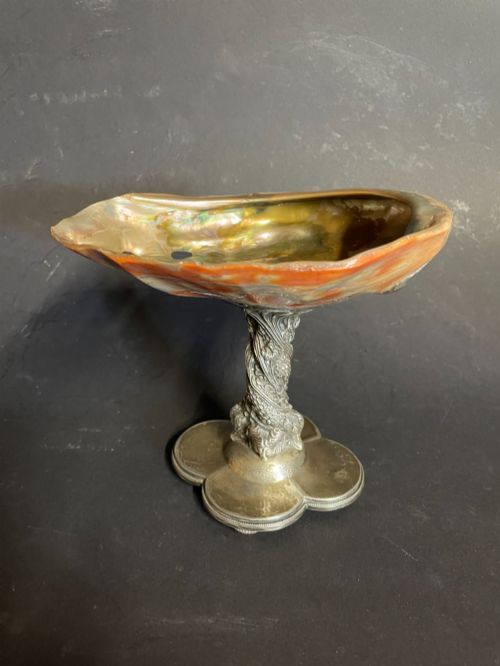
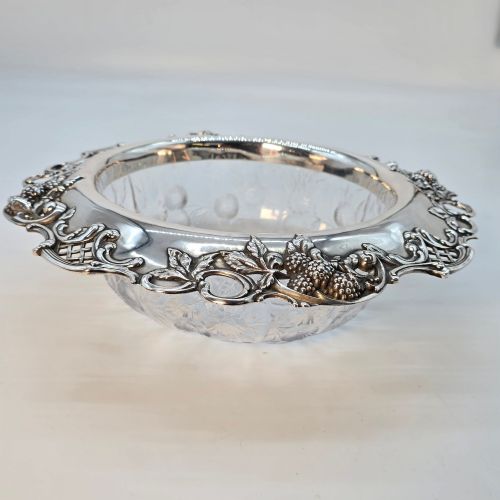
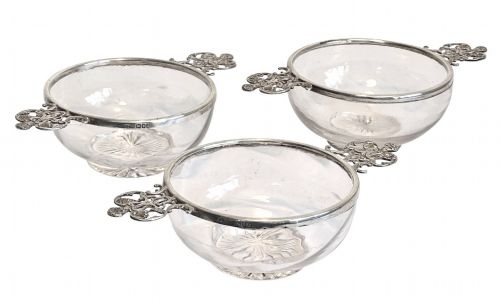
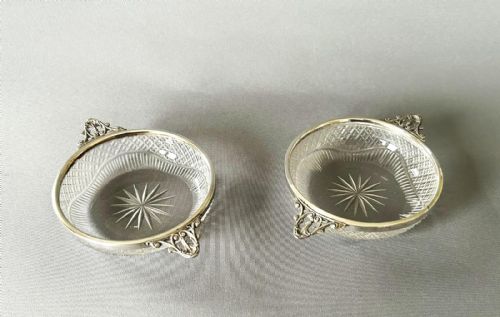
Silver mounted bowls span a range of practical and decorative forms, including salad bowls, sweet dishes, trinket vessels and quaichs. You will encounter pieces originating from the Victorian and Edwardian eras through to the early decades of the twentieth century.
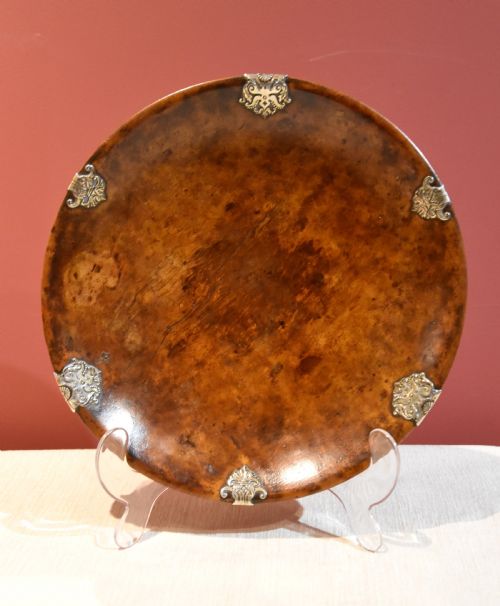
The materials paired with the silver mount vary widely across these periods. Glass and cut crystal bodies appear frequently alongside organic substances such as oak, burr walnut, maple, horn and stoneware.
The styles shift from traditional Victorian and Gothic designs to Edwardian elegance, Arts and Crafts workmanship and the clean geometric lines of Art Deco. Functional items sit alongside purely decorative display pieces.
Materials and construction
Makers combined precious sterling silver or silver plate with heavy moulded glass, cut crystal, glazed stoneware and dense hardwoods. Metal mounts were shaped to secure glass rims, form protective bases or encase organic materials like horn and wood.
Craftsmen utilised techniques ranging from precision silversmithing and hand-cutting glass to wood-turning and ceramic glazing. Rivets, bezels and secure collars held the distinct components together firmly.
Listings feature pieces spanning the Victorian, Edwardian and Art Deco periods, utilising cut crystal, silver plate, oak, stoneware and horn.
Factors that distinguish quality
The weight and purity of the metal mounts set finer examples apart from lighterplated alternatives. Crisp detailing on the silverwork and substantial thickness in the crystal or ceramic bodies indicate superior craftsmanship.
Harmony between the metal mount and the vessel body dictates the success of the piece. Well-integrated mounts fit securely without stressing the glass, wood or ceramic beneath.
Tiffany and Co·William Comyns·Frank Butler·Royal Doulton·Gorham
The Silver Mounted Bowls Glossary
- Quaich
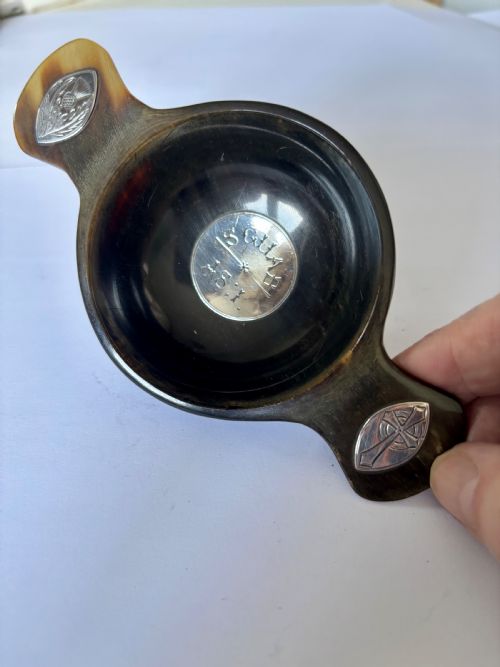
- A traditional Scottish two-handled drinking vessel, often fashioned from wood or horn with silver mounts. These pieces developed from historic community cups into domestic tableware.
- Silver plate
- A base metal coated with a layer of sterling silver. This technique provided the appearance of solid silver at a lower cost for larger serving dishes and salad bowls.
- Cut crystal
- High-clarity glass cut with deep facets to refract light. It forms the heavy, sparkling body of many Victorian and Edwardian sweet dishes and salad bowls.
- Stoneware
- A heavy, dense ceramic fired at high temperatures to become impermeable. Notable examples were produced by potteries such as Doulton Lambeth and fitted with silver rims.
- Trinket dish
- A small shallow vessel designed for holding jewellery or small personal items on a dressing table. They frequently feature silver lids or decorative rims.
Silver Mounted Bowls: Frequently Asked Questions
What are silver mounted bowls?
Silver mounted bowls are decorative and functional vessels combining a body of glass, crystal, wood or ceramic with sterling silver or silver plate rims, collars or stands.
They range from large salad bowls and bon bon dishes to small trinket trays and traditional quaichs produced across the nineteenth and twentieth centuries.
How were silver mounted bowls used?
These vessels served various domestic purposes depending on their size and form. Large crystal and ceramic bowls were used for serving salads or sweets at the dining table.
Smaller lidded dishes and baskets held trinkets or pot pourri on dressing tables and in reception rooms during the Victorian and Edwardian periods.
How can I tell the period of a piece?
Dating relies on stylistic clues, hallmarks and manufacturing techniques. Victorian pieces often display ornate decoration or Gothic influences, while Edwardian examples favour lighter, refined designs.
Hallmarks stamped on the silver mounts provide specific assay office marks and date letters that pinpoint the exact year of manufacture.