


Antique Wooden Drinks Tray
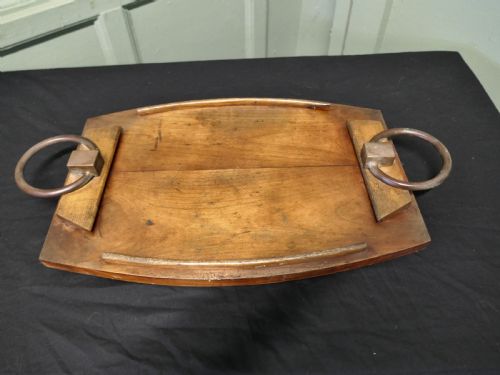
An antique wooden drinks tray brings domestic service history into a modern room, offering a sturdy surface for glasses and bottles.
Antique Wooden Drinks Tray
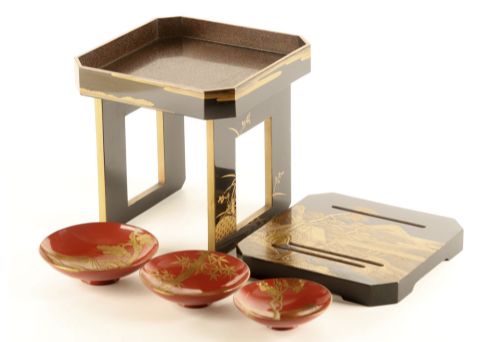
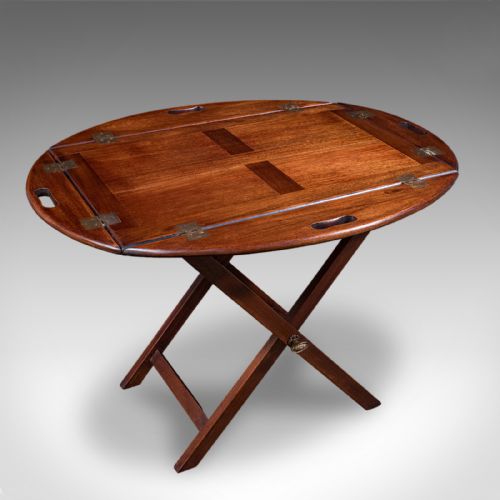
An antique wooden drinks tray encompasses oval serving platters, galleried tea boards, and folding butler tables designed for carrying and presenting beverages. These pieces emerge from the Georgian, Victorian, and Edwardian periods, constructed primarily as portable service items or fitted tray tables.
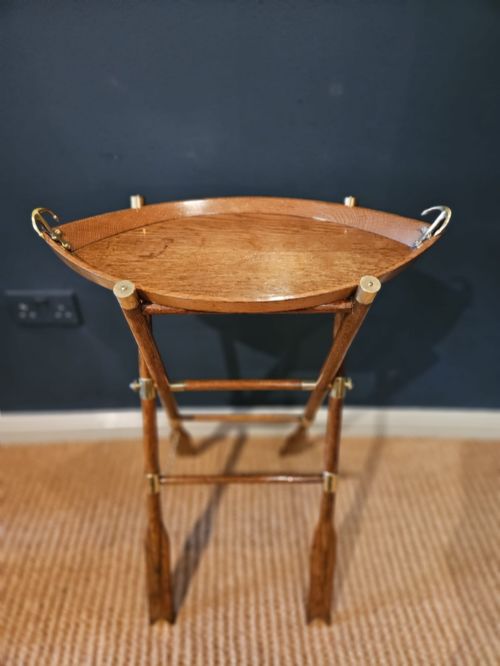
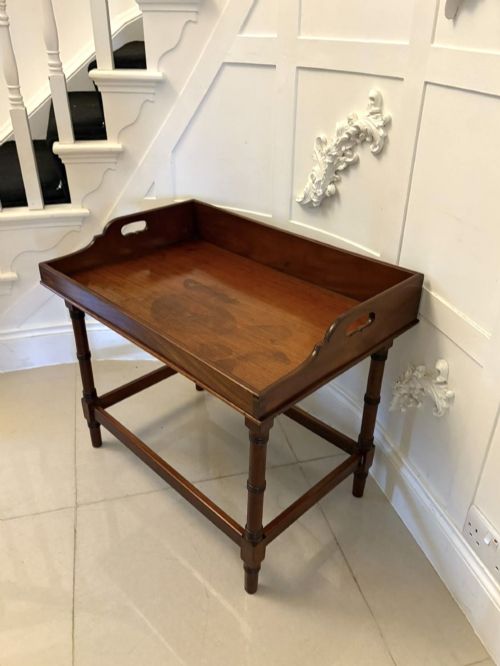
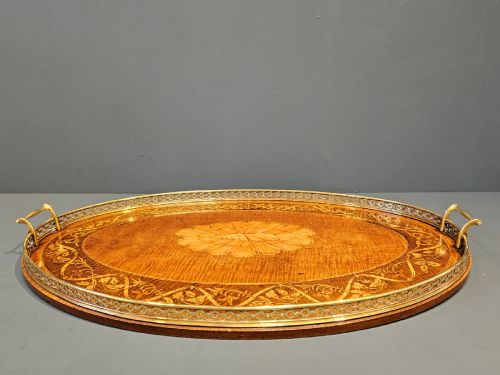
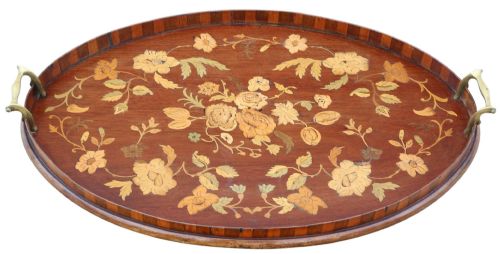
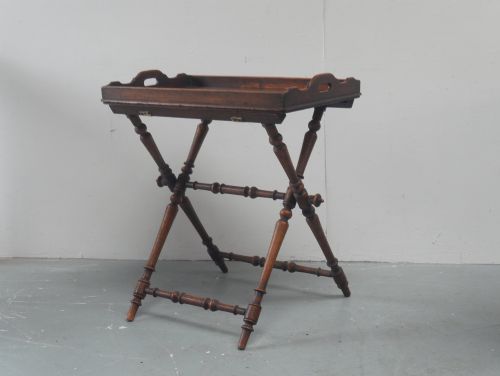
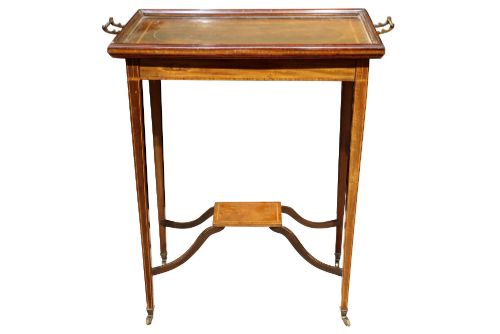
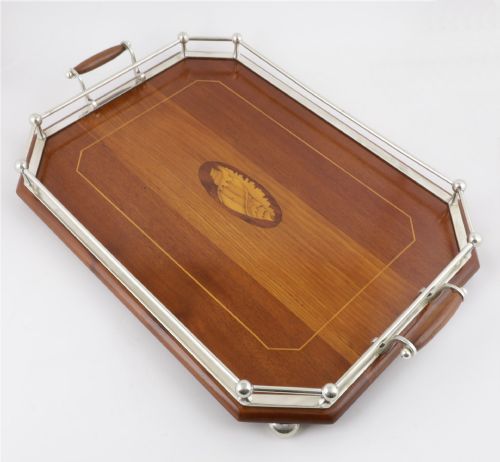
Buyers will encounter formal mahogany serving trays with brass handles, oak butler trays resting on folding stands, and kidney-shaped Edwardian examples featuring marquetry inlay. Alongside standard serving trays, the selection includes occasional tables, drop-flap serving stands, and tea trolleys designed for hospitality.
Materials and construction
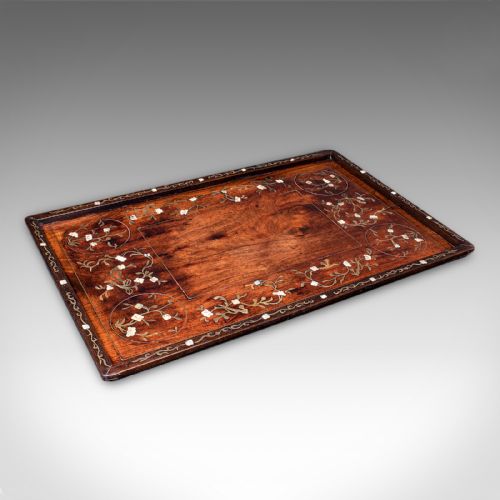
Cabinet makers utilised dense hardwoods such as mahogany, oak, teak, and walnut, often applying contrasting satinwood veneers and geometric inlay to enhance the surface. Trays frequently incorporate coopered construction, raised wooden galleries, or brass drop handles secured firmly to the timber base.
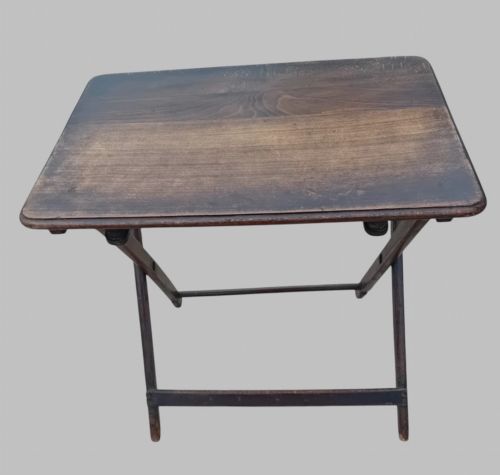
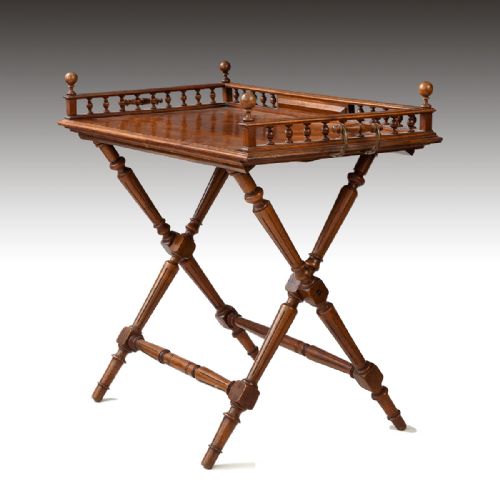
Folding stands accompanying butler trays utilise hinged wooden frames designed to support heavy loads of glassware and decanters securely. Marquetry work and oyster veneering demonstrate detailed carpentry, requiring precise cutting and gluing of fine wood sections.
Listings feature serving trays and butler stands spanning the eighteenth, nineteenth, and early twentieth centuries in mahogany, oak, and walnut.
Evaluating the standard of workmanship
Quality rests in the crispness of the inlay, the tightness of the mitre joints, and the selection of figured timber veneers like flame mahogany or burr walnut. Superior trays maintain original handles, intact galleries, and stable stands without excessive timber shrinkage or loose joints.
Simpler utility trays display straightforward plank construction and minimal decoration, whilst pieces originating from prominent workshops exhibit intricate marquetry and substantial brass mountings. The integrity of the surface polish and the retention of original fixtures distinguish standard production items from finer craftsmanship.
Edwards and Roberts
The Antique Wooden Drinks Tray Glossary
- Butler tray
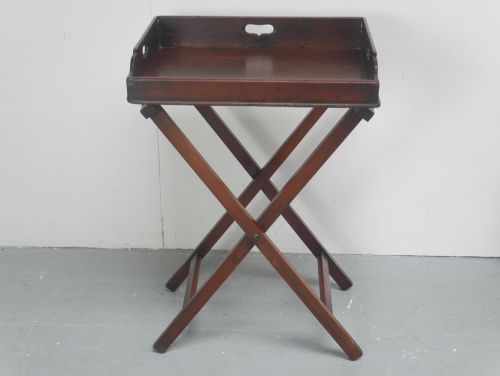
- A portable wooden tray featuring hinged or cut-out sides, often placed upon a folding X-frame stand for serving drinks or meals.
- Gallery
- A raised wooden or metal border surrounding the perimeter of a tray to prevent glasses and decanters from sliding off.
- Marquetry
- Decorative patterns created by fitting thin pieces of wood veneer and other materials onto a structural timber surface.
- Coopered
- Constructed from vertical wooden staves fitted together and bound tightly, commonly seen in oval trays with curved wooden sides.
- Drop-flap
- A hinged leaf on a table or tray stand that can be lowered or raised to alter the surface area.
- Oyster veneer
- Timber sections sliced transversely from small branches to produce circular or oval patterns resembling oyster shells.
Antique Wooden Drinks Tray: Frequently Asked Questions
How do I use a butler tray today?
A butler tray placed on its original folding stand functions well as a permanent drinks table or a mobile serving surface in a living room. The raised edges keep glassware secure during casual gatherings.
Alternatively, lift the tray off the stand to serve afternoon tea or cocktails directly to guests across the room. The sturdy timber handles provide a secure grip for carrying bottles and heavy decanters.
Are these trays water resistant?
Antique wooden trays feature traditional French polish or wax finishes rather than modern polyurethane sealers. Spills should be wiped away promptly to prevent water rings from penetrating the grain.
Using coasters and placing mats beneath wet glasses helps preserve the original polished timber surface. Regular waxing maintains the moisture barrier and deepens the natural colour of the wood.
How do I distinguish Georgian from Edwardian trays?
Georgian trays, produced during the eighteenth and early nineteenth centuries, favour solid mahogany construction with restrained architectural lines and subtle brass handles. Their design prioritises functional strength and classic proportions over heavy surface ornamentation.
Edwardian trays, dating around nineteen hundred, often showcase lighter satinwood timbers, elaborate marquetry floral motifs, and kidney shapes. These later pieces reflect a revival of decorative arts and detailed veneering techniques.
Can I fold the tray stands easily?
Most antique folding stands operate on a simple cross-frame scissor mechanism that collapses flat when the tray is removed. This design allowed Victorian and Edwardian households to store the serving equipment compactly when not in use.
Care should be taken with older wooden hinges and pivots to ensure smooth operation without straining the joints. Applying a little wax to the pivot points helps the folding mechanism move freely.