


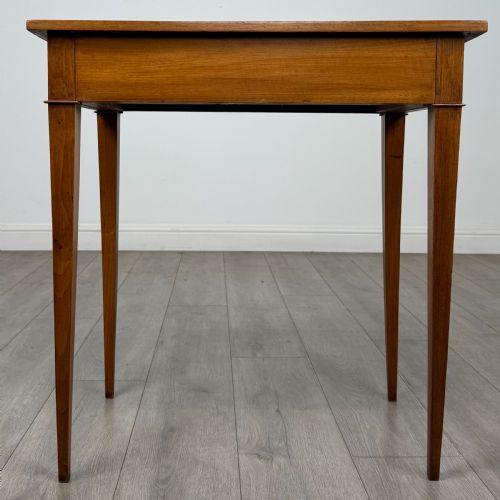
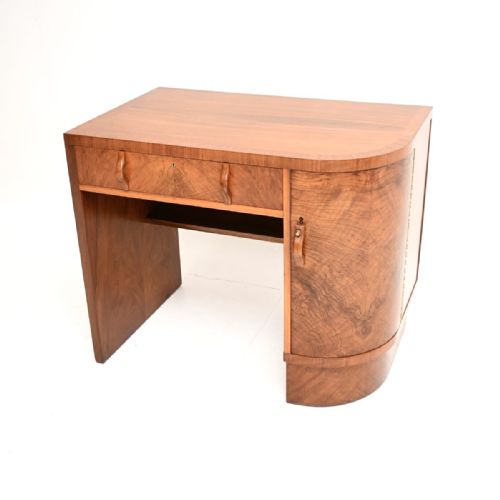
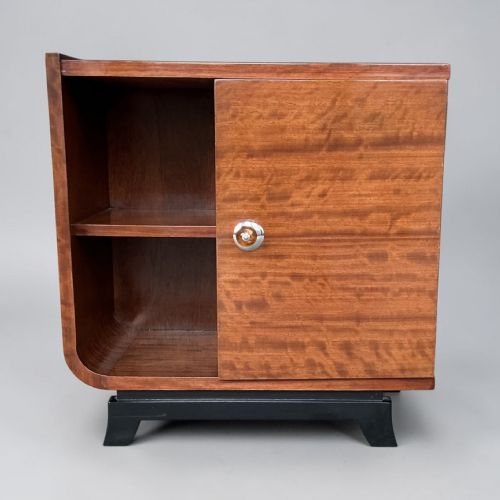
Antique Walnut End Table
An antique walnut end table brings rich timber grain and compact utility to a room, ranging from Georgian simplicity to Art Deco geometric forms.
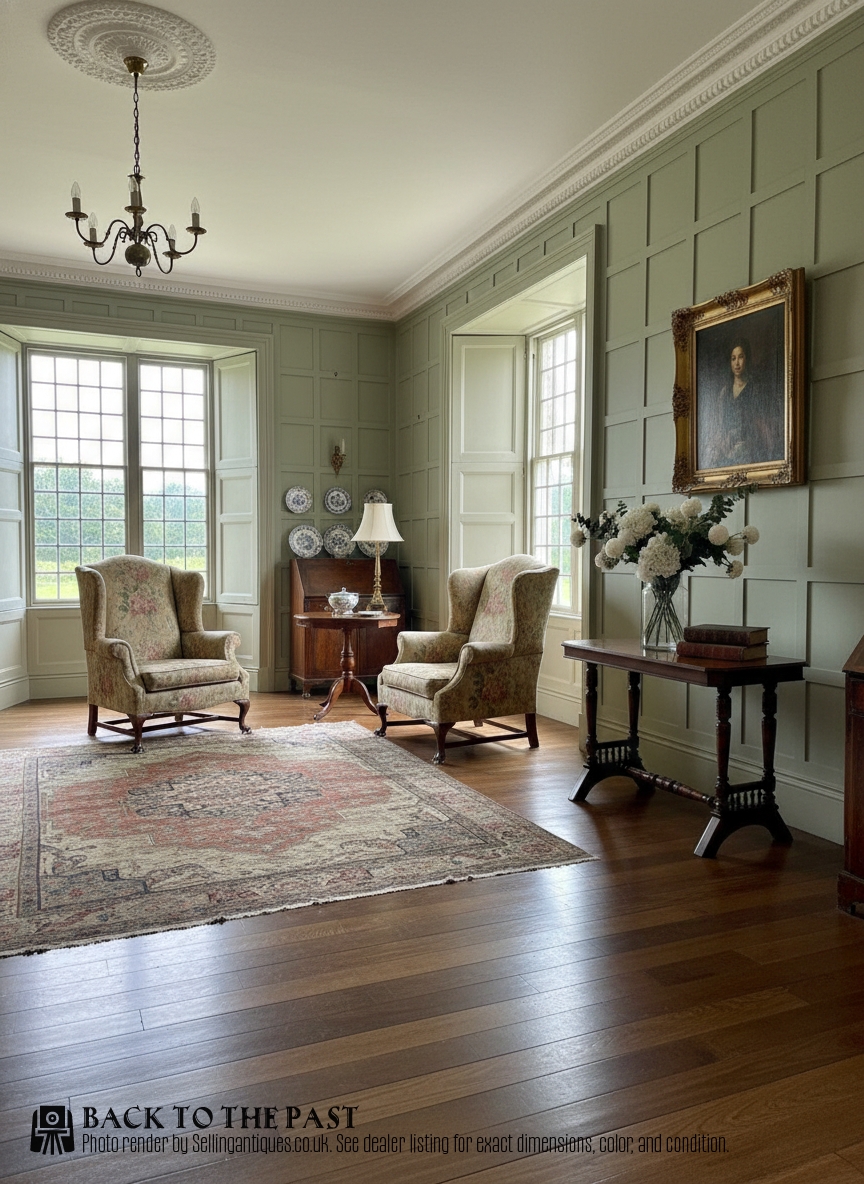
Antique Walnut End Table
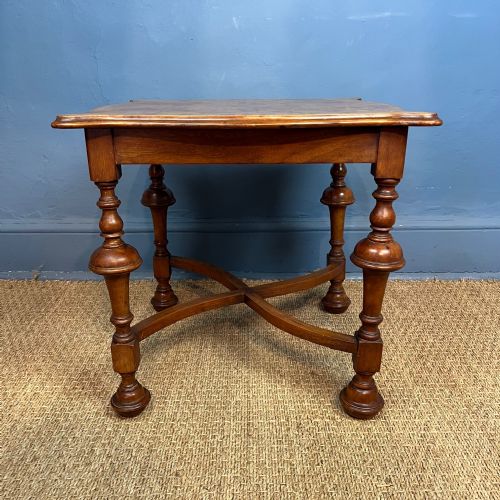
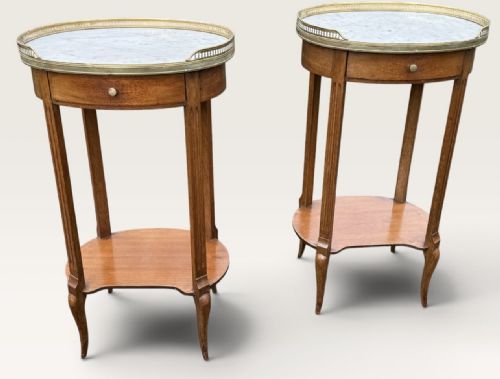
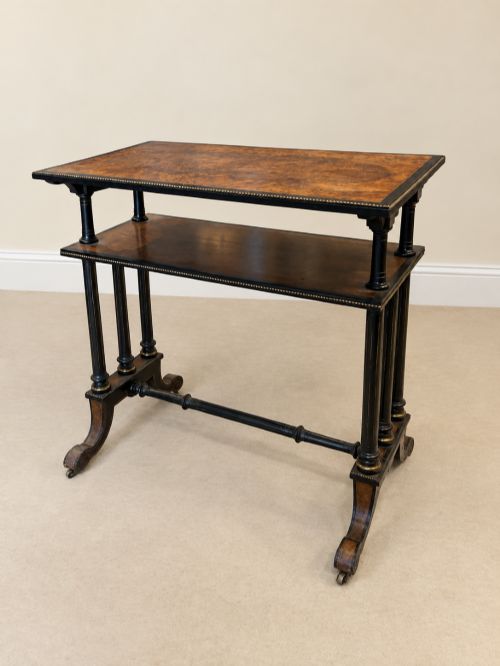
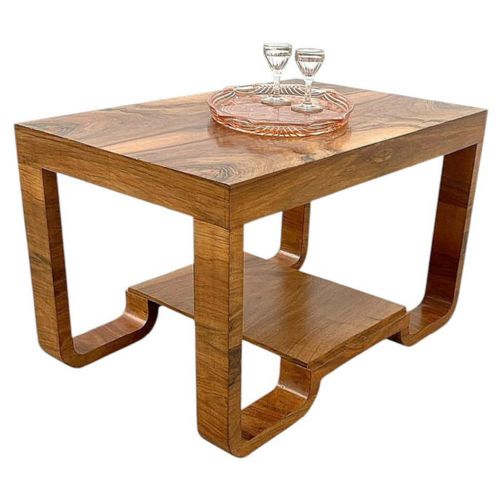
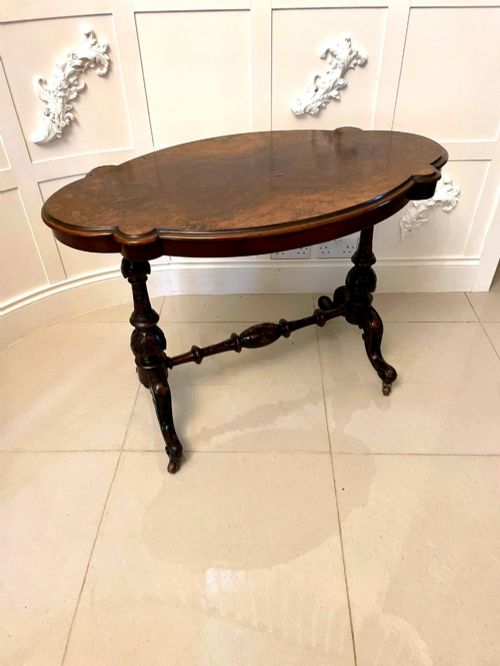
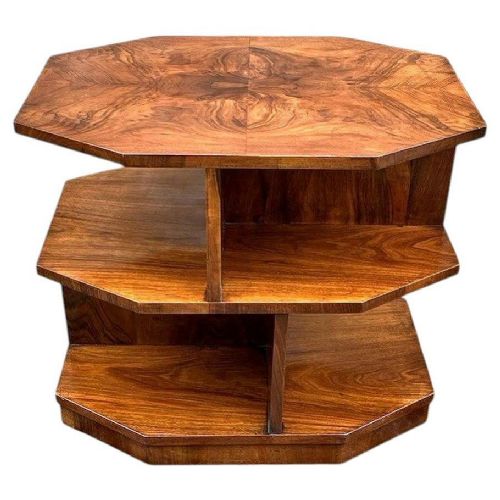
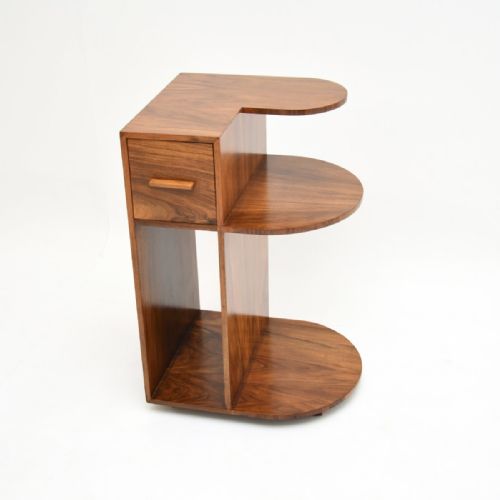
When you search for an antique walnut end table, you encounter a diverse group of smaller surfaces spanning side tables, occasional tables, bedside cabinets, and nests of tables. The selection draws on periods from the eighteenth century through the Victorian era and Edwardian years into the nineteen-thirties.
You meet pieces showing regional characteristics such as French provincial styling, Italian craftsmanship, and English cabinetmaking traditions. Forms vary from simple lamp tables and drop-flap designs to tiered occasional tables and tray-top pieces.
The typical antique walnut end table serves beside a chair or bed, offering a surface for lamps, books, or decorative objects while introducing warmth through figured timber grain and decorative inlay.
How they were made
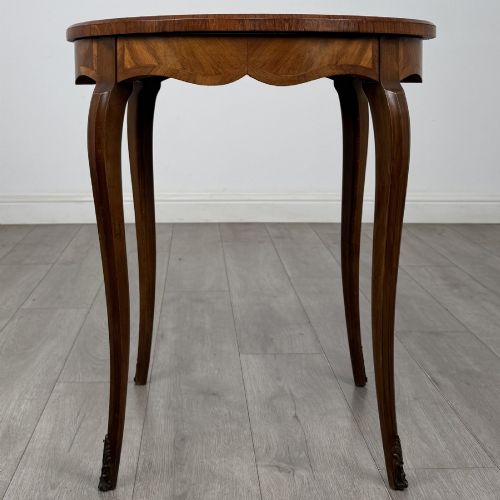
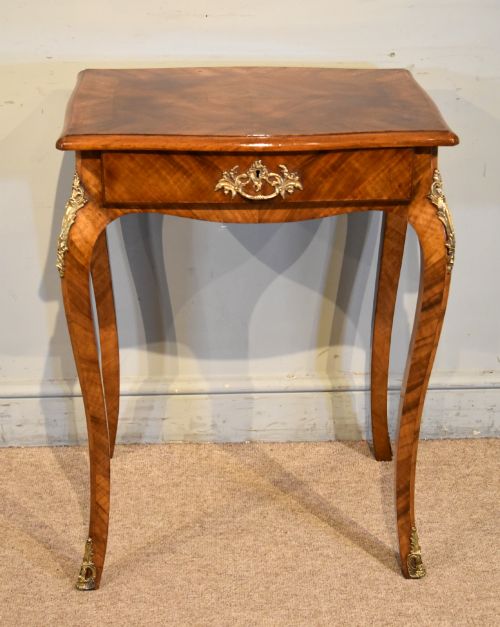
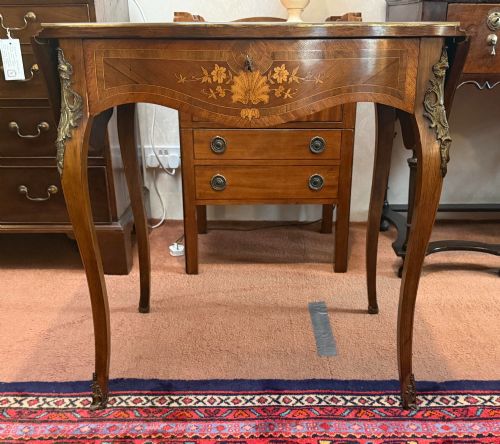
Cabinetmakers utilised solid walnut and decorative veneers like burr walnut and figured walnut, often laid over secondary timbers to showcase rich grain patterns and complex figure. Marquetry inlay, brass galleries, and ormolu mounts frequently accent the timber surfaces.
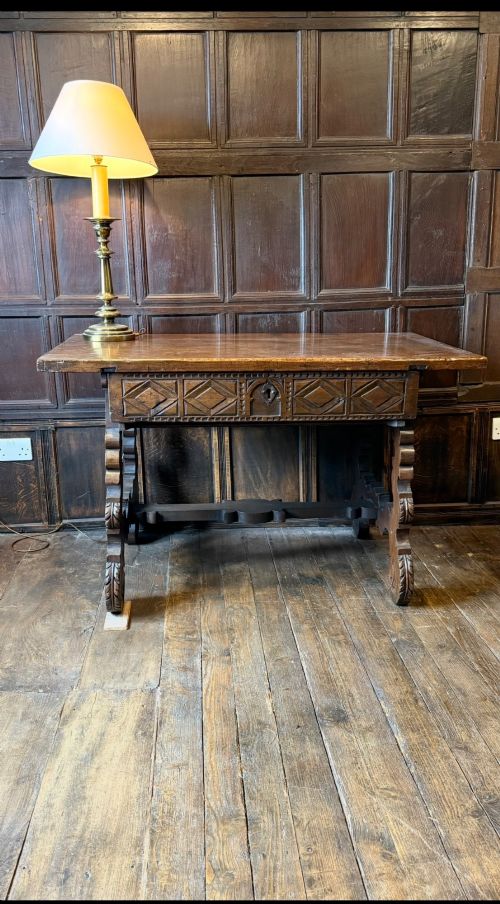
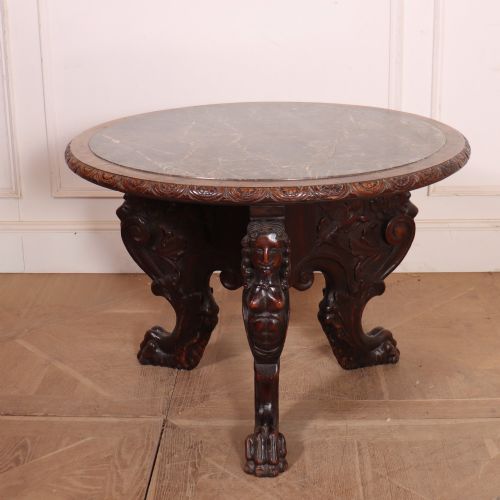
Construction techniques include traditional joinery alongside turned legs, bobbin supports, and carved details. Pieces from the Art Deco period favour geometric shapes and mirror tops, while earlier examples display hand-carved motifs and marquetry panels.
Antique Walnut End Table Retail Price Guide 2026
Typical asking prices for walnut end table among the pieces listed under this phrase on Sellingantiques today, from the lower quarter to the upper quarter. They describe what is for sale here now, not the wider market.
Materials recorded on this page include solid walnut, burr walnut, walnut veneer, brass, ormolu, metal, ceramic, and various decorative veneers.
What varies in quality
Quality rests primarily in the choice and matching of timber veneers, where highly figured burr walnut and balanced grain patterns elevate a piece above plain surfaces. The crispness of hand-carved details and the finesse of marquetry inlay also distinguish finer examples.
Construction integrity and the refinement of subsidiary materials, such as heavy cast brass galleries and fine ormolu mounts, mark the difference between standard production and exceptional workshop output.
Walter Carter Harrods·Liberty of London
The Antique Walnut End Table Glossary
- Marquetry
- The art of applying small pieces of veneer to a structure to form decorative patterns or pictures. Craftsmen used various woods and tinted materials to create these detailed designs.
- Ormolu
- Gilded bronze used for decorative mounts and furniture embellishments. This technique adds metallic highlights to the wooden framework of French and English tables.
- Quarteretto nest
- A set of four graduating tables designed to slide neatly beneath one another. This form appeared frequently in the early twentieth century for versatile living space usage.
- Drop-flap table
- A surface featuring hinged leaves that lower to save space or raise to extend the top. Supports swing out to hold the leaves in place when extended.
Antique Walnut End Table: Frequently Asked Questions
How do I date an antique walnut end table?
Dating relies on observing stylistic markers, construction methods, and timber treatments consistent with recorded periods. Eighteenth-century pieces show different joinery and proportions compared to Victorian or nineteen-thirties Art Deco designs.
Examining secondary woods and hardware provides further chronological clues. Comparing the piece against documented examples from specific decades helps confirm its era of origin.
Where should I place an antique walnut end table?
These compact tables suit living rooms beside armchairs, hallways as lamp surfaces, or bedrooms functioning as bedside cabinets. Their modest proportions allow them to fit into corners and smaller spaces.
Keep wooden surfaces away from direct sunlight and strong heat sources to prevent timber drying or veneer lifting. Regular dusting maintains the polished finish of the walnut grain.
What is the difference between solid walnut and walnut veneer?
Solid walnut uses thick timber throughout the structural parts of the table. It offers durability and uniform grain depth across the entire surface.
Walnut veneer applies a thin slice of highly figured wood over a stable base timber. This technique permits the display of intricate burr patterns that would be unstable or unavailable in solid logs.
How do I care for antique walnut furniture?
Maintain the finish by dusting gently with a soft, dry cloth. Avoid silicone-based polishes that can build up and dull the natural sheen of the wood over time.
Apply occasional traditional wax polish to nourish the timber and protect the surface from minor moisture marks. Ensure indoor humidity remains relatively stable to preserve the integrity of the veneer.