

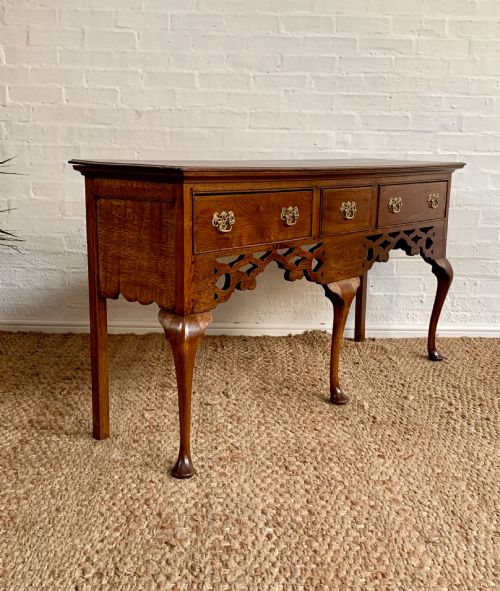
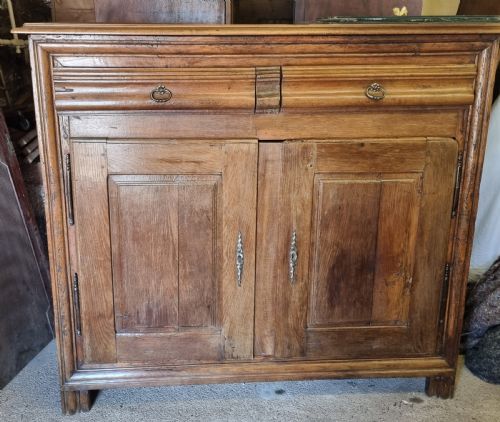
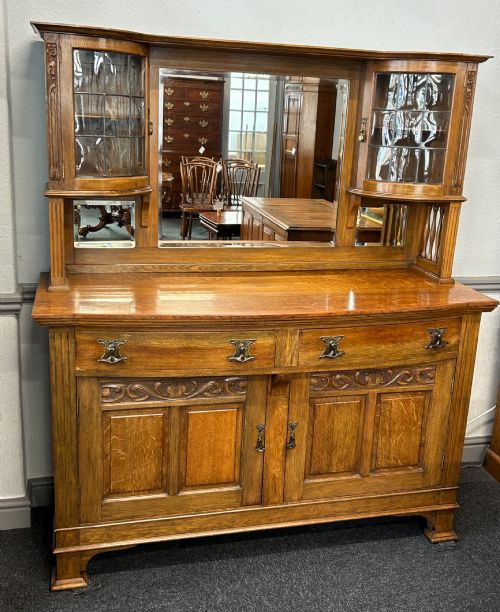
Warm Oak Sideboard
A warm oak sideboard brings grounded utility and rich grain to a room, offering generous storage through centuries of traditional craftsmanship.
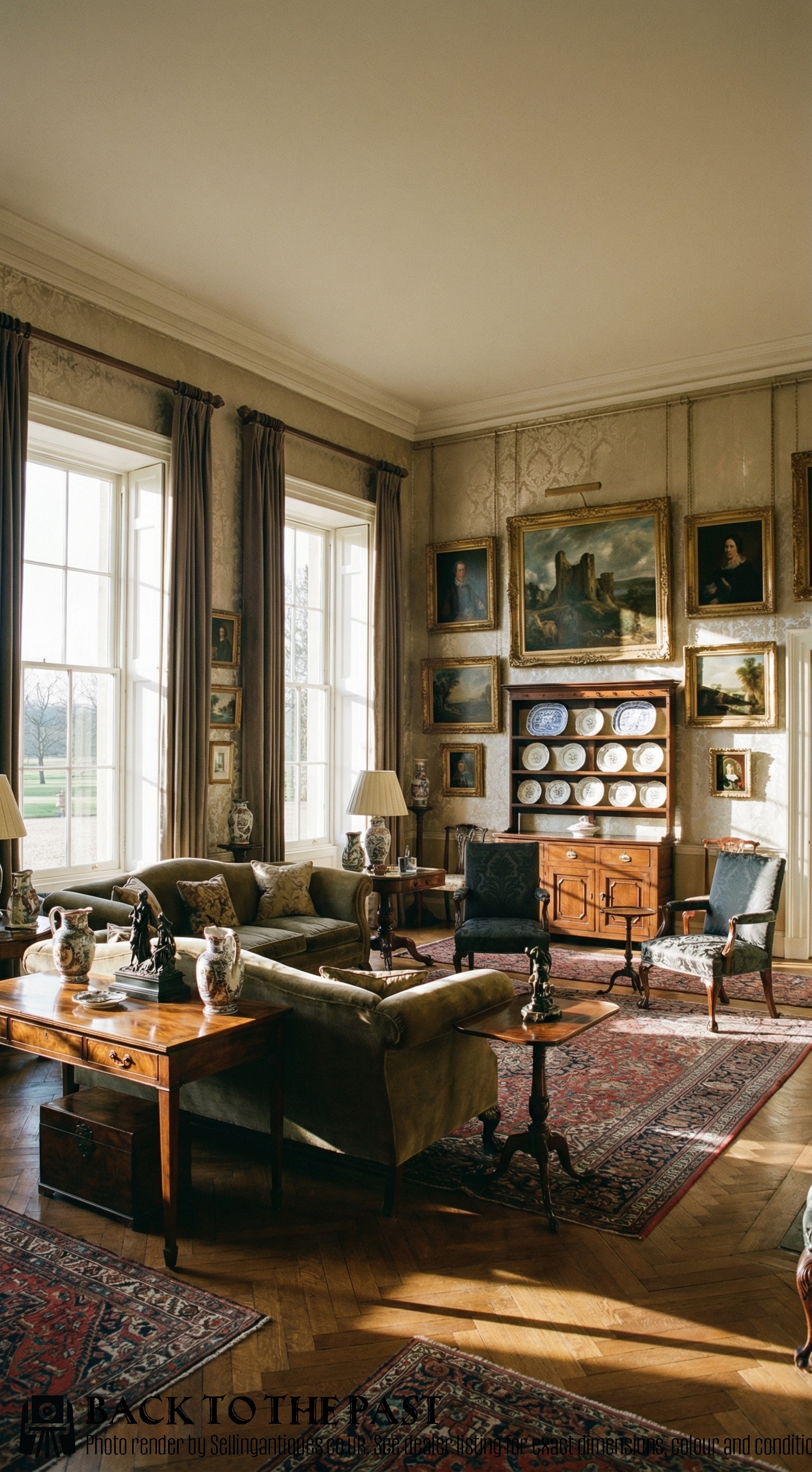
Warm Oak Sideboard
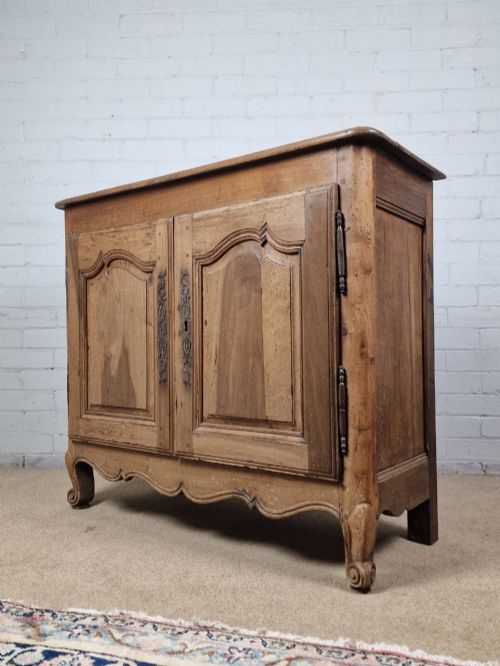
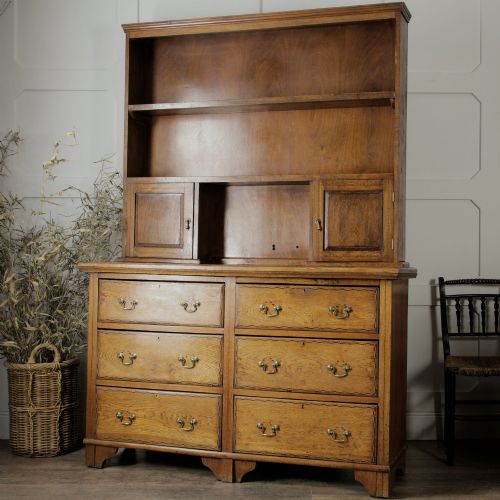
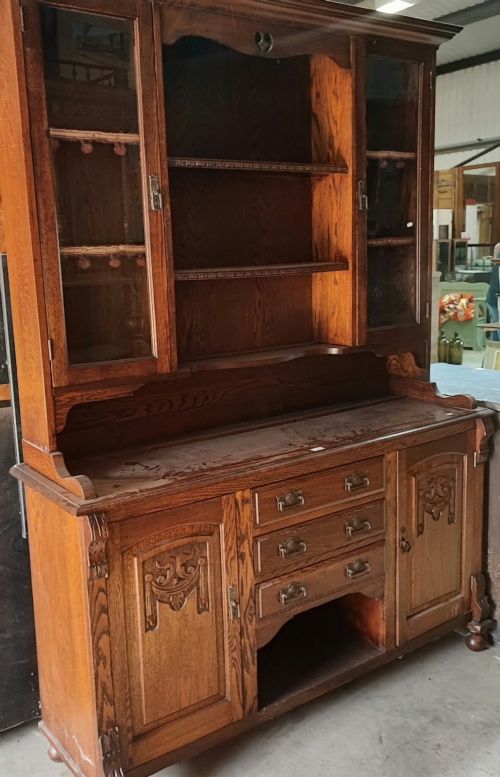
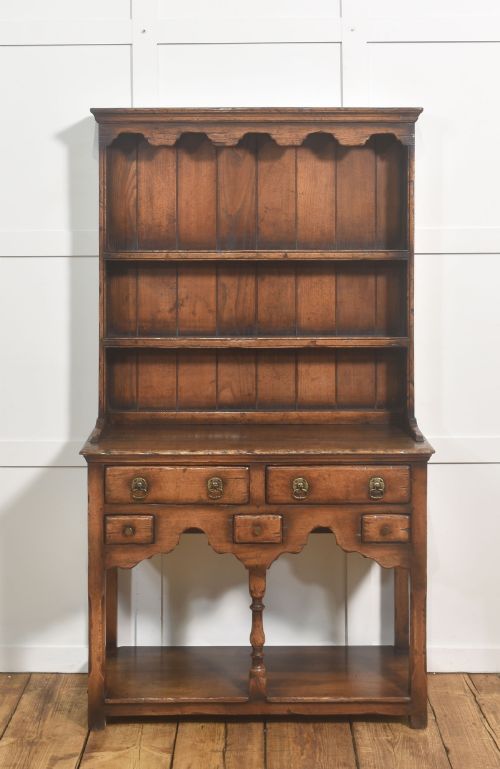
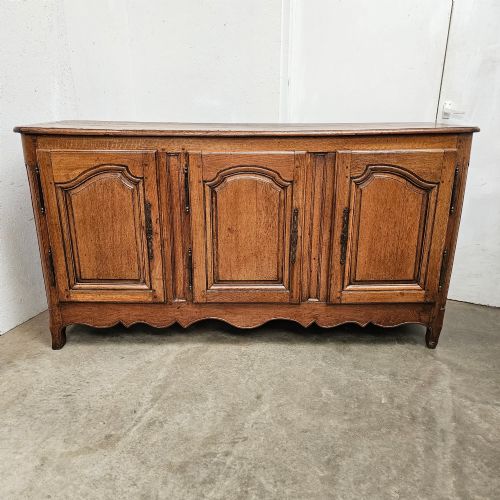
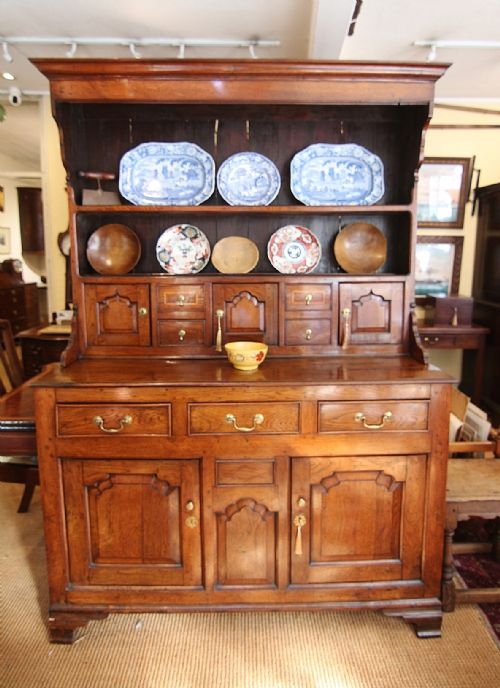
When searching for a warm oak sideboard, a buyer encounters a substantial grouping of heavy timber storage furniture spanning from the eighteenth century through to the early twentieth century. These pieces encompass regional British forms like Welsh and Lancashire dressers alongside continental French provincial enfilades and serving tables.
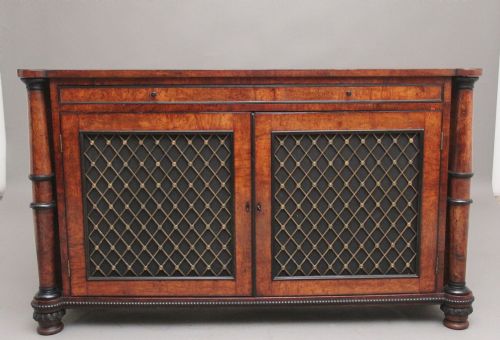
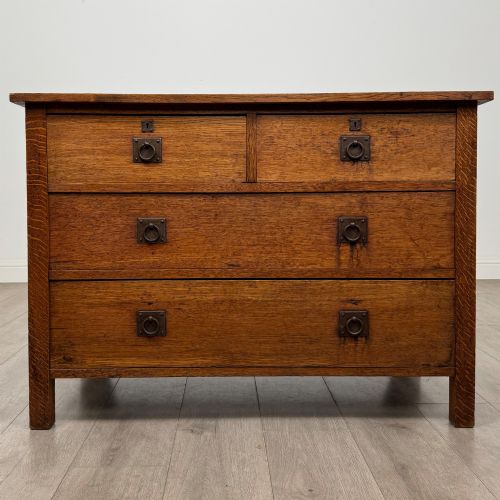
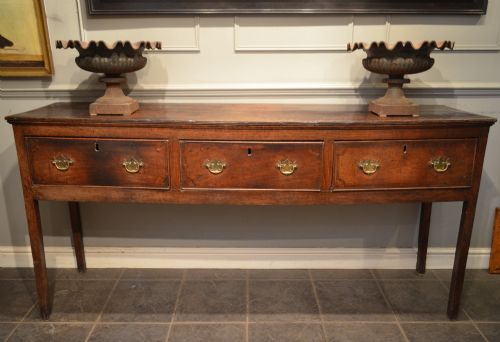
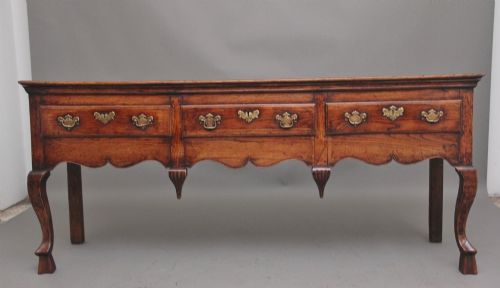
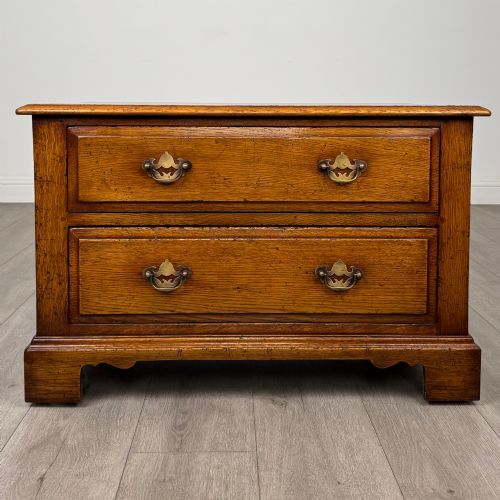
The domestic forms seen here range from open-rack kitchen dressers and enclosed court cupboards to low serving tables, side cabinets, and chests of drawers. Oak remains the central material, frequently paired with fruitwood, mahogany, or pollard oak to create depth of tone.
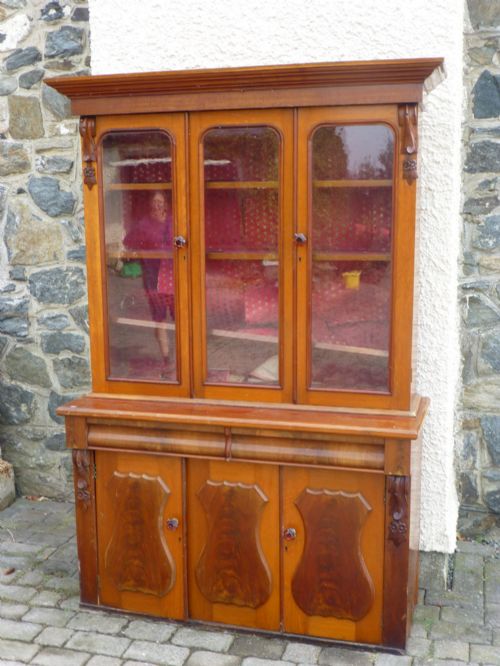
The pieces reflect diverse stylistic movements from George III periods and Georgian country workshops to Arts and Crafts simplicity and Victorian glazed cabinetry. Buyers meet both utilitarian farmhouse pieces and refined architectural furniture designed for dining rooms and hallways.
How they were made
Makers built these pieces primarily from solid oak, utilising its natural durability and pronounced grain, often combined with secondary timbers like fruitwood and mahogany for contrasting details. Iron and brass hardware, including drop handles and hinges, secured the functional doors and drawers.
Construction relied heavily on traditional joinery methods, visible in hand-carved panels, pegged frames, and fitted plate racks. Surface finishes developed through decades of polishing and natural ageing, highlighting the underlying figure of the timber, whether standard oak, tiger oak, or pollard oak.
The listings span multiple centuries, incorporating eighteenth-century Georgian country pieces alongside nineteenth-century Welsh dressers and Edwardian Arts and Crafts furniture.
What varies in quality
Quality rests in the architectural proportion of the frame and the integrity of the timber selection, where figured grains and unblemished planks elevate the presence of a piece. The crispness of hand-carved details and the retention of original brass or iron hardware signal superior workshop origins.
Structural honesty dictates the hierarchy, distinguishing pieces with period-appropriate timber thickness and original backs from those altered or heavily restored over generations. The balance between utilitarian strength and refined decorative moulding defines the upper tier of these forms.
Heals of London·Maple and Co·T Simpson and Son
The Warm Oak Sideboard Glossary
- Dresser base
- The lower cabinet portion of a traditional dresser, often fitted with drawers and cupboards without the upper plate rack.
- Court cupboard
- An antique enclosed storage piece featuring recessed upper tiers, typical of earlier centuries and solid oak construction.
- Enfilade
- A long continental sideboard or buffet with multiple doors in a continuous line, originating in French provincial dining spaces.
- Pollard oak
- Timber taken from the upper branches of pollarded trees, prized by cabinetmakers for its dense, knotty, and highly decorative grain patterns.
- Plate rack
- The open shelving superstructure attached to the top of a dresser, designed for displaying ceramic plates and platters.
Warm Oak Sideboard: Frequently Asked Questions
What is a warm oak sideboard?
A warm oak sideboard is a sturdy timber storage unit designed for dining rooms or kitchens, encompassing forms from Georgian dresser bases to Arts and Crafts sideboards.
These pieces provide surface display space and internal shelving, united by the rich honey and brown tones characteristic of aged oak furniture.
How do I date an oak sideboard?
Dating relies on observing construction methods, hardware types, and stylistic details such as panel thickness and carving motifs. Eighteenth-century examples often display pegged joinery and country proportions, while Edwardian and later pieces show more standardised machine production.
Examining the secondary timbers and the wear patterns on the timber helps confirm the period of origin.
How were these sideboards used?
Historically, these pieces functioned as central fixtures in domestic kitchens and dining rooms for food preparation, serving meals, and storing tableware. Dresser bases held linens and cutlery, while attached racks displayed pewter and ceramic plates.
In modern interiors, they serve similar practical storage roles while anchoring the room with traditional character.
Where should I place a sideboard?
These substantial timber pieces suit dining rooms, large hallways, or living spaces where their length and storage capacity can be fully appreciated. Placing them against a solid wall allows the wood grain and plate racks, where present, to stand out.
Avoid positioning them in direct sunlight or near heat sources to protect the aged oak timber.