
Rustic Oak Cabinet
A rustic oak cabinet brings honest, heavy timber and utilitarian French provincial character into a room.
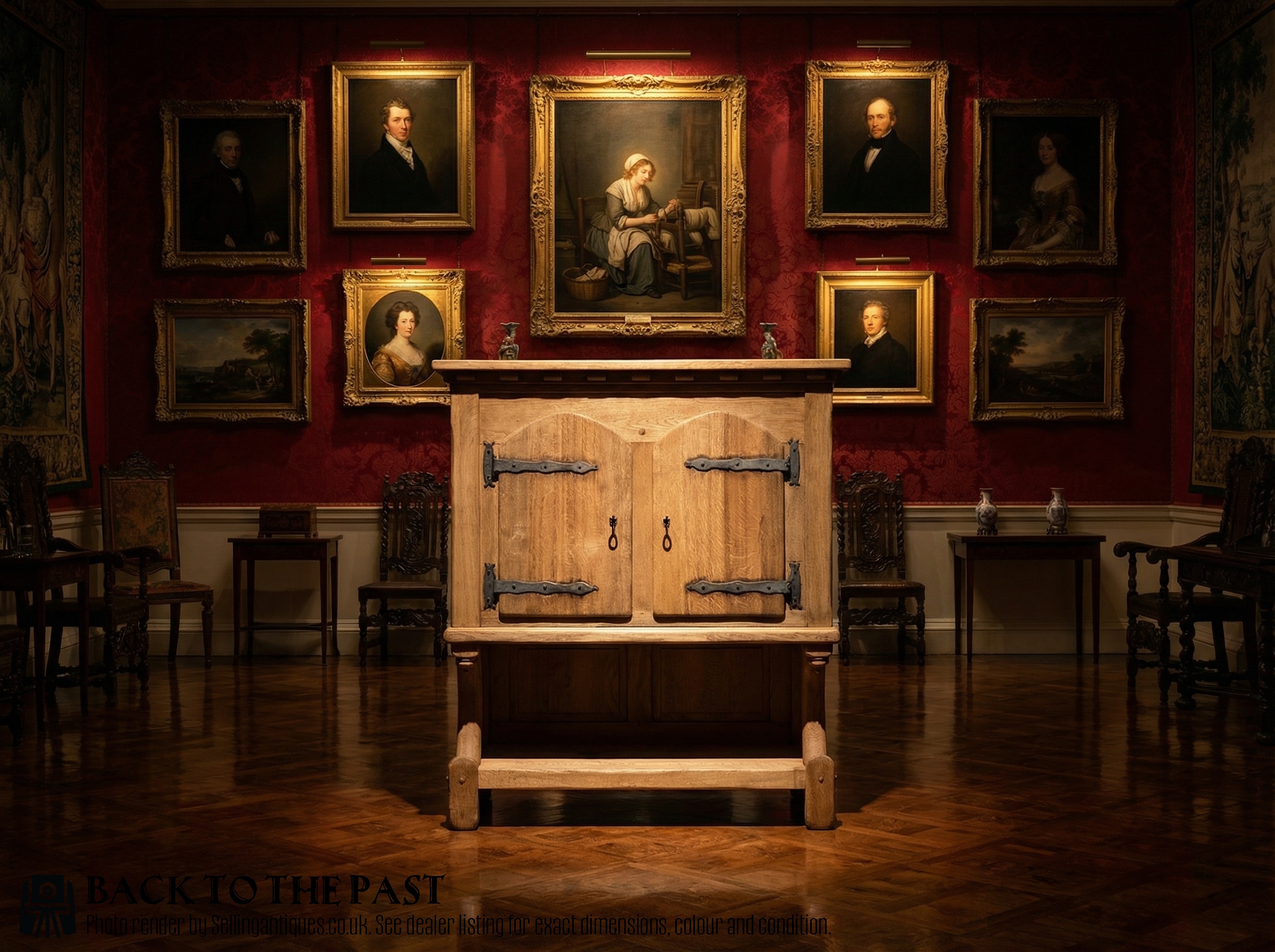
What a rustic oak cabinet is
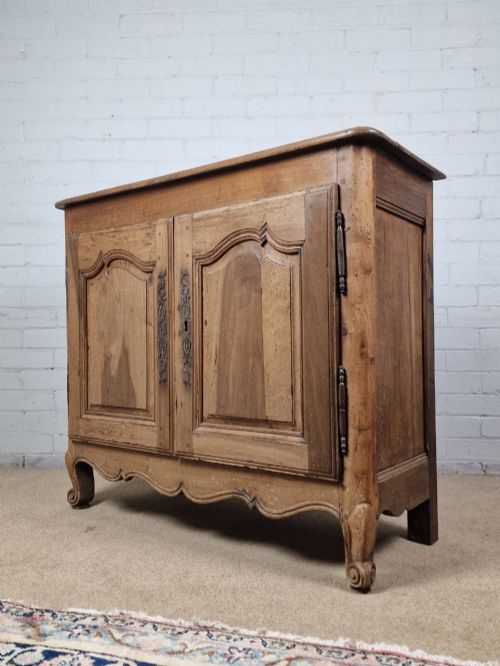
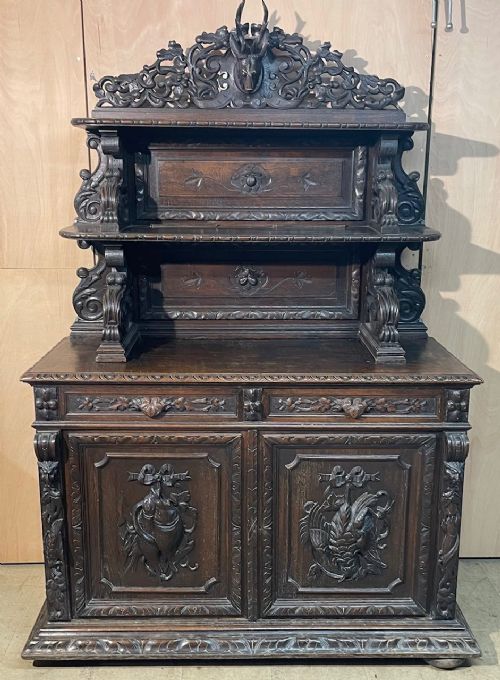
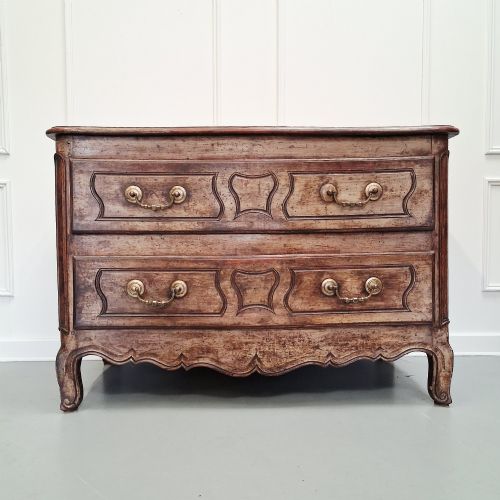
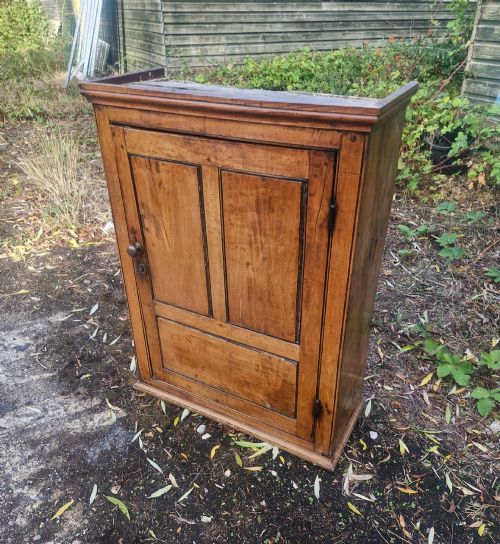
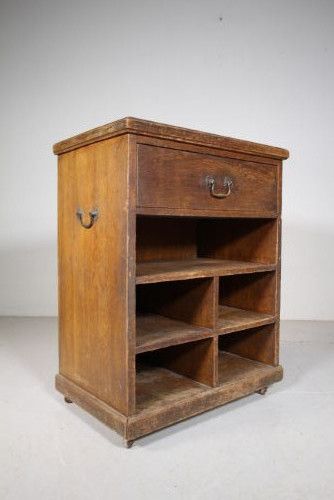
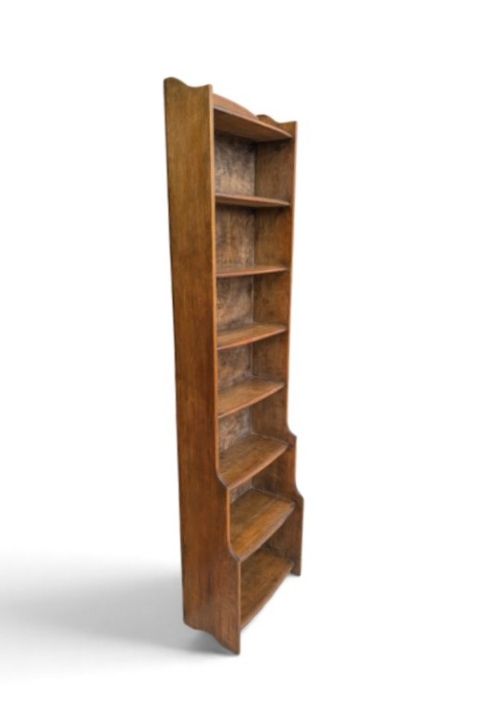
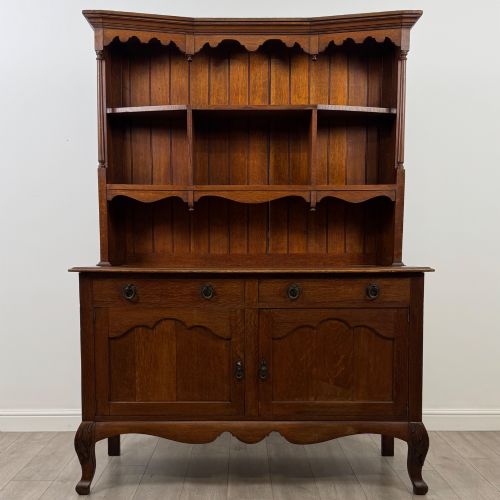
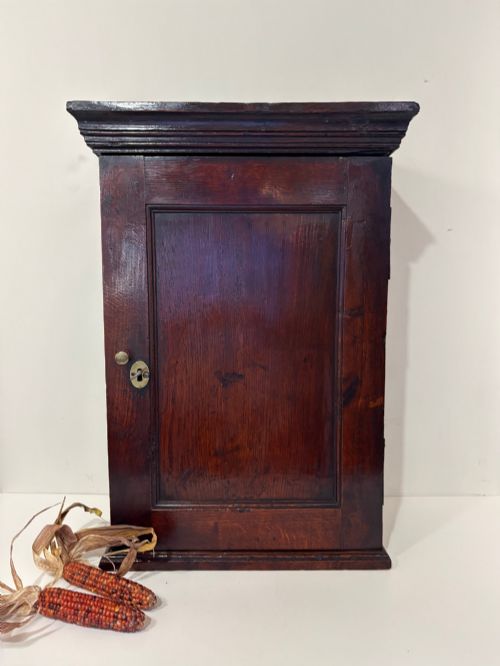
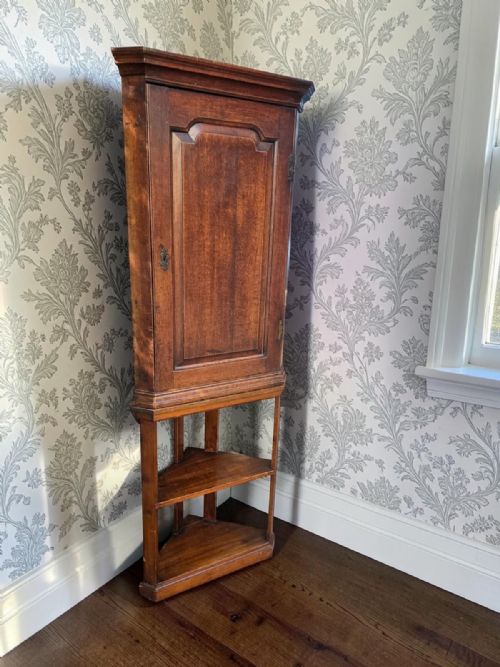
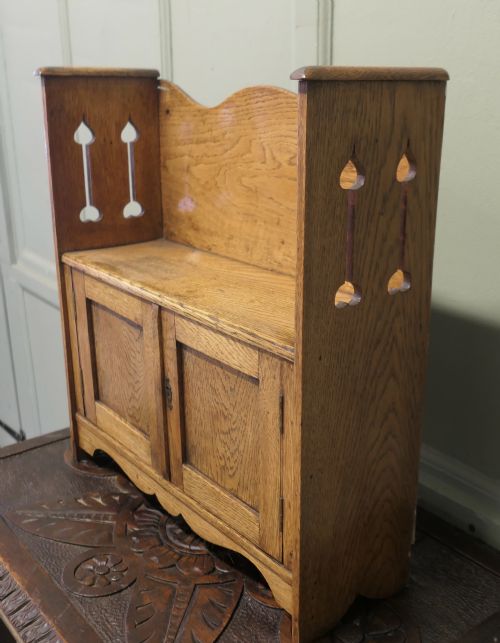
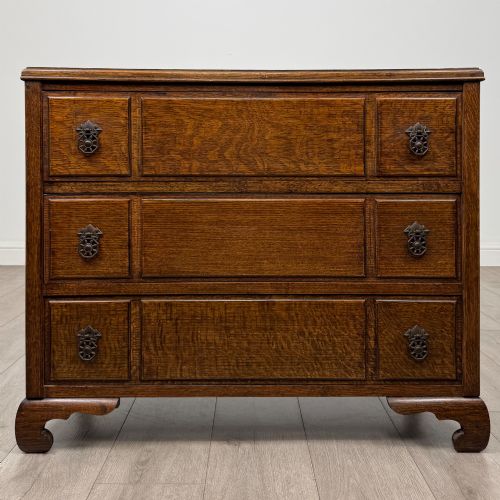
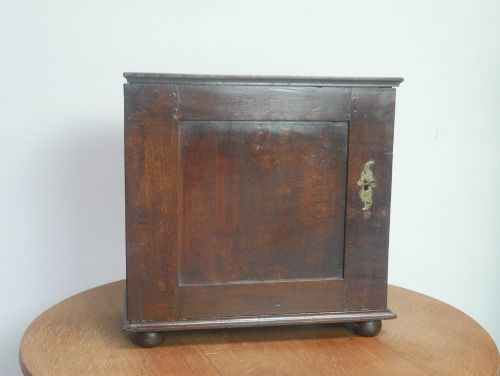
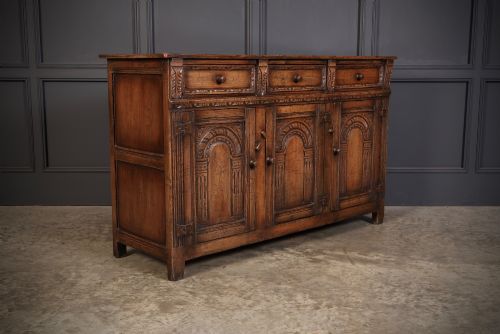
A rustic oak cabinet represents sturdy country storage, taking forms such as sideboards, cupboards, armoires, and bookcase cabinets. These pieces originate from provincial France, spanning the eighteenth century through to nineteen twenty.
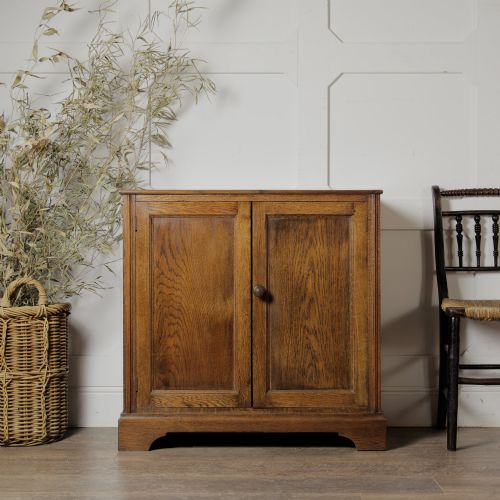
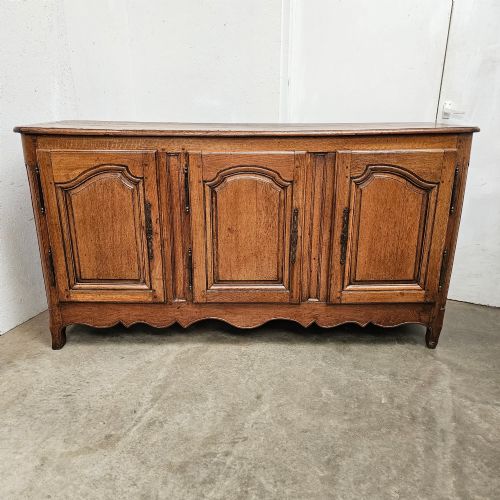
The version most commonly met on this page is the two or three door cupboard or enfilade, built for practical storage in rural homes. Buyers find both bleached finishes and deep, dark patinas across these primitive country forms.
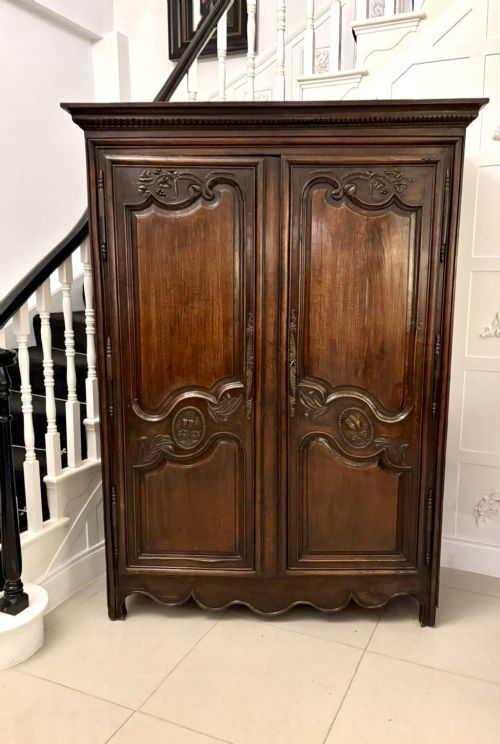
The selection ranges from early eighteenth century armoires to later provincial side cabinets, all sharing heavy oak construction. Each piece demonstrates the straightforward utility that defines regional French cabinet making.
How they were made
The primary material across these listings is solid oak, paired with wrought iron and iron for functional hardware. Cabinet makers relied on heavy timber to build durable carcasses capable of withstanding daily farm use.
Construction methods focus on utility, utilising substantial wooden panels and heavy hinges that support large doors. Blacksmiths forged the original locks and hinges by hand, fastening the metal securely to the oak frames.
Retail Price Guide 2026
Typical UK retail prices for rustic oak cabinet, calculated from the Sellingantiques database of over a million retail prices indexed since 2003. This retail price guide relies exclusively on Sellingantiques data; no external sources or auction records are used, so the figures do not describe the wider market.
Every time a heavy blacksmith lock clicks shut, a French country blacksmith somewhere quietly nods in approval.
What varies in quality
Quality in these pieces rests upon the integrity of the original timber and the presence of untouched period hardware. Pieces retaining their original blacksmith locks and hinges demonstrate a higher grade of authenticity than those with replaced fittings.
The handling of the oak surface also marks the distinction between fine provincial work and simpler utility pieces. Retaining an early surface patina or an authentic bleached finish elevates the visual weight of the cabinet.
The Rustic Oak Cabinet Glossary
- Enfilade
- A long sideboard or buffet featuring multiple doors, traditionally placed in dining rooms for serving and storage. This form provides expansive top surfaces alongside deep interior capacity.
- Armoire
- A tall wardrobe with doors enclosing hanging or shelf space, constructed in heavy oak for provincial bedrooms. These large pieces command significant visual presence in a room.
- Primitive
- A descriptive term for country furniture built with straightforward techniques and minimal decoration. Such items prioritize function over refinement, celebrating the natural grain and knots of the timber.
- Bleached oak
- Oak timber treated to achieve a lighter, desaturated tone, often seen on French provincial pieces. This finish softens the dark appearance typical of older hardwoods.
Frequently Asked Questions
Where should I place a rustic oak cabinet?
These cabinets suit large living spaces, kitchens, or hallways where their substantial depth and heavy oak presence can anchor the room. They offer generous interior storage for crockery, linens, or books.
Because they originate from provincial traditions, they pair well with natural stone floors and lime-washed walls. Ensure you measure your floor space carefully, as provincial proportions are often deeper than modern furniture.
How do I care for oak furniture?
Maintain the wood by dusting with a dry cloth and occasionally applying a traditional beeswax to nourish the dry grain. Avoid placing the cabinet near direct heat sources to prevent the timber from splitting.
Harsh chemical cleaners will strip the natural patina accumulated over centuries. Gentle, regular upkeep preserves the honest finish of the primitive oak surface.
What is French provincial style?
French provincial furniture refers to practical, sturdy pieces made in the regions outside Paris during the eighteenth and nineteenth centuries. Local craftsmen built these items for everyday domestic use rather than royal courts.
This style emphasises utility, solid oak construction, and simple regional forms without excessive ornamentation. The resulting cabinets display an unpretentious charm rooted in rural life.
How do I date a country cabinet?
Dating relies on examining the construction marks, panel assembly, and the style of the forged iron hardware. Eighteenth century examples typically show hand-hewn joinery and thicker timber boards than nineteen twenty pieces.
Original blacksmith locks and hinges also offer clues to the period of manufacture. Comparing the patination of the interior wood with the exterior helps confirm the age of the piece.