




Dark Oak Livery Cupboard
A dark oak livery cupboard is a heavy, timber-built storage piece offering deep shelves and historic character for serious period interiors.
Dark Oak Livery Cupboard
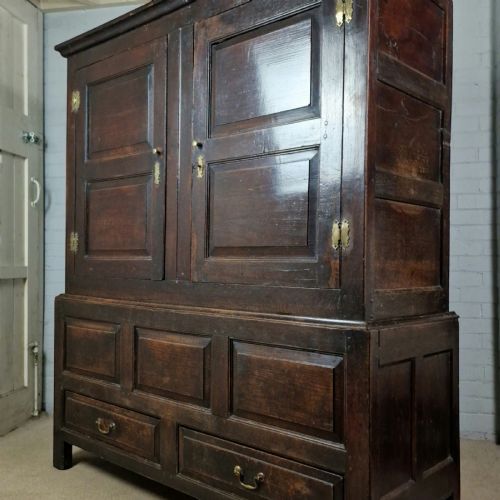
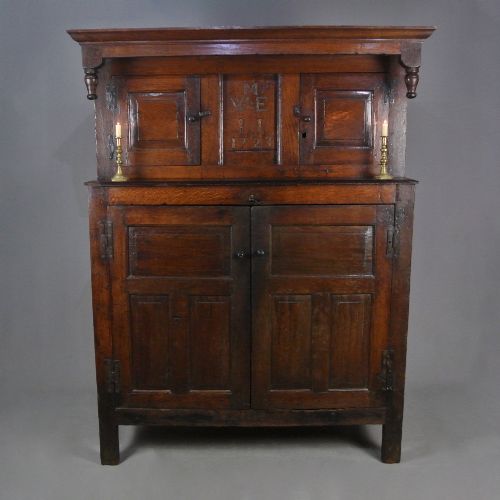
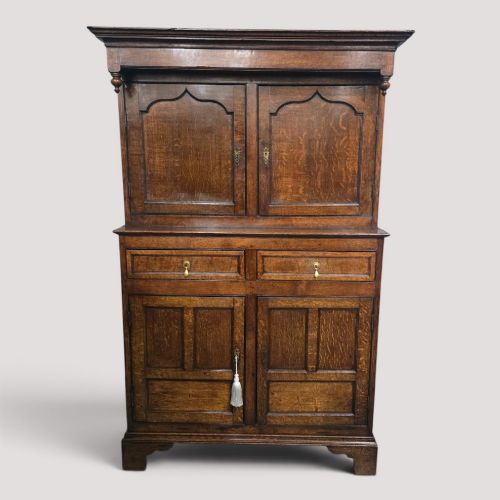
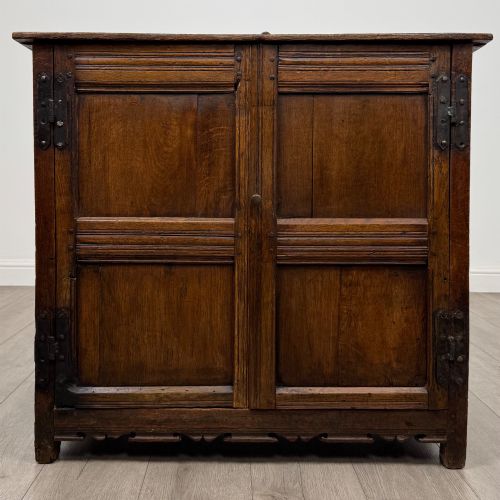
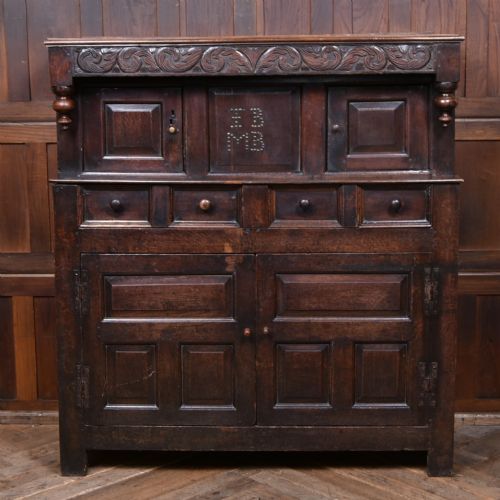
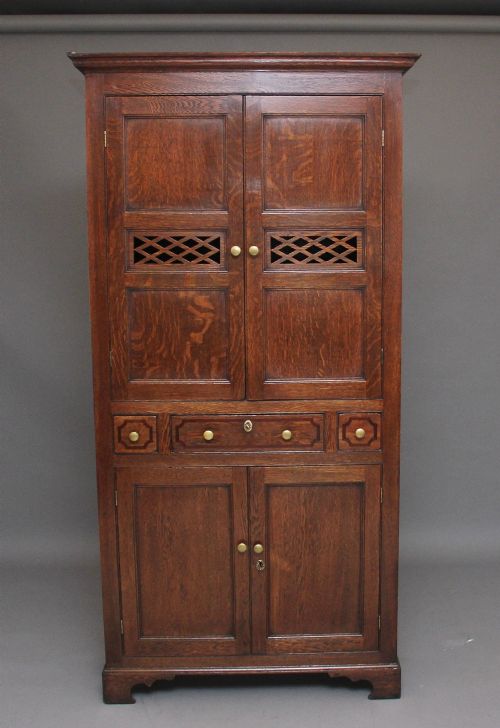
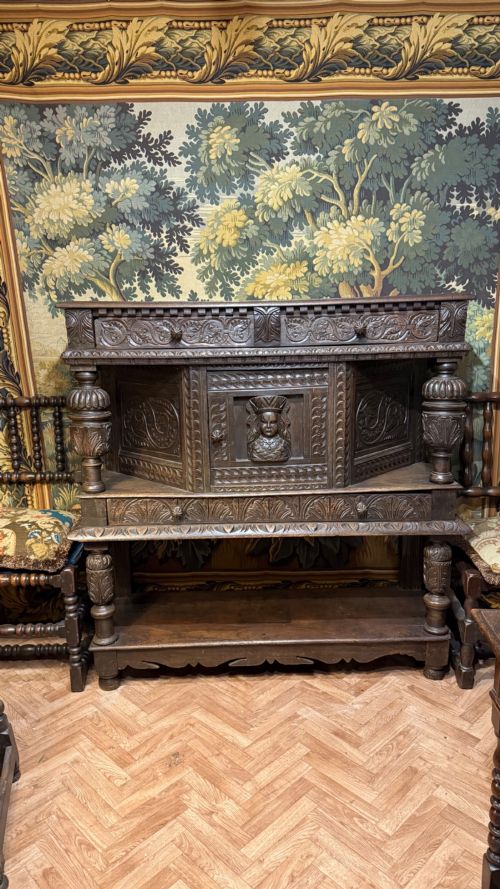
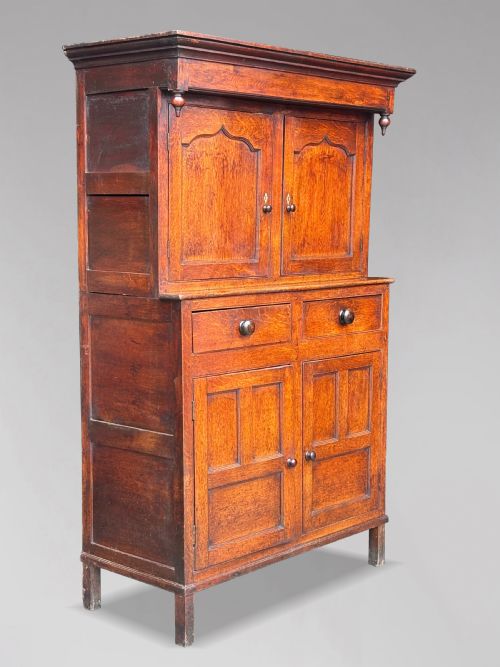
A dark oak livery cupboard spans substantial multi-tier court cupboards, tall standing cabinets, and wall-hanging food cupboards originating from seventeenth-century foundations through Georgian iterations. Buyers encountering this selection will predominantly find seventeenth-century joined examples, eighteenth-century Welsh vernacular pieces, and mid-Georgian country cabinets.
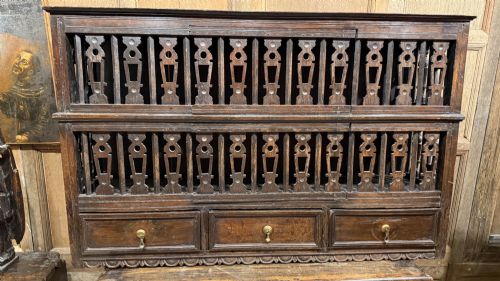
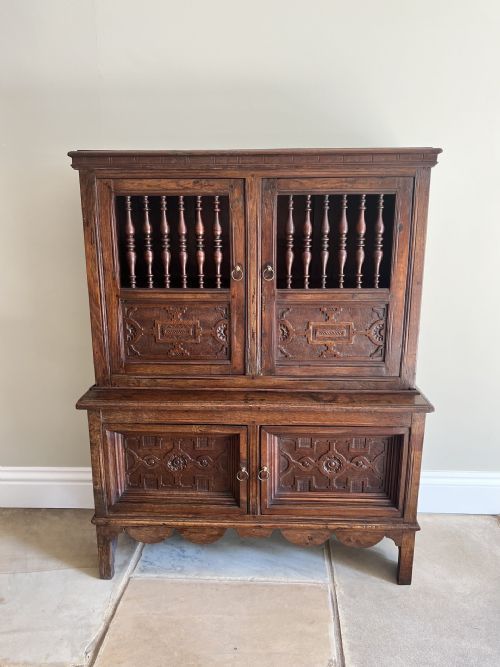
The functional forms vary from monumental court cupboards and press cupboards down to smaller hutch cabinets and mural cupboards intended for food storage or linens. Regional variations such as the Welsh Cwpwrdd Deuddarn appear frequently alongside standard English vernacular designs.
How they were made
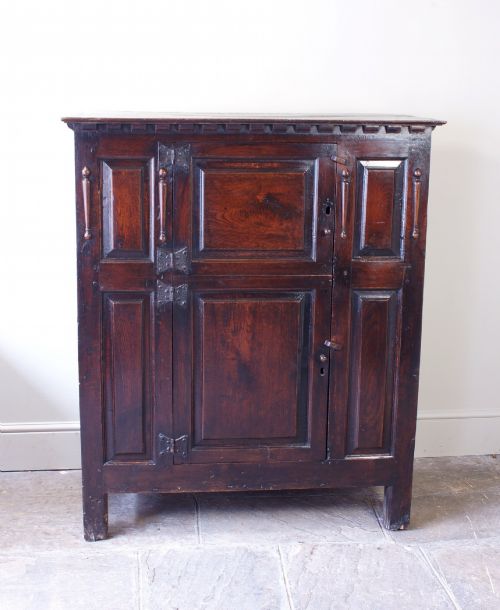
Construction relies heavily on solid English oak panels assembled with traditional joinery, supported by brass and wrought iron hardware such as strap hinges and latches. Selected pieces incorporate inlaid wood details and fruitwood inlay to accent the primary timber framework.
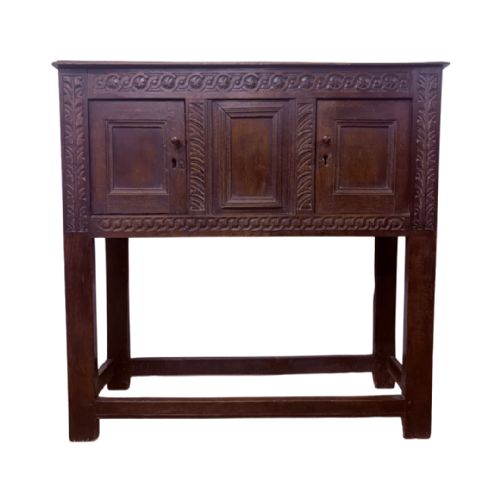
Surfaces display period carving techniques, including relief work on friezes and stiles, combined with pegged joints and panel-in-frame construction typical of early cabinetmakers.
Dark Oak Livery Cupboard Retail Price Guide 2026
Typical asking prices for dark oak livery cupboard among the pieces listed under this phrase on Sellingantiques today, from the lower quarter to the upper quarter. They describe what is for sale here now, not the wider market.
Current listings span periods from pre-sixteenth century up through the 1920s, demonstrating a strong concentration of seventeenth and eighteenth-century vernacular oak.
What varies in quality
Quality rests upon the proportion of original timber retained versus later timber replacements, together with the crispness and depth of hand-carved ornamentation on the facade. Early joined examples with intact period hardware and unblemished structural framing command greater architectural presence than heavily restored later iterations.
The sophistication of regional vernacular design, such as finely figured grain in Welsh oak or complex inlaid fruitwood detailing, elevates certain forms above standard utilitarian food cupboards.
The Dark Oak Livery Cupboard Glossary
- Court Cupboard
- A traditional multi-tiered enclosed cabinet used for displaying plate and storing provisions. These pieces typically feature recessed upper stages supported by heavy balusters.
- Livery Cupboard
- A historic storage cabinet originally designed for dispensing rations or storing household linens. They frequently incorporate ventilated doors or pierced panels for air circulation.
- Joined Oak
- Furniture constructed using mortise and tenon joints secured by wooden pegs rather than metal nails. This method defines seventeenth-century cabinetwork.
- Hutch
- A simple enclosed cabinet or box on legs designed for domestic storage. These compact pieces often feature single door fronts and simple board construction.
Dark Oak Livery Cupboard: Frequently Asked Questions
Where were livery cupboards used?
These cabinets served primarily in the main halls, dining parlours, and domestic quarters of historic homes. They held food provisions, tableware, and household linens.
Over subsequent centuries, surviving examples migrated into private drawing rooms and studies as decorative furniture rather than working storage.
How do I date a seventeenth-century oak cupboard?
Dating relies on examining the construction methods, such as joined frame-and-panel assemblies, hand-carved motifs, and original wrought iron hardware. Tool marks left by pit saws and adzes provide further physical clues.
Comparative analysis with dated examples inscribed with years like 1678 or 1723 helps confirm the precise era of manufacture.
Are Welsh oak cupboards different from English pieces?
Welsh vernacular pieces, including the traditional Cwpwrdd Deuddarn, often exhibit distinct regional proportions and local timber characteristics. They reflect the specific domestic requirements of Welsh households.
English equivalents from the same eras typically follow mainstream Jacobean or Georgian stylistic developments rather than regional vernacular traditions.
How should I care for dark oak furniture?
Maintain stable indoor humidity levels and keep antique oak away from direct heat sources and strong sunlight to prevent timber shrinkage and splitting. Regular dusting with a dry, soft cloth preserves the historic surface.
Occasional application of appropriate wax feeds the dry wood without building up heavy chemical residues that obscure the grain.