
Charles II Furniture
Charles ii furniture comprises seventeenth-century tables, seating and storage pieces designed for domestic interiors during the Restoration era.
Charles II Furniture
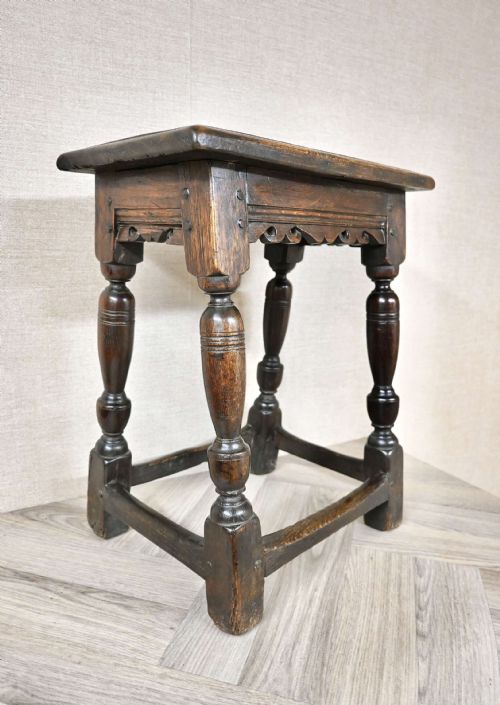
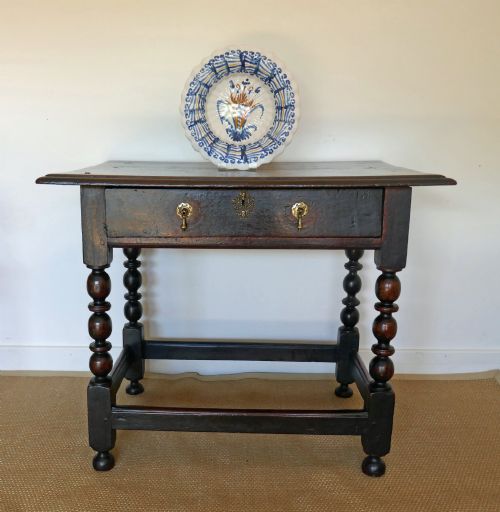
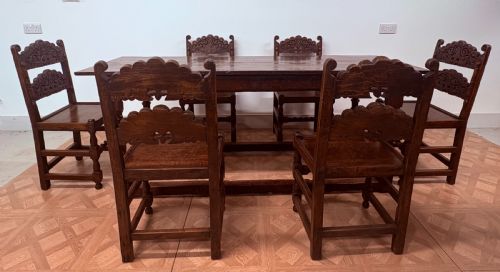
When searching for charles ii furniture, collectors encounter seventeenth-century pieces spanning the Restoration period, including chest of drawers, side tables, refectory dining tables, joint stools, armchairs and side chairs. The selection centres heavily on solid oak forms, alongside occasional walnut and fruitwood examples.
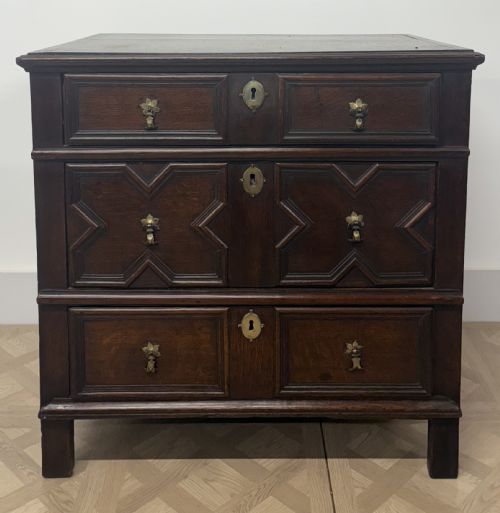
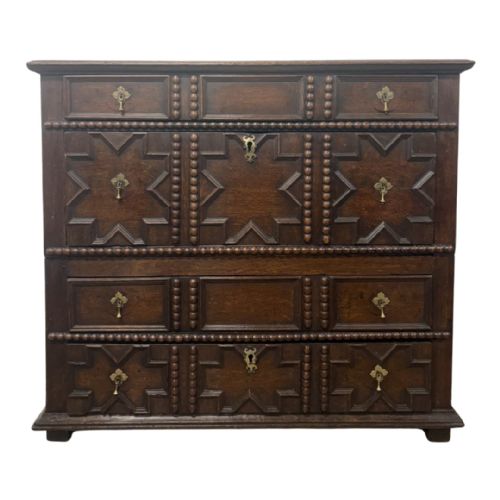
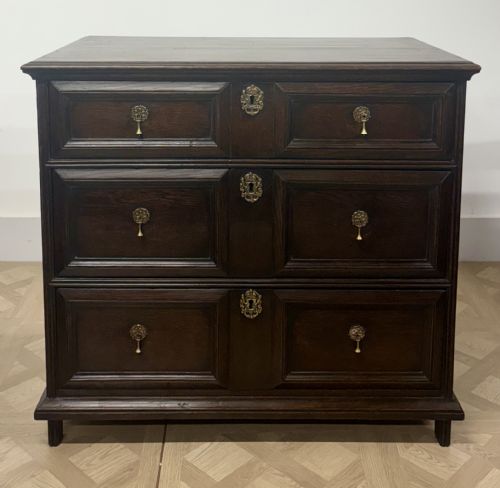
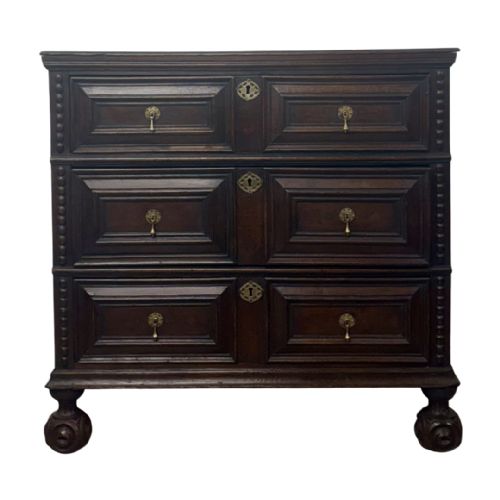
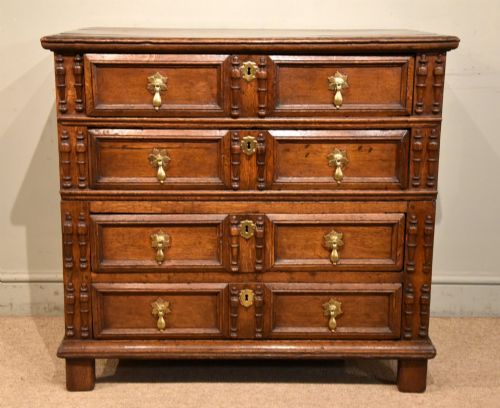
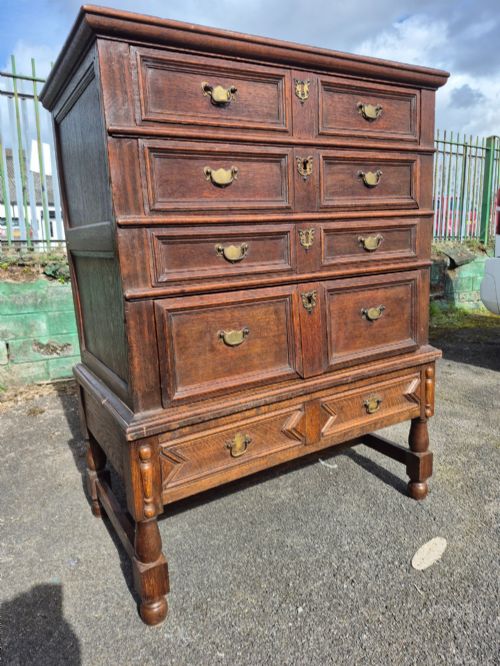
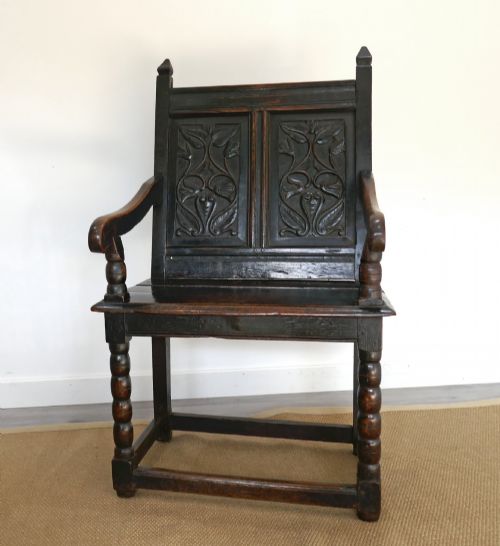
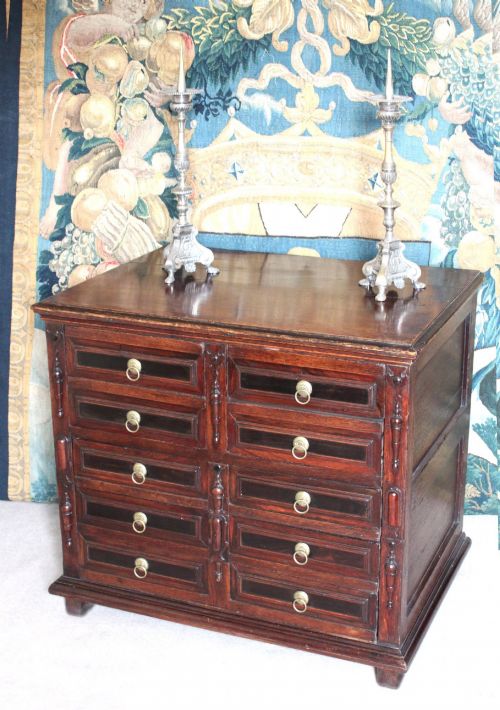
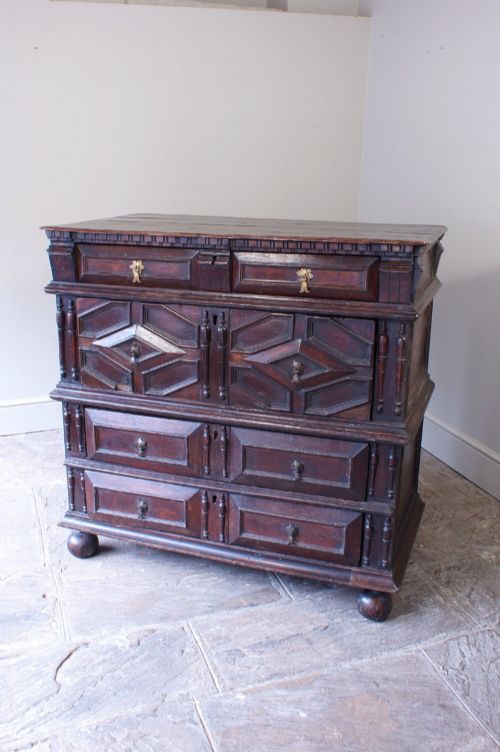
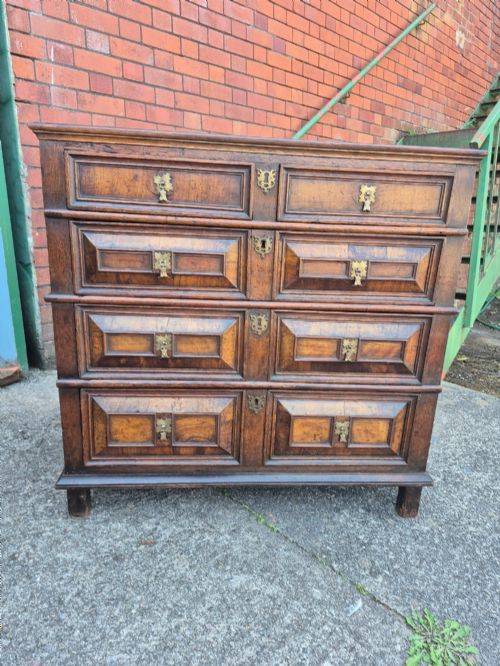
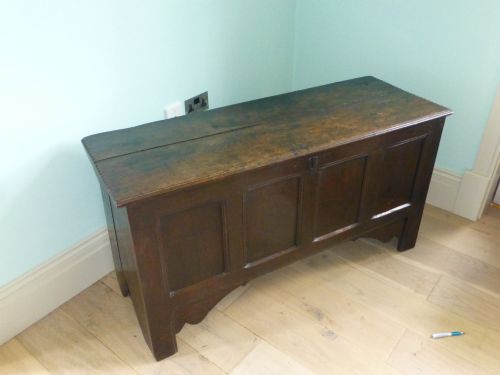
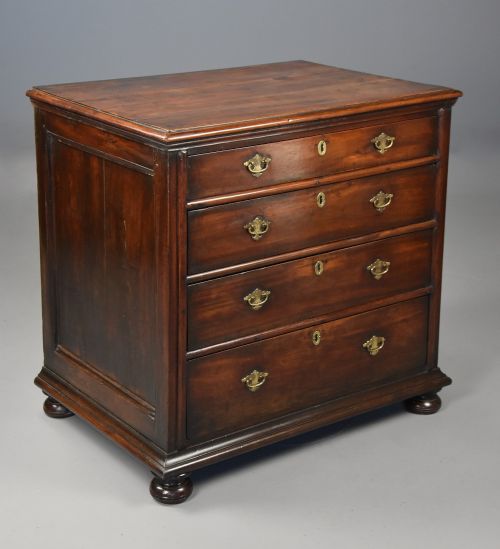
Chest of drawers appear frequently, often constructed in two parts with geometric mouldings to the drawer fronts. Seating ranges from wainscot chairs and backstools to side chairs with carved splats, while larger storage forms include cupboards, buffets and coffers.
Materials and construction
Joiners and cabinetmakers relied primarily on native oak, complemented by walnut, fruitwood, and occasional cane or fabric inserts. Construction methods involved pegged mortise and tenon joints for frames, alongside hand-cut dovetails and applied geometric mouldings on drawer fronts.
Surfaces received hand-planed finishes and natural polish, showing the distinct grain of timber selected for panels, table tops and structural supports.
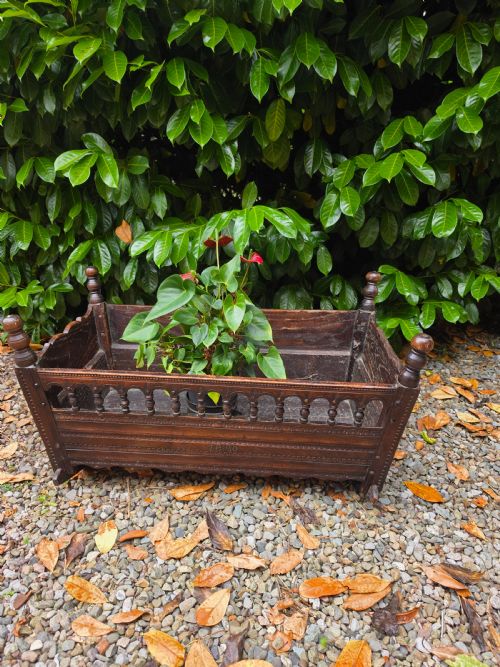
A solitary fruitwood cradle survives to remind us that seventeenth-century infants rested inside geometric luxury.
Judging quality
Quality rests upon the integrity of the original timber and the crispness of hand-carved or panelled details. Pieces retaining their original hardware, uncompromised structural joints and authentic surface patination stand apart from those altered by later restorations.
Proportion and balance define the better examples, where geometric mouldings and drawer configurations align correctly with the domestic scale of the period.
The Charles II Furniture Glossary
- Joint Stool
- A sturdy wooden stool constructed with pegged mortise and tenon joints rather than turned legs inserted into a seat. These served as primary seating or small side surfaces in seventeenth-century households.
- Gateleg Table
- A drop-leaf table featuring hinged flaps supported by swing legs that pivot out like a gate. This form allowed tables to fold compactly against a wall when not in use.
- Wainscot Chair
- A heavy wooden armchair panelled at the back, constructed predominantly from oak. Such chairs represented substantial status in seventeenth-century domestic settings.
- Backstool
- An early form of upholstered or panelled chair built without arms, functioning as a precursor to the modern dining chair.
- Geometric Moulding
- Applied wooden strips arranged in repeating geometric patterns on drawer fronts or cabinet doors. This decorative technique created depth and shadow across flat surfaces during the later seventeenth century.
- Coffer
- A large wooden chest used for storage, typically fitted with a hinged lid and reinforced panel construction.
Charles II Furniture: Frequently Asked Questions
What defines charles ii furniture?
Charles ii furniture encompasses seventeenth-century domestic pieces produced during the Restoration period. These items typically feature solid oak construction, geometric drawer mouldings and robust joinery.
Common forms include chests of drawers, gateleg tables, joint stools and wainscot chairs.
How do I identify a period piece?
Period pieces display traditional construction methods such as hand-cut dovetails, pegged joints and timber shrinkage consistent with seventeenth-century age. Surface patination and tool marks provide further clues to authenticity.
Examining the interior timber and hardware helps confirm whether components remain original.
Were these pieces made from oak?
Oak served as the primary material for the vast majority of seventeenth-century English domestic furniture due to its local availability and strength. Cabinetmakers also utilised walnut and fruitwood for specific decorative elements or smaller items.
Secondary woods often appear inside drawer linings and back panels.
How were gateleg tables used?
Gateleg tables provided flexible dining and working surfaces in seventeenth-century homes. The hinged leaves could be dropped to save space or raised on swing legs when meals or gatherings required a larger top.
Their sturdy frame construction supported heavy daily use.