

17th Century English Furniture
When you search for 17th century english furniture, you meet solid oak and walnut seating, tables and storage shaped by centuries of domestic life.
17th Century English Furniture
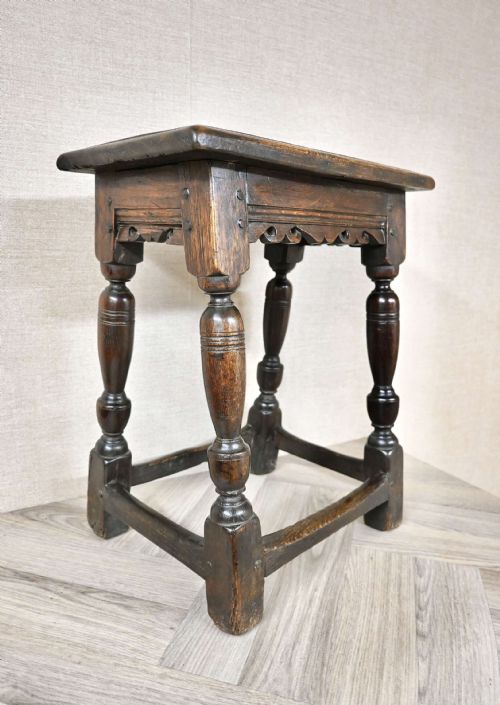
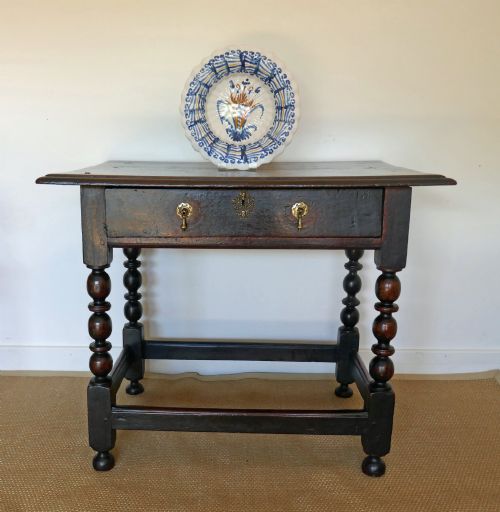
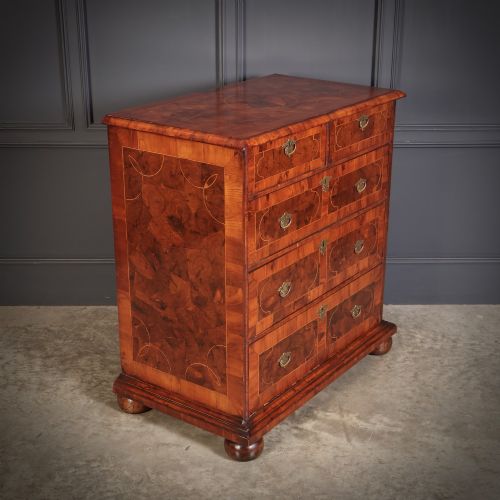
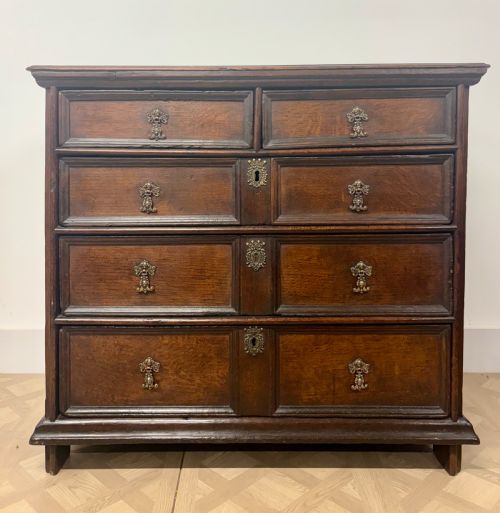
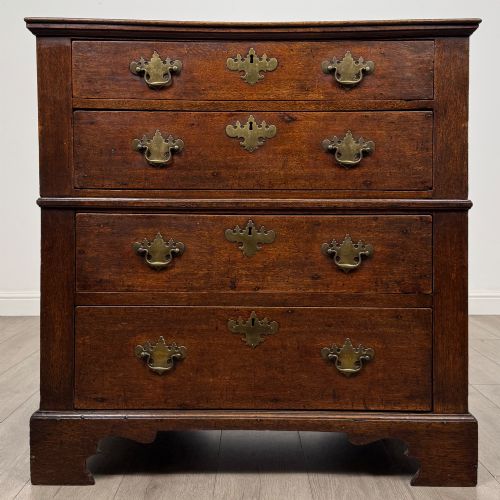
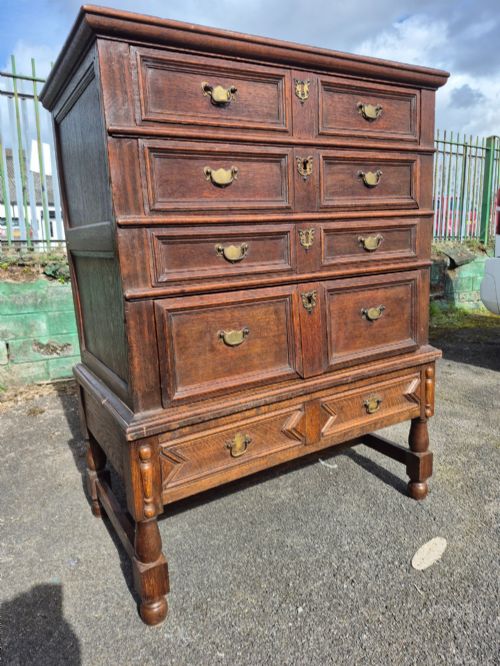
Buyers seeking 17th century english furniture encounter robust domestic items made for daily utility, with chests of drawers, joint stools and gateleg tables appearing most frequently on this page. These pieces derive from periods such as the Jacobean, Charles II and William and Mary eras, reflecting early joinery traditions.
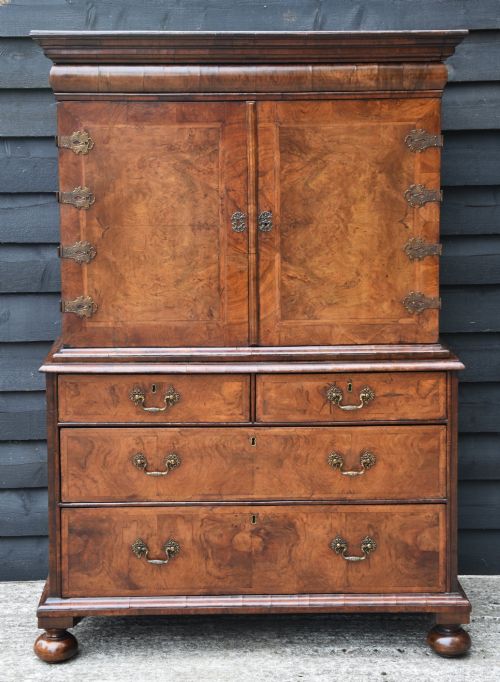
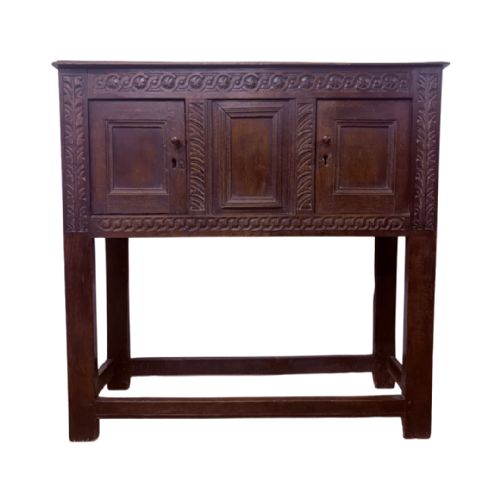
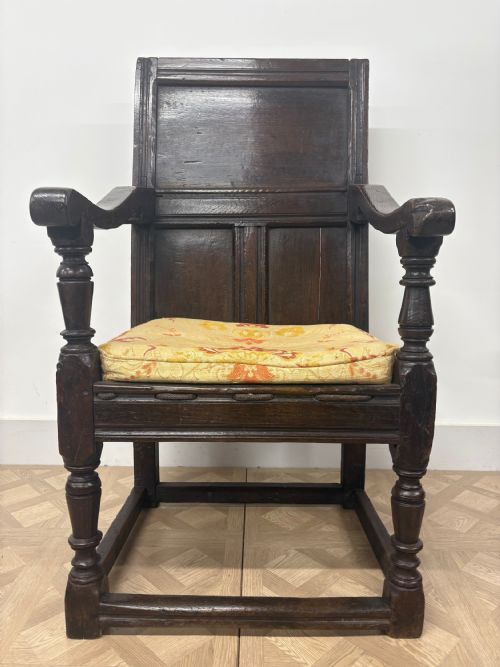
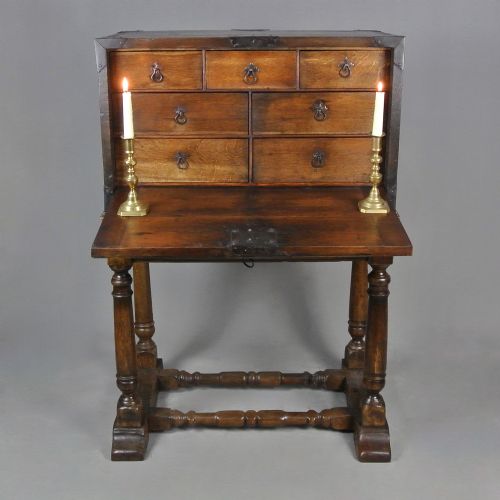
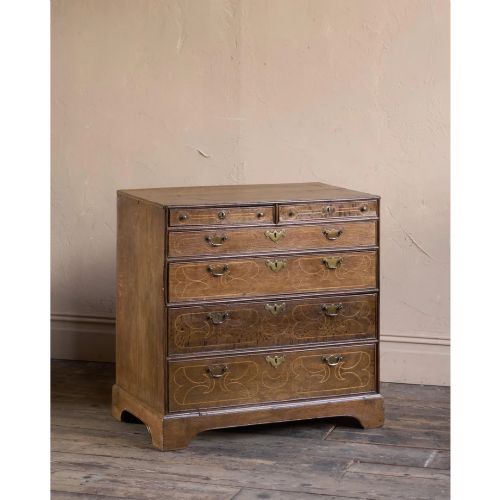
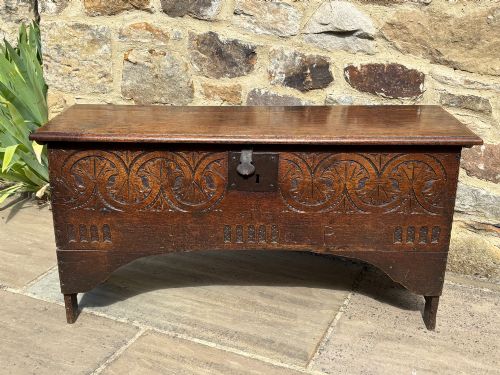
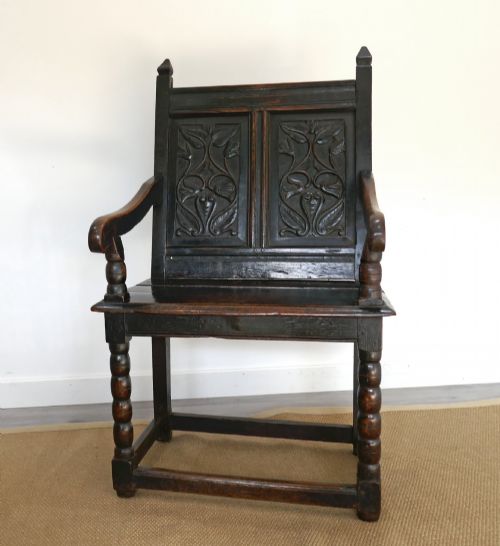
The selection ranges from sturdy oak coffers and wainscot armchairs to walnut cabinets on stands and delicate marquetry chests. Regional vernacular pieces, including court cupboards and settles in elm or fruitwood, sit alongside more formal urban forms.
Most items stem directly from the 17th century, though occasional Georgian interpretations or later revivals also represent the enduring aesthetic of the period.
How They Were Made
Makers relied primarily on native timber, selecting solid oak for framing and structural integrity, while walnut, fruitwood and burr walnut provided decorative surfaces. Iron and brass hardware, such as hinges and drop handles, secured doors and drawers.
Joinery techniques defined the era, utilising mortise and tenon joints pegged together rather than metal nails. Turning lathes produced bobbin and spiral legs for tables and stands, while veneer and marquetry added patterned grain and floral detail to cabinet fronts.
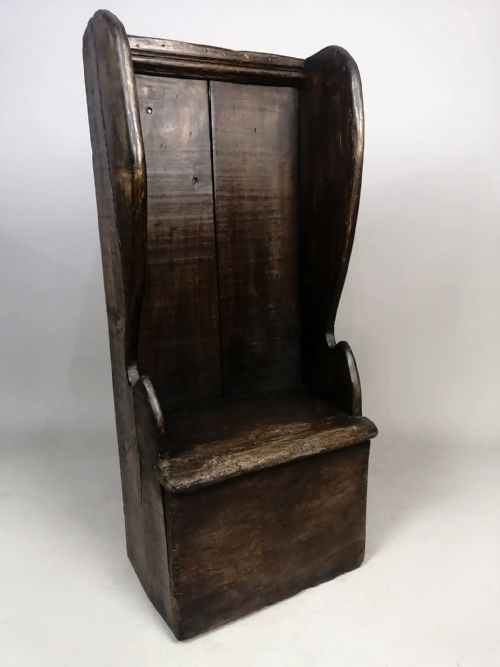
Children received their own miniature seating, such as fruitwood lambing chairs, designed in exact miniature for seventeenth-century firesides.
What Varies in Quality
Quality rests on the integrity of the original timber and the crispness of hand-carved geometric moulding or floral inlay. Pieces retaining their initial surface patination without excessive modern intervention command greater respect.
Structural honesty separates exceptional survivals from heavily altered examples, particularly where legs, bases or hardware have undergone replacement over the centuries.
The 17th Century English Furniture Glossary
- Joint Stool
- A sturdy wooden stool constructed with pegged mortise and tenon joints rather than turned legs glued into a seat. These items served as primary seating and side tables in early households.
- Gateleg Table
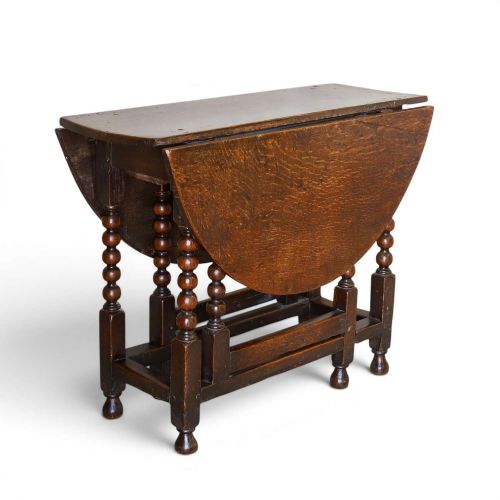
- A dining or side table with hinged leaves supported by swing-out legs that resemble a gate. This form allowed tables to expand for meals and fold down to save space against a wall.
- Oyster Veneer
- Cross-cut slices of small branches arranged in circular or geometric patterns resembling oyster shells. This technique decorated the drawer fronts of walnut cabinets during the late seventeenth century.
- Wainscot Armchair
- A heavy wooden armchair constructed with panelled backrests and solid wooden seats. They originated when chairs were prestigious items reserved for heads of households.
- Marquetry
- The art of applying thin pieces of wood veneer to form decorative patterns and floral designs on furniture surfaces. It appeared prominently on high-status William and Mary chests.
- Coffer
- A large wooden chest used primarily for storage of textiles, valuables and documents. They represent some of the earliest surviving domestic storage furniture.
17th Century English Furniture: Frequently Asked Questions
How do I care for 17th century oak?
Keep wooden surfaces away from direct heat sources and sudden humidity changes to prevent the timber from splitting. Apply a traditional wax polish occasionally to nourish the dry grain and maintain a natural protective sheen.
Avoid modern liquid cleaners or silicone sprays, which can penetrate porous historical finishes and damage the underlying patination permanently.
Were these tables used for dining?
Gateleg tables and joint stools provided flexible dining arrangements in seventeenth-century homes where rooms served multiple daily functions. Families pulled them into the centre of the room for meals and pushed them aside afterward.
Smaller side tables and occasional tables remained positioned against walls for displaying objects or holding lighting.
How do I distinguish walnut from oak pieces?
Oak furniture tends to be heavier, with a pronounced open grain and lighter golden-brown tones typical of the earlier seventeenth century. Walnut pieces appeared more frequently toward the end of the century, offering a smoother, darker, and more polished surface.
Walnut also accommodated intricate techniques like marquetry and oyster veneering far better than coarser oak.