




Edwardian Sheet Music Chest
An Edwardian sheet music chest is a compact, elegant cabinet built to organise scores and folios, bringing refined utility to a period interior.
Edwardian Sheet Music Chest
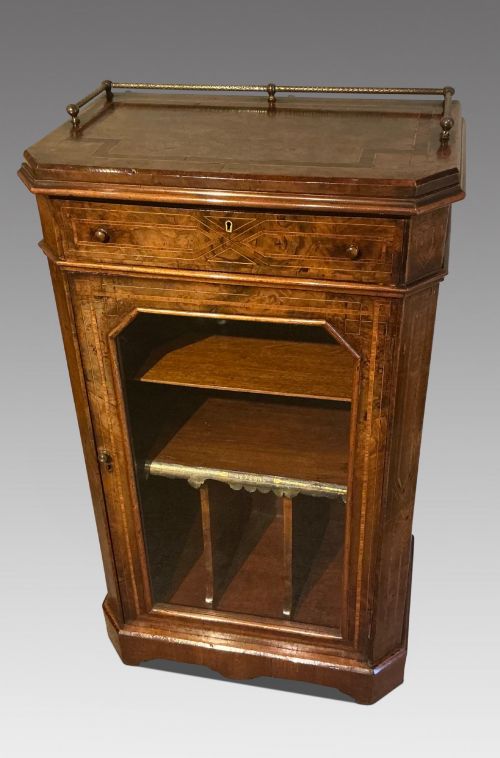
An Edwardian sheet music chest is a specialised storage piece designed to keep sheet music flat and accessible. These cabinets predominantly date from the Edwardian period, though variations span from Victorian origins into the nineteen-twenties.
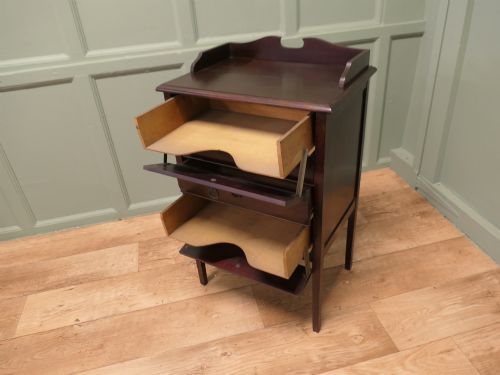
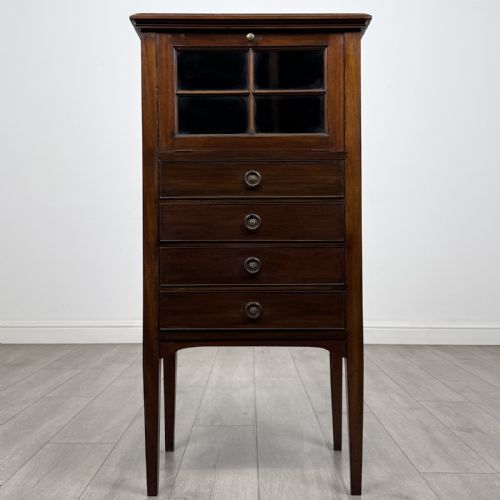
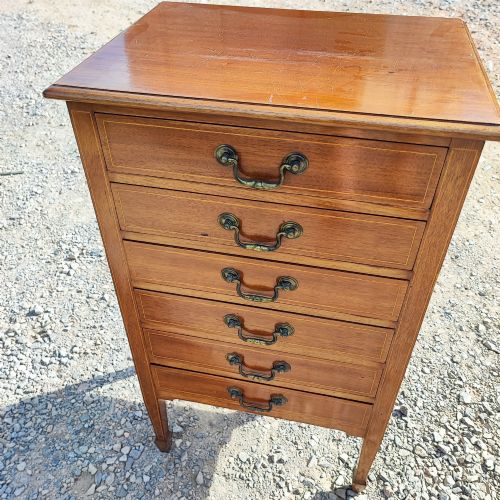
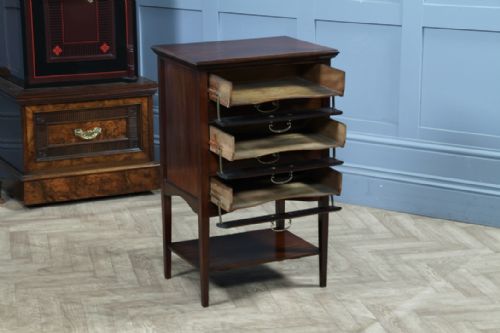
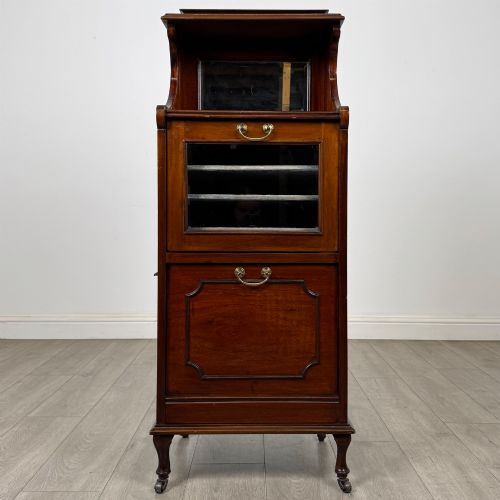
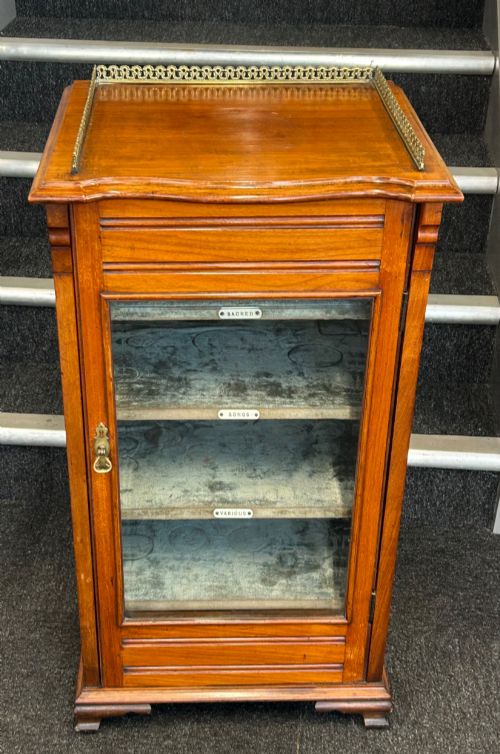
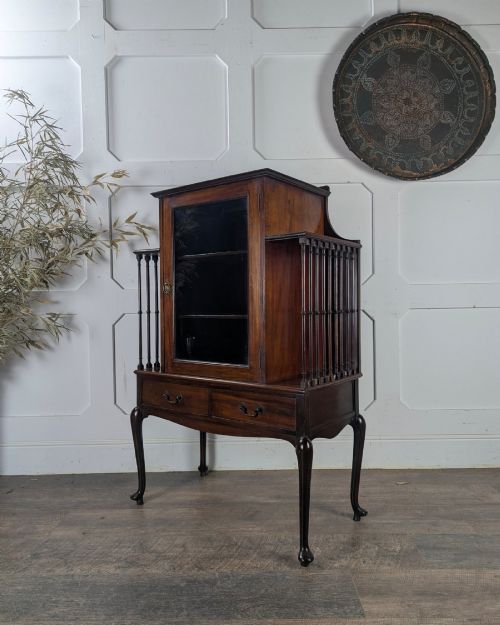
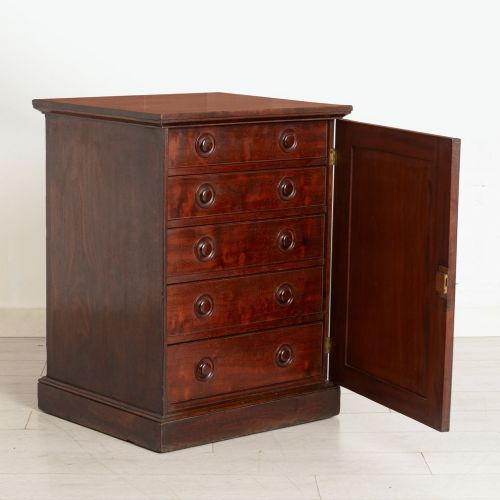
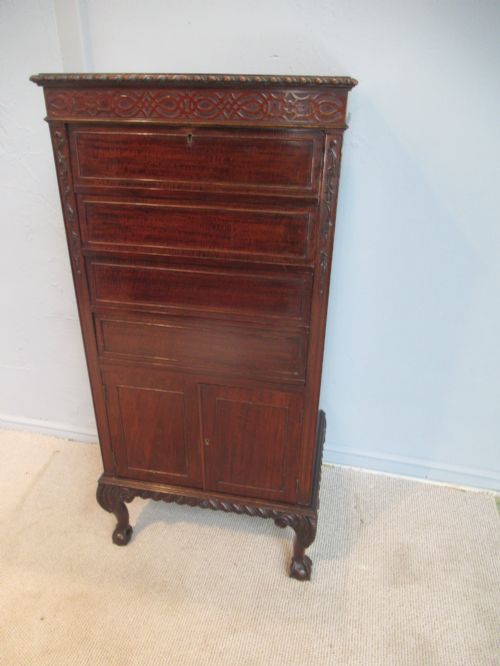
The standard form encountered here is the upright cabinet fitted with a series of drop-front drawers, often numbering between four and six. Some examples incorporate glass doors or display sections, functioning equally well for books and modern vinyl records.
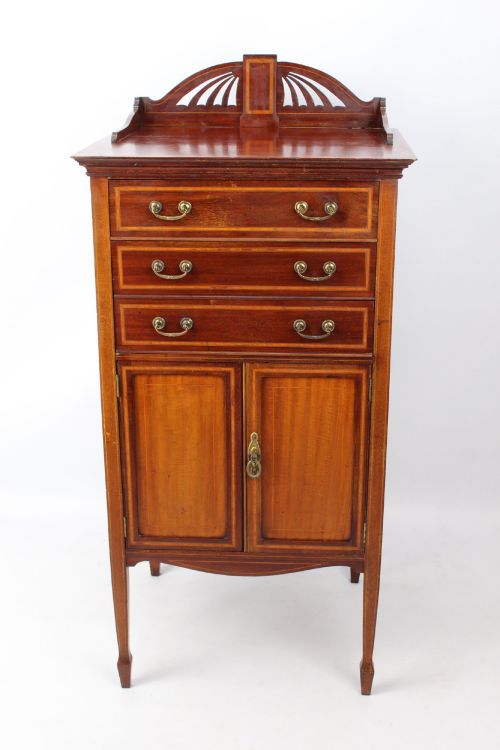
Mahogany forms the primary timber for these pieces, frequently enhanced with inlaid wood detailing. Alternative examples appear in walnut, oak, and rosewood, reflecting the stylistic preferences of their era.
Construction and Materials
Cabinet makers constructed these pieces using solid timbers and veneers, predominantly mahogany and walnut, paired with secondary woods for internal framing. Inlay wood detailing decorates the exterior surfaces of finer examples.
Functional hardware such as brass handles and drop-front mechanisms allow the shallow drawers to tilt downward for easy sorting of paper sheets. Glass panels appear on select variants to enclose display compartments.
Edwardian Sheet Music Chest Retail Price Guide 2026
Typical asking prices for edwardian sheet music chest among the pieces listed under this phrase on Sellingantiques today, from the lower quarter to the upper quarter. They describe what is for sale here now, not the wider market.
Listings feature pieces spanning the Victorian and Edwardian eras through the nineteen-twenties, constructed primarily in mahogany, walnut, oak, and rosewood.
Assessing Quality
The distinction between standard and superior pieces rests on the choice of timber and the precision of the inlay work. Finer cabinets display carefully figured mahogany and crisp, intricate marquetry rather than plain surfaces.
Internal construction, particularly the smooth operation of the drop-front drawer mechanism and the quality of the brass fittings, separates everyday utility cabinets from finer examples of period craftsmanship.
The Edwardian Sheet Music Chest Glossary
- Drop-front drawer
- A drawer mechanism that tilts forward when opened to allow easy access to sheet music stored flat inside. This design prevents delicate paper from curling or tearing.
- Inlay wood
- Pieces of contrasting timber fitted flush into the primary wood surface to create decorative patterns. Edwardian makers utilised this technique to adorn cabinet doors and top panels.
- Display case
- A cabinet section enclosed by glass panels intended for showing books or decorative objects. It alters the standard closed profile of a music chest.
- Marquetry
- Elaborate wood inlay assembled to form pictorial or geometric designs. It represents a higher level of decorative finish on period furniture.
Edwardian Sheet Music Chest: Frequently Asked Questions
What is a sheet music chest?
A sheet music chest is a tall, narrow cabinet specifically designed with shallow drawers to hold unbound musical scores flat.
These pieces emerged to keep domestic sheet music organised and protected from damage in the parlour.
How do drop-front drawers work?
Drop-front drawers feature hinged mechanisms that lower the front panel when pulled, creating an angled tray for sorting papers.
This design allows the user to read titles without removing the stacks of music from the cabinet.
Can these cabinets hold vinyl records?
Yes, the internal dimensions of certain music chests accommodate twelve-inch vinyl LP records alongside books and folios.
Buyers often repurpose these cabinets for modern media storage due to their suitable compartment sizes.
How do I identify an Edwardian piece?
Edwardian furniture typically dates from the reign of King Edward VII, spanning the early twentieth century. These pieces often feature mahogany construction with subtle inlaid wood decoration.
Victorian predecessors tend to use darker timbers like rosewood or walnut and heavier proportions.