


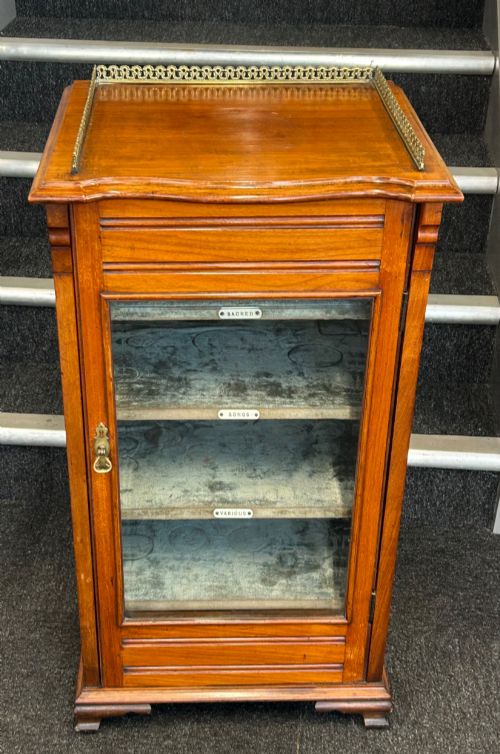
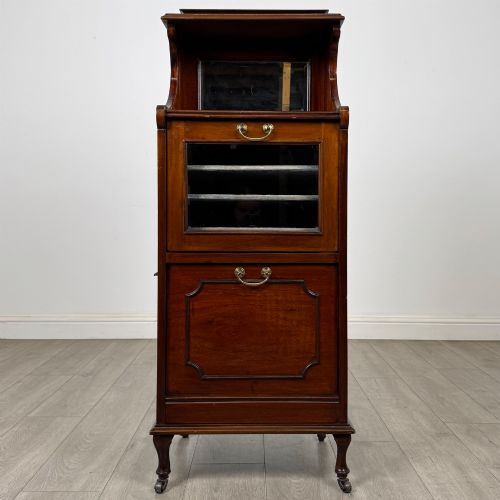
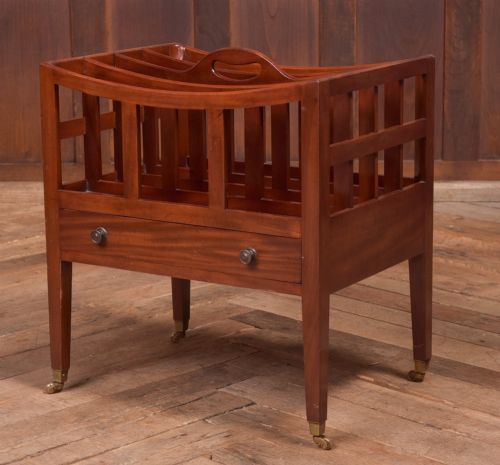
Vintage Sheet Music Cabinet
A vintage sheet music cabinet organises your scores and sheet music while anchoring a room with period timber and brass.

Vintage Sheet Music Cabinet
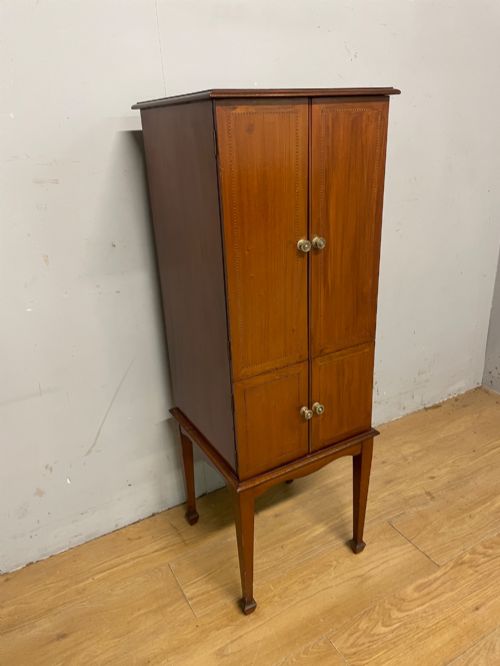
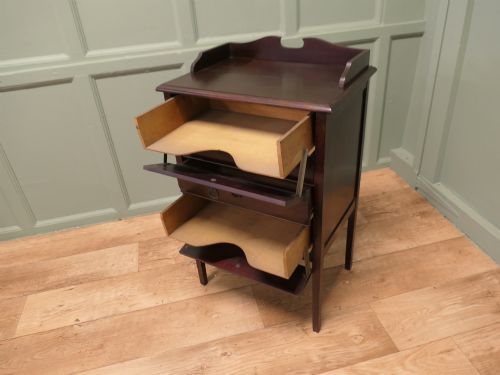
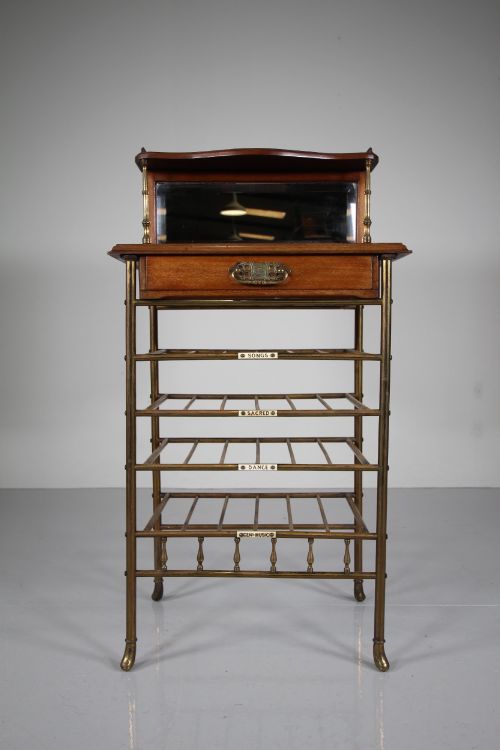
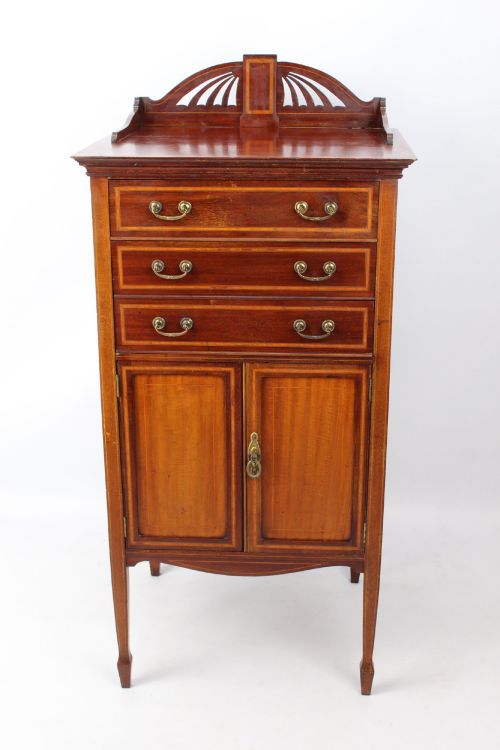
A vintage sheet music cabinet provides dedicated storage for musical scores and sheet music within a compact domestic footprint. You meet these pieces in Edwardian and later forms, reflecting the popularity of home music rooms during the early twentieth century.
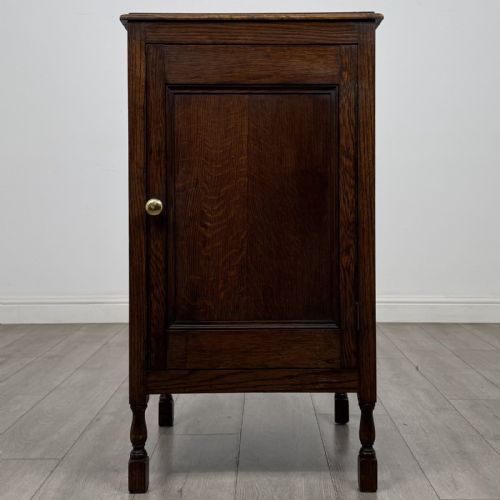
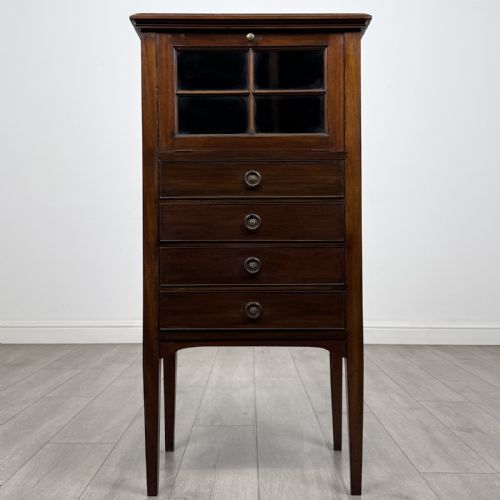
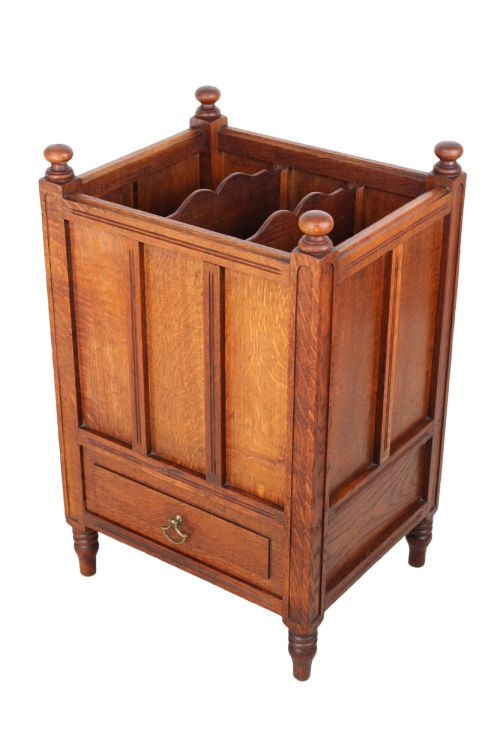
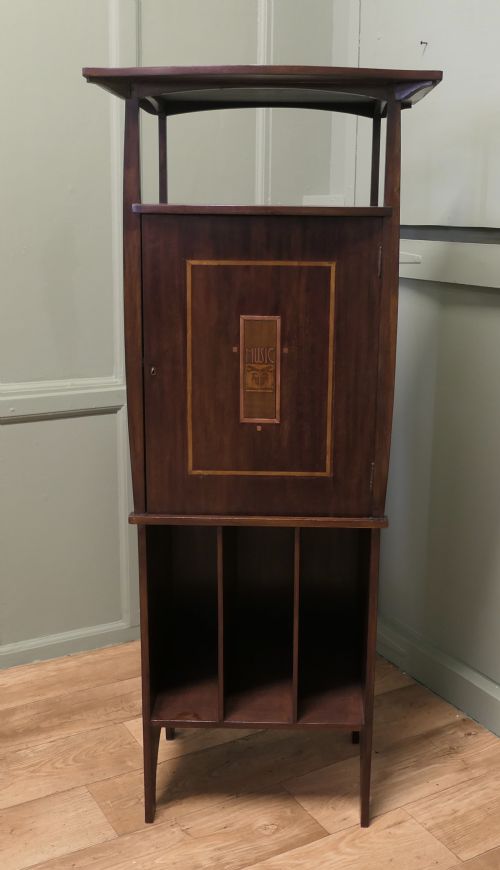
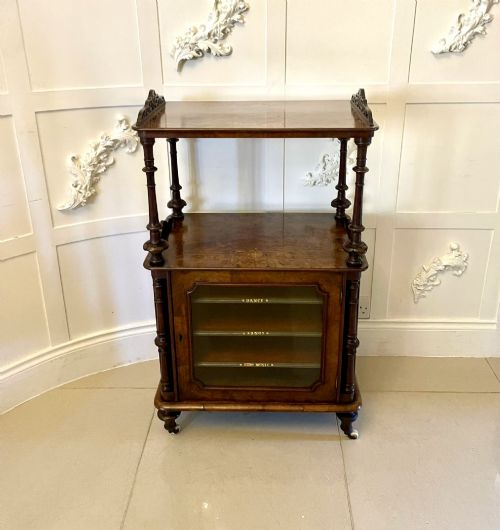
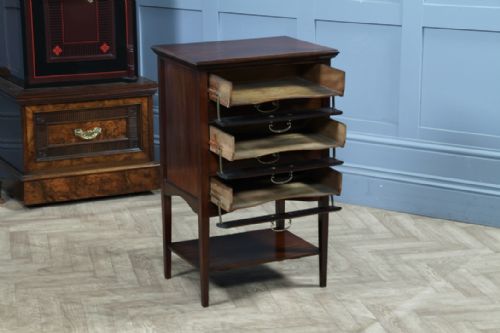
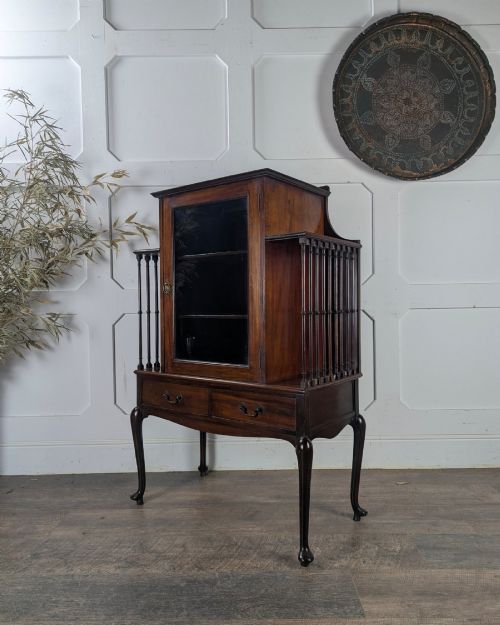
The inventory on this page shows music cabinets alongside related filing and display cupboards in oak, mahogany, and rosewood. These items span periods from the nineteenth century through the Edwardian era and into the Art Deco style of nineteen thirty.
How they were made
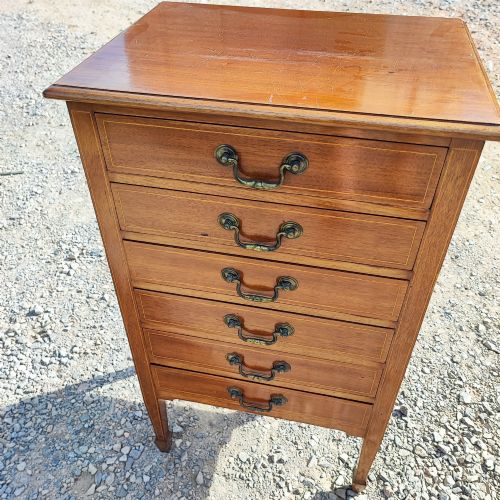
Cabinetmakers constructed these pieces using solid timbers and veneers such as mahogany, oak, walnut, and rosewood. Workshops incorporated contrasting inlay wood to decorate drawer fronts and panel doors.
Hardware details include cast brass handles and hinges, while some variations integrate glass panels or flexible tambour fronts. Timber construction ranges from traditional Edwardian craftsmanship to functional office filing formats of the early twentieth century.
Vintage Sheet Music Cabinet Retail Price Guide 2026
Typical asking prices for vintage sheet music cabinet among the pieces listed under this phrase on Sellingantiques today, from the lower quarter to the upper quarter. They describe what is for sale here now, not the wider market.
Musicians used to blame missing sheet music on mischievous parlour gnomes before discovering it neatly tucked behind a tambour door.
What varies in quality
Quality rests upon the choice of timber and the precision of the cabinetmaker's joinery. Finely figured mahogany and rosewood veneers elevated by delicate inlaid wood distinguish the finer pieces from utilitarian office storage.
Hardware integration also defines the grade of a cabinet. Solid brass mounts and smoothly operating drawers or tambour fronts demonstrate the superior construction standards found in better examples.

The Vintage Sheet Music Cabinet Glossary
- Tambour front
- A sliding shutter formed of narrow vertical strips of wood glued to a canvas backing. This mechanism allows the door to curve smoothly around the body of the cabinet.
- Inlay wood
- Contrasting timber veneers set into the surface of a primary wood to create decorative patterns. Edwardian cabinetmakers used this technique extensively on music furniture.
- Edwardian
- A stylistic period spanning from nineteen hundred to nineteen ten, characterised by lighter furniture designs and neoclassical revival motifs. Pieces from this era often feature mahogany and subtle inlay.
- Art Deco
- A design style emerging around nineteen thirty that favours geometric lines and streamlined forms. Sheet music cabinets from this period depart from Edwardian ornamentation in favour of modern simplicity.
Vintage Sheet Music Cabinet: Frequently Asked Questions
What is a vintage sheet music cabinet used for?
These cabinets were originally designed to sort and store loose sheet music and scores systematically.
Today, collectors use them to store papers, craft supplies, or small collections while adding period character to a room.
How do I date a sheet music cabinet?
Dating relies on observing timber choices, decorative motifs, and construction techniques matched against known stylistic periods.
Edwardian pieces often display mahogany and inlay wood, whereas nineteen thirty examples reflect Art Deco geometry.
Are tambour doors difficult to maintain?
Tambour fronts slide along recessed tracks using flexible wooden slats bonded to a fabric backing.
Keeping the tracks clean and free of dust ensures the mechanism operates smoothly without sticking.
Can I use an office filing cabinet for music?
Early twentieth century oak filing cabinets share similar proportions and drawer configurations with dedicated music storage.
Many buyers repurpose these sturdy office pieces to hold large collections of scores or documents.