


19th Century Marquetry Cabinet
When you search for a 19th century marquetry cabinet, you encounter timber furniture decorated with patterned wood veneers.
19th Century Marquetry Cabinet
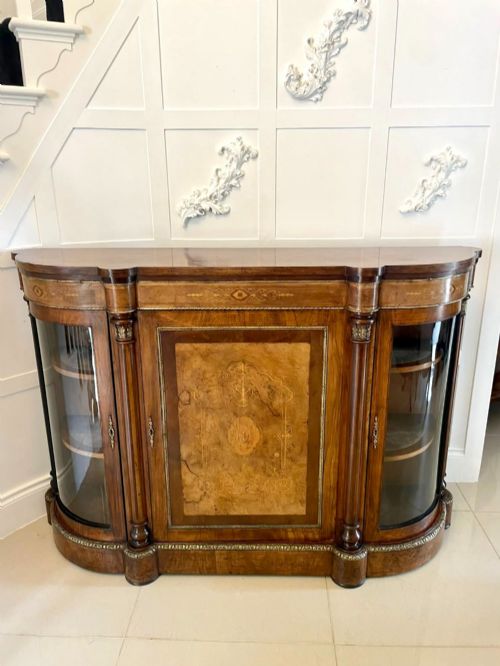
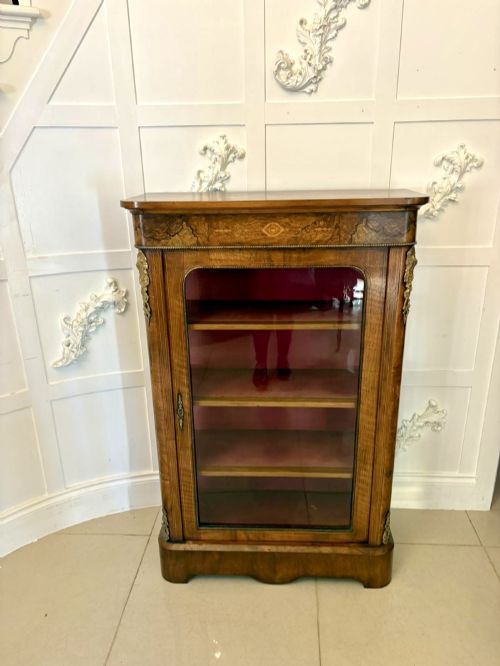
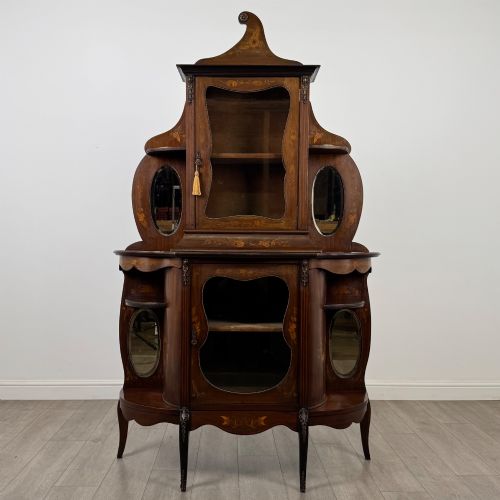
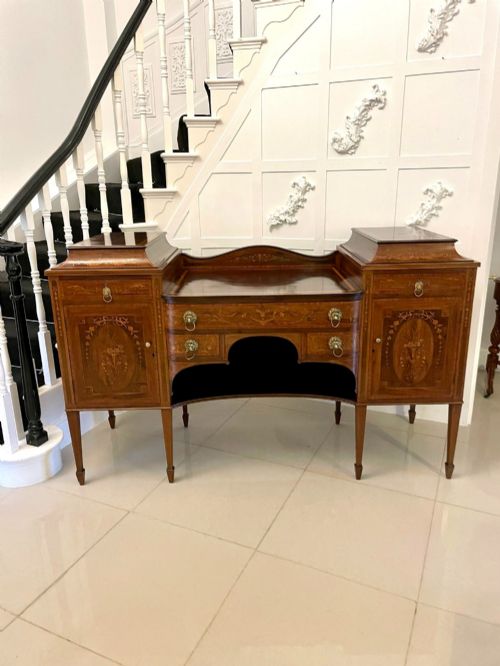
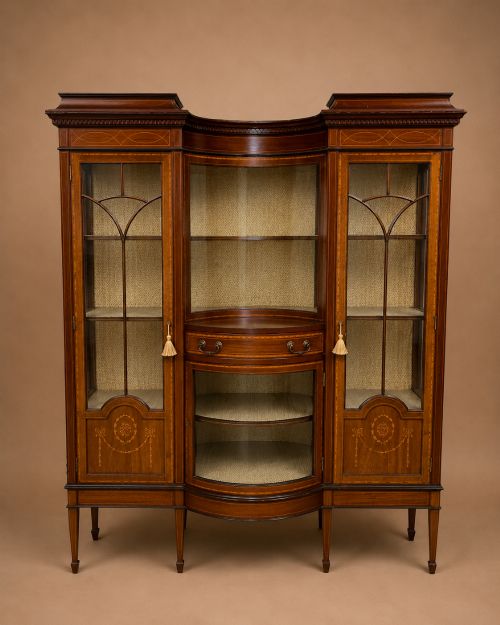
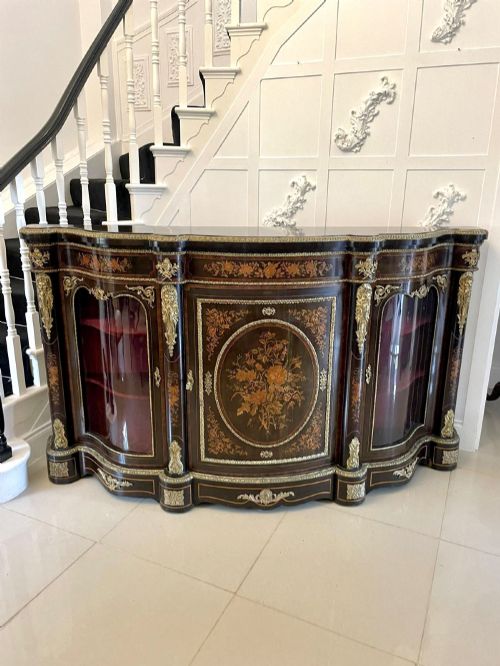
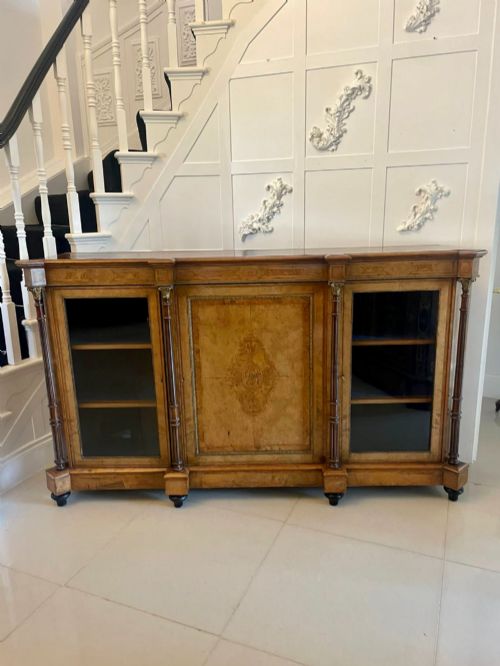
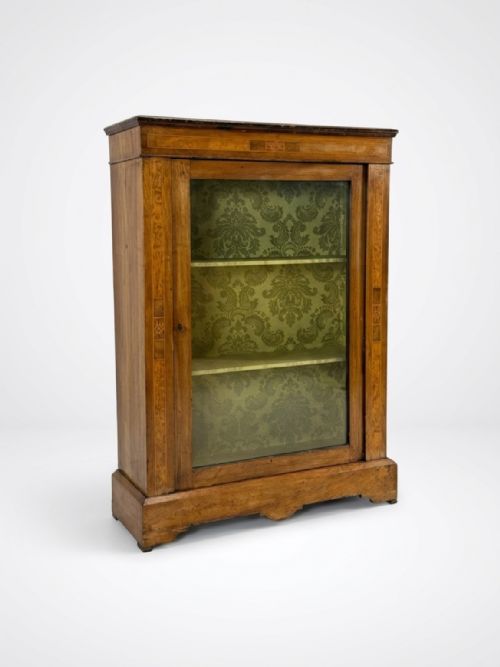
A 19th century marquetry cabinet encompasses a broad variety of forms designed for display, storage, and writing across the Victorian and continental periods. The selection includes glazed display pieces, credenzas, pier cabinets, and compact bedside tables originating from English, French, and Dutch workshops.
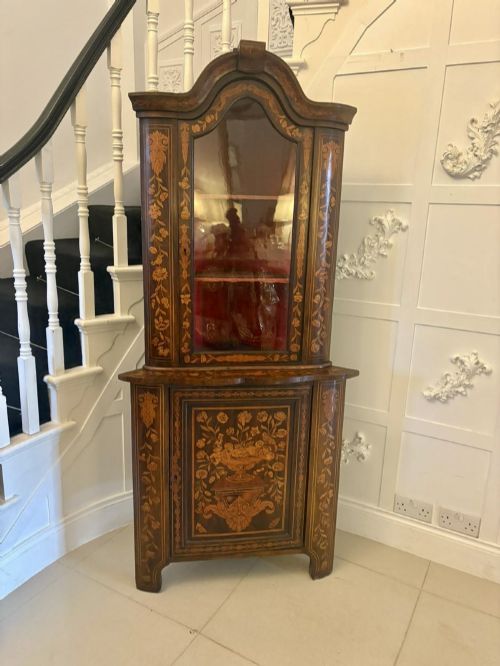
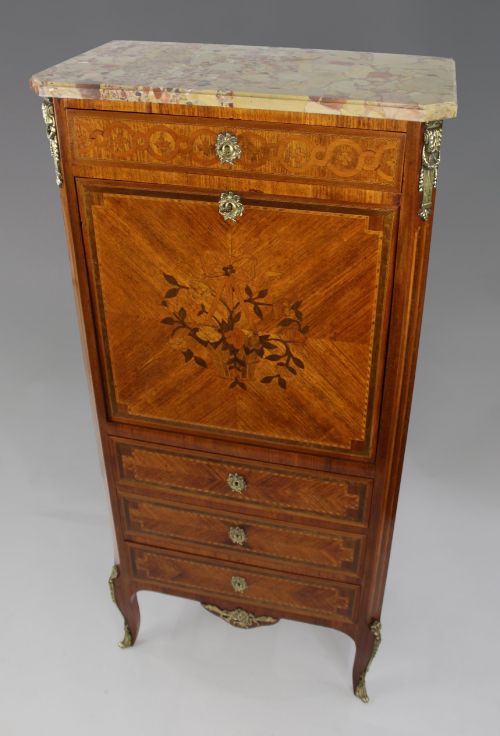
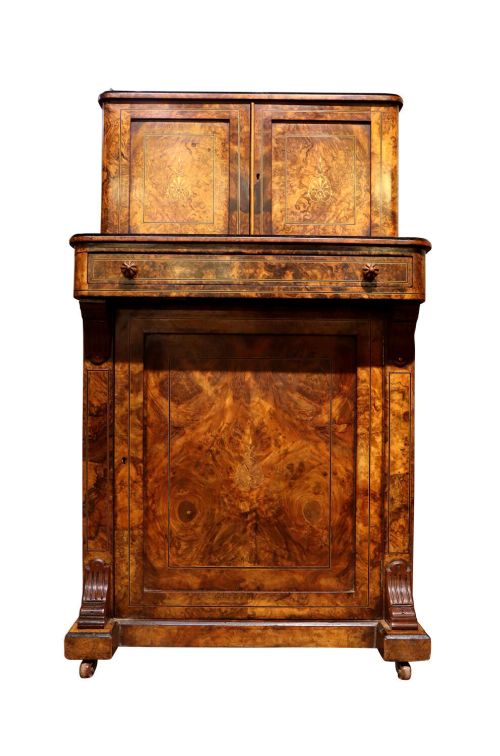
Burr walnut and mahogany provide the primary foundation for many English examples, while French pieces frequently utilise kingwood, satinwood, and tulipwood. Floral motifs, geometric patterns, and pictorial scenes cut from contrasting veneers decorate the exterior surfaces of these items.
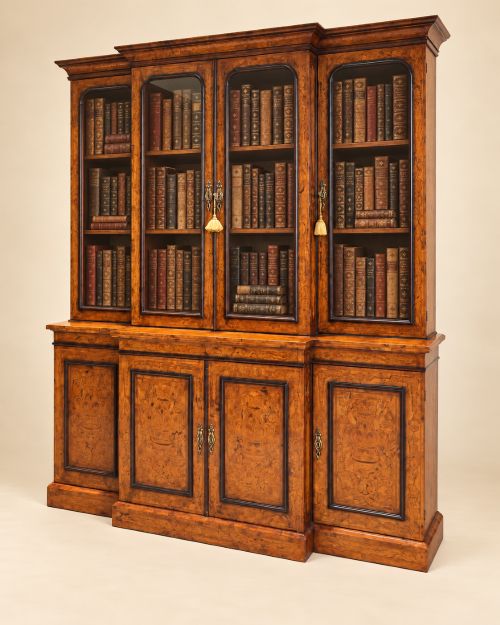
Buyers frequently encounter narrow pier cabinets designed to stand against specific wall spaces, alongside larger breakfront bookcases and sideboards. Glazed doors protect contents in vitrine versions, while drop-front desks conceal fitted pigeonholes and small drawers within the main body.
Materials and construction
Cabinet makers applied thin veneers of burr walnut, mahogany, rosewood, and satinwood over stable secondary pine or oak carcases to prevent warping. Contrasting woods such as boxwood and ebony formed intricate floral and scrollwork marquetry panels set directly into the primary surfaces.
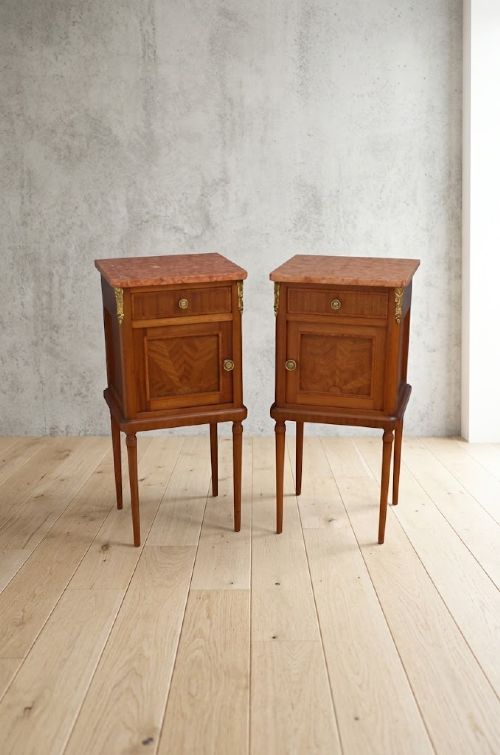
Ormolu mounts, gilt bronze, and cast brass details edge the corners, feet, and friezes of French revival pieces, secured with small threaded pins. Original marble tops feature on several continental escritoires and commodes, resting directly upon the wooden frames.
Quality and execution
The precision of the veneer cutting dictates the definition within the floral and pictorial marquetry panels. Tighter joints between individual wood pieces without excessive filler demonstrate superior cabinet making skill.
Mounts cast in ormolu or gilt bronze display crisp chiselling and secure fitting to the surrounding timber carcase. Secondary woods selected for drawer linings and internal shelving indicate the overall grade of the piece.
Hewetsons London·Maison Krieger·Gillows·Lamb of Manchester
The 19th Century Marquetry Cabinet Glossary
- Marquetry
- The art of applying decorative veneer pieces to a structure to form pictorial or geometric designs. Craftsmen cut contrasting wood types together to ensure tight interlocking joints.
- Ormolu
- Gilt bronze ornamentation applied to furniture mounts and feet. The finish provides a bright metallic contrast against dark walnut and mahogany surfaces.
- Pier Cabinet
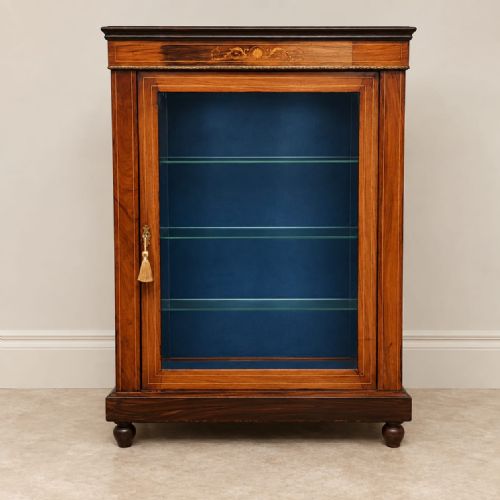
- A narrow display cabinet built to fit the wall space between windows. These pieces often feature glass doors and velvet-lined interior shelving.
- Credenza
- A low side cabinet utilised for storage and display during the Victorian era. Many examples incorporate central cupboards flanked by curved glass end compartments.
- Vitrine
- A glass-fronted cabinet designed for the exhibition of porcelain and ornaments. The interior typically holds adjustable wooden or glass shelves.
19th Century Marquetry Cabinet: Frequently Asked Questions
Where were these cabinets placed?
Owners positioned pier cabinets in narrow wall spaces between tall windows in formal drawing rooms. Larger credenzas and sideboards stood against primary dining room walls to display porcelain.
Smaller bedside tables and cabinets sat within private sleeping quarters to hold personal items. Writing desks found placement in libraries and private studies for correspondence.
How do I clean the wood surface?
Dust timber surfaces regularly with a dry, soft cloth to prevent particle accumulation. Avoid modern silicone sprays that build up residue over time.
Apply traditional beeswax sparingly to nourish walnut and mahogany veneers. Buff the surface gently with a clean brush to restore the natural sheen.
How are French and English styles different?
French cabinets frequently incorporate prominent ormolu mounts, kingwood veneers, and serpentine marble tops reflecting Louis XV and Louis XVI revivals. The marquetry often displays elaborate floral sprays across curved surfaces.
English pieces tend to favour burr walnut and mahogany with Sheraton or Victorian proportions. The lines remain straighter, focusing on symmetrical wood grain patterns rather than heavy gilt ornamentation.
Can I adjust the internal shelves?
Many nineteenth-century display cabinets feature fixed wooden supports or early rack-and-pinion adjustment systems for the interior shelving. Altering shelf heights requires careful inspection of the existing vertical wooden battens inside the carcase.
Original glass shelves demand cautious handling when repositioning to avoid chipping the polished edges against the cabinet walls.