

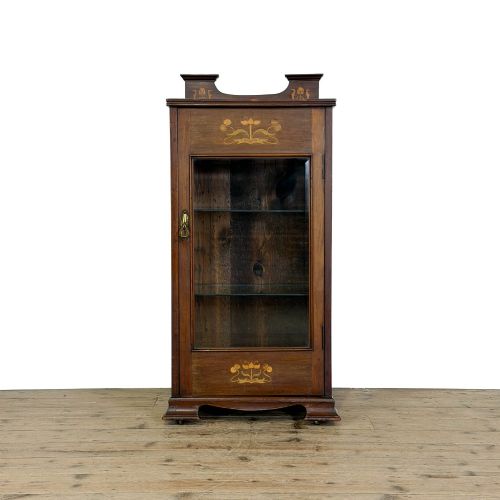
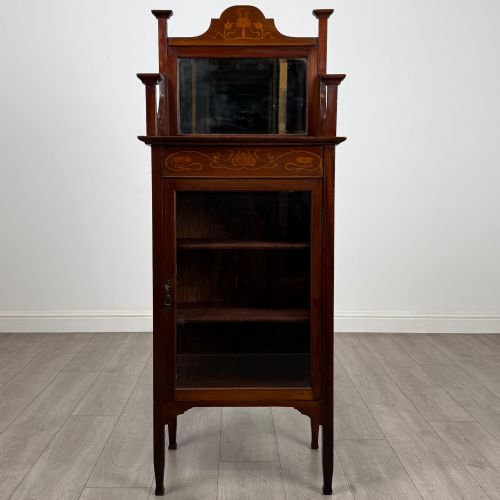
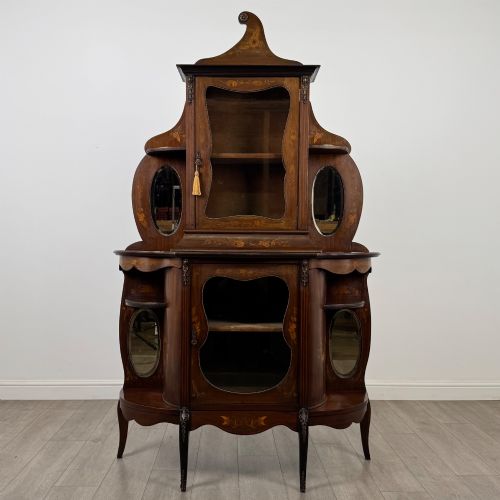
Art Nouveau Inlaid Cabinet
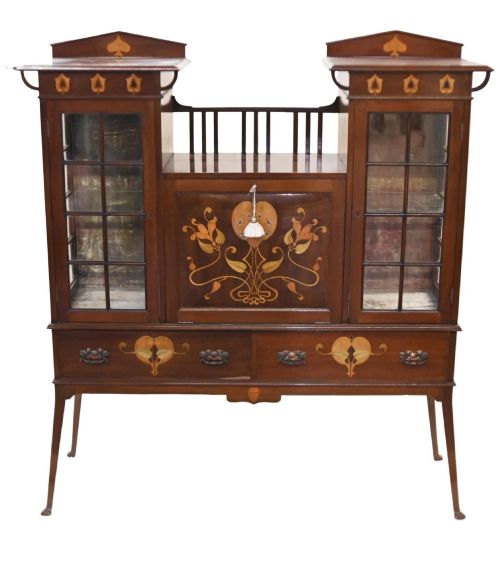
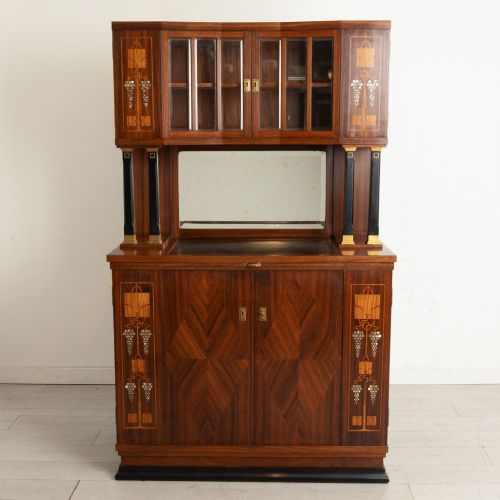
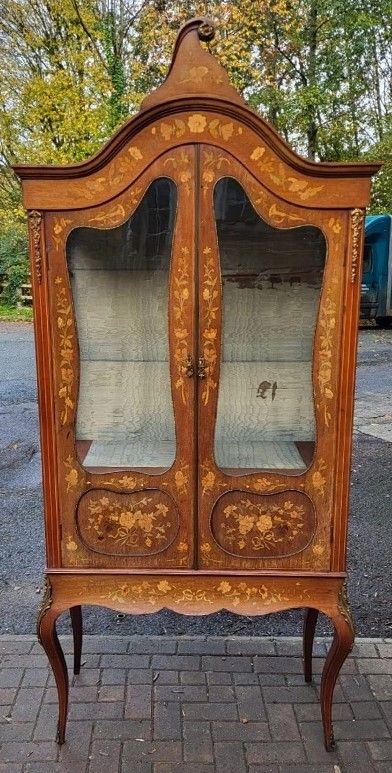
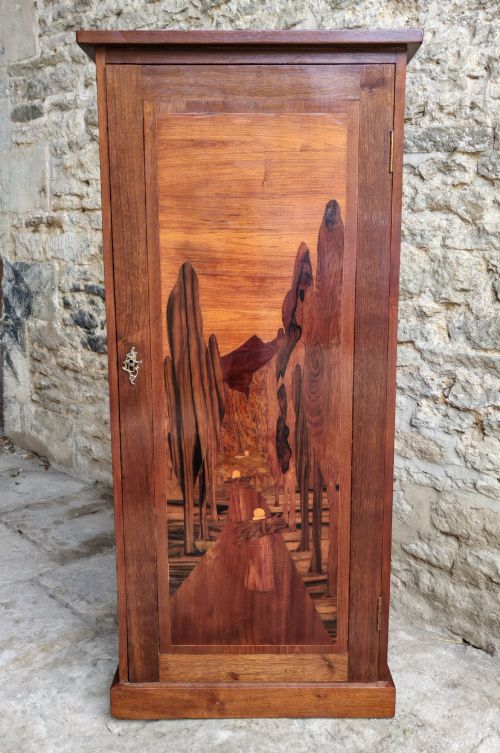
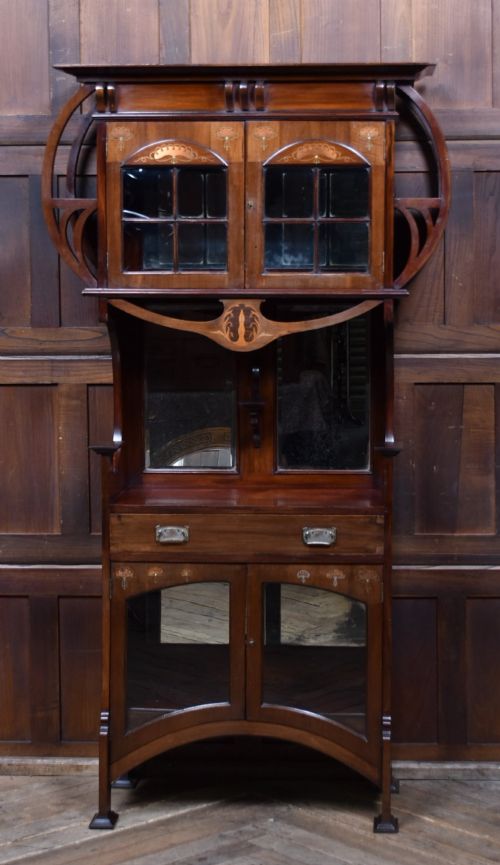
An art nouveau inlaid cabinet brings flowing floral motifs and contrasting timbers together in a domestic piece designed for display or storage.
Art Nouveau Inlaid Cabinet
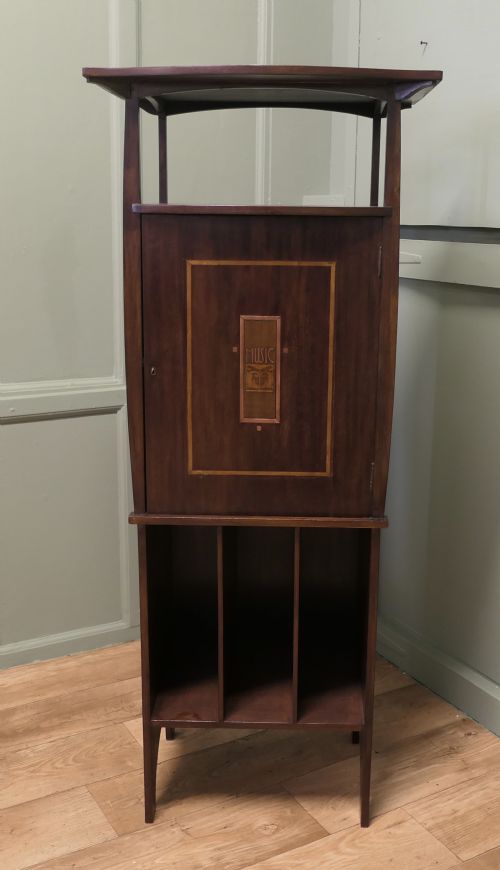
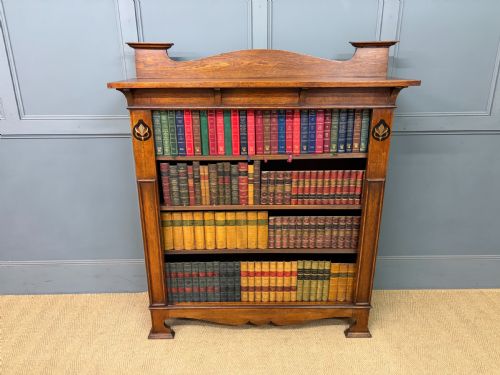
An art nouveau inlaid cabinet draws upon late nineteenth and early twentieth century design, spanning the Victorian and Edwardian eras through to the nineteen twenties. These pieces appear most frequently as display cabinets, bookcases, music cabinets, and sideboards built for domestic use.
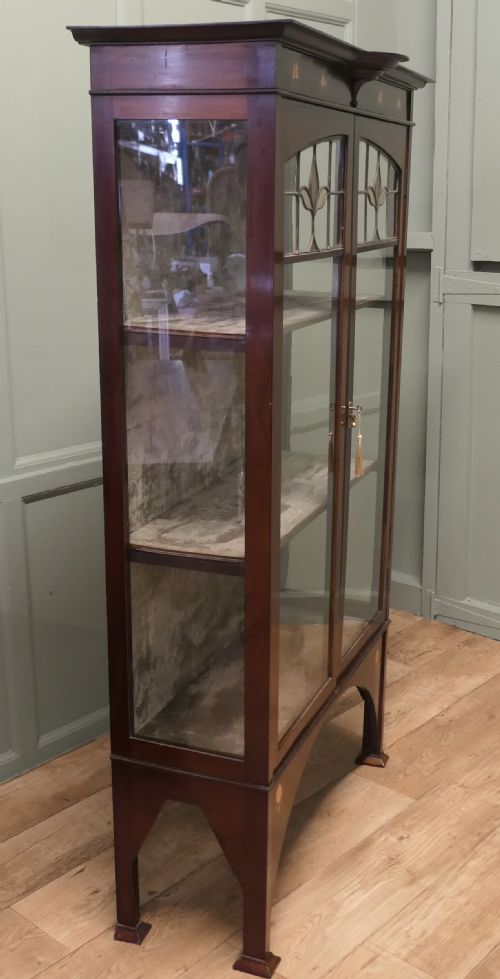
Makers working within the Art Nouveau and Arts and Crafts movements utilised distinctive decorative vocabularies, often combining organic floral marquetry with geometric structural framing. Continental workshops and British makers alike produced variations ranging from compact bedside cupboards to tall glazed china cabinets.
How they were made
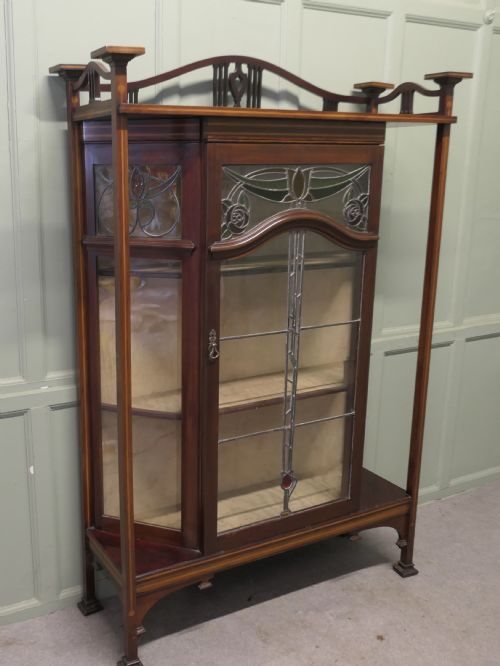
Makers constructed the primary carcase using mahogany, oak, walnut, or coromandel, applying satinwood and diverse contrasting timbers for the decorative wood inlay and marquetry. Brass hardware, leaded glass panels, and mirrored backs frequently accompany the timber construction to complete the aesthetic.
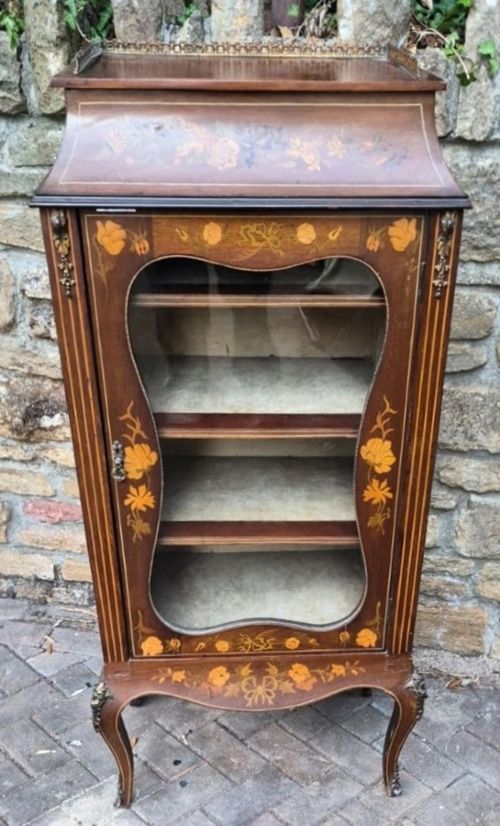
Surface ornamentation relies on precise cutting of plant forms and swirling linework set flush into the primary wood grain. Joinery techniques reflect standard cabinet-making practices of the period, paired with specialised hand-cut veneer work.
Art Nouveau Inlaid Cabinet Retail Price Guide 2026
Typical asking prices for art nouveau inlaid cabinet among the pieces listed under this phrase on Sellingantiques today, from the lower quarter to the upper quarter. They describe what is for sale here now, not the wider market.
Listings feature extensive use of mahogany carcases paired with intricate satinwood and floral marquetry.
What varies in quality
The standard of execution in the wood inlay and marquetry dictates much of the distinction between pieces, with sharper lines and more ambitious pictorial floral designs marking out superior examples. Integration of specialised materials like leaded glass, coromandel, and quality brass mounts further separates standard production items from workshop-attributed commissions.
Structural harmony and proportion separate workshop-designed pieces from standard commercial furniture of the era. The fluidity of the applied Art Nouveau motifs and the depth of the timber finishing govern the standing of individual cabinets.
GM Elwood for JS Henry·Shapland and Petter·August Ungethüm·D. Hill Carter and Co.
The Art Nouveau Inlaid Cabinet Glossary
- Marquetry
- The art of forming decorative patterns by fitting together small pieces of veneer into wooden panels. This technique allowed makers to render complex floral and organic motifs across drawer fronts and cabinet doors.
- Satinwood
- A pale, lustrous timber native to India and Ceylon, frequently utilised for contrasting inlay work and stringing. Its bright tone provided sharp visual separation against darker woods like mahogany.
- Secessionist
- A stylistic movement associated with Viennese design reform, emphasising geometric discipline alongside organic curves. Cabinets bearing this influence lean toward rectilinear frames offset by stylized, restrained ornamentation.
- Coromandel
- A dense, heavily figured timber with dark brown and black streaking, occasionally employed for luxury cabinet construction. Its distinct grain gave high-end pieces a striking visual weight.
Art Nouveau Inlaid Cabinet: Frequently Asked Questions
Where were these cabinets placed?
These pieces were typically positioned in principal reception rooms, parlours, or dining spaces where household china and decorative objects could be showcased behind glass.
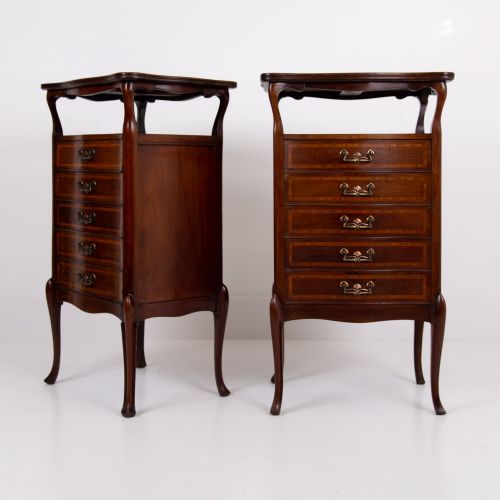
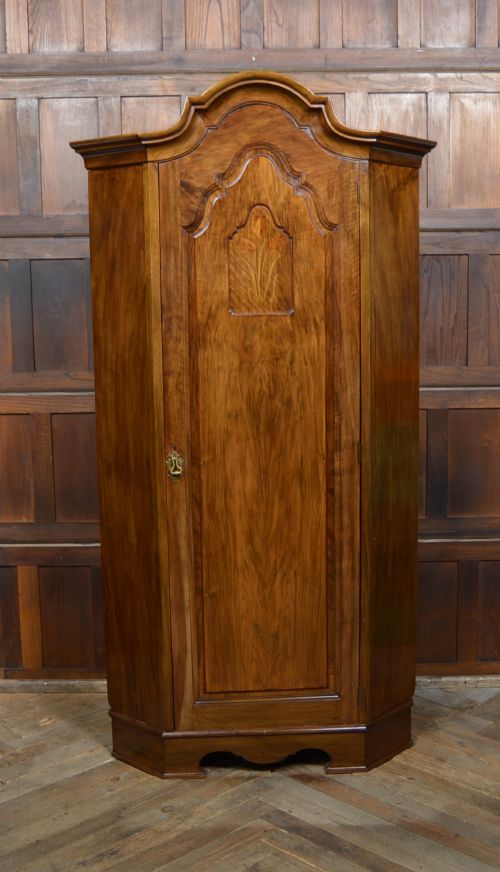
Smaller variants such as music cabinets, bedside cupboards, and corner units served specific functional roles within bedrooms and drawing rooms.
How do I date an art nouveau inlaid cabinet?
Dating relies on observing the transition from nineteenth-century Victorian proportions and dark timbers through to lighter Edwardian satinwood highlights and nineteen-tens Secessionist geometries.
Makers' marks, construction methods, and the specific stylisation of the floral inlay also help narrow down the decade of manufacture.
What is the difference between Arts and Crafts and Art Nouveau?
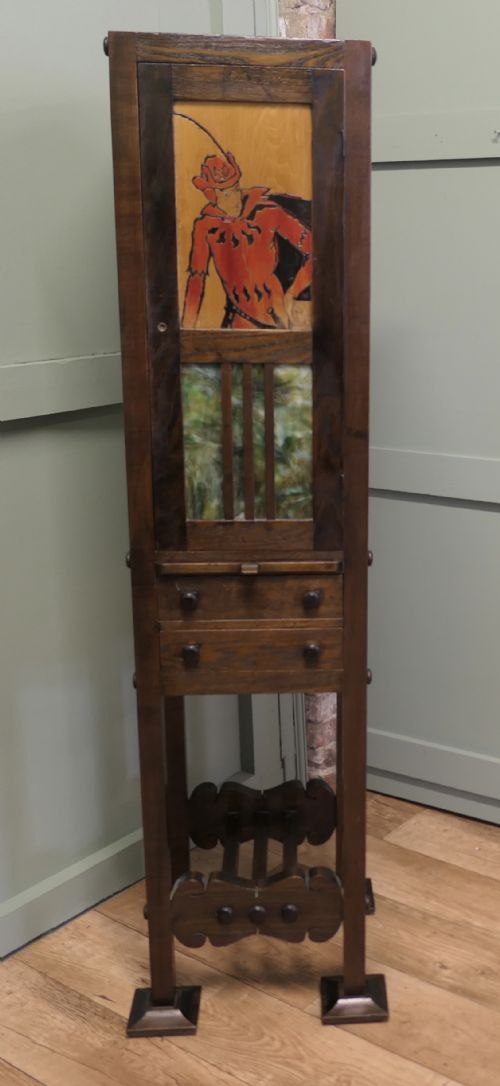
Arts and Crafts design prioritises visible construction, honest materials like oak, and structural integrity inspired by medieval guilds. Art Nouveau introduces flowing, asymmetric floral lines and decorative marquetry intended to evoke natural organic growth.
Many cabinet makers of the era blended both approaches within a single piece.
How do I care for inlaid wood?
Inlaid surfaces require stable indoor humidity away from direct sunlight to prevent the delicate veneer timbers from drying out and lifting. Regular dusting with a soft, dry cloth preserves the polished finish without harming the contrasting wood grain.
Avoid placing damp items directly onto satinwood or mahogany surfaces.