

1930s Leather Armchair
A 1930s leather armchair brings substantial comfort and striking period design into a room, offering both deep seating and distinct character.
What 1930s leather armchairs are
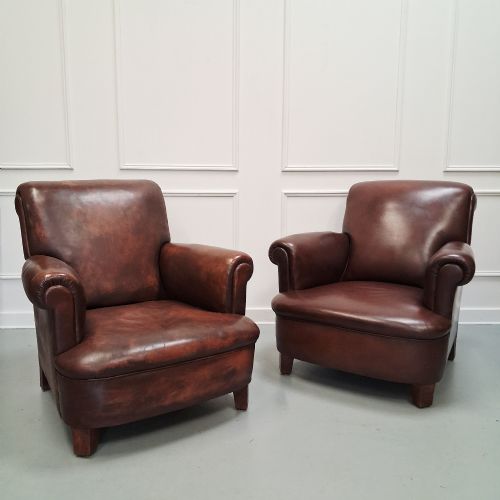
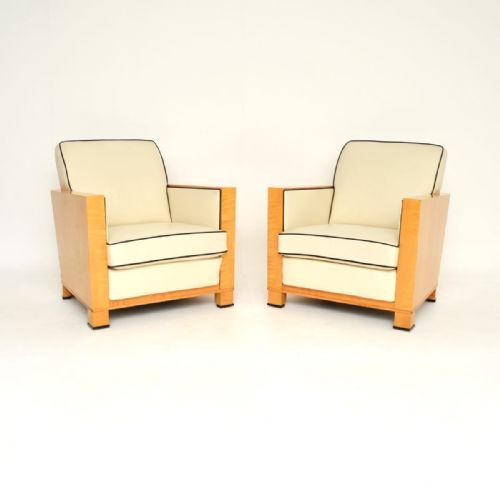
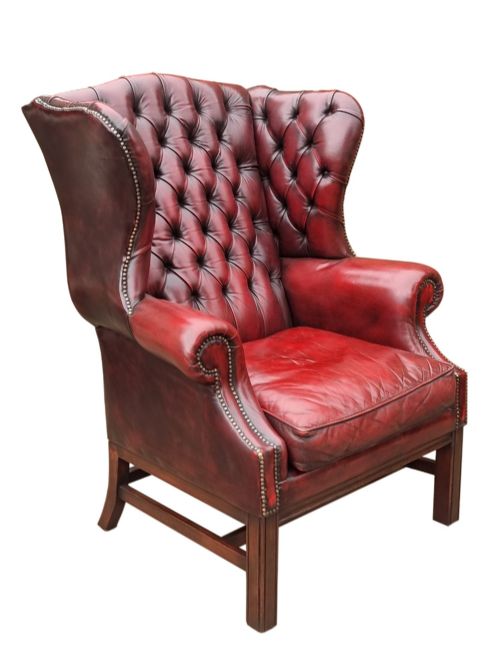
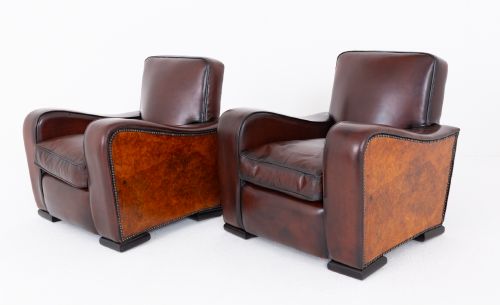
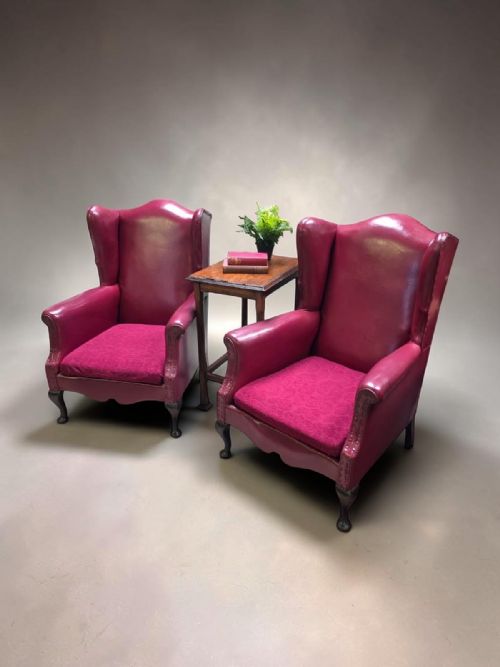
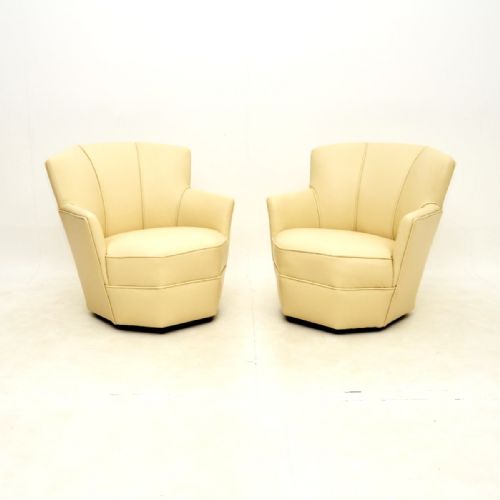
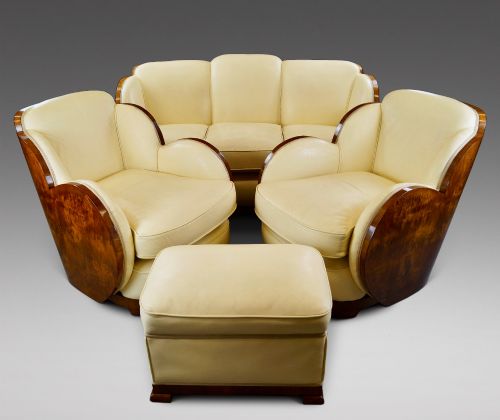
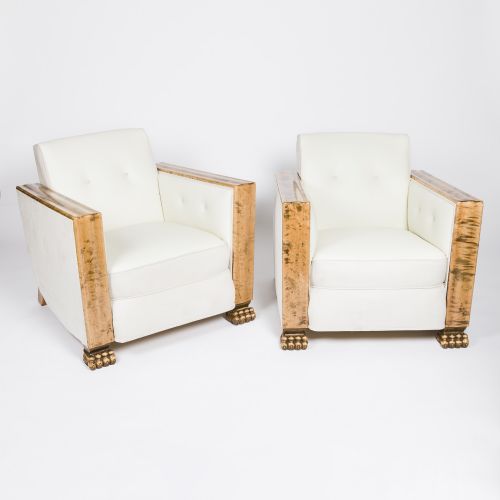
A 1930s leather armchair encompasses robust club chairs, low lounge seating, and wingback designs originating from the interwar period. These pieces emerge predominantly in distinct Art Deco styles alongside occasional revivals like the George III style.
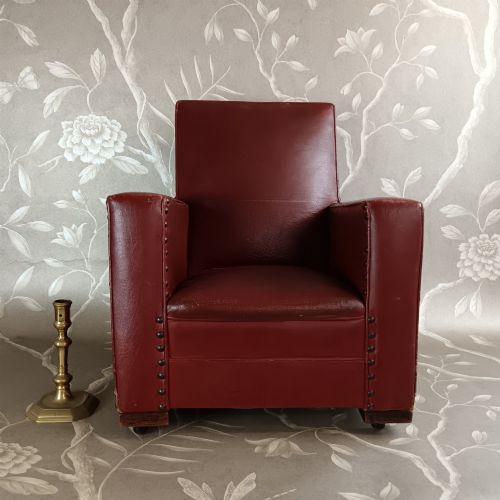
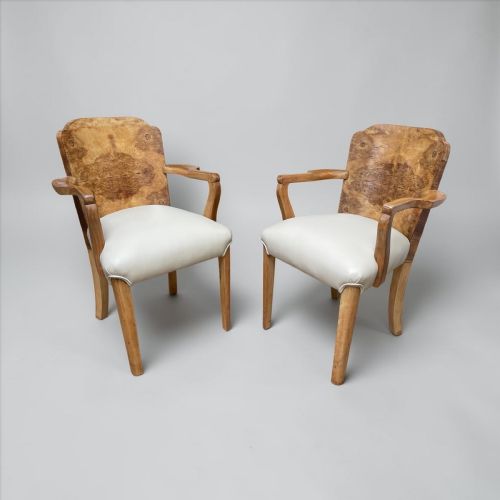
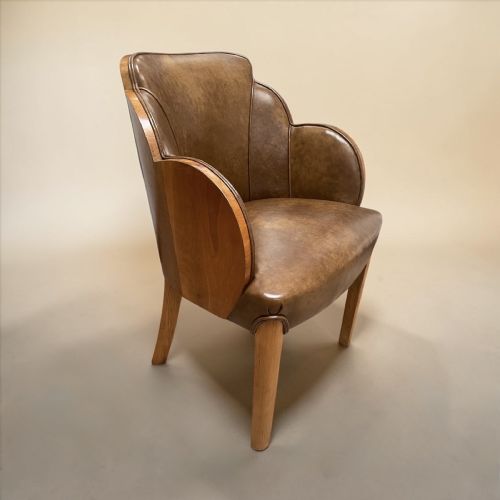
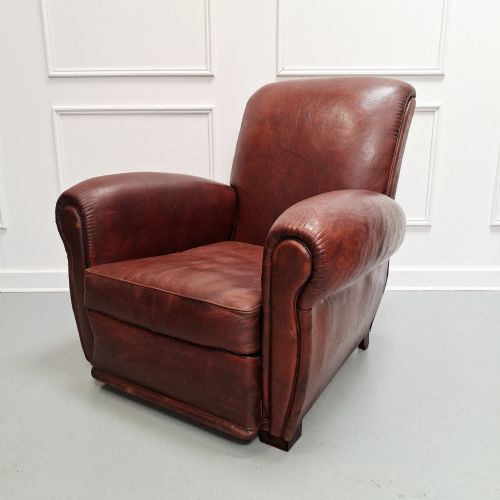
Buyers encountering this selection regularly find caramel tan club chairs, streamlined bridge chairs, and cloud occasional chairs. The forms prioritise deep cushioning, low profiles, and commanding silhouettes that anchor a room.
Originating largely from English and French workshops, these armchairs bridge traditional joinery with the bolder, sweeping curves of the early twentieth century. Their presence ranges from compact bridge seating to large wing armchairs suited for fireside placement.
How they were made
Construction relies upon internal timber frames built from oak, mahogany, and walnut, providing a rigid skeleton for the upholstery. Brass hardware frequently secures structural elements and provides decorative detailing along the bases or armrests.
Upholstery combines durable hides with supportive stuffing, finished with textile components where internal lining or webbing requires it. Metal reinforcement often supports the lower frames of bridge and low armchairs.
Retail Price Guide 2026
Typical UK retail prices for 1930s leather armchair, calculated from the Sellingantiques database of over a million retail prices indexed since 2003. This retail price guide relies exclusively on Sellingantiques data; no external sources or auction records are used, so the figures do not describe the wider market.
Listings span the 1920 and 1930 periods, incorporating oak, mahogany, walnut, brass, and metal elements.
What varies in quality
Quality differentiates through the integrity of the timber frame and the suppleness of the surviving leather. Pieces featuring dense hardwoods like oak or walnut hold their structural form significantly better over decades of use.
Artistic execution also separates standard production from exceptional pieces, particularly in the fluid shaping of Art Deco frames. The harmony between the metal accents, wood polish, and hide condition dictates the standing of each armchair.
Harry and Lou Epstein
The 1930s Leather Armchair Glossary
- Art Deco
- A design style characterised by sleek geometric lines, stylised motifs, and modern materials that dominated the interwar decades. It heavily influences the curved profiles of many club and lounge chairs from this era.
- Club armchair
- A deep, heavily upholstered seating form designed for relaxation, typically wrapped in thick hide. This style provides the quintessential silhouette associated with interwar lounge seating.
- Bridge chair
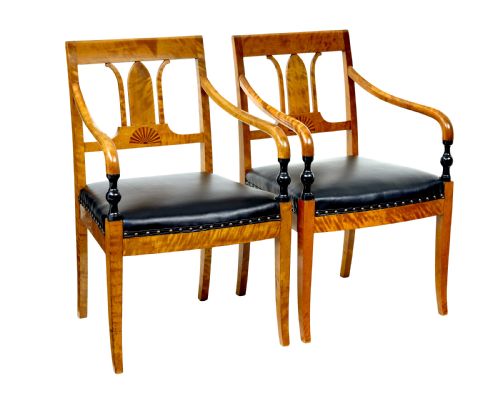
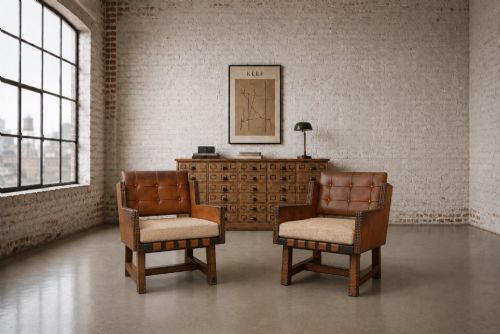
- A compact, lightweight armchair originally utilised for card games or casual parlour seating. These pieces feature open wooden frames and lower backs compared to traditional club chairs.
- Wing armchair
- A high-backed seat featuring protective side panels designed to shield the sitter from draughts. Versions from the interwar period often reinterpreted earlier historical styles with substantial leather upholstery.
- Hide
- The natural animal skin used for upholstery, varying in thickness, grain, and finish. On these armchairs, patinated leather develops a distinct character through age and usage.
Frequently Asked Questions
Are 1930s leather armchairs comfortable?
These armchairs are specifically built for deep, relaxed seating with substantial padding and supportive frames. Their ergonomic proportions make them well-suited for daily lounging.
Interwar designs prioritized human comfort alongside visual presence, resulting in seats that accommodate long periods of sitting.
How do I identify an Art Deco armchair?
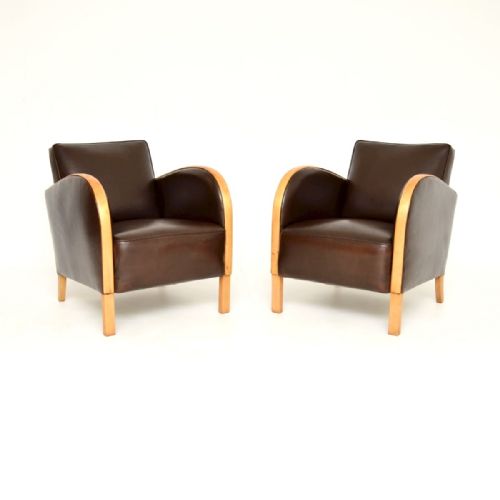
Art Deco armchairs display streamlined curves, bold geometric shapes, and a noticeable absence of fussy ornamentation. They embrace a modern aesthetic that breaks away from traditional Victorian or Edwardian heaviness.
Many examples incorporate low profiles and rounded armrests that define the distinct look of the period.
What materials are used in these chairs?
The primary materials consist of durable leather upholstery stretched over robust wooden frames made from oak, mahogany, and walnut. Brass accents and internal metal components frequently provide additional structural support and detail.
Textiles are also utilised for internal linings and webbing beneath the leather exterior.
How do I fit a vintage armchair into my room?
A large wing armchair works best as a focal point in a spacious living room or study, while compact bridge chairs fit easily into smaller corners or bedrooms. Their neutral tan and brown leather tones complement both modern and traditional interiors.
Pairing a low lounge chair with a simple reading lamp creates a practical and stylish seating area.