



Oak Low Accent Chair
These oak low accent chair examples offer compact seating through traditional joinery and period charm.
Oak Low Accent Chair
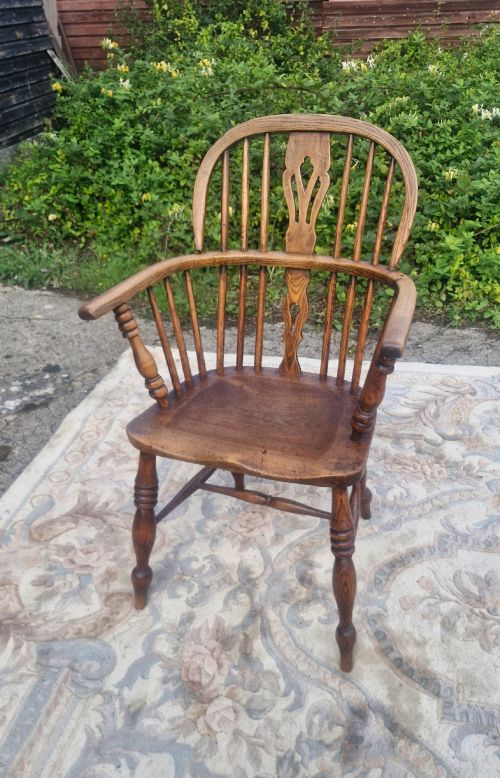
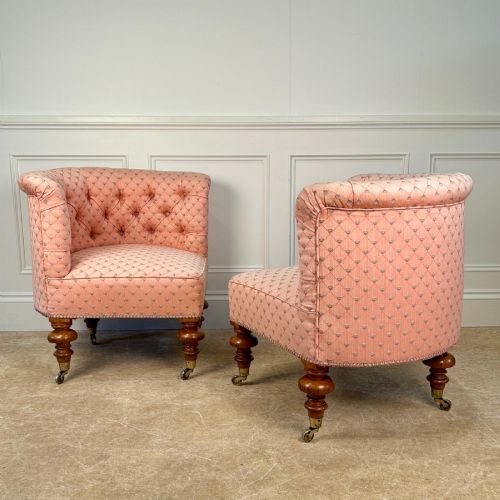
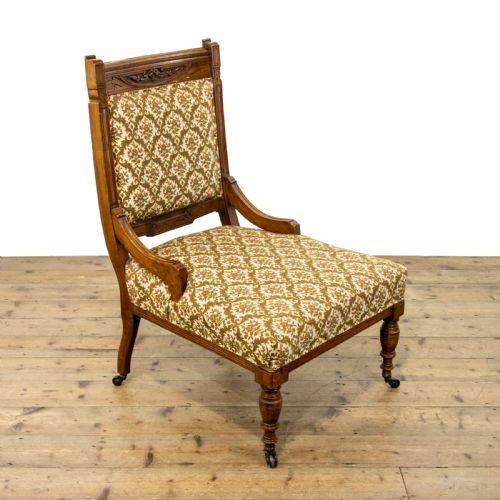
An oak low accent chair brings low-slung seating to a room, spanning nineteenth-century and early twentieth-century periods. These items encompass forms such as slipper chairs, gossip chairs, Windsor armchairs, and corner chairs.
The selections on this page draw from Victorian, Edwardian, and Arts and Crafts traditions. English country styles and aesthetic movement designs also appear across the listings.
Makers and workshops of the era produced these low chairs using solid timbers with rush, fabric, or upholstered seats. Buyers encounter compact proportions suited for bedrooms, bathrooms, and low-ceilinged rooms.
How they were made
Carpenters utilised solid oak alongside ash, elm, and beech for the frames. Turned woodwork, bobbin framing, and traditional joinery give these low chairs structural integrity.
Seating areas incorporate woven rush or textile upholstery backed by brass fixings and traditional padding. Materials combine to create sturdy, low profiles designed for daily utility.
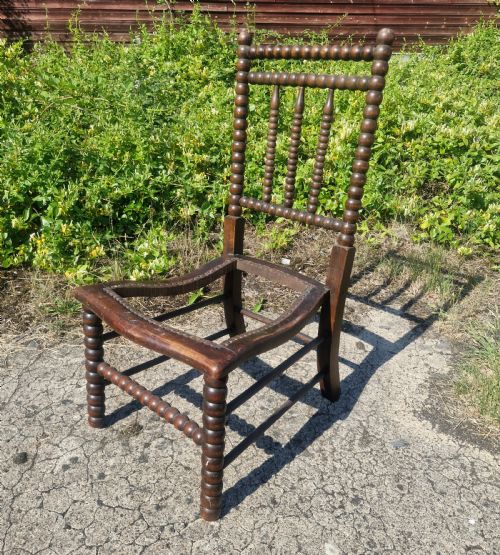
The inventory includes specialised forms such as gossip chairs, slipper chairs, and bobbin-framed bedroom seating.
What varies in quality
The refinement of the turned woodwork and the crispness of the framing separate standard examples from finer pieces. Superior items display careful timber selection and balanced proportions in the low backs and arms.
The integrity of the original rush seating or the quality of the fabric upholstery influences the overall character. Details in the wood turning and joint construction distinguish workshop pieces from mass production.
Liberty Morris And Co·Wheelers Of Arncroach
The Oak Low Accent Chair Glossary
- Windsor armchair
- A wooden chair featuring a saddle-shaped seat into which the back and legs are directly wedged. These sturdy forms often utilise turned spindles.
- Bobbin framing
- Furniture construction featuring turned wood shaped like a series of bobbins or spools. This decorative technique appears frequently on nineteenth-century seating.
- Rush seating
- Woven seat construction using dried marsh rushes twisted into cords. Traditional chairs utilise this technique for flexible and durable support.
- Slipper chair
- A low-seated upholstered chair originally designed for ladies' bedrooms to assist with footwear. The shortened legs place the sitter closer to the floor.
- Gossip chair
- An intimate seating form featuring an attached small table or a configuration designed for conversation. These compact items date primarily to the early twentieth century.
Oak Low Accent Chair: Frequently Asked Questions
What rooms suit an oak low accent chair?
These compact seats fit well in bedrooms, dressing rooms, and smaller reception spaces. Their reduced height makes them practical additions beside low tables or firesides.
The varied forms, from corner chairs to gossip seats, allow them to function as standalone decorative pieces or secondary seating.
How do I identify a Victorian low chair?
Victorian examples often feature turned components, dark oak or ash timbers, and lower seating planes. Stylistic cues draw from aesthetic movement or early Windsor traditions.
Construction methods typically rely on pegged joints and solid wood turnings characteristic of nineteenth-century workshops.
What is a gossip chair?
A gossip chair is an early twentieth-century form designed with a compact frame, often incorporating an angled seat or attached table surface. They were intended for telephone conversations or brief seated chats.
These pieces usually stand on low wooden legs with upholstered or solid wooden seats.
Are these chairs comfortable for daily use?
The low seating position and supportive wooden backs provide distinct ergonomic qualities compared to modern armchairs. Many feature upholstered padding or woven rush for added comfort.
Their scale is designed for relaxed, informal sitting rather than upright dining posture.
How do Arts and Crafts chairs differ?
Arts and Crafts examples emphasise visible construction, honest materials, and simple functional design. They showcase the natural grain of oak and often feature rush seating.
Makers avoided excessive ornamentation in favour of solid joinery and straightforward utility.