




Solid Wood Captains Chair
A solid wood captains chair gives you a sturdy seat with deep country roots, built for long hours at a desk or table.
Solid Wood Captains Chair
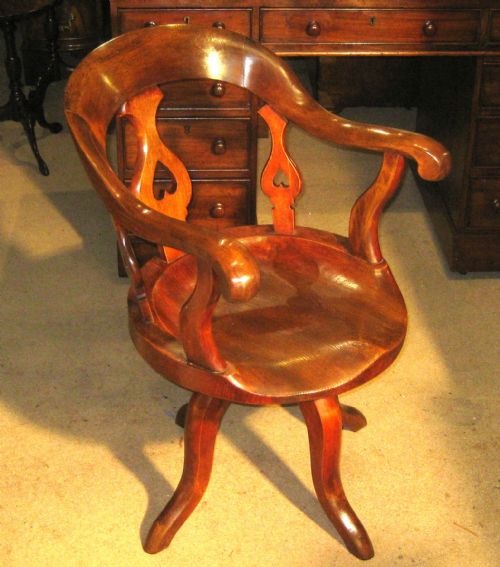
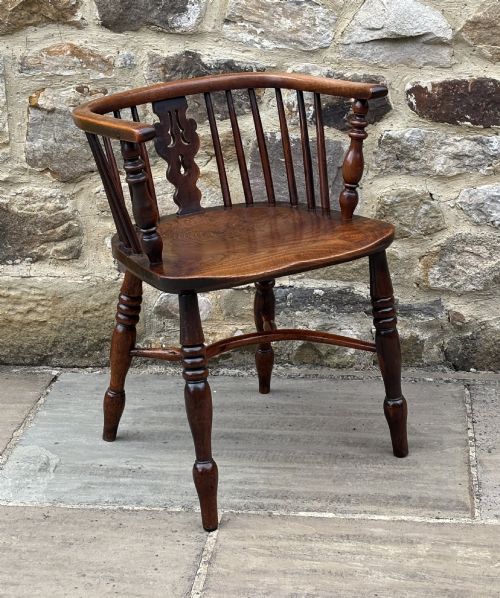
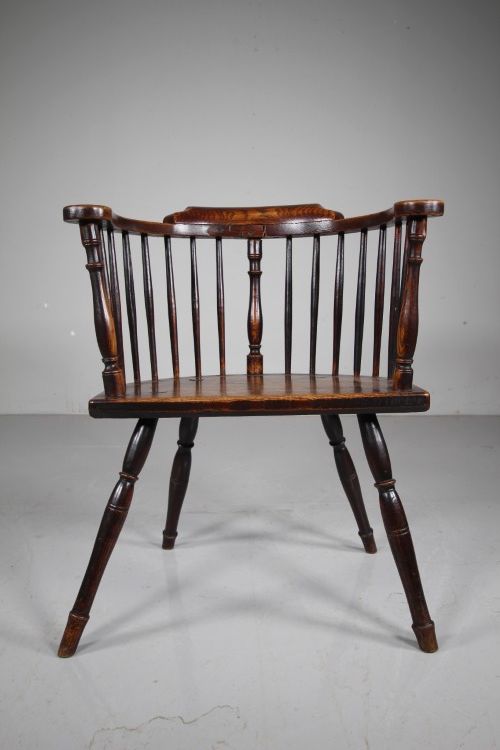
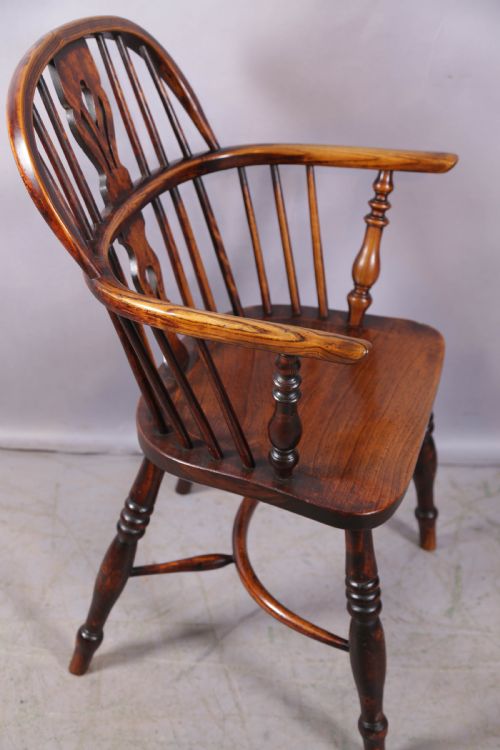
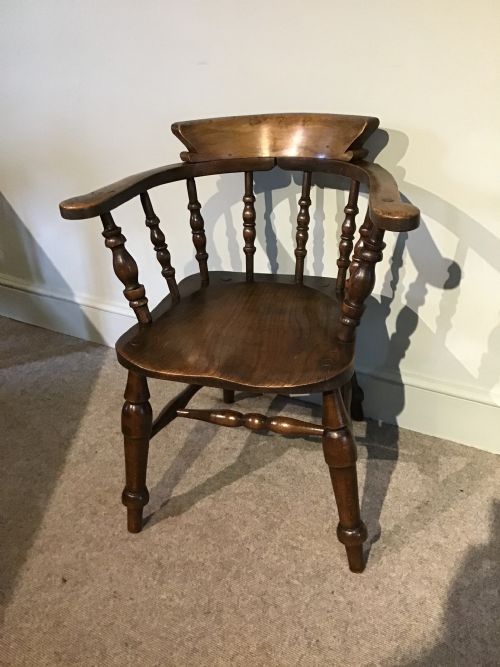
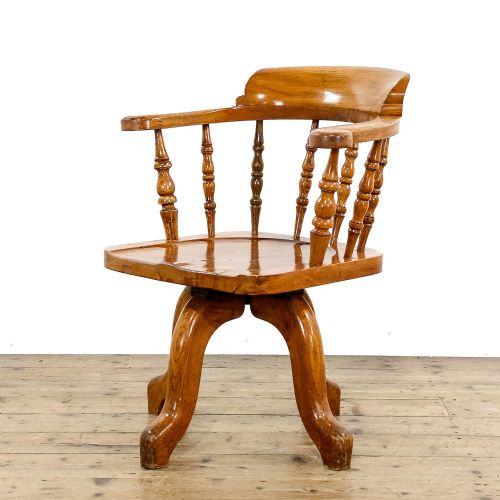
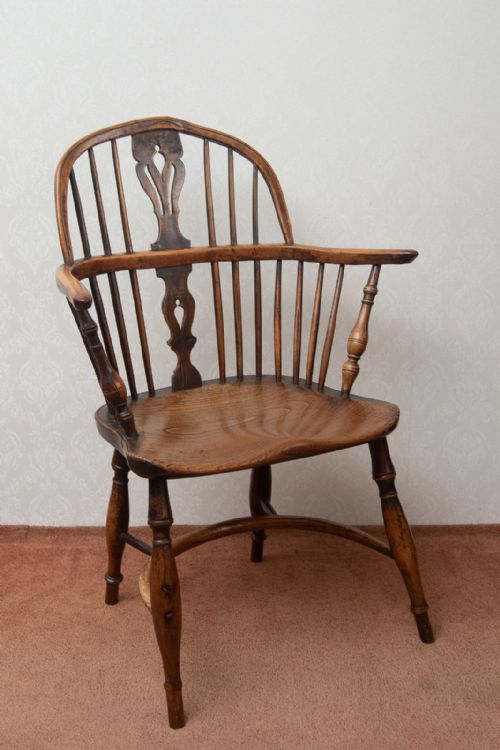
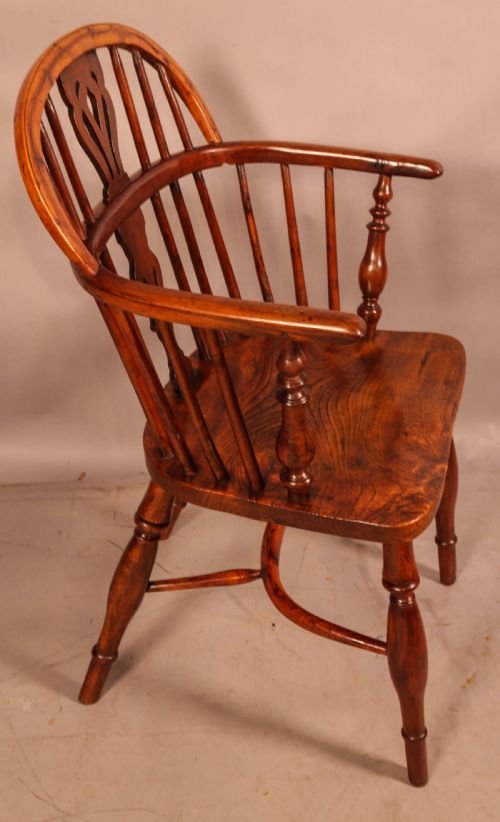
When you search for a solid wood captains chair, you find sturdy seating that bridges the gap between country farmhouse traditions and formal office or desk use. The pieces gathered here span from the eighteenth century through to the early twentieth century, taking forms such as smokers bows, desk chairs, and low-back Windsors.
The styles lean heavily toward English country, provincial, and rustic traditions alongside Victorian interpretations. They serve equally well as robust desk chairs or characterful additions to a dining table.
How they were made
The makers relied on locally available timber, frequently combining multiple woods within a single frame to utilise the best properties of each. Elm frequently provides a tough, splitting-resistant seat, while ash, beech, and alder supply the resilient spindles and bentwood parts.
Construction methods draw on traditional Windsor and country chair techniques, using turned legs and spindles pegged directly into solid wooden seats. Some later nineteenth-century examples incorporate mechanical swivel mechanisms housed beneath solid mahogany or revolving desk seats.
Listings feature eighteenth-century to early twentieth-century examples in elm, ash, beech, oak, alder, solid mahogany, and yew.
What varies in quality
Quality rests primarily in the harmony of the timber selection and the integrity of the original construction. Chairs that combine contrasting woods like yew, ash, and elm with well-turned spindles display a higher level of traditional craftsmanship.
The retention of original surfaces, patination, and maker stamps elevates certain pieces above standard utility seating. Alterations to swivel mechanisms or replaced underframes lower the overall integrity of the piece.
Fred Walker
The Solid Wood Captains Chair Glossary
- Smokers bow
- A low-backed wooden armchair with a turned spindle gallery, closely related to the captain's chair tradition. These pieces often appeared in public houses and commercial offices during the nineteenth century.
- Windsor chair
- A chair built with a solid wooden seat into which the legs and back spindles are directly inserted. Regional variations often combine timbers such as elm, ash, and beech.
- Comb back
- A Windsor chair variation where the top rail resembles the teeth of a comb, featuring vertical spindles rising through a crest rail. This form offers strong structural support to the back.
- Yew wood
- A dense, highly figured timber prized for its rich colour and grain pattern. It appears on finer country chairs and low-back Windsors.
Solid Wood Captains Chair: Frequently Asked Questions
What is a captain's chair?
A captain's chair is a sturdy wooden armchair with a rounded backrest supported by turned spindles, designed for comfort and durability.
They traditionally served as seating in offices, libraries, and country homes, offering a supportive wrap-around rail.
How do I date an old wooden chair?
Dating relies on observing the timber types, tool marks, construction methods, and overall wear patterns. Eighteenth-century examples often show hand-carved details and native timbers, while later Victorian versions may include factory turnings.
Looking beneath the seat reveals the age of the wedged joints and the method used to secure the legs.
Are these chairs comfortable for daily use?
Most solid wood country chairs feature saddled seats carved to fit the body, providing surprising ergonomic support. Their sturdy frame construction makes them well-suited for regular use at a desk or dining table.
Adding a loose pad provides extra cushioning without altering the historic wood.
Why are different woods used in one chair?
Country chair makers utilised specific timbers for the parts where their natural properties performed best. Elm provided a tough, non-splitting seat, while ash and beech offered flexible strength for steam-bent back rails and spindles.