

Vintage Captains Desk Chair
A vintage captains desk chair brings solid timber and swivel comfort to any study, combining functional support with traditional character.
What these chairs are
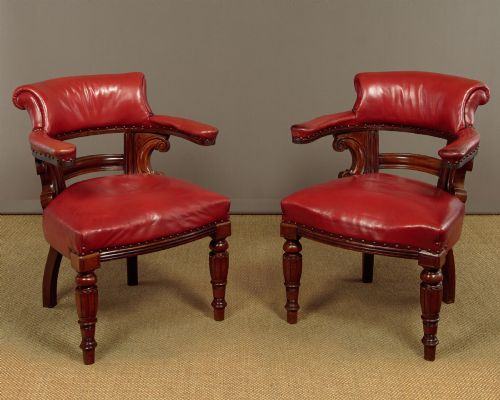
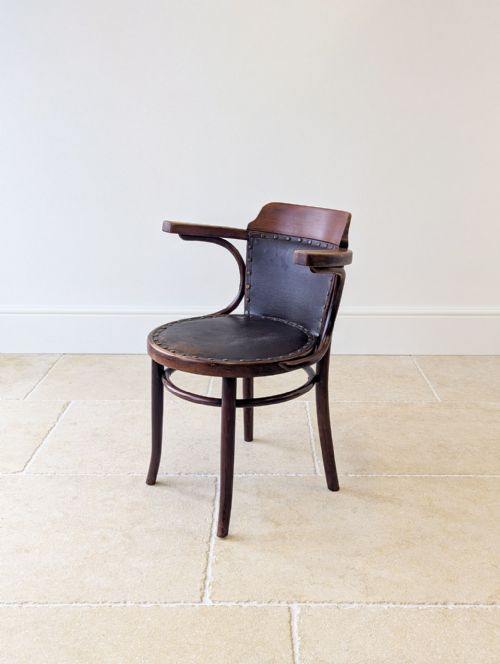
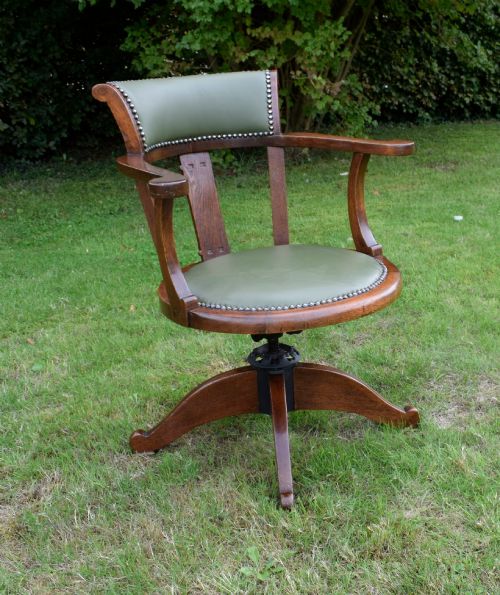
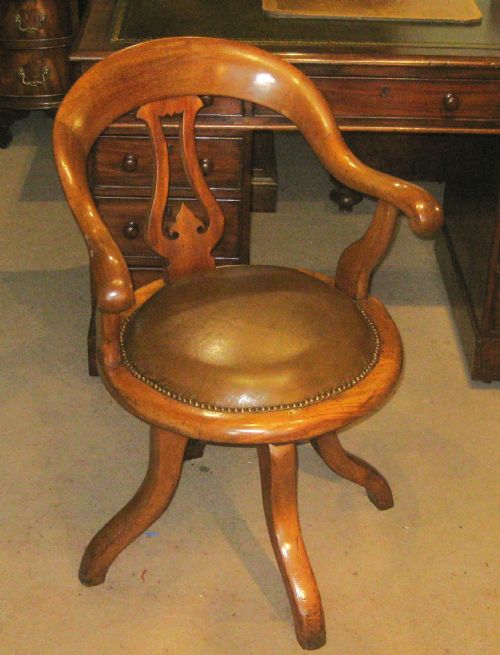
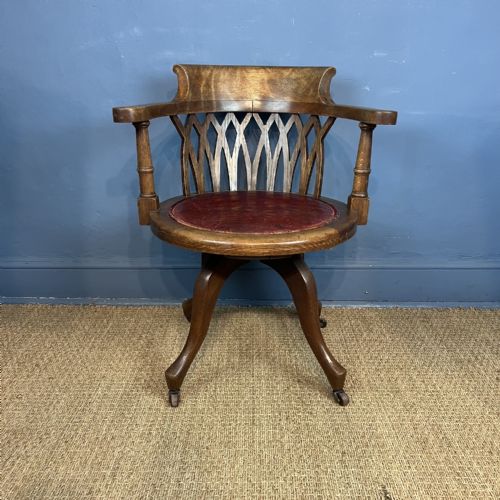
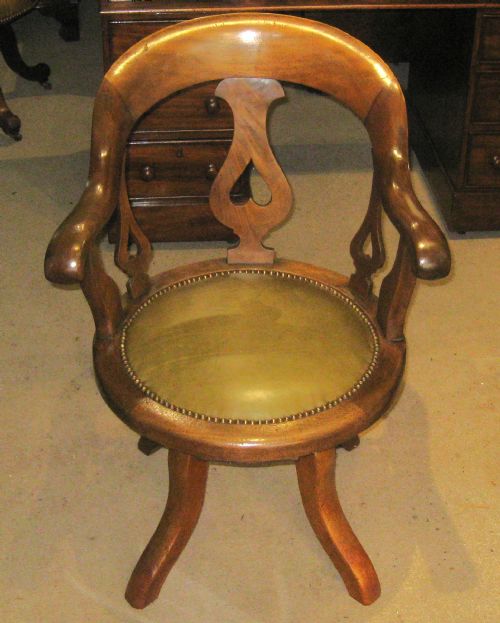
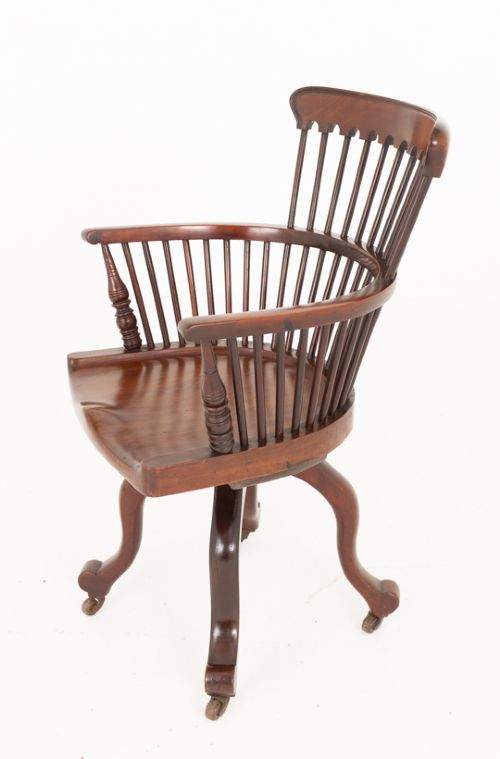
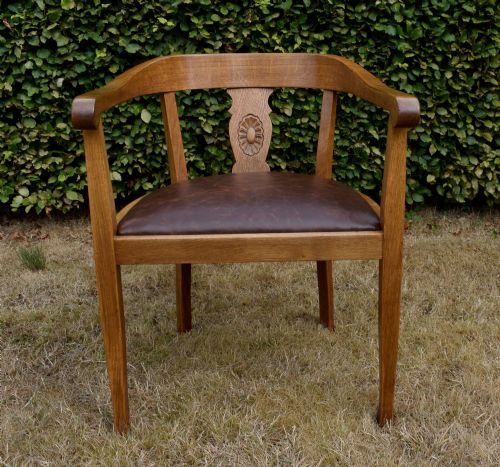
A vintage captains desk chair sits firmly in the study or office, offering sturdy seating for daily work. The pieces gathered here span from the nineteenth century through the Edwardian era, taking the form of robust armchairs and swivel seats.
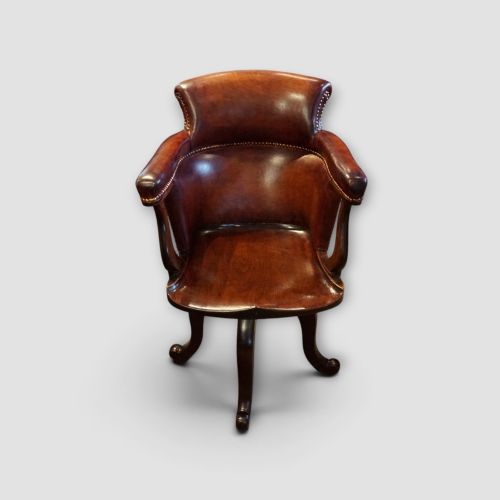
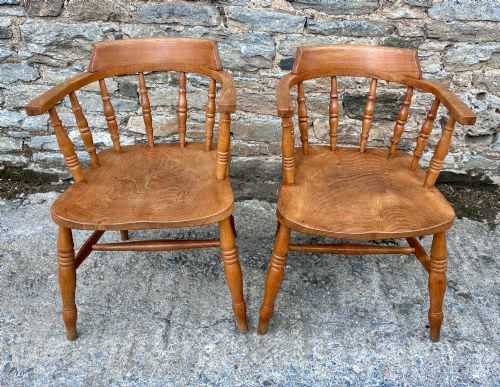
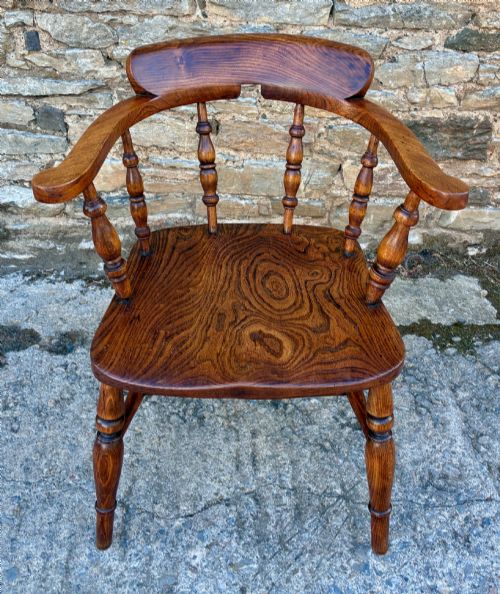
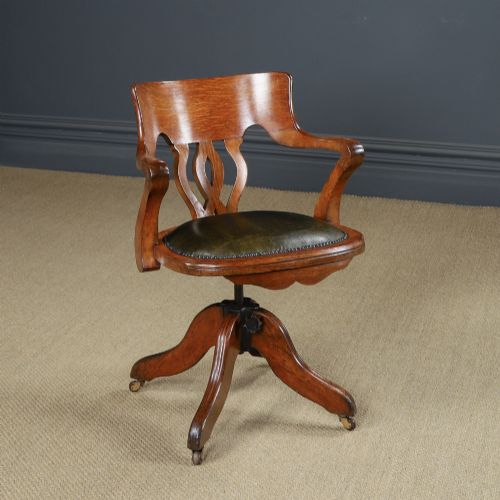
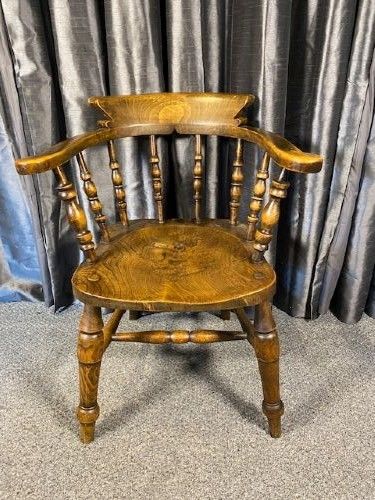
The selection includes elm nineteenth-century armchairs alongside revolving desk chairs in oak, mahogany, and walnut. Buyers frequently encounter adjustable height models equipped with timber frames and leather upholstery.
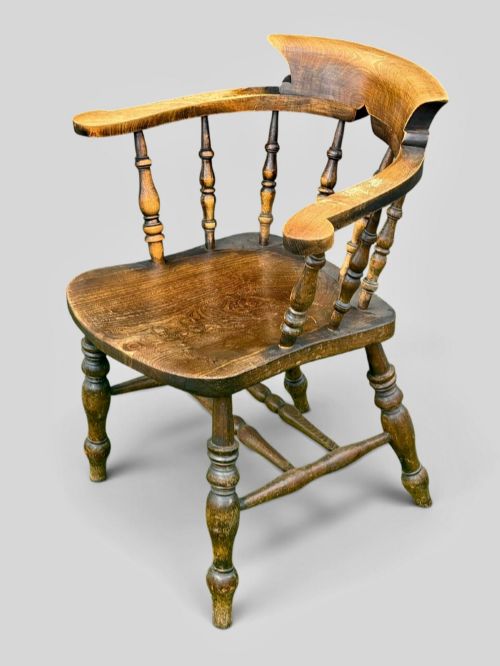
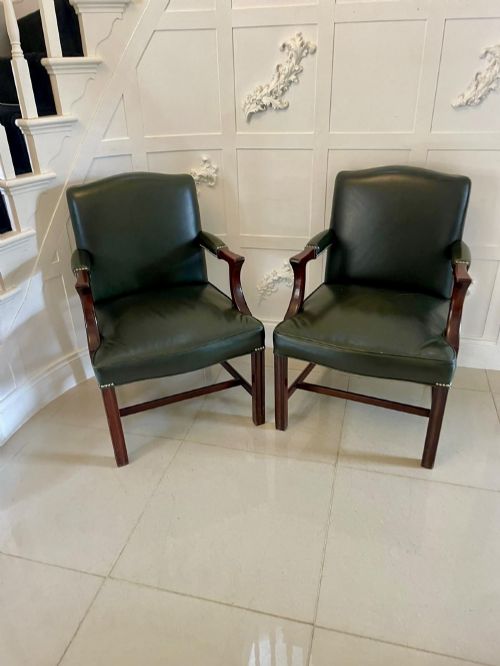
Examples range from smokers bows to formal revolving armchairs with late Victorian characteristics and Georgian style influences. Each piece reflects the functional seating needs of past offices and domestic studies.
How they were made
Cabinet makers utilised a range of hardwoods including mahogany, oak, elm, walnut, beech, ash, and iron to construct these sturdy frames. Timber components were turned, carved, and joined to withstand heavy daily use in offices and studies.
Swivel mechanisms incorporated brass and iron hardware to allow smooth rotation and height adjustment. Upholstered variants integrated fitted leather pads fastened securely to wooden seats and backs.
Retail Price Guide 2026
Typical UK retail prices for vintage captains desk chair, calculated from the Sellingantiques database of over a million retail prices indexed since 2003. This retail price guide relies exclusively on Sellingantiques data; no external sources or auction records are used, so the figures do not describe the wider market.
Some nineteenth-century elm armchairs bear the unmistakable ink stains of past clerks who leaned a little too far while balancing their ledgers.
What varies in quality
The distinction between standard and superior pieces rests on the choice of timber and the complexity of the turning work. Finer examples display rich figuring in mahogany, walnut, or oak, paired with substantial brass and iron swivel mechanisms.
Construction methods also separate the output of ordinary workshops from skilled joinery, visible in the snugness of the joints and the integrity of the wooden frames over decades of rotation and weight.
The Vintage Captains Desk Chair Glossary
- Smokers bow
- A sturdy nineteenth-century armchair featuring a low curved backrest and a solid wooden seat. These chairs are closely related to captains chairs and Windsor designs.
- Swivel mechanism
- The under-seat iron and brass apparatus that allows a chair to rotate fully and often adjust in height. This hardware defines the working office seat.
- Mahogany
- A dense reddish-brown hardwood favoured by makers for its strength and fine finish. It appears frequently in nineteenth-century and Edwardian desk seating.
- Elm
- A tough timber known for its interlocking grain, frequently utilised for country-made armchairs and solid seats. It resists splitting under heavy use.
- Edwardian
- A stylistic period spanning the early twentieth century up to the First World War. Furniture from this era often lighter in proportion while retaining traditional forms.
Frequently Asked Questions
What is a captains desk chair?
A captains desk chair is a sturdy armchair designed for office or study work, often featuring a low curved backrest supported by turned spindles. Many examples incorporate a swivel base and adjustable height mechanism.
These seats evolved from nineteenth-century seating to provide comfortable support for prolonged writing or administrative tasks. They remain practical additions to contemporary home offices.
Are these chairs comfortable for daily use?
Most models provide solid back support and generous seating areas suited for regular work at a desk. Swivel actions and adjustable height options enhance their ergonomic utility.
Original leather pads and solid timber contours offer a firm seating experience. They bridge the gap between antique character and everyday workspace functionality.
What woods were used?
Makers constructed these chairs from a variety of hardwoods including mahogany, oak, elm, walnut, beech, and ash. The choice of timber depended on regional availability and the desired finish.
Durability was paramount, leading to the selection of strong domestic and imported timbers. Elm and oak appear frequently in country pieces, while mahogany and walnut feature in formal office seating.