

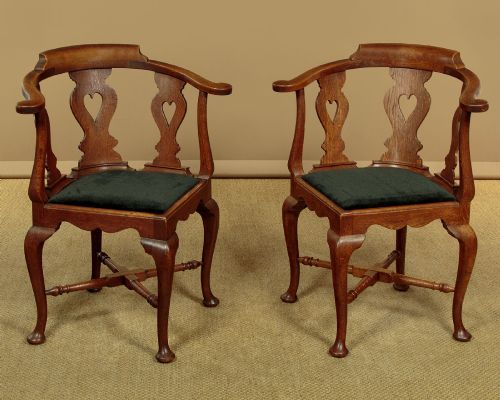
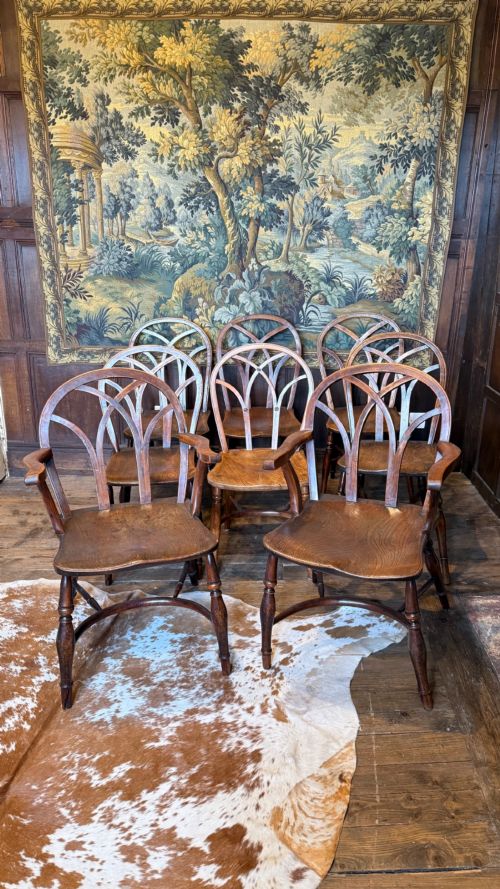
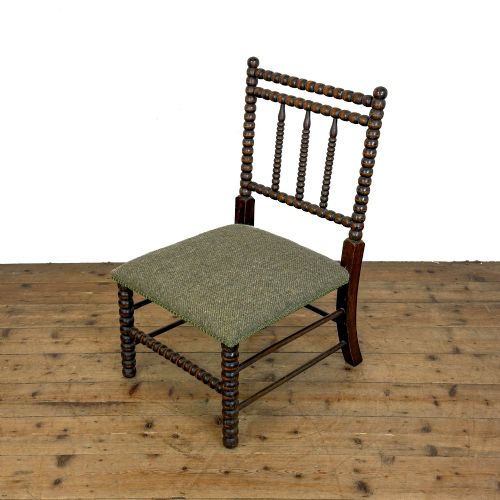
Dark Oak Desk Chair
A dark oak desk chair brings genuine character to a study, offering solid construction and rich grain that modern seating simply lacks.
What a dark oak desk chair is
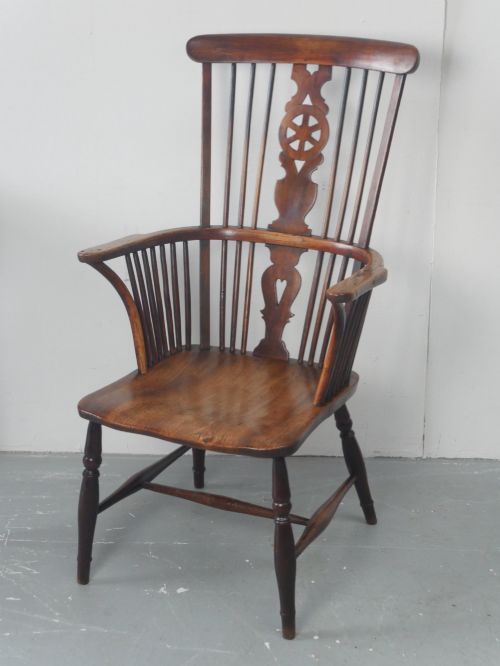
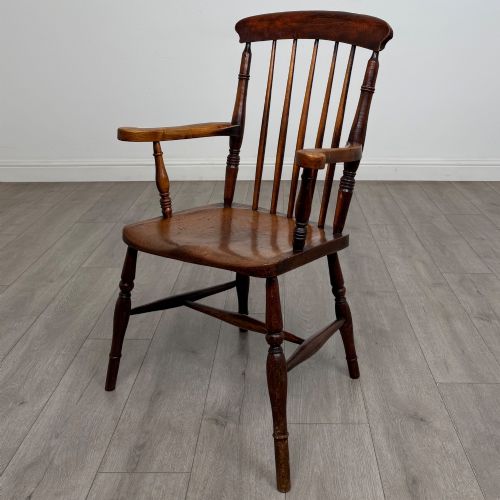
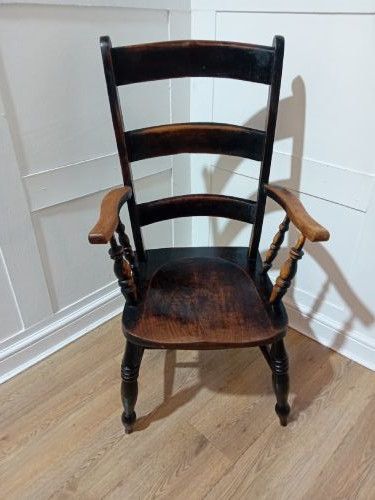
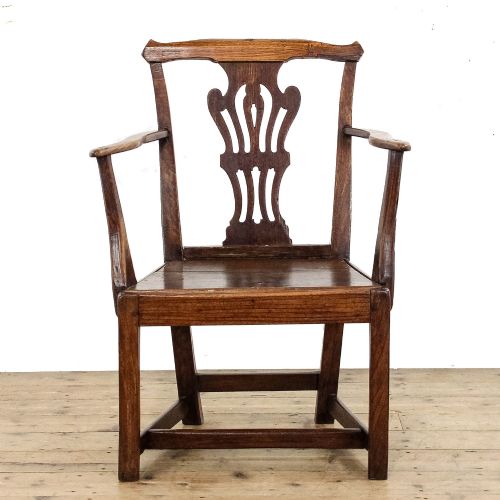
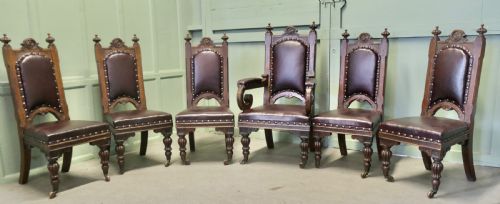
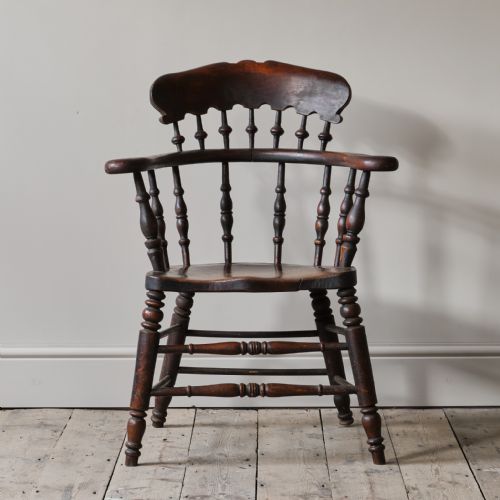
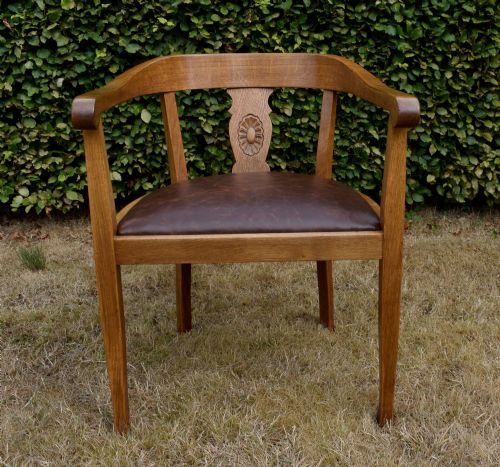
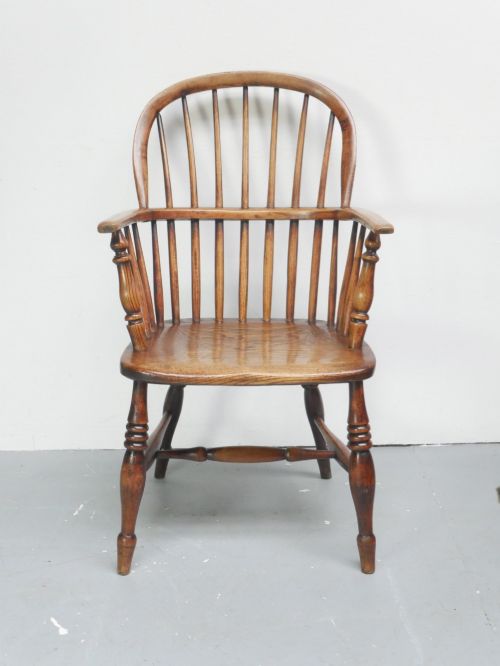
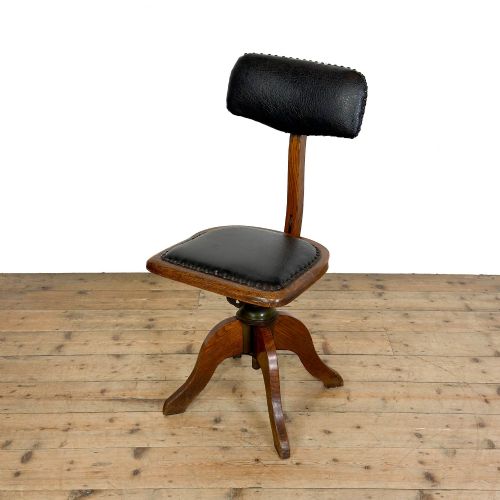
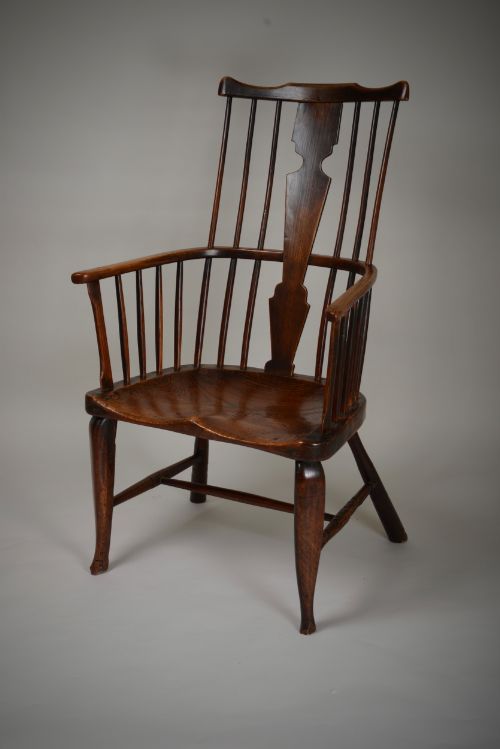
When you search for a dark oak desk chair, you enter a field spanning the eighteenth century through to the Edwardian period and nineteen-hundreds. The forms range from simple country armchairs and smokers bows to sophisticated swivel models with adjustable heights.
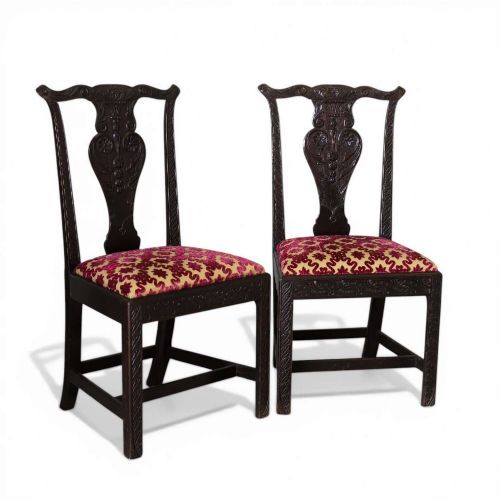
You will encounter regional vernacular pieces alongside distinct stylistic revivals, including French provincial designs and Arts and Crafts directors chairs. Most examples combine robust timbers with functional seating adaptations suited to domestic workspaces.
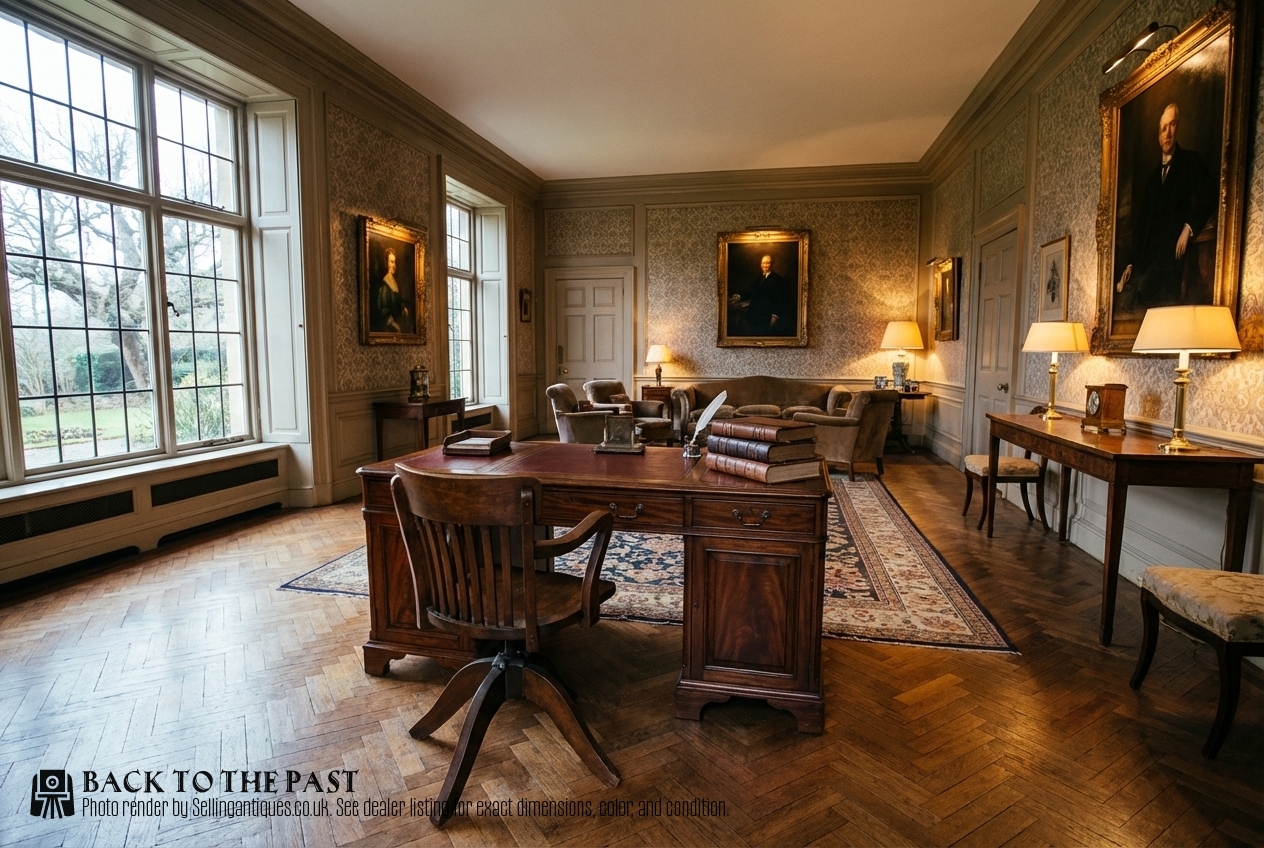
Materials and construction
The primary material is solid oak, complemented by secondary elements such as elm, leather, iron, brass, cane and fabric. Frames utilise traditional joinery techniques, featuring turned spindles, carved details and X-framing.
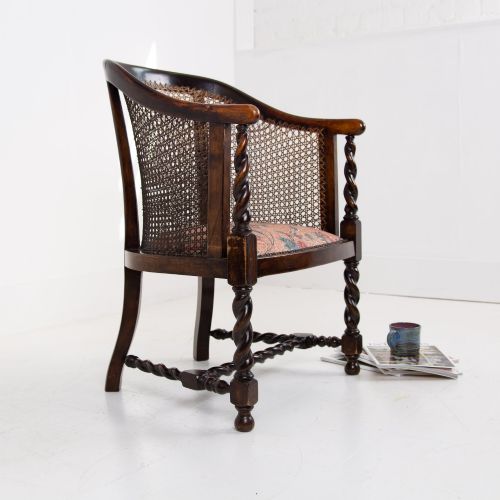
Metal components like iron and brass appear in swivel mechanisms and decorative studding on upholstered pads. Caning provides a lightweight panel option in specific bergère forms.
Retail Price Guide 2026
Typical UK retail prices for dark oak desk chair, calculated from the Sellingantiques database of over a million retail prices indexed since 2003. This retail price guide relies exclusively on Sellingantiques data; no external sources or auction records are used, so the figures do not describe the wider market.
Carmarthenshire oak possesses a distinct West Wales charm that makes every seventeenth-century farmhouse scribe secretly wish they lived in a Georgian dairy.
Judging quality
Quality rests on the integrity of the timber, the crispness of any hand carving and the proportional balance of the frame. Regional vernacular pieces demonstrate robust local joinery, whereas provincial and Edwardian swivel models rely on the precision of their mechanical adjustments.
Original surface patination and honest wear distinguish superior examples from heavily restored or later altered pieces. The integration of functional hardware, such as brass studs and iron mechanisms, dictates the refinement of the finished seat.
The Dark Oak Desk Chair Glossary
- Bergère
- An enclosed armchair with a wooden frame where the back and sides are typically filled with cane work. This French style offers a lighter visual presence despite the solid timber construction.
- X-Framed
- A structural form where intersecting diagonal stretchers create a scissors-like support beneath the seat. This configuration provides distinct architectural stability.
- Vernacular
- Objects designed by local craftsmen using regional traditions and available materials rather than following high-style academic fashions.
Frequently Asked Questions
How do I adjust the height on antique swivel chairs?
Edwardian and nineteenth-century swivel models generally rely on a central threaded iron spindle screw mechanism beneath the seat. Turning the seat rotates it up or down along this threaded column.
Care should be taken not to force the mechanism past its intended limits to preserve the historical ironwork and threads.
Are these chairs comfortable for daily computer work?
Many period examples were built with generous proportions and supportive curved backs designed for long hours of writing or administration. Leather pads and upholstered seats add considerable comfort for modern desk use.
Vernacular armchairs offer sturdy support, though users accustomed to modern ergonomic springing may prefer adding a subtle, period-appropriate loose cushion.
How do I care for antique leather and oak?
Oak timber benefits from occasional applications of traditional beeswax to nourish the grain and maintain a soft sheen. Avoid modern silicone polishes that can build up and dull the finish over time.
Leather surfaces should be kept away from direct heat sources and treated sparingly with appropriate leather dressings to prevent cracking.
How do I date an oak desk chair?
Dating relies on examining the construction methods, tool marks, timber shrinkage and stylistic clues such as turnings and hardware. Eighteenth-century regional pieces show hand-cut joinery and heavy elm or oak construction.
Later Victorian and Edwardian examples introduce industrial iron swivel mechanisms, castors and factory-standardized screw threads alongside period revival motifs.