
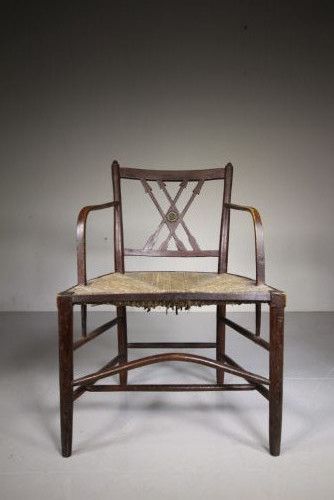
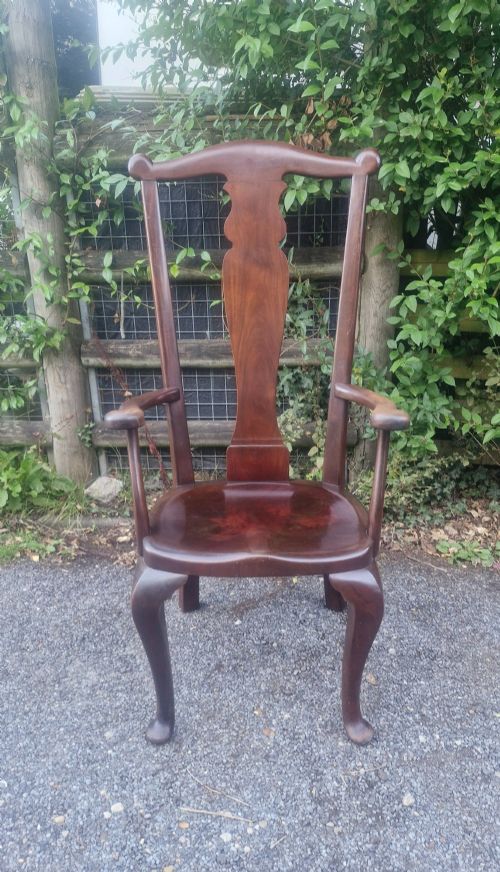
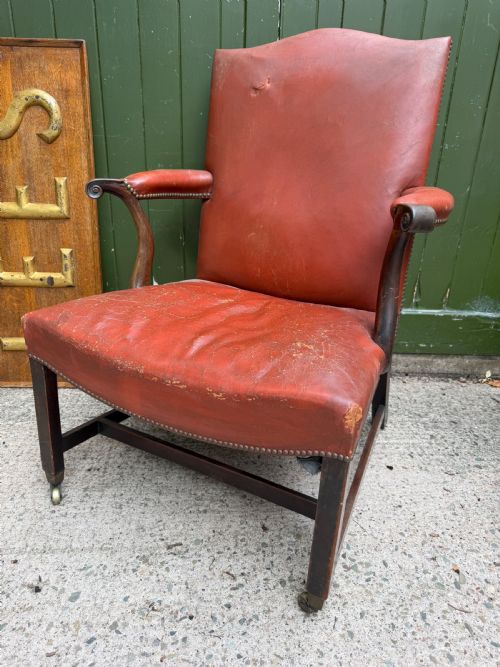


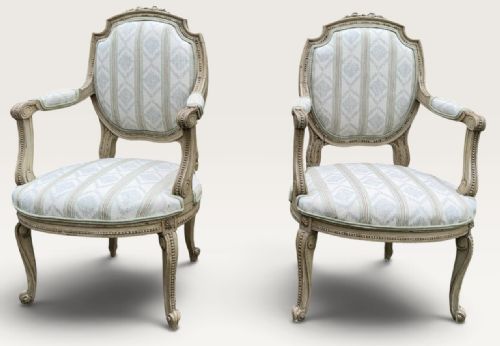
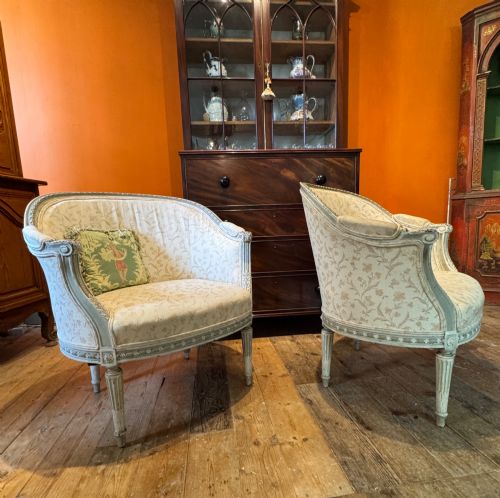
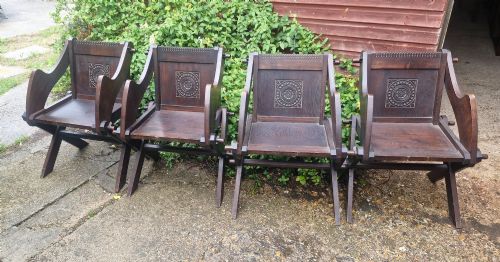
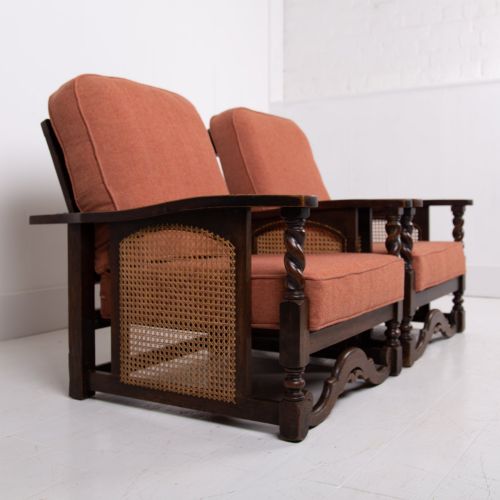
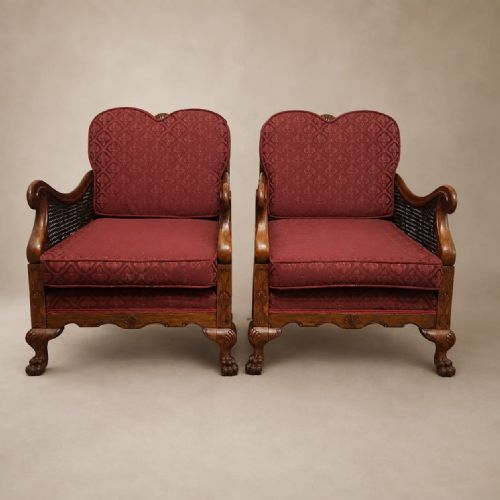
Antique X Frame Chair
An antique x frame chair brings architectural geometry and striking folding utility into any room.
What an antique x frame chair is
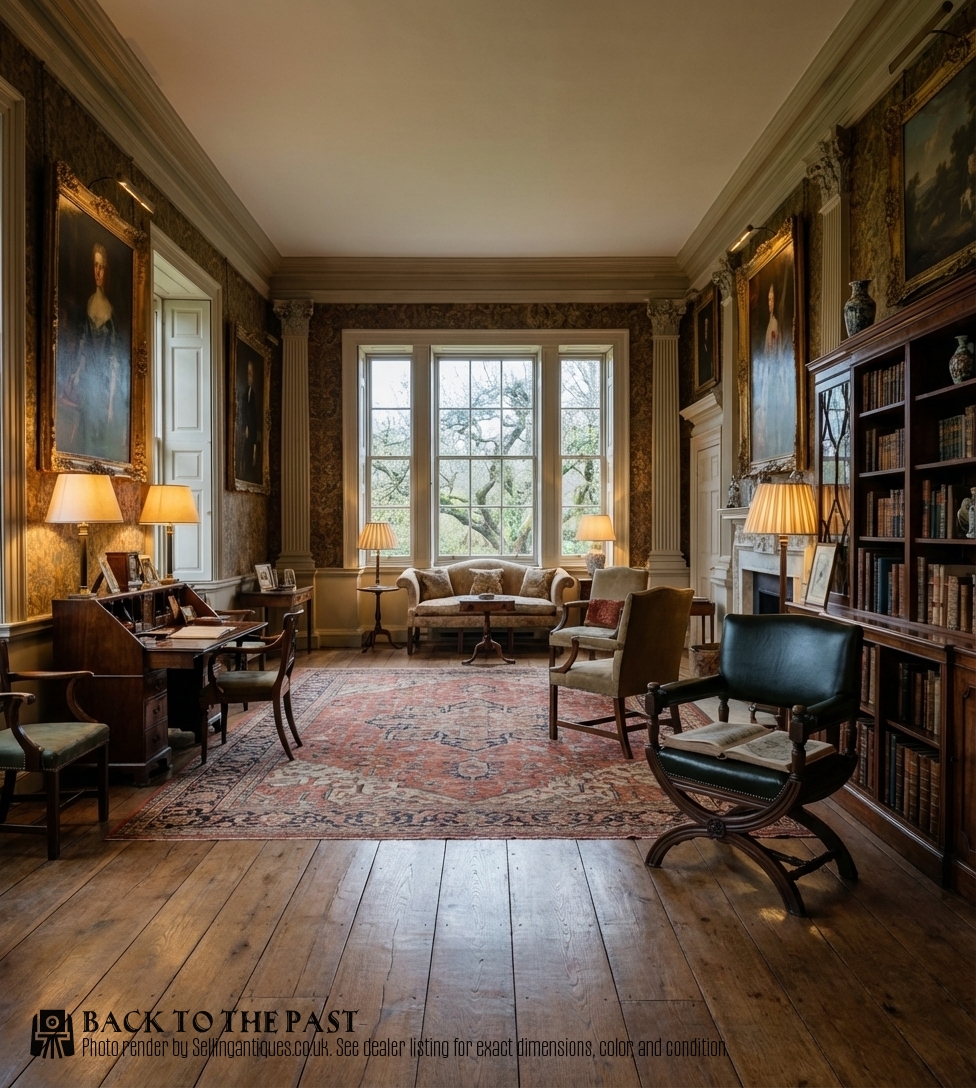
When searching for an antique x frame chair, buyers encounter seating defined by intersecting diagonal supports that form the characteristic cross shape beneath the seat. These forms appear across the nineteenth century and into the early twentieth century, taking shape as armchairs, desk chairs, and folding seats.
The selections available range from Gothic Revival oak Glastonbury chairs to Black Forest carved folding models, Anglo-Indian brass inlaid Savonarola styles, and walnut desk chairs. Regional variations emerge clearly in English, Welsh, Spanish, Austrian, Italian, and Moroccan examples.
The primary forms on this page span heavy walnut and oak library armchairs alongside lighter occasional chairs and folding seats upholstered in leather, velvet, tapestry fabric, or rush. Buyers select these pieces for their sculptural leg geometry and historical revival aesthetics.
How they were made
Construction relies upon solid hardwoods including oak, walnut, mahogany, pine, and exotic hardwoods shaped into intersecting members. Carpenters and joiners secured the pivoting or fixed joints with pegged construction, dowels, or iron fastenings to support the load of the seated user.
Surface ornamentation involved hand carving, incised inscriptions, and decorative inlays in brass. Upholstery methods utilised webbing, springs, and stuffing covered in leather, velvet, tapestry fabric, or simple rush seating secured with brass tacks.
Retail Price Guide 2026
Typical UK retail prices for x frame chair, calculated from the Sellingantiques database of over a million retail prices indexed since 2003. This retail price guide relies exclusively on Sellingantiques data; no external sources or auction records are used, so the figures do not describe the wider market.
Periods represented span the early nineteenth century, Victorian era, and Edwardian period up to nineteen hundred.
What varies in quality
The distinction between standard items and exceptional pieces rests upon the crispness of the hand carving, the selection of figured timber such as walnut or oak, and the integrity of the structural joints where the cross frames intersect. Superior examples display balanced proportions and tight joinery that resists the natural looseness common to folding mechanisms.
Material richness elevates the work, distinguishing plain utilitarian pine or oak frames from elaborately detailed Black Forest carvings, intricate Anglo-Indian brass inlay, or matched sets of dining chairs. Original upholstery surfaces and period leather further distinguish high-grade survivals from later alterations.
The Antique X Frame Chair Glossary
- X-frame
- A chair structure featuring legs that cross in an X shape beneath the seat, derived from ancient curule designs. This geometry provides inherent strength and often allows the seat to fold.
- Glastonbury chair
- A specific type of wooden armchair with X-frame supports, flat arms, and an inclined panel back, often bearing carved inscriptions. Originating in ecclesiastical contexts, it became popular during the Gothic Revival.
- Savonarola
- An Italian Renaissance folding chair constructed from multiple curved wooden slats forming an elaborate lattice X-frame. Later nineteenth-century revivals frequently incorporated dense carving and brass inlay.
- Curule
- An ancient Roman magistrate's chair shape with curved X-legs, lacking a backrest in its earliest form. In later furniture, the term describes open armchairs adopting this sweeping cross-leg silhouette.
- Black Forest
- A nineteenth-century carving style originating in Switzerland and Germany, characterised by deeply modelled naturalistic foliage, animals, and rustic motifs. Pieces in this manner display vigorous three-dimensional execution.
Frequently Asked Questions
How do I use an x frame chair at a desk?
Many nineteenth-century examples were designed specifically as desk or library chairs, offering compact footprints and supportive armrests. Their sturdy timber construction handles daily sitting while providing strong lumbar support.
Ensure the seat height matches your desk surface before placing it into a working study. Pair the chair with a simple leather pad if the wooden seat feels too firm for prolonged tasks.
Are these folding chairs sturdy enough for daily seating?
The structural integrity depends entirely on the condition of the central pivot joint or fixed intersecting cross members. Solid hardwood versions joined with tight pegged construction easily handle regular adult weight.
Check that the diagonal members sit flush and the iron pins or wooden dowels show no excessive play. Avoid dragging folding models across rough floors while loaded with weight to protect the pivoting joints.
How do I tell a Gothic Revival piece from a Renaissance style?
Gothic Revival pieces utilise pointed arch motifs, architectural tracery, incised texts, and heavy oak or pine frames reminiscent of medieval church furniture. They prioritise linear verticality and solemn timber surfaces.
Renaissance Revival and Savonarola styles instead feature sweeping scrollwork, strapwork carving, curule curves, and richer walnut or inlaid brass details. Their visual language draws directly from sixteenth-century Italian and Spanish palatial precedents.
What is the best way to care for antique leather upholstery?
Period leather requires gentle cleaning with a slightly damp cloth to remove surface dust without stripping natural moisture. Avoid harsh modern chemical detergents or soaking the hide during maintenance.
Apply a neutral leather conservation wax sparingly to maintain flexibility and prevent cracking across stress points. Keep the chair away from direct heat sources and strong sunlight to preserve the original hide colour.